menu

Apartment Complex Plumbing in Birmingham – Minimizing Downtime for Multi-Unit Properties

Fortress Plumbing Birmingham delivers commercial plumbing for apartments designed to keep your property operational, compliant with local codes, and profitable through preventive maintenance strategies and rapid emergency response for multi-family buildings.

Slider Image 1
Slider Image 2
Slider Image 3
Slider Image 4
Slider Image 5
Slider Image 7
Slider Image 8
Slider Image 9
Slider Image 10
Slider Image 11

Why Multi-Unit Residential Plumbing Failures Cost More in Birmingham

A single pipe failure in a 200-unit property cascades into revenue loss, displaced tenants, and liability exposure. In Birmingham, the combination of aging infrastructure in established neighborhoods like Five Points South and Southside creates compounding risk for property managers. Cast iron drain lines installed in pre-1980 construction corrode from the inside out due to soil acidity and high groundwater tables common to Jefferson County. You see slow drains in multiple units, sulfur odors in common areas, and eventually catastrophic failures that flood multiple floors.

Multi-family plumbing services require different protocols than single-family work. When a main sewer line backs up at 2 AM, you need technicians who understand vertical stack systems, shared branch lines, and how to isolate problems without shutting down an entire building. Apartment building plumbing demands coordination with property management software, tenant communication protocols, and compliance with Birmingham's commercial building codes that differ from residential standards. The pressure to minimize vacancy costs and maintain occupancy rates means you cannot afford extended repairs or repeat service calls. Commercial plumbing for apartments requires the capacity to handle multiple units simultaneously, stock commercial-grade parts, and deploy crews that understand the operational rhythms of multi-unit residential plumbing systems where one repair decision affects dozens of tenants.

Why Multi-Unit Residential Plumbing Failures Cost More in Birmingham
How Commercial-Grade Systems Differ from Residential Plumbing

How Commercial-Grade Systems Differ from Residential Plumbing

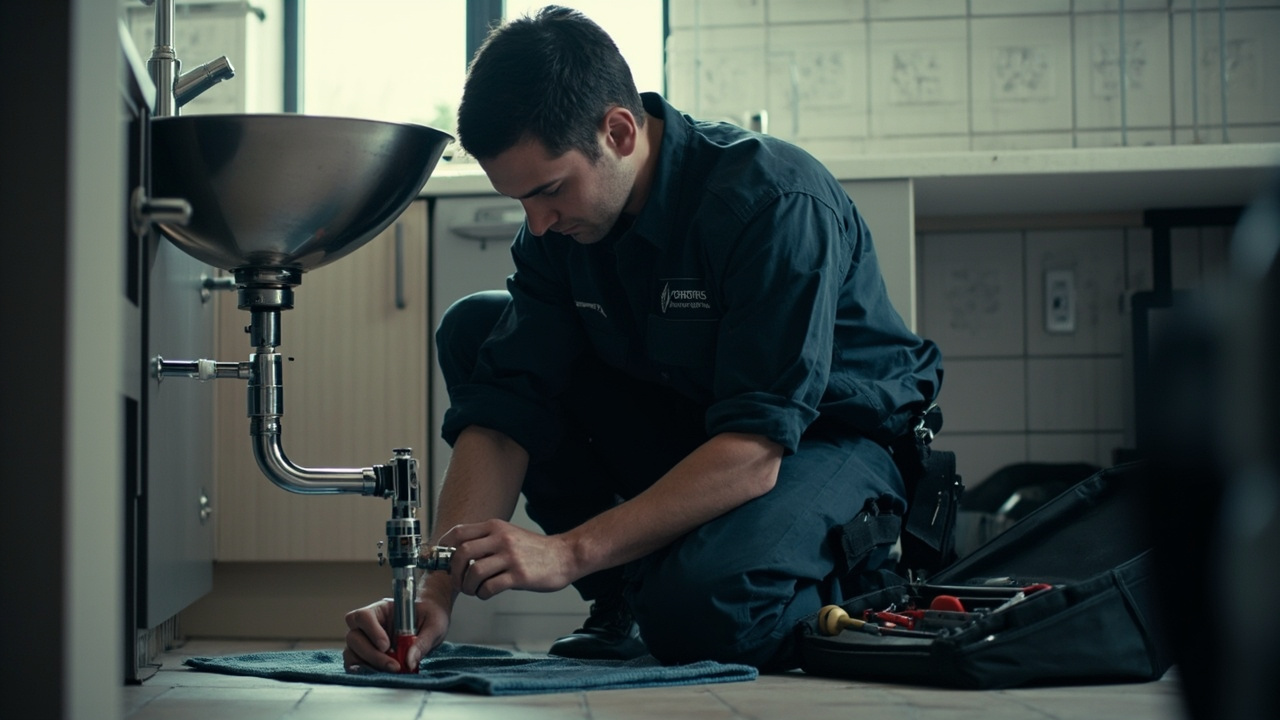
Apartment complex plumbing maintenance operates on different engineering principles than single-family homes. A 150-unit property uses 3-inch and 4-inch main stacks where residential systems use 1.5-inch lines. Water pressure must remain consistent across vertical risers serving six or eight floors, requiring pressure-reducing valves calibrated for each zone. We map your entire distribution system, identifying shared shut-off points, isolating problem sections without disrupting occupied units, and documenting valve locations for emergency response.

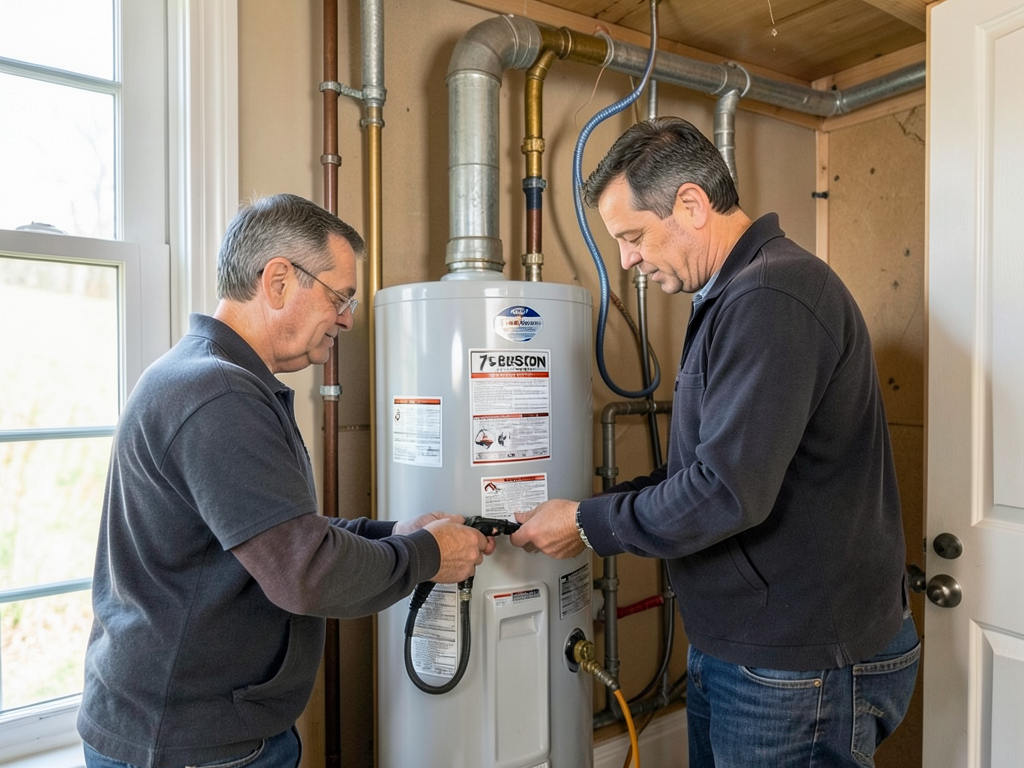
Your hot water delivery system likely uses a recirculating loop to prevent tenant complaints about wait times. These systems fail when circulation pumps wear out, expansion tanks rupture, or aquastats drift out of calibration. We inspect pump performance, verify proper expansion tank pre-charge pressure, and test temperature consistency at the furthest fixture from your boiler room. For properties with individual water heaters per unit, we track installation dates, model numbers, and maintenance history to predict replacement cycles before failures occur.

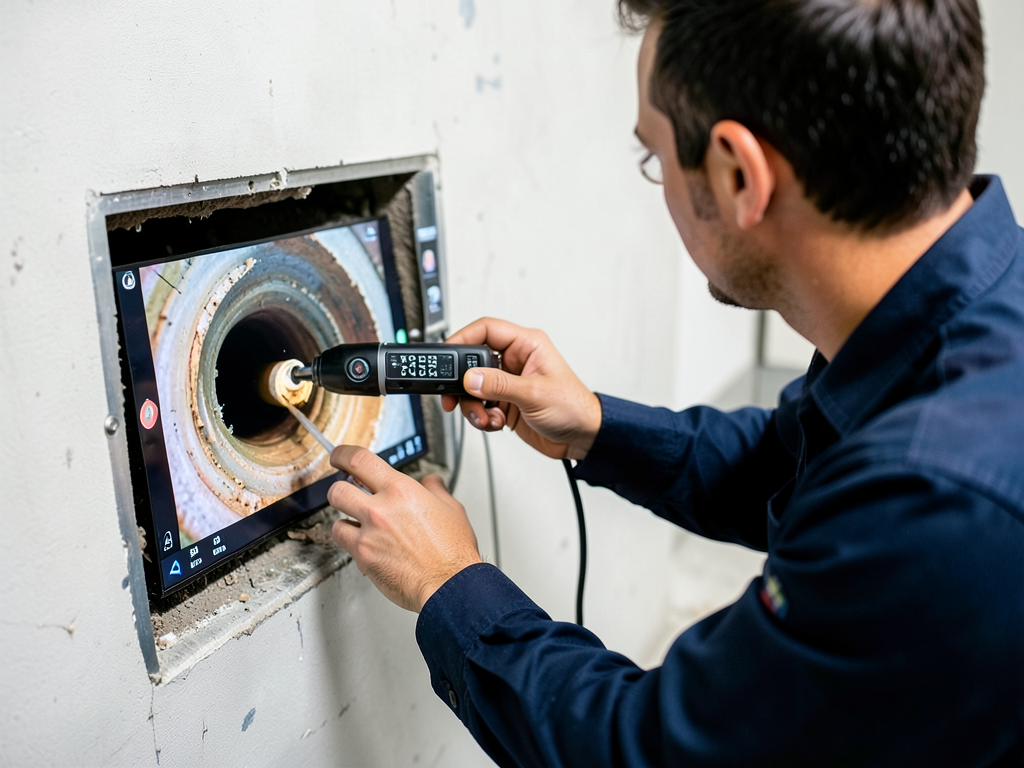
Preventive protocols for multi-unit residential plumbing focus on high-impact components. We camera-inspect main sewer lines annually,hydro-jet grease accumulation from kitchen stacks, and replace flapper valves in common-area toilets before they waste thousands of gallons. For properties with galvanized supply lines, we monitor flow rates and pressure drops that signal imminent pipe failure. This approach prevents emergency calls, controls capital expenditure timing, and protects your net operating income from unplanned repair costs that exceed budget allocations.

How We Execute Multi-Family Plumbing Projects

Apartment Complex Plumbing in Birmingham – Minimizing Downtime for Multi-Unit Properties
01

Site Assessment and Documentation

We start with a comprehensive building survey mapping your water distribution, drain-waste-vent systems, and shut-off valve locations. Our technicians photograph existing conditions, test water pressure at multiple floors, and identify code violations from previous work. You receive a detailed report with priority rankings, budget estimates for each item, and a timeline that minimizes tenant disruption during implementation.
02

Execution with Tenant Coordination

We schedule work during low-occupancy hours, notify affected units 48 hours in advance, and post signage explaining water shut-off periods. Our crews carry commercial-grade parts for your specific fixture types, complete rough-in work before final connections, and test all repairs under full system pressure. We coordinate with your maintenance staff to restore service systematically, verifying no air locks or pressure irregularities before leaving the property.
03

Documentation and Preventive Planning

You receive as-built documentation showing what we replaced, warranty information for all parts, and a maintenance schedule tied to your property management calendar. We log every repair in our system, tracking failure patterns across your portfolio. This data informs capital planning, helps you budget accurately for upcoming years, and provides documentation for insurance claims or property sales that require maintenance records.

Why Birmingham Property Managers Choose Fortress Plumbing

Managing apartment buildings in Birmingham requires familiarity with the city's specific regulatory environment and infrastructure challenges. Properties in historic districts like Forest Park face restrictions on exterior modifications that affect vent stack repairs and meter relocations. We know how to work within Birmingham's preservation guidelines while maintaining code compliance. Buildings constructed during Birmingham's industrial expansion era often have hybrid systems mixing original cast iron with PVC additions from the 1990s. These transitions create failure points we identify during inspections.

Jefferson County's clay soil expands and contracts with moisture changes, creating stress on underground sewer laterals that serve multi-unit properties. We've excavated and replaced hundreds of feet of main sewer lines in Birmingham's established neighborhoods, understanding proper bedding techniques for stable installation in reactive soils. When you call at 3 AM because sewage is backing up into ground-floor units, you need technicians who can locate your clean-out access points in the dark, understand your building's plumbing layout without blueprints, and make repair decisions that protect your property value.

Our relationship-based approach means you work with the same project manager across multiple properties. We maintain detailed records of your entire portfolio, stock parts specific to your fixture packages, and understand your tolerance for capital expenditures versus emergency repairs. For commercial plumbing for apartments, continuity matters because it eliminates the learning curve that comes with rotating vendors who treat every call as a first-time interaction.

What Birmingham Property Owners Can Expect

Response Time and Availability

We maintain 24-hour emergency response capability for apartment complex plumbing maintenance, with technicians on call who carry commercial parts inventory in their vehicles. For non-emergency work, we schedule service windows that align with your leasing calendar, avoiding peak move-in periods and coordinating with your maintenance team's existing obligations. Our dispatch system prioritizes multi-unit properties because we understand that a water shut-off affecting 50 units creates exponentially more liability than a single-family service call. You receive estimated arrival times, technician phone numbers for direct communication, and real-time updates if conditions change during diagnostics.

Building Assessment Process

Our initial consultation includes a walk-through of your mechanical rooms, inspection of exposed piping in common areas, and review of your maintenance records to identify recurring problems. We test water pressure at the highest and lowest fixtures, inspect your backflow prevention assemblies for certification compliance, and camera-inspect accessible drain lines to assess interior condition. You receive a written assessment identifying immediate safety concerns, code violations that could affect property insurance, and recommendations for preventive replacements based on component age and observed wear patterns. This evaluation forms the basis for a multi-year maintenance plan.

Quality of Completed Work

Every apartment building plumbing installation meets or exceeds International Plumbing Code standards and Birmingham's local amendments. We use commercial-grade materials rated for the higher cycle counts and abuse common in multi-family applications. All work is pressure-tested before walls close, drain lines are inspected for proper slope and venting, and water heaters are installed with code-required expansion tanks and temperature-pressure relief valve piping. You receive photographs documenting concealed work, material specifications for future reference, and confirmation that all installations comply with your property insurance requirements for multi-unit residential plumbing systems.

Ongoing Maintenance Programs

We offer scheduled maintenance contracts that spread costs across fiscal years and prevent budget-disrupting emergency repairs. These programs include quarterly inspections of critical systems, annual camera inspections of main sewer lines, and priority scheduling when problems arise. You receive advance notice of components approaching end-of-life, allowing you to plan capital expenditures during budget cycles rather than scrambling for emergency funding. Our maintenance database tracks every valve, fixture, and pipe section across your portfolio, creating institutional knowledge that persists regardless of staff turnover at your property management company.

Frequently Asked Questions

You Have Questions,
We Have Answers

How does plumbing work in an apartment building? +

Apartment plumbing uses a vertical stack system. Risers carry fresh water from the main supply line up through the building. Branch lines split off to individual units at each floor. Waste lines connect to a vertical drain stack that routes sewage to the municipal sewer or septic system. Vent pipes prevent air pressure issues and allow drainage to flow smoothly. In Birmingham's older buildings, you may encounter galvanized steel or cast iron pipes. Newer complexes use PVC or copper. Each unit typically has a shutoff valve for maintenance without affecting other residents.

Does apartment maintenance do plumbing? +

Most apartment maintenance teams handle minor plumbing tasks like unclogging drains, fixing leaky faucets, or replacing toilet flappers. For complex issues like main line breaks, sewer backups, or water heater replacement, property managers bring in licensed commercial plumbers. Alabama requires licensed professionals for work involving gas lines or major system alterations. If your maintenance staff lacks proper licensing for code compliance work, you expose your property to liability. Birmingham inspection failures often stem from unlicensed repairs. Establish clear protocols defining when to escalate calls to qualified contractors.

What is the most common plumbing issue? +

Drain clogs dominate service calls in apartment complexes. Tenants flush inappropriate items, pour grease down drains, or neglect hair traps. In Birmingham, mineral buildup from hard water accelerates fixture deterioration and restricts flow. Leaky faucets rank second, often caused by worn washers or corroded valve seats. Older properties face chronic issues with corroded galvanized pipes that restrict water pressure. Running toilets waste thousands of gallons monthly and spike utility costs. Regular preventive maintenance and tenant education reduce emergency calls by identifying problems before they cascade through multiple units.

How often should plumbing pipes be replaced in an apartment? +

Pipe lifespan depends on material and water quality. Copper pipes last 50 years or more. PVC drain lines can function for 70 years. Galvanized steel deteriorates in 20 to 50 years, common in Birmingham properties built before 1970. Cast iron sewer lines corrode within 50 to 75 years. Replace pipes when you see recurring leaks, reduced water pressure, discolored water, or visible corrosion. Schedule pressure testing and camera inspections every 10 years for properties over 30 years old. Proactive replacement prevents catastrophic failures that displace tenants and trigger liability claims.

What is the 135 rule for plumbing? +

The rule refers to copper pipe installation standards requiring specific angle bends when changing direction. You must use fittings rated for potable water systems and maintain minimum distances from electrical components. In commercial settings, it relates to maintaining proper venting ratios and trap arm distances to prevent drainage problems. Birmingham commercial properties must follow International Plumbing Code standards adopted by Alabama. Proper installation prevents negative pressure that causes trap siphoning and allows sewer gases into units. Hire licensed contractors familiar with local code enforcement to avoid inspection failures.

What would make you fail an apartment inspection? +

Inspection failures in Birmingham apartments typically involve exposed electrical wiring near plumbing fixtures, inadequate drainage slopes, missing cleanout access points, cross-connections between potable and non-potable water, improper venting causing sewer gas infiltration, and unpermitted plumbing alterations. Inspectors flag corroded water heaters without proper temperature and pressure relief valves, missing backflow prevention devices on irrigation systems, and drain lines lacking proper traps. Code violations from unlicensed repairs trigger immediate failure notices. Non-compliant fixture heights under ADA requirements also cause problems in multi-unit properties.

Do tenants have to pay for plumbing repairs? +

Tenant responsibility depends on lease terms and Alabama landlord-tenant law. Property owners must maintain plumbing systems in habitable condition. Tenants pay for repairs when damage results from negligence or misuse, like flushing foreign objects or breaking fixtures. Normal wear from regular use falls on the landlord. Document the cause of every repair. Charge tenants only when you can prove negligence. Clearly define maintenance responsibilities in your lease to prevent disputes. For recurring clogs traced to tenant behavior, implement educational programs before assessing charges. Birmingham small claims court scrutinizes maintenance charge disputes closely.

What are red flags in an apartment lease? +

Avoid leases shifting all repair costs to tenants, vague maintenance terms creating enforcement loopholes, or clauses waiving your right to habitability standards prohibited under Alabama law. Watch for automatic renewal terms without clear opt-out windows and penalty clauses exceeding actual damages. Leases requiring tenant-paid commercial insurance beyond renters policies signal problems. Be wary of water and sewer being bundled without individual metering, allowing other tenants' overuse to inflate your bill. Review provisions addressing plumbing emergency response times. Leases lacking specific property manager contact protocols delay critical repairs.

Who pays for damage caused by tenants? +

Property owners pay for tenant-caused damage when lease terms fail to properly allocate responsibility or when you cannot prove negligence. Security deposits cover minor damages up to the deposit amount. For larger claims exceeding deposits, you must pursue tenants through small claims court or collections. Document all damage with photos, repair invoices, and incident reports. Alabama courts require clear evidence linking damage to specific tenant actions. Consider requiring renters insurance that includes liability coverage. This shifts payment responsibility to insurers for covered incidents like water damage from unattended overflows.

How to tell if your plumber is overcharging you? +

Compare quotes from three licensed contractors for non-emergency work. Request itemized estimates breaking down labor, materials, and permits. Question markups over 20 percent on parts you can verify online. Verify licensing through the Alabama Plumbing and Gas Fitters Examining Board. Excessive diagnostic fees, pressure to approve work before providing written estimates, and reluctance to explain repair necessity signal problems. For Birmingham apartment complexes, establish relationships with contractors offering commercial service agreements. Flat-rate pricing works for simple repairs, but time-and-materials billing suits complex projects better when properly documented.

How Birmingham's Aging Multi-Family Infrastructure Affects Your Operating Budget

Birmingham's established apartment corridors along Southside and Highland Avenue contain buildings constructed between 1920 and 1970, an era when galvanized steel supply lines and cast iron drain systems were standard. These materials have finite lifespans, and properties approaching 50 years face systematic failures requiring capital investment, not patchwork repairs. The city's acidic soil and high water table accelerate corrosion on underground piping. Property owners in the greater Birmingham metro discover that reactive maintenance costs three times more than planned replacement programs because emergency repairs happen during nights and weekends, require expedited parts ordering, and often damage finishes that increase restoration costs beyond the plumbing scope itself.

Birmingham's commercial plumbing permits require licensed contractors familiar with local inspection protocols and relationships with Jefferson County's permitting office. We maintain active permits, understand the documentation requirements for multi-family plumbing services, and schedule inspections to avoid delays that extend your project timelines. Our familiarity with Birmingham inspectors means we know their specific concerns regarding backflow prevention, proper venting in renovated spaces, and seismic bracing requirements that apply to buildings over three stories. This local expertise prevents failed inspections, revision cycles, and the project delays that cost you rental income from units held offline longer than necessary.
Plumbing Services in The Birmingham Area

Our dedicated service area extends throughout the Birmingham region, and we are committed to serving our local community with fast and reliable plumbing solutions. You can locate our main office here on the map, but remember, our certified plumbers are always on the move, ready to come to you! Whether you're in the city center or a surrounding suburb, we are prepared to deliver expert service right to your doorstep.

Address:
Fortress Plumbing Birmingham, 4500 5th Ave S, Birmingham, AL, 35222

Additional Services We Offer

Our news updates

Latest Articles & News from The Blogs

Lorem ipsum dolor sit amet. Aut expedita quaerat quo eligendi numquam et laudantium perspiciatis qui minima expedita rem consequatur ducimus.…

Test Blog 4

Lorem ipsum dolor sit amet. Aut expedita quaerat quo eligendi numquam et laudantium perspiciatis qui minima expedita rem consequatur ducimus.…

Test Blog 3

Lorem ipsum dolor sit amet. Aut expedita quaerat quo eligendi numquam et laudantium perspiciatis qui minima expedita rem consequatur ducimus.…

Test Blog 2

Lorem ipsum dolor sit amet. Aut expedita quaerat quo eligendi numquam et laudantium perspiciatis qui minima expedita rem consequatur ducimus.…

Contact Us

Call (659) 234-8600 now to schedule a comprehensive building assessment. Fortress Plumbing Birmingham provides the commercial-grade service your apartment complex requires to minimize downtime, control costs, and maintain tenant satisfaction across your entire portfolio.