


menu

Commercial Kitchen Plumbing in Birmingham – Minimize Downtime, Maximize Throughput

Industrial-grade plumbing systems engineered for high-volume food service operations across Birmingham, delivering code-compliant installations and rapid-response repairs that keep your kitchen operational during peak hours.

Slider Image 1
Slider Image 2
Slider Image 3
Slider Image 4
Slider Image 5
Slider Image 7
Slider Image 8
Slider Image 9
Slider Image 10
Slider Image 11

Why Birmingham Commercial Kitchens Face Unique Plumbing Demands

Your commercial kitchen operates under pressure most residential systems never encounter. Birmingham's aging infrastructure and hard water conditions create specific challenges for restaurant plumbing services, from mineral buildup in pre-rinse spray valves to corrosion in grease interceptors.

High-volume food service plumbing handles demands that standard systems cannot withstand. A single dishwasher in a downtown Birmingham restaurant cycles through 200 gallons per hour during dinner service. Your three-compartment sinks, floor drains, and prep station fixtures must handle constant thermal shock, grease loads, and food particle accumulation without failing during critical service windows.

The city's temperature swings compound these stresses. Summer heat increases grease viscosity in drain lines. Winter cold can cause pressure drops in water heaters serving your dish pit. Most commercial kitchen plumbers overlook these Birmingham-specific variables until you face a backed-up floor drain at 7 PM on a Saturday.

Industrial kitchen plumbing failures do not wait for convenient timing. A failed hot water recirculation pump means no sanitization. A clogged grease trap means health code violations. A leaking gas line to your range battery means immediate shutdown. Each scenario translates directly to lost revenue, failed inspections, and reputational damage.

Birmingham's restaurant district, from Five Points South to the Avondale entertainment corridor, operates on thin margins. Professional kitchen plumbing infrastructure must function as reliably as your walk-in coolers and ventilation hoods. Reactive maintenance costs you more than proactive system management.

Why Birmingham Commercial Kitchens Face Unique Plumbing Demands
Engineered Systems for Continuous Operation

Engineered Systems for Continuous Operation

Commercial kitchen plumbing requires load calculations most service providers never perform. We measure peak demand across all fixtures, factor in simultaneous use during rush periods, and size supply lines accordingly. A 150-seat restaurant in Birmingham's Lakeview district needs 3/4-inch supply lines to handle peak draw, not the 1/2-inch residential standard.

Grease management separates functional systems from liability risks. We install grease interceptors sized to your actual flow rates and grease loads, not generic estimates. A breakfast-focused concept generates different waste profiles than a barbecue joint. Your interceptor capacity, baffle configuration, and maintenance intervals must match your menu and volume.

Gas distribution for commercial cooking equipment demands precise pressure regulation. Your wok stations require 125,000 BTU capacity. Your deck ovens need consistent pressure during simultaneous ignition. We calculate pressure drops across your entire gas train, from the meter to each appliance, ensuring you maintain performance during peak operation.

Backflow prevention protects Birmingham's municipal water supply from contamination. Food service plumbing requires specific backflow assemblies based on hazard level. Your chemical dispensers, carbonation systems, and hose bibbs each require appropriate protection. We install testable assemblies that meet Alabama Department of Public Health requirements and coordinate annual certification.

Floor drain placement affects both code compliance and operational efficiency. We position drains to capture spills from high-risk areas like ice machines, walk-in coolers, and prep stations. Proper slope prevents standing water. Trap primers maintain water seals without manual filling. These details prevent health code failures during inspections.

How We Deliver Commercial Kitchen Plumbing Solutions

Commercial Kitchen Plumbing in Birmingham – Minimize Downtime, Maximize Throughput
01

Operational Impact Assessment

We schedule site evaluations during off-peak hours to observe your actual operating conditions. Our technicians document fixture counts, measure flow rates, photograph equipment layouts, and identify code deficiencies. We analyze your peak demand windows to plan work that minimizes service interruption. You receive a detailed scope document with timeline projections and shutdown requirements before any work begins.
02

Phased Installation Execution

We coordinate installations around your service schedule, staging materials overnight and executing work during closed hours when possible. Critical system ties occur during scheduled downtime. Our crews arrive with pre-fabricated assemblies to reduce on-site labor time. We maintain temporary water and gas service to non-affected areas, keeping portions of your kitchen operational during major renovations. All connections undergo pressure testing before activation.
03

Compliance Documentation Delivery

You receive comprehensive documentation for health department review, including backflow test certificates, gas pressure test results, and grease interceptor specifications. We photograph installed systems for your maintenance records and provide fixture schedules with part numbers for future service. Our final walkthrough includes staff training on shut-off valve locations and basic troubleshooting. You maintain direct contact information for priority service response.

Why Birmingham Food Service Operations Choose Fortress Plumbing Birmingham

Commercial kitchen failures require immediate response, not next-day callbacks. Our service trucks stock commercial-grade parts for the equipment you actually use: Salvajor disposers, T&S brass fixtures, Watts backflow preventers, and Zurn floor drains. We maintain inventory relationships with restaurant supply distributors across Birmingham, accessing specialized components within hours, not days.

We understand Jefferson County health code enforcement patterns. Inspectors scrutinize grease interceptor sizing, cross-connection control, and thermostatic mixing valve settings. Our installations meet Alabama Plumbing Code Chapter 6 requirements for food service facilities. We maintain documentation standards that satisfy health department review without requiring re-inspection.

Birmingham's restaurant community operates through referral networks. We have installed and serviced systems for establishments throughout the Pepper Place district, Railroad Park food vendors, and Uptown entertainment venues. Kitchen managers share information about service providers who understand operational urgency. Downtime during weekend service costs you thousands in lost revenue and disappointed customers.

Our technicians carry commercial liability coverage appropriate for food service environments. We maintain contamination protocols when working near food prep areas. We understand the difference between potable water systems and equipment drains. These distinctions matter when you face health department scrutiny.

Fortress Plumbing Birmingham prioritizes commercial accounts because we recognize the financial impact of system failures. Your 3 AM grease trap overflow receives the same response priority as daytime scheduled maintenance. We staff technicians with commercial equipment experience, not residential generalists learning on your operation.

What Your Birmingham Food Service Operation Can Expect

Emergency Response Protocols

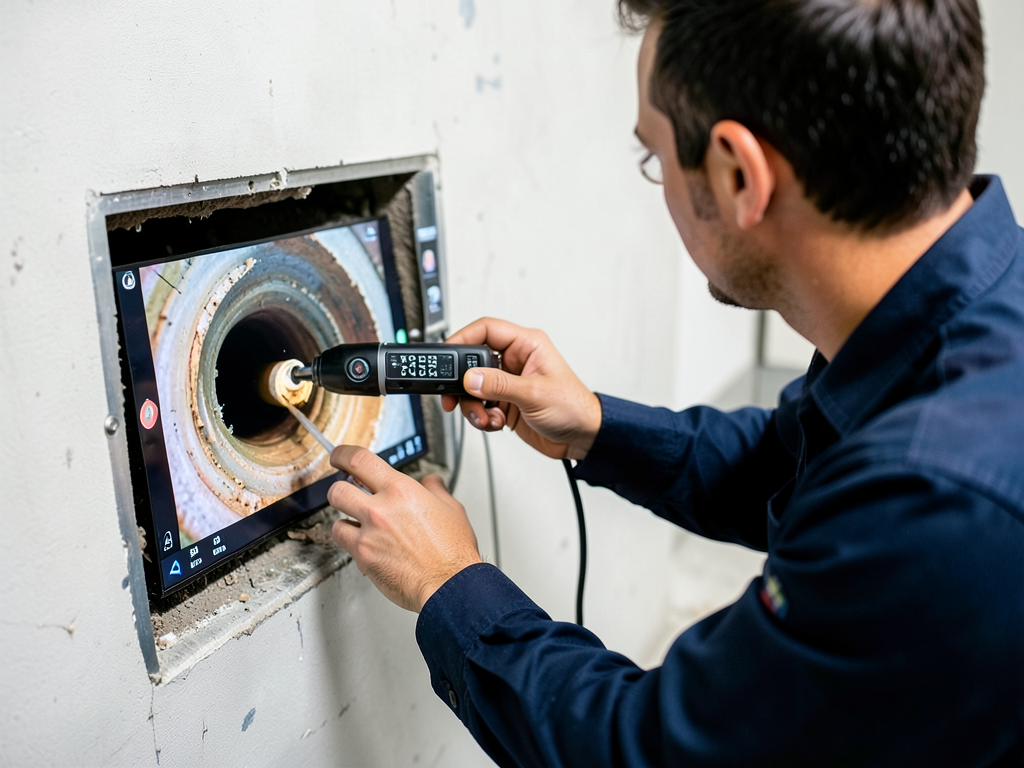
Commercial kitchen emergencies receive priority dispatch within one hour of contact. Our technicians carry diagnostic equipment to identify failures quickly: pressure gauges for gas systems, camera inspection equipment for drain lines, and thermal imaging for leak detection. We provide temporary solutions to maintain partial operation while sourcing permanent repair components. You receive realistic timeline estimates based on parts availability and work complexity, not optimistic projections that extend your downtime.

Pre-Installation Planning Sessions

New construction and renovation projects begin with detailed planning meetings involving your kitchen designer, equipment vendors, and general contractor. We review equipment specifications to verify utility requirements match your building infrastructure. Gas pressure, water supply capacity, and drainage flow rates receive engineering-level analysis. We identify potential bottlenecks before installation, preventing costly change orders and schedule delays. You receive stamped drawings for permit submission and coordination with other trades.

System Performance Validation

Completed installations undergo comprehensive testing before handoff. We verify hot water recovery rates meet your dish machine requirements. Gas pressure readings confirm adequate supply to all cooking equipment under simultaneous operation. Floor drains receive flow testing to verify proper slope and trap seal maintenance. Backflow assemblies undergo certification testing. You receive documented proof that your systems perform as designed, protecting you during health department inspections and insurance reviews.

Preventive Maintenance Programs

Scheduled maintenance prevents failures during peak revenue periods. We establish quarterly service intervals for grease interceptor pumping, annual backflow testing, and biannual gas system inspection. Our technicians document equipment conditions, identifying components approaching end-of-life before they fail. You receive maintenance logs for health department compliance and equipment warranty preservation. Planned service costs less than emergency repairs and protects your operating schedule from unexpected interruptions.

Frequently Asked Questions

You Have Questions,
We Have Answers

Are floor drains required in commercial kitchens? +

Yes. Birmingham's commercial kitchens must include floor drains to manage spills, cleaning runoff, and potential equipment leaks. The International Plumbing Code, adopted locally, requires drainage in food prep areas where wet cleaning occurs. Floor drains prevent water accumulation that creates slip hazards and health code violations. You need proper slope toward drains, typically one-quarter inch per foot. Grease traps connect to these drains when handling wastewater from dishwashers or sinks. Health inspectors check drain placement during permits and inspections. Inadequate drainage leads to failed inspections, business interruptions, and liability exposure.

What plumbing is needed for a kitchen? +

Commercial kitchens require hot and cold water supply lines, drainage systems, grease traps, backflow preventers, and fixture shutoffs. You need three-compartment sinks for washing, rinsing, and sanitizing. Prep sinks, mop sinks, and handwashing stations are mandatory. Dishwashers need dedicated hot water lines, often 140-180 degrees. Birmingham code requires commercial-grade fixtures rated for heavy use. Gas lines supply ranges, ovens, and fryers. All connections need shutoff valves for emergency isolation. Floor drains handle runoff. Proper venting prevents sewer gases and maintains drain flow. Each fixture needs individual trap installation.

How much does a commercial kitchen setup cost? +

Commercial kitchen plumbing typically represents 10-15 percent of total buildout costs. Expenses vary based on equipment count, grease trap requirements, and existing infrastructure. New construction costs less than retrofitting older Birmingham buildings with outdated systems. You face higher costs in Historic Districts where code compliance gets complex. Grease interceptor installation alone runs several thousand dollars. Three-compartment sinks, mop stations, handwashing fixtures, and gas line installations add up quickly. Permit fees, inspections, and potential fire suppression tie-ins increase budgets. Plan for contingencies when opening clay soil reveals pipe damage or corrosion.

What is considered commercial plumbing? +

Commercial plumbing serves business properties like restaurants, offices, hospitals, and retail spaces. It involves larger pipe diameters, higher fixture counts, and heavy-use components. Commercial systems handle greater water volume and waste output than residential setups. You need backflow prevention devices to protect public water supply. Code requirements are stricter for accessibility, safety, and health standards. Commercial projects require licensed contractors familiar with International Plumbing Code and local Birmingham amendments. Systems include grease traps, medical gas lines, fire suppression connections, and industrial water heaters. Commercial work demands permits, inspections, and ongoing compliance documentation.

What is the 3x4 kitchen rule? +

The 3x4 kitchen rule refers to a minimum workspace clearance guideline, not plumbing code. It suggests maintaining three feet of clearance in front of counters and four feet between opposing counters for safe movement. This standard affects plumbing fixture placement during design. Birmingham health inspectors verify adequate space for cleaning and operation. You cannot install sinks or equipment where staff cannot safely access them. The rule prevents cramped layouts that create injury risks and sanitation problems. Proper spacing also ensures plumbers can service fixtures without business shutdowns. Consider this during initial planning before roughing in water lines.

Does every outlet in a commercial kitchen need to be GFCI? +

Yes. All commercial kitchen outlets require GFCI protection per National Electrical Code, which Birmingham enforces. Kitchens present constant water exposure near electrical sources. GFCI devices cut power within milliseconds when detecting ground faults, preventing electrocution. This applies to countertop receptacles, equipment connections, and temporary outlets used during cleaning. Inspectors test GFCI function during walkthroughs. Failed or missing protection stops permit approval. While electrical work differs from plumbing, coordinated installation matters because water leaks near outlets create serious hazards. You need both trades addressing safety simultaneously. Non-compliant outlets trigger citations and potential liability after accidents.

What is the 135 rule for plumbing? +

The 135-degree rule limits drain fitting angles to prevent clogs and maintain flow velocity. When changing pipe direction, you use two 45-degree fittings instead of one 90-degree elbow. This creates a gentler 90-degree turn that keeps waste moving. Sharp angles cause grease buildup and solid accumulation in commercial kitchens. Birmingham plumbing inspectors check drain configurations during rough-in inspections.Violating this rule leads to frequent backups requiring expensive maintenance. Long-sweep elbows achieve similar results. The rule applies to horizontal drain runs where gravity flow matters most. Proper pitch combines with correct fittings for reliable drainage.

What is the code for kitchen drain pipe? +

Kitchen drain pipes require minimum two-inch diameter for sinks, three inches for commercial dishwashers, and four inches for grease-laden waste. Birmingham follows International Plumbing Code standards for sizing based on fixture units. All drains need proper venting to maintain atmospheric pressure and prevent trap siphoning. P-traps are mandatory at each fixture. Grease traps intercept wastewater before entering the municipal system. Drain materials must resist high temperatures and chemical cleaners. Cast iron, PVC, and ABS are common, depending on application. Horizontal drains pitch one-quarter inch per foot minimum. Inspectors verify sizing, slope, and venting during rough-in inspections.

What are common plumbing mistakes to avoid? +

Common mistakes include undersized grease traps that fail inspections, improper drain slope causing backups, and missing backflow preventers that contaminate water supply. Skipping permits leads to fines and reopening delays. Using residential-grade fixtures in commercial settings causes premature failures. Inadequate venting creates slow drains and sewer gas problems. Installing equipment without shutoff valves complicates future repairs. Ignoring Birmingham's clay soil conditions leads to foundation settlement that cracks pipes. Failing to coordinate with health inspectors early delays approvals. Not planning for future equipment additions requires expensive repiping. These errors cost more fixing than preventing during initial installation.

What is the most expensive part of a commercial kitchen? +

The hood and fire suppression system typically costs most, followed by refrigeration equipment. However, plumbing represents significant expense through grease interceptors, which can exceed ten thousand dollars installed. Commercial dishwashers with booster heaters and dedicated water lines add substantial costs. Gas line installation for ranges and ovens increases budgets, especially in older Birmingham buildings requiring full repiping. Three-compartment sinks with proper drainage and handwashing stations add up. Water heaters sized for commercial demand carry premium pricing. Factor in permit fees, multiple inspections, and potential rework when existing infrastructure fails code. Proper planning prevents cost overruns during buildout.

How Birmingham's Water Quality Affects Commercial Kitchen Equipment Lifespan

Birmingham's municipal water supply contains 180-220 ppm dissolved minerals, placing it in the hard water classification. This mineral content creates scale accumulation inside commercial dishwasher spray arms, reducing cleaning effectiveness and increasing energy consumption. Pre-rinse spray valves experience reduced flow rates within 18 months without proper filtration. Water softening systems and scale inhibitors extend equipment lifespan and maintain health code compliance for sanitization temperatures. Professional kitchen plumbing installations account for these local water conditions during system design.

Jefferson County enforces strict cross-connection control requirements for food service establishments. The county's 2019 plumbing code amendments mandate specific backflow prevention assemblies for carbonated beverage systems, post-mix dispensers, and chemical injection equipment. Health department inspectors verify annual testing certification during routine inspections. Local industrial kitchen plumbing providers understand these county-specific requirements, preventing code violations that can trigger operating permit suspensions. Birmingham restaurant operators benefit from working with contractors familiar with local enforcement patterns and acceptable compliance documentation.
Plumbing Services in The Birmingham Area

Our dedicated service area extends throughout the Birmingham region, and we are committed to serving our local community with fast and reliable plumbing solutions. You can locate our main office here on the map, but remember, our certified plumbers are always on the move, ready to come to you! Whether you're in the city center or a surrounding suburb, we are prepared to deliver expert service right to your doorstep.

Address:
Fortress Plumbing Birmingham, 4500 5th Ave S, Birmingham, AL, 35222

Additional Services We Offer

Our news updates

Latest Articles & News from The Blogs

Is Your Damp Clay Basement Caused by a Plumbing Leak or Just High Humidity Finding water in your basement can…

Is Your Damp Clay Basement Caused by a Plumbing Leak or Just High Humidity

Is Your Damp Clay Basement Caused by a Plumbing Leak or Just High Humidity Finding water in your basement can…

Why Your Liberty Park Home Runs Out of Hot Water Faster Than It Used To

Why Your Liberty Park Home Runs Out of Hot Water Faster Than It Used To Your Liberty Park home deserves…

Managing the Auto Fill and Overflow Drainage for Your Luxury Pool in Shoal Creek

Managing the Auto Fill and Overflow Drainage for Your Luxury Pool in Shoal Creek Living in the exclusive Shoal Creek…

Contact Us

System failures do not schedule themselves around your revenue peaks. Call Fortress Plumbing Birmingham at (659) 234-8600 for commercial kitchen plumbing that keeps your operation running. We respond to Birmingham food service emergencies with the urgency your business demands.