


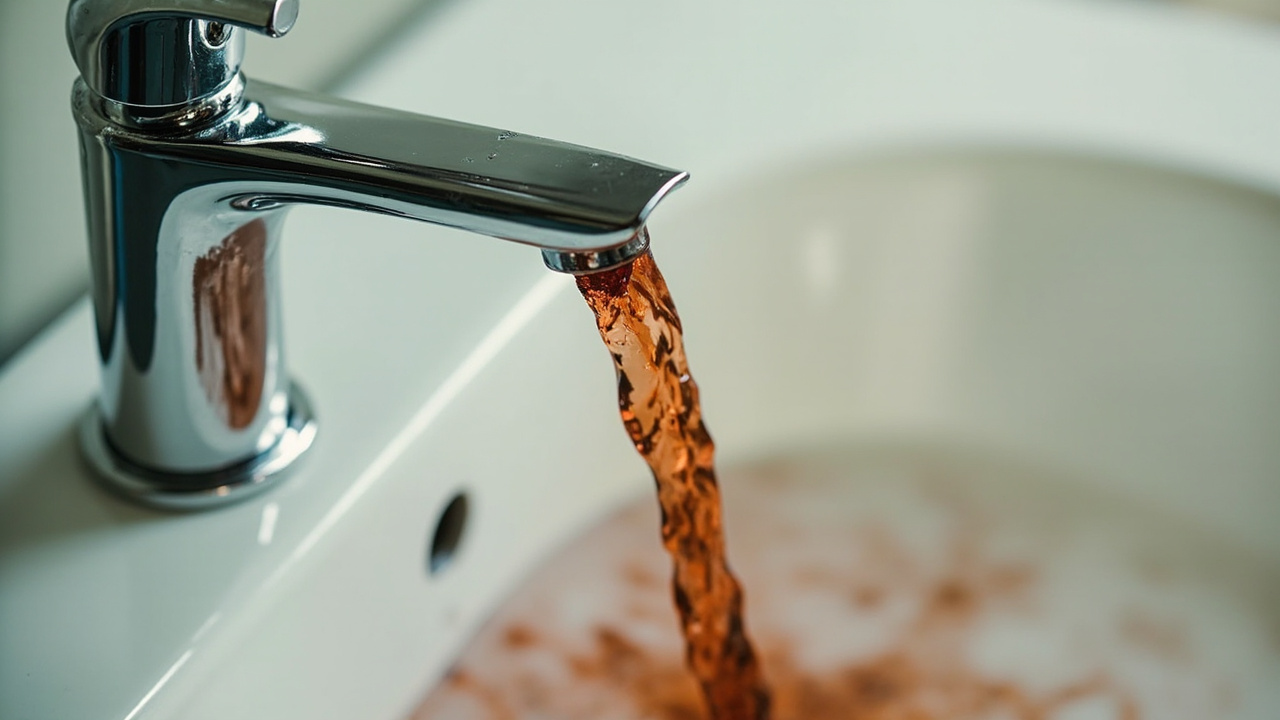

Birmingham's water distribution system includes pipes installed across eight decades of changing standards and materials. Neighborhoods developed before 1980 often have galvanized steel service lines that corrode internally, releasing iron particles that turn water brown or reddish. The city's iron-rich clay soil accelerates external corrosion on buried pipes, creating pinhole leaks that allow soil particles to enter the water supply. Birmingham's hilly terrain creates pressure variations that dislodge accumulated sediment during demand spikes, sending yellow water from faucet fixtures throughout affected zones. Understanding your home's pipe material and installation date is the first step toward solving chronic discoloration.
Birmingham Water Works maintains over 3,500 miles of water mains serving Jefferson and Shelby County communities. When crews perform maintenance or repair breaks, temporary pressure changes and directional flow reversals can stir sediment in both municipal lines and your home's plumbing. A qualified Birmingham plumber knows how to distinguish between city-side contamination and property-side corrosion. We work with local water authorities regularly and understand their maintenance schedules and pressure zone boundaries. This coordination prevents unnecessary repairs and helps you address the actual contamination source, whether it's a city main issue or aging pipes inside your property line.