

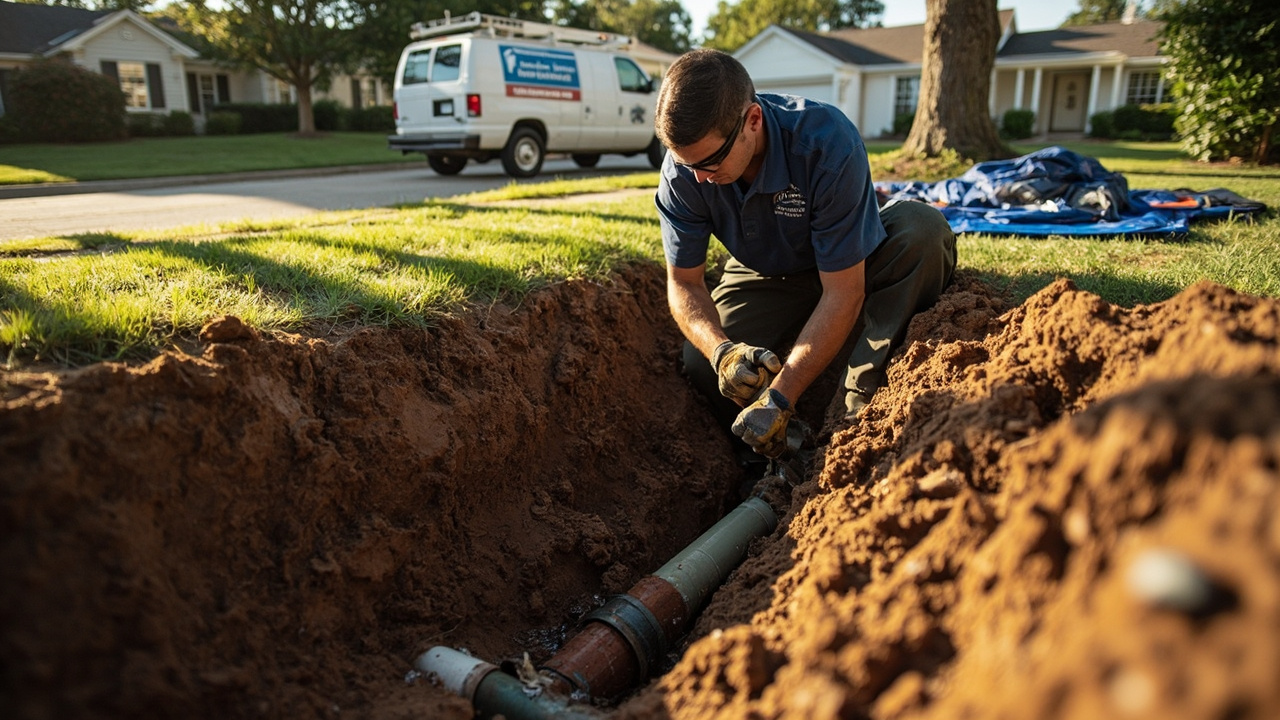
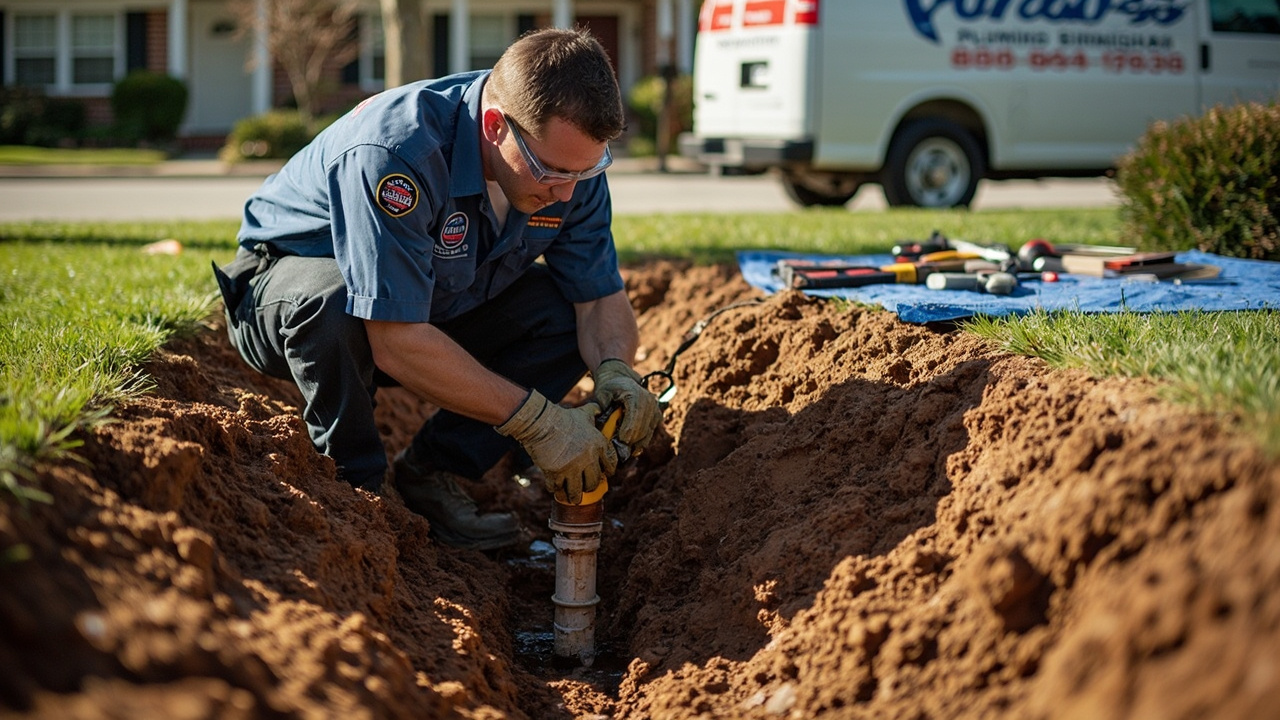
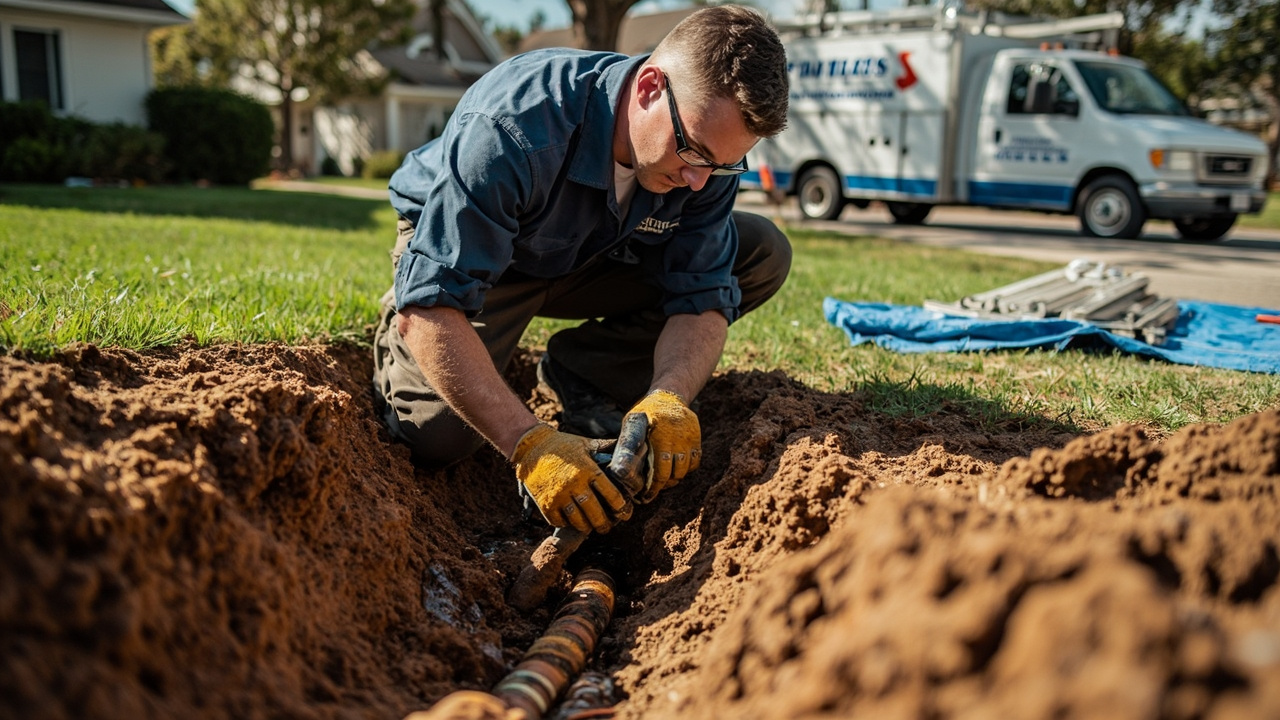
Birmingham sits on expansive Red Mountain clay soil that swells when saturated and contracts during dry months. This constant movement creates shear stress on rigid underground water lines. Galvanized steel and cast iron pipes installed before 1980 cannot flex with the soil. Over decades, the joints crack, the pipe walls thin from internal corrosion, and eventually the line ruptures. The freeze-thaw cycles we experience between November and March add lateral pressure that accelerates failure. If your home was built before 1990 and still has the original water service line, you are operating on borrowed time.
Birmingham's dense utility corridors make water main repair more complex than in newer suburban developments. Downtown, Southside, and older neighborhoods like Highland Park have gas lines, electrical conduit, storm drains, and fiber optic cables running within inches of water mains. Excavating without damaging adjacent infrastructure requires local knowledge and precision equipment. We have worked these streets for years. We know where the utilities cross, where the soil is most unstable, and how to coordinate with the city when repairs require street cuts or right-of-way access. Local expertise matters when you are digging three feet underground in a 100-year-old neighborhood.