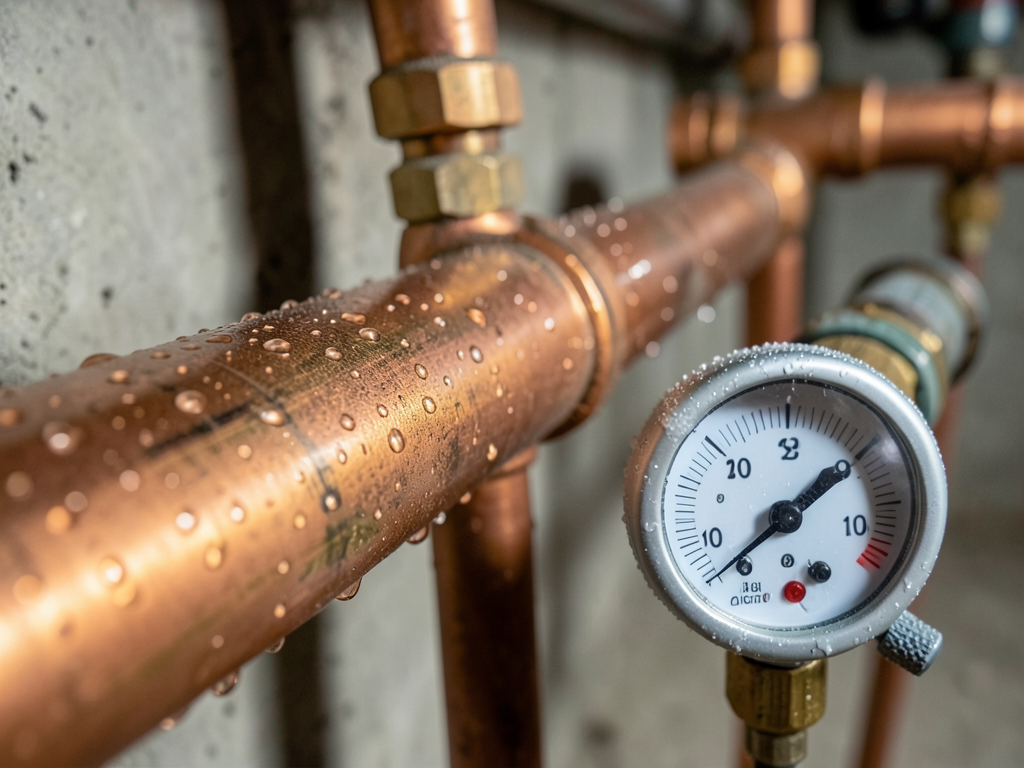


Birmingham receives its municipal water primarily from the Cahaba River and Mulberry Fork watersheds. Both sources contain elevated calcium and magnesium levels that classify the water as moderately hard. This hardness causes mineral scale to accumulate on fill valve diaphragms and flapper seats. Over time, the scale prevents complete sealing. Rubber flappers become brittle and crack. Plastic fill valves jam in the open position. Homeowners in areas with older galvanized supply lines face compounded issues because rust particles mix with mineral deposits and clog the valve inlet screens. Routine flapper replacement every two years is standard in Birmingham, compared to three to four years in softer water regions.
Alabama's 2018 plumbing code adoption brought Birmingham into alignment with national water efficiency standards. Toilets installed after the code update must use no more than 1.28 gallons per flush. Older toilets often use 3.5 to 5 gallons per flush. Running toilet repairs provide an opportunity to upgrade to high-efficiency models that reduce water bills and qualify for rebates through the Birmingham Water Works Board. Fortress Plumbing Birmingham stays current with local code changes and can guide you through compliance requirements for both repairs and replacements.