menu

Grease Trap Cleaning & Pumping in Birmingham | Prevent Shutdowns with Compliant Commercial Service

Keep your Birmingham restaurant or commercial kitchen operational with scheduled grease trap cleanout and interceptor pumping that meets Jefferson County health codes and eliminates backup risks.

Slider Image 1
Slider Image 2
Slider Image 3
Slider Image 4
Slider Image 5
Slider Image 7
Slider Image 8
Slider Image 9
Slider Image 10
Slider Image 11

Birmingham's Restaurant Industry Depends on Compliant Grease Management

Your commercial kitchen generates grease and food solids that collect in interceptors faster than you realize. Birmingham's restaurant district, from downtown to the suburbs along Highway 280, operates under strict Jefferson County health department regulations that mandate regular grease trap service. A single failed inspection means potential fines, operational shutdowns, and damaged reputation in a competitive market.

The problem compounds when you consider Birmingham's aging commercial plumbing infrastructure in older districts like Five Points South and Lakeview. These systems cannot handle grease accumulation without professional commercial grease trap pumping on a consistent schedule. When your interceptor reaches capacity, you risk sewage backups into your kitchen, health code violations, and expensive emergency cleanouts during peak business hours.

Restaurant grease trap service is not optional maintenance. Jefferson County requires proof of regular grease interceptor cleaning for food service permits. Your trap collects fats, oils, and grease before they enter municipal sewer lines. Without scheduled grease trap waste removal, you accumulate solidified material that blocks drain lines, creates foul odors, and attracts pest infestations that trigger immediate health department action.

Birmingham's food service businesses cannot afford reactive approaches. A neglected grease trap cleanout schedule leads to sanitary sewer overflows that violate city ordinances and create liability exposure. You need predictable, code-compliant service that keeps your operation running without interruption.

Birmingham's Restaurant Industry Depends on Compliant Grease Management
How Professional Grease Interceptor Cleaning Protects Your Business

How Professional Grease Interceptor Cleaning Protects Your Business

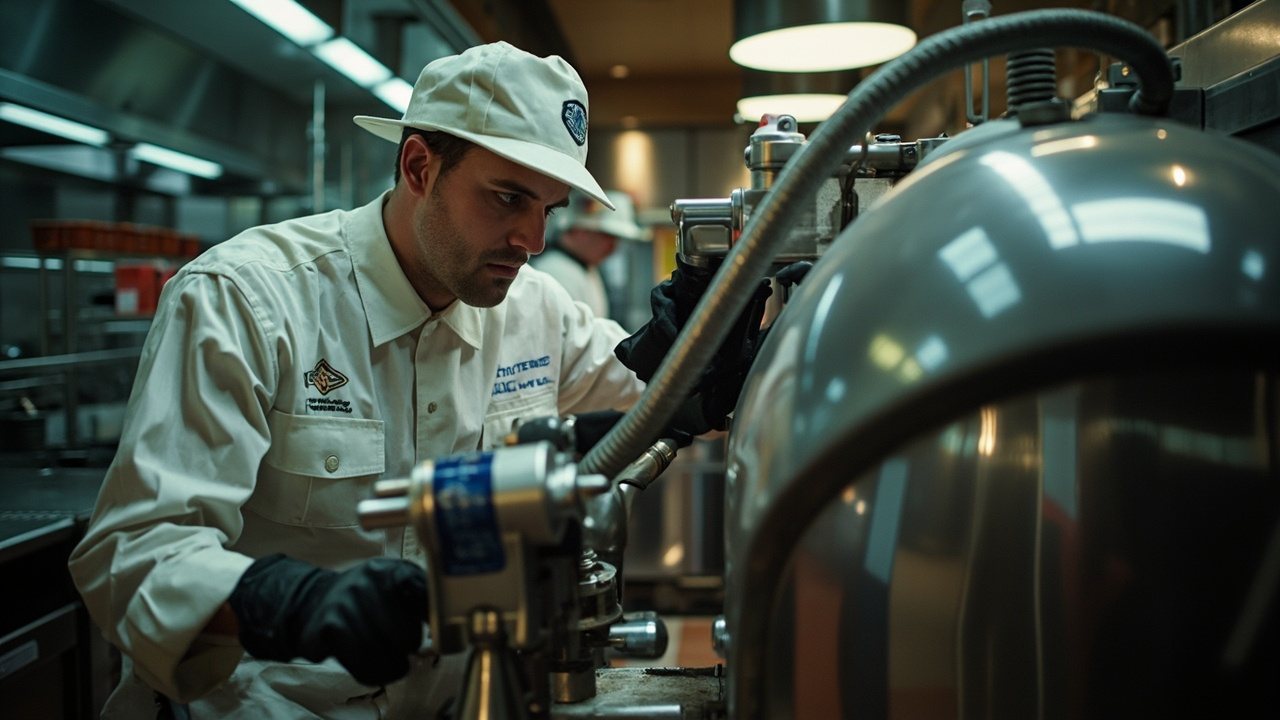
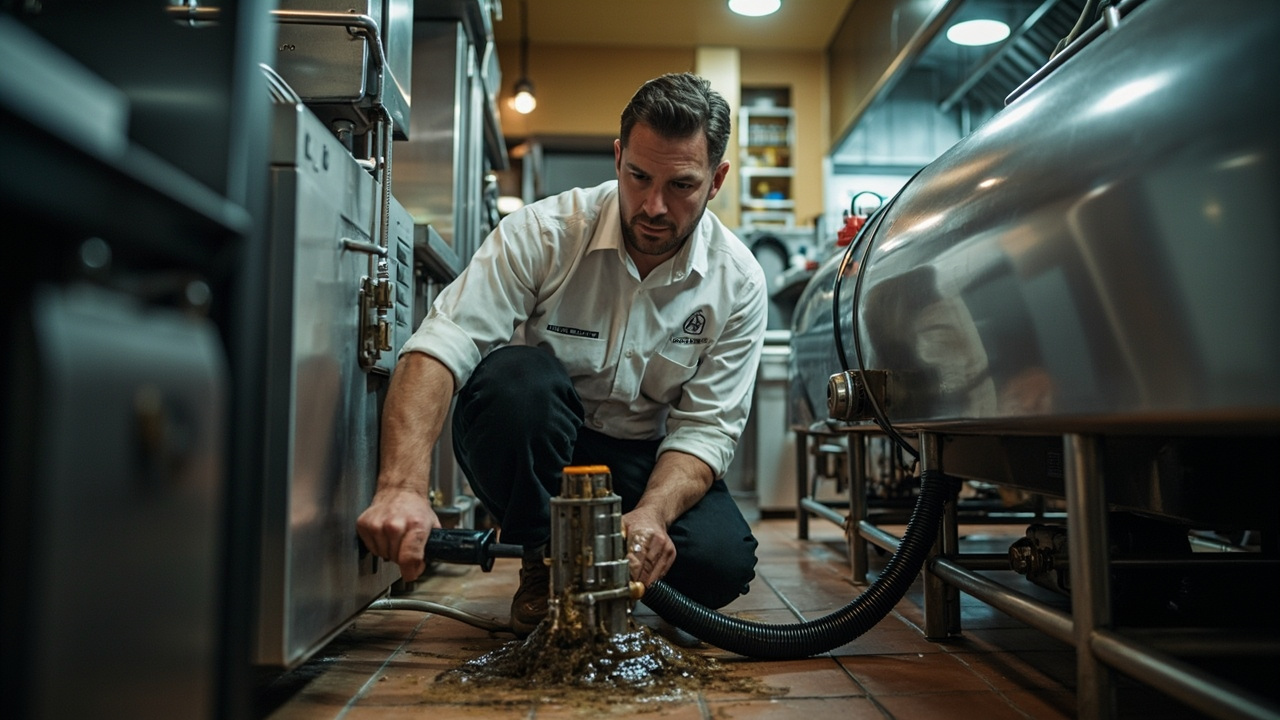
Effective grease trap pumping requires vacuum truck equipment designed for commercial grease waste removal. We pump the entire contents of your interceptor, including floating grease caps, settled solids, and gray water. Surface skimming or partial pumping leaves residual buildup that accelerates future accumulation and provides no compliance benefit.

Our process begins with complete liquid and solid extraction from your grease trap or interceptor. We use high-capacity vacuum systems that remove 100 percent of trap contents, not just the accessible surface layer. After extraction, we pressure wash interior walls and baffles to remove adhered grease films that reduce trap efficiency. This step prevents the formation of hardened grease deposits that decrease holding capacity between service intervals.

We measure and record sludge levels before service to document compliance with the 25 percent rule enforced by Birmingham health inspectors. When your trap reaches 25 percent capacity with fats, oils, grease, and solids combined, you are out of compliance. Our documentation includes gallons removed, date of service, and next recommended service date based on your accumulation rate.

For high-volume kitchens, we calculate service frequency based on actual grease production rather than arbitrary schedules. A busy downtown restaurant generates different waste volumes than a suburban cafe. We assess your specific accumulation patterns and establish a maintenance schedule that prevents capacity issues while avoiding unnecessary service calls. This approach reduces your total cost while maintaining continuous compliance with local regulations that govern restaurant grease trap service throughout Jefferson County.

What Happens During Your Scheduled Service Visit

Grease Trap Cleaning & Pumping in Birmingham | Prevent Shutdowns with Compliant Commercial Service
01

Trap Inspection and Documentation

We begin every service call by measuring current grease and solids accumulation levels in your interceptor. This measurement determines compliance status and confirms service necessity. We photograph trap conditions and record data required for health department documentation. You receive detailed service records that satisfy Jefferson County inspection requirements and prove your maintenance schedule meets regulatory standards.
02

Complete Extraction and Cleaning

Our vacuum truck removes all liquid and solid contents from your grease trap through specialized pumping equipment. We extract floating grease layers, settled food solids, and wastewater to achieve complete cleanout. After extraction, we pressure wash interior surfaces to eliminate adhered grease films on baffles and walls. This thorough cleaning restores full trap capacity and prevents accelerated buildup between service appointments.
03

Disposal and Compliance Reporting

We transport extracted grease waste to licensed disposal facilities that meet Alabama environmental regulations. You receive a detailed service report documenting gallons removed, service date, and next recommended maintenance interval. This documentation provides the proof of service required during health inspections. We maintain digital records of all service history, giving you instant access to compliance documentation when inspectors request verification of your maintenance program.

Why Birmingham Restaurants Trust Fortress Plumbing Birmingham for Grease Management

Commercial kitchens cannot operate on reactive maintenance schedules. You need a grease trap service provider who understands Jefferson County health codes, responds to schedule changes during your slow periods, and arrives with equipment sized for commercial interceptors. Fortress Plumbing Birmingham manages grease trap cleaning for restaurants, hotels, and institutional kitchens throughout the Birmingham metro area.

We understand the specific requirements in Birmingham's municipal code regarding grease interceptor maintenance. Our service documentation satisfies health department inspectors who verify your compliance during routine inspections. We provide the detailed records required to demonstrate regular maintenance, including dates, volumes removed, and disposal certifications. This documentation protects your business license and food service permits.

Our vacuum trucks handle interceptors from 500 to 2,000 gallons, accommodating everything from small cafes to large hotel kitchens. We schedule service during your operational downtime to prevent business interruption. For 24-hour operations, we coordinate access times that minimize impact on kitchen workflow. You receive consistent service from trained technicians who understand commercial plumbing systems and grease trap functionality.

We service the entire Birmingham metro area, including Hoover, Vestavia Hills, Mountain Brook, and Homewood. Your business benefits from scheduled maintenance that prevents emergency situations. A properly maintained grease interceptor eliminates foul odors, prevents drain line backups, and keeps your kitchen in compliance with local sanitary codes. We build service intervals around your actual grease production rates, not generic timelines that either waste money or leave you vulnerable to capacity issues.

What Birmingham Commercial Kitchens Can Expect from Our Service

Flexible Scheduling for Business Continuity

We schedule grease trap pumping during your slow periods or closed hours to prevent operational disruption. Most service calls take 45 to 90 minutes depending on interceptor size and access conditions. We arrive with all necessary equipment and complete the work without requiring kitchen shutdown. For restaurants with limited downtime, we offer early morning and late evening appointments that accommodate your business hours. You maintain normal operations while we handle the maintenance work that keeps you compliant with health department requirements.

Thorough Assessment of System Condition

Every service visit includes inspection of your grease trap components, including inlet and outlet baffles, access covers, and drain connections. We identify structural issues, damaged baffles, or failing gaskets that compromise trap efficiency. You receive immediate notification of any problems that require repair attention. This proactive assessment prevents small issues from becoming expensive emergency repairs. We document trap condition with each service, creating a maintenance history that tracks system performance and helps you plan for eventual replacement needs.

Complete Cleanout and Capacity Restoration

You receive complete grease trap waste removal that restores full holding capacity. We do not perform partial pumping or surface skimming that leaves residual buildup. Our vacuum extraction removes all contents, and pressure washing eliminates adhered grease on interior surfaces. Your interceptor returns to maximum efficiency, extending the time between service appointments. Complete cleanout prevents odor issues, eliminates fruit fly breeding sites, and ensures your trap functions as designed to protect downstream plumbing from grease accumulation.

Compliance Documentation and Service Records

We provide detailed service records that document compliance with Jefferson County grease interceptor regulations. Your records include service dates, volumes removed, disposal certifications, and next recommended maintenance intervals. We maintain digital copies of all service history, giving you instant access to documentation during health inspections. This record-keeping satisfies regulatory requirements and protects your food service permits. We send service reminders before your next scheduled appointment, ensuring you maintain the consistent maintenance schedule required by local health codes.

Frequently Asked Questions

You Have Questions,
We Have Answers

How much does it cost to get your grease trap cleaned? +

Commercial grease trap cleaning costs in Birmingham vary based on trap size, accessibility, and frequency. Smaller traps (20-50 gallons) typically cost less than larger interceptors (500-1,500 gallons). Factors include labor, disposal fees at local treatment facilities, and scheduling frequency. Regular maintenance contracts reduce per-visit costs compared to emergency callouts. Birmingham restaurants should budget based on volume, not flat rates. Request a site evaluation to determine exact pricing. Service providers must transport waste to Jefferson County-approved facilities, which impacts total cost. Monthly or quarterly contracts offer better value than reactive cleanings.

How often should grease traps be pumped? +

Birmingham restaurants should pump grease traps every 30 to 90 days, depending on kitchen volume and local health department requirements. High-volume kitchens need monthly service, while smaller operations may extend to quarterly. Jefferson County regulations require traps to be cleaned before reaching 25% capacity. Fried foods, heavy oils, and high customer turnover increase pumping frequency. Document all services for health inspections. Automated monitoring systems help track fill levels. Adjust schedules seasonally, as Birmingham's summer heat accelerates grease breakdown and odor issues. Compliance prevents fines and operational shutdowns.

How much does it cost to pump out a grease trap? +

Grease trap pumping costs in Birmingham depend on trap capacity, location access, and service frequency. Larger interceptors require vacuum trucks and longer pump-out times, increasing labor costs. Indoor traps cost more than outdoor installations due to access challenges. Disposal fees at Birmingham Water Works Board-approved facilities add to the total. Emergency pumping costs significantly more than scheduled maintenance. Commercial kitchens should negotiate service contracts for predictable budgeting. Pricing includes waste removal, basic cleaning, and disposal documentation. Get written quotes that specify tank size, frequency, and compliance reporting.

What is grease trap pumping? +

Grease trap pumping removes accumulated fats, oils, and grease (FOG) from interceptor tanks before they enter municipal sewer systems. Technicians use vacuum trucks to extract floating grease layers, settled solids, and wastewater. The process prevents blockages that cause backups and environmental violations. Birmingham commercial kitchens must pump traps regularly to comply with Jefferson County discharge limits. Pumping differs from simple skimming, it removes all three layers (grease, water, solids) for complete system reset. Proper pumping extends trap lifespan, prevents odors, and protects your business from sewer authority fines and service interruptions.

Can I clean a grease trap myself? +

You should not clean commercial grease traps yourself. Birmingham health codes require licensed haulers to remove and dispose of grease waste at approved facilities. DIY cleaning violates environmental regulations and voids compliance documentation. Commercial traps contain hazardous waste requiring proper handling, transportation, and manifesting. Improper disposal leads to Jefferson County fines, sewer authority penalties, and potential business closure. Licensed services provide required documentation for health inspections. Self-cleaning also risks injury from confined spaces, heavy lids, and toxic fumes. Professional pumping ensures regulatory compliance, proper waste disposal, and protects your operating license.

What are the signs of a full grease trap? +

Full grease traps show clear warning signs. Slow-draining sinks and floor drains indicate restricted flow. Foul odors in kitchen or dining areas signal decomposing grease. Grease or wastewater backing up through floor drains or sinks means immediate pumping is needed. Birmingham's humidity accelerates odor problems. Visible grease floating near the outlet baffle indicates the trap has exceeded the 25% capacity threshold. Fruit flies or drain flies multiply in full traps. Gurgling sounds from drains suggest blockages forming. Regular inspections prevent these issues. Schedule emergency service immediately if backups occur to avoid health violations.

What happens if you don't clean a grease trap? +

Neglecting grease trap cleaning causes serious operational and financial consequences. Blocked sewer lines force wastewater backups into your kitchen, halting operations. Jefferson County health inspectors issue violations, fines, and closure orders for non-compliance. Overflowing grease damages plumbing systems, requiring expensive repairs. FOG entering Birmingham's municipal sewer system triggers environmental penalties from the sewer authority. Odors drive customers away and create hostile work environments. Grease buildup attracts pests and creates slip hazards. Emergency cleanings cost significantly more than scheduled maintenance. Repeated violations risk losing your food service permit. Regular pumping protects revenue, reputation, and regulatory standing.

Why do Mexicans use onions to clean grills? +

This question does not relate to grease trap cleaning or pumping services. Onion use for grill cleaning is a cooking technique unrelated to commercial grease trap maintenance, regulatory compliance, or waste removal in Birmingham restaurants. Commercial kitchens require professional grease interceptor services to meet Jefferson County health codes. If you need information about proper grease trap maintenance, pumping schedules, or Birmingham compliance requirements, contact licensed service providers. Focus on regulatory grease management protects your business from violations and keeps your kitchen operational.

How long does it take to clean a grease trap? +

Grease trap cleaning typically takes 30 minutes to 2 hours, depending on trap size, location, and condition. Small under-sink traps (20-50 gallons) require minimal time, while large outdoor interceptors (1,000+ gallons) need extended pumping. Access challenges in Birmingham's older restaurant buildings add time. Vacuum truck positioning, lid removal, waste extraction, and basic cleaning make up the process. Severely neglected traps require additional labor. Professional crews schedule during off-peak hours to minimize business disruption. Regular maintenance reduces cleaning time compared to emergency services. Proper scheduling prevents kitchen downtime during peak service hours.

Can a plumber clean a grease trap? +

Licensed plumbers can clean grease traps, but specialized grease haulers provide more comprehensive service. Birmingham regulations require proper waste manifesting and disposal at approved facilities. Plumbers typically handle mechanical repairs, not waste removal and compliance documentation. Grease pumping companies have vacuum trucks, disposal permits, and health department reporting systems. They provide required service records for inspections. Some plumbing companies offer grease services, but verify they hold proper hauling licenses. Choose contractors familiar with Jefferson County requirements. Specialized haulers understand Birmingham's discharge limits and can advise on compliance strategies for your operation.

How Birmingham's Growing Restaurant Scene Demands Reliable Grease Trap Service

Birmingham's restaurant expansion across neighborhoods like Avondale, Pepper Place, and the Parkside District brings increased scrutiny from Jefferson County health inspectors. New food service establishments in repurposed buildings often inherit undersized grease interceptors that require more frequent commercial grease trap pumping than standard schedules recommend. The city's focus on culinary tourism and the growing number of high-volume kitchens means compliance violations receive immediate attention and can damage your reputation in a tight-knit food service community.

Birmingham restaurants benefit from working with local grease management providers who understand Jefferson County's specific documentation requirements and inspector expectations. We know which health department officials oversee different districts and what they look for during inspections. Our service trucks navigate Birmingham's varied commercial areas, from tight downtown alleys to sprawling suburban strip centers. This local knowledge ensures reliable service access regardless of your location or facility constraints.
Plumbing Services in The Birmingham Area

Our dedicated service area extends throughout the Birmingham region, and we are committed to serving our local community with fast and reliable plumbing solutions. You can locate our main office here on the map, but remember, our certified plumbers are always on the move, ready to come to you! Whether you're in the city center or a surrounding suburb, we are prepared to deliver expert service right to your doorstep.

Address:
Fortress Plumbing Birmingham, 4500 5th Ave S, Birmingham, AL, 35222

Additional Services We Offer

Our news updates

Latest Articles & News from The Blogs

Is Your Damp Clay Basement Caused by a Plumbing Leak or Just High Humidity Finding water in your basement can…

Is Your Damp Clay Basement Caused by a Plumbing Leak or Just High Humidity

Is Your Damp Clay Basement Caused by a Plumbing Leak or Just High Humidity Finding water in your basement can…

Why Your Liberty Park Home Runs Out of Hot Water Faster Than It Used To

Why Your Liberty Park Home Runs Out of Hot Water Faster Than It Used To Your Liberty Park home deserves…

Managing the Auto Fill and Overflow Drainage for Your Luxury Pool in Shoal Creek

Managing the Auto Fill and Overflow Drainage for Your Luxury Pool in Shoal Creek Living in the exclusive Shoal Creek…

Contact Us

Protect your Birmingham restaurant from health code violations and operational shutdowns. Call Fortress Plumbing Birmingham at (659) 234-8600 to establish a compliant grease interceptor cleaning schedule. We provide the documentation and reliable service your commercial kitchen requires.