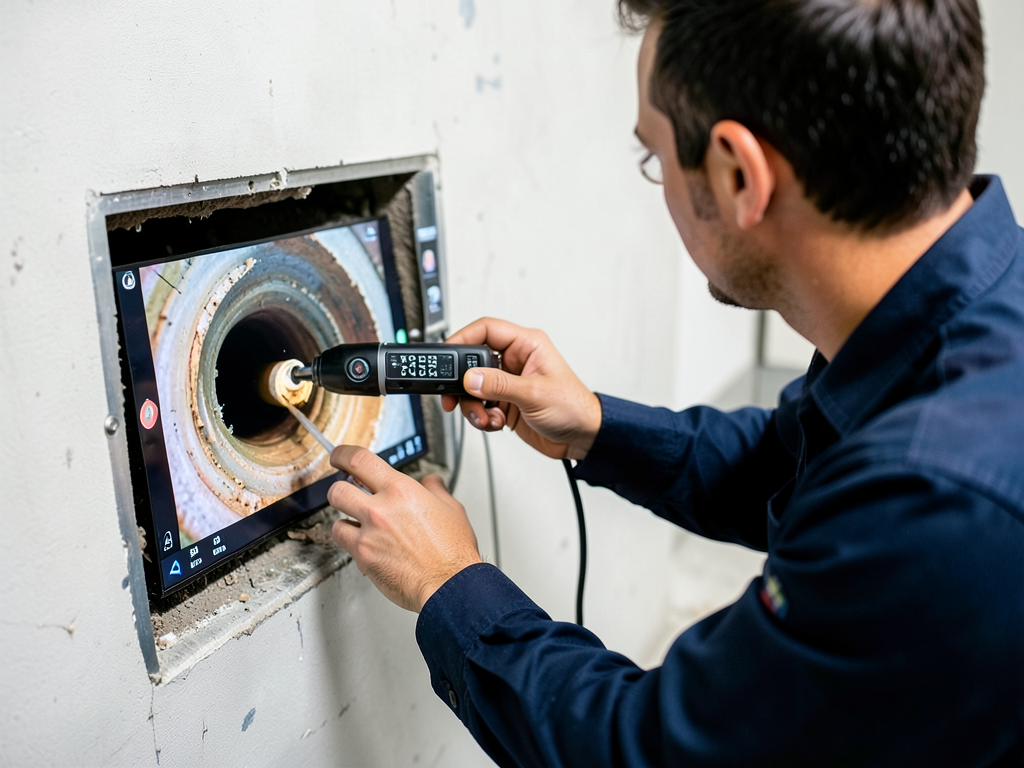





Birmingham's municipal water averages 8 to 12 grains of hardness, placing it in the moderately hard category. This mineral content gradually builds scale inside tankless heat exchangers, reducing their ability to instantly heat incoming water. The delay between ignition and full temperature output lengthens as scale accumulates, making the cold water sandwich effect worse over time. Homes in Vestavia Hills and Homewood, which receive water from different treatment plants, sometimes experience slightly different hardness levels that affect tankless performance differently. The city's aging water infrastructure also means pressure fluctuations during peak usage hours, which can trigger unexpected cold bursts when the tankless unit struggles to maintain flow rate through a partially scaled heat exchanger.
Birmingham's split between historic neighborhoods and suburban developments creates distinct plumbing challenges for tankless installations. Homes in Crestwood and Redmont Park often have basements where tankless units install close to bathrooms, minimizing pipe runs and reducing cold water sandwich severity. Newer homes in Greystone and Lake Cyrus typically have units in garages or outdoor alcoves, creating 50 to 80 foot pipe runs to master bathrooms. Local plumbers familiar with Birmingham's housing stock understand these layout patterns and design solutions accordingly. We have worked on homes across every Birmingham neighborhood and understand how construction era and architectural style affect hot water distribution efficiency.