
menu

Water Heater Maintenance Tips in Birmingham | Prevent Costly Failures Before They Happen

Learn the exact hot water heater upkeep steps that protect Birmingham homes from sediment buildup, pressure valve failure, and premature tank corrosion in our hard water environment.

Slider Image 1
Slider Image 2
Slider Image 3
Slider Image 4
Slider Image 5
Slider Image 7
Slider Image 8
Slider Image 9
Slider Image 10
Slider Image 11

Why Birmingham Water Heaters Need More Attention Than You Think

Birmingham's municipal water supply carries a higher mineral content than many homeowners realize. The limestone bedrock throughout Jefferson County means your hot water tank accumulates sediment faster than units in soft water regions. This mineral buildup settles at the tank bottom, creating an insulating layer that forces your heating element to work harder and longer. The result? Higher energy bills and a water heater that fails years before its expected lifespan.

The second challenge is pressure. Alabama's temperature swings between summer highs in the 90s and winter lows near freezing create expansion and contraction cycles inside your tank. Without proper preventative water heater maintenance, the temperature and pressure relief valve can corrode or stick, turning your water heater into a potential safety hazard.

Most Birmingham residents never think about their water heater until they wake up to cold showers or find water pooling around the unit. By then, you are looking at emergency replacement costs instead of simple maintenance expenses. A water heater care checklist takes 30 minutes twice a year and can add five years to your tank's life. The sediment that builds up in Birmingham water heaters is not just an efficiency problem. It creates hot spots on the tank floor that weaken the steel and lead to leaks.

Your water heater maintenance schedule should account for local water conditions. What works in other cities does not address the specific mineral composition Birmingham homes deal with daily.

Why Birmingham Water Heaters Need More Attention Than You Think
The Five Maintenance Tasks That Actually Matter

The Five Maintenance Tasks That Actually Matter

Effective hot water tank maintenance focuses on five core tasks, not the 15-item lists you find online that no one actually completes.

First is sediment flushing. You need to drain 3-5 gallons from the drain valve at the tank base every six months. This removes the calcium carbonate and magnesium deposits before they harden into rock-like chunks. In Birmingham water, this sediment can accumulate to 2-3 inches in just 18 months.

Second is temperature and pressure relief valve testing. This valve opens automatically if pressure exceeds 150 PSI or temperature hits 210 degrees. You test it by lifting the lever and confirming water flows freely, then stops completely when released. A valve that drips after testing needs immediate replacement.

Third is anode rod inspection. This sacrificial metal rod attracts corrosive elements that would otherwise attack your tank lining. In hard water environments, anode rods deteriorate in 3-4 years instead of the 5-6 years manufacturers claim. You need to check it annually after year three.

Fourth is temperature adjustment. Most water heaters ship set at 140 degrees, but 120 degrees provides adequate hot water while reducing mineral precipitation and energy consumption by 6-10 percent.

Fifth is visual inspection of the tank exterior, pipe connections, and floor area. Look for rust stains, moisture, or white calcium deposits at connection points. These early warning signs let you address small issues before they become flooding emergencies.

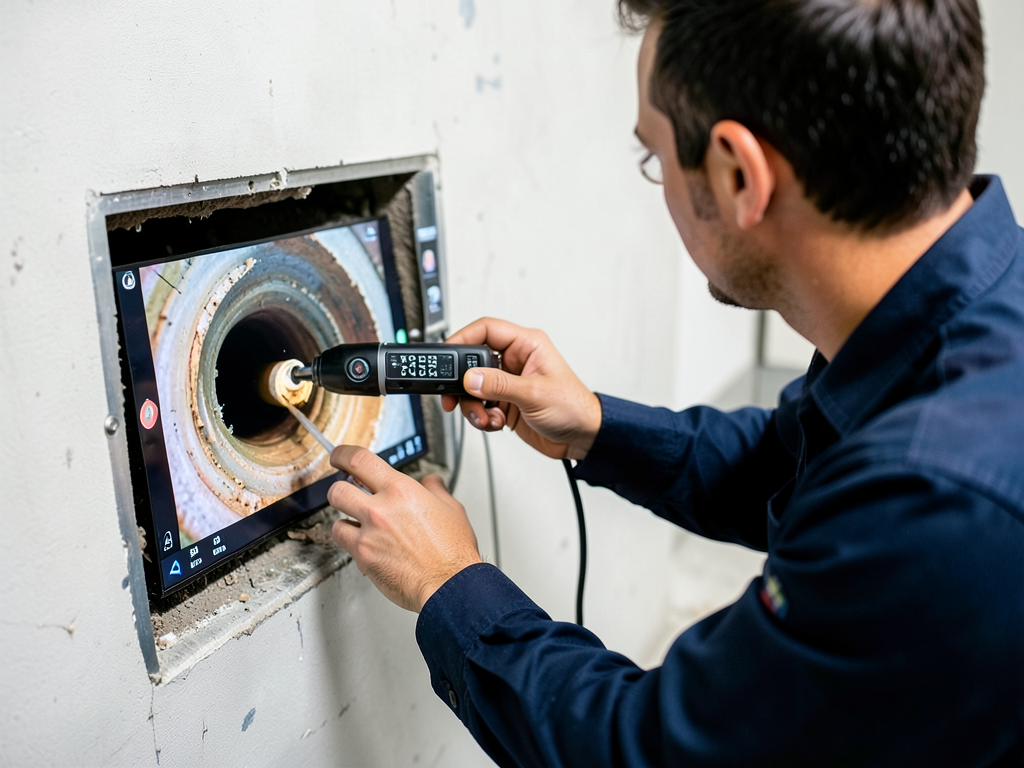
Fortress Plumbing Birmingham performs these checks as part of our comprehensive maintenance service, documenting findings with photos so you know exactly what is happening inside your system.

What Happens During a Professional Maintenance Visit

Water Heater Maintenance Tips in Birmingham | Prevent Costly Failures Before They Happen
01

System Assessment and Documentation

We start by recording your water heater's age, manufacturer, capacity, and fuel type. We photograph the installation, noting any code violations or safety concerns. We check clearance requirements, venting configuration for gas units, and electrical connections for electric models. We test your water pressure at the nearest fixture, as Birmingham's municipal pressure often exceeds the 80 PSI maximum recommended for residential water heaters. We document the current temperature setting and measure actual output temperature at a tap.
02

Sediment Removal and Component Testing

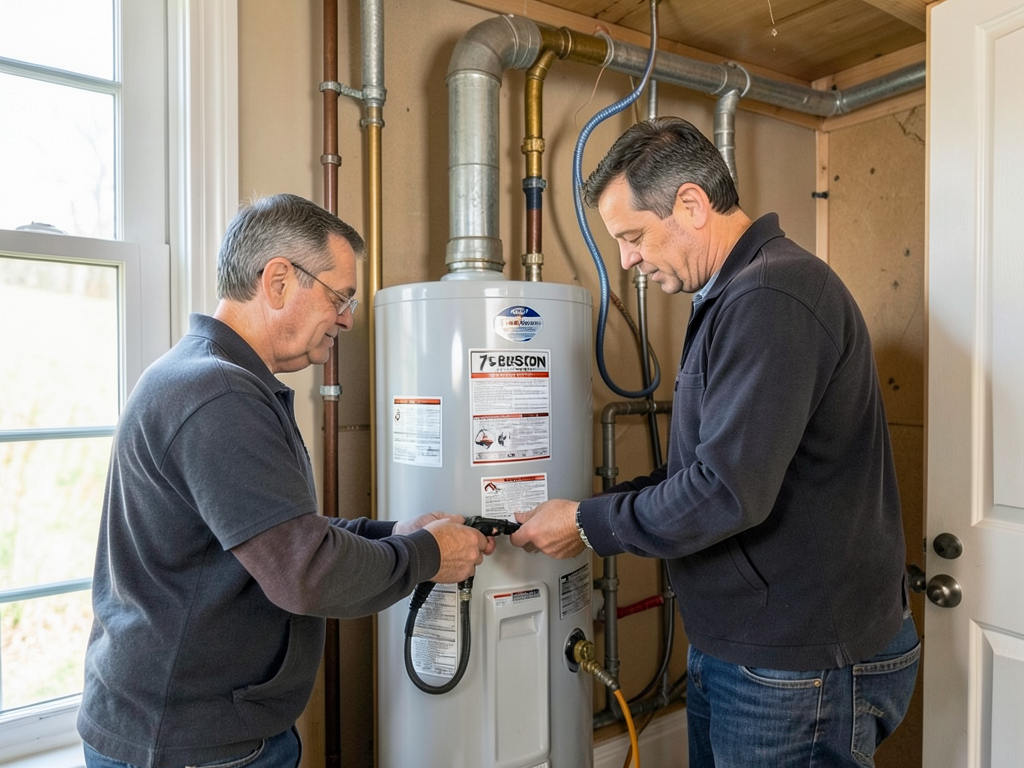
We attach a hose to the drain valve and flush the tank until the water runs clear, typically 15-20 gallons for Birmingham installations. We test the temperature and pressure relief valve, inspecting the discharge tube for proper termination. For units over three years old, we remove and inspect the anode rod, measuring remaining diameter to determine replacement needs. We check the dip tube that directs cold water to the tank bottom, as deteriorated tubes reduce efficiency.
03

Calibration and Performance Verification

We adjust the thermostat to the optimal 120-degree setting unless you have specific needs requiring higher temperatures. We verify proper burner operation on gas units, checking for yellow flames that indicate incomplete combustion. We test the high-limit switch on electric models. We provide a written maintenance report with photos, noting the condition of all components and recommending a timeline for future service based on your water heater's current state and Birmingham's water characteristics.

Why Birmingham Homeowners Trust Local Expertise

Water heater maintenance is not a one-size-fits-all service. The mineral content in Birmingham's water supply requires different maintenance intervals and techniques than homes in other regions. We understand that homes in Homewood and Mountain Brook often have older water heaters in tight mechanical closets that require specific tools and approaches for proper service. Homes in newer developments like Greystone often have tankless systems that need descaling more frequently due to our hard water.

The 2021 Alabama Residential Code updated requirements for water heater installations, including seismic strapping specifications and combustion air provisions. Many older Birmingham homes have water heaters installed before these updates. During maintenance visits, we identify these legacy installations and explain what would be required to bring them into current compliance should you need replacement.

We have worked on water heaters in historic homes throughout Forest Park and Redmont Park, where original plumbing configurations present unique challenges. These older systems often have galvanized supply pipes that accelerate anode rod depletion and increase sediment issues. We adjust our maintenance approach based on your home's specific plumbing infrastructure.

Fortress Plumbing Birmingham maintains relationships with all major water heater manufacturers, giving us access to technical bulletins and part supersession information that generic handyman services never see. When we identify a failing component during maintenance, we know which replacement parts actually address the problem rather than installing the same flawed part that will fail again.

Our technicians receive ongoing training on both traditional tank systems and newer heat pump hybrid models that are becoming common in Birmingham's energy-conscious neighborhoods. We maintain proper diagnostic equipment, including combustion analyzers for gas units and amp meters for electric models.

What to Expect from Professional Water Heater Maintenance

Service Timeline and Scheduling

A complete water heater maintenance visit takes 45-60 minutes for standard tank units and 60-90 minutes for tankless systems that require descaling. We schedule appointments in 2-hour windows to account for unexpected findings that may need attention. We offer evening and weekend appointments for Birmingham residents who cannot accommodate daytime service. Most homeowners benefit from biannual maintenance visits scheduled in spring and fall, before seasonal demand peaks stress your system. We send reminder notifications 30 days before your next scheduled service, making it easy to maintain consistent preventative care.

Comprehensive System Evaluation

Our maintenance service goes beyond basic flushing. We perform a 23-point inspection covering safety components, efficiency factors, and wear indicators. We test water temperature at multiple fixtures to identify stratification issues. We check gas connections with leak detection solution on gas units and measure voltage and amperage on electric models. We inspect the vent system on atmospheric draft water heaters, looking for rust, disconnected sections, or improper pitch that could allow backdrafting. We photograph any concerns and explain findings in plain language, showing you exactly what we see and why it matters for your system's longevity.

Documentation and Performance Results

You receive a detailed service report with before and after photos showing the sediment removed from your tank and the condition of all tested components. We document the anode rod's remaining life, typically rating it as good, fair, or needs replacement. We provide water temperature readings showing your system is delivering safe, consistent heat. We note any safety concerns requiring immediate attention versus items to monitor for future service. This documentation creates a maintenance history that helps identify patterns if problems develop and proves valuable if you sell your home, showing buyers the system received professional care.

Preventative Care Recommendations

Based on our findings, we provide specific recommendations for your system and Birmingham's water conditions. This might include adjusting your maintenance interval if your water shows unusually high mineral content, or suggesting expansion tank installation if pressure readings exceed safe levels. We explain the expected remaining life of consumable components like anode rods so you can budget for replacements before failure occurs. We offer maintenance plans that lock in current pricing and guarantee priority scheduling, ensuring your water heater receives consistent care without the hassle of remembering to schedule appointments.

Frequently Asked Questions

You Have Questions,
We Have Answers

What maintenance needs to be done on a water heater? +

Your water heater needs three main tasks to stay efficient. First, flush the tank yearly to remove sediment buildup from Birmingham's mineral-heavy water supply. Second, test the temperature and pressure relief valve every six months to ensure it releases properly. Third, inspect the anode rod every two to three years and replace it when corroded. For gas units, check the burner flame annually. It should burn blue, not yellow. Electric units require less attention, but you should still check heating elements for corrosion. Regular maintenance extends your unit's life and prevents sudden failures during cold snaps.

What happens if you don't flush your water heater? +

Skipping flushes allows sediment to harden at the tank bottom, especially problematic with Birmingham's hard water. This sediment layer insulates water from the heating element or burner, forcing your unit to work harder and spiking energy bills. You will hear popping or rumbling sounds as water tries to bubble through the sediment. The buildup accelerates corrosion, creating leaks and shortening tank life by years. In severe cases, sediment blocks the drain valve completely, making future flushes impossible. The tank overheats, the relief valve fails prematurely, and you face a full replacement instead of simple maintenance.

How often should I flush a water heater? +

Flush your water heater once per year in Birmingham. Our municipal water contains minerals that settle faster than in softer water regions. If you notice sediment in your hot water taps, sandy particles in your bathtub, or rumbling noises from the tank, flush it immediately regardless of schedule. Homes with well water should flush every six months due to higher mineral content. Larger households that use more hot water may also need more frequent flushing. Mark your calendar each spring or fall to keep it consistent. Regular flushing prevents the sediment from hardening into a cement-like layer.

Can I do water heater maintenance myself? +

You can handle basic tasks like testing the temperature and pressure relief valve or adjusting the thermostat. Flushing requires some DIY skill but is manageable if you follow safety steps. Turn off power or gas, shut the water supply, attach a garden hose, and drain until water runs clear. However, anode rod replacement needs specialized tools and knowledge of your specific model. Gas burner inspection requires understanding combustion safety. If you smell gas, see rust-colored water, or hear loud banging, call a licensed plumber. Mistakes can flood your home or create dangerous pressure buildup.

Can I flush my hot water heater myself? +

Yes, but prepare properly. Turn off the power at the breaker for electric units or set gas units to pilot mode. Close the cold water inlet valve and open a hot water faucet upstairs to break the vacuum. Attach a garden hose to the drain valve and run it outside or to a floor drain. Open the drain valve and let the tank empty. If water stops flowing but the tank is not empty, sediment is blocking the valve. You may need to open the pressure relief valve or break up blockages with a screwdriver. Refill the tank completely before restoring power.

What is the average cost to flush a water heater? +

Expect to pay between 80 and 150 dollars for a professional flush in the Birmingham area. The price varies based on tank size, accessibility, and how much sediment has accumulated. If your unit has not been flushed in years, the job takes longer and costs more because sediment may block the drain valve. Some plumbers include a full inspection with the flush, checking the anode rod and relief valve for the same price. DIY flushing costs nothing beyond your time and a garden hose. Factor in potential repair costs if you make mistakes during a DIY attempt.

Should I flush a 20 year old water heater? +

Flushing a 20-year-old unit is risky. Sediment has likely cemented to the tank bottom, and disturbing it can dislodge rust flakes that clog the drain valve or damage internal components. The sudden pressure change from draining can crack weakened tank welds or gaskets, causing immediate leaks. If you have never flushed this unit, the drain valve itself may be rusted shut. At this age, plan for replacement instead. Most tanks last 10 to 15 years in Birmingham due to our water chemistry. Inspect for rust stains, leaks, or reduced hot water capacity as replacement signs.

How much does a plumber charge to flush it? +

Plumbers in Birmingham charge 80 to 150 dollars for a standard flush, depending on tank size and condition. The job takes 30 to 60 minutes for a well-maintained unit. If sediment has hardened or the drain valve is blocked, expect higher costs due to extra labor. Some companies offer flat-rate pricing, while others charge hourly. A flush combined with an annual inspection typically costs 120 to 180 dollars. Ask if the service includes testing the pressure relief valve and inspecting the anode rod. Get quotes from multiple licensed plumbers to compare pricing and services included.

Is flushing the same as draining? +

Flushing and draining are different processes. Draining means emptying the tank completely through the drain valve, often for repairs or replacement. Flushing means running water through the tank while the drain valve is open to force sediment out. You drain first, then flush by briefly opening the cold water inlet while the drain stays open. The incoming water stirs up settled sediment and pushes it out the hose. Repeat until the water runs clear. Draining alone removes water but leaves sediment stuck to the tank bottom, doing nothing to improve efficiency or extend tank life.

Is it better to flush or drain your water heater? +

Flushing is better than draining alone. Draining empties the tank but leaves sediment layers stuck to the bottom. Flushing uses incoming water pressure to agitate and remove that sediment. The process requires draining first, then opening the cold water inlet valve in short bursts while the drain valve stays open. This creates turbulence that dislodges mineral deposits and forces them out through the hose. You repeat until the discharge water runs clear. For Birmingham's hard water, flushing is the only way to protect your heating elements and maintain energy efficiency. Draining without flushing wastes your effort.

How Birmingham's Hard Water Changes Your Maintenance Requirements

Birmingham's water hardness ranges from 120-180 parts per million, classified as hard to very hard by water quality standards. This mineral concentration means sediment accumulates 40-60 percent faster than in soft water regions. The calcium carbonate that precipitates from heated water forms a concrete-like layer that standard drain valves cannot remove once it hardens. This is why Birmingham water heaters benefit from professional flushing using high-volume pumps and specialized flush kits that break up compacted sediment. Homes supplied by Birmingham Water Works serving areas from Trussville to Bessemer all experience this accelerated buildup, making preventative water heater maintenance more critical than in other markets.

Jefferson County enforces the Alabama Residential Code with local amendments that affect water heater installations throughout Birmingham's 99 neighborhoods. Homes built before 2000 often lack the earthquake straps, drain pan, and dedicated shutoff valve now required for replacement installations. During maintenance visits, we identify these outdated configurations and help homeowners understand their options. Our familiarity with local inspection requirements prevents the surprise costs and delays that occur when unlicensed providers attempt repairs without understanding Birmingham's specific code requirements. We work daily with inspectors from Birmingham, Hoover, Vestavia Hills, and Mountain Brook, building the professional relationships that ensure smooth permit processes when repairs escalate to replacements.
Plumbing Services in The Birmingham Area

Our dedicated service area extends throughout the Birmingham region, and we are committed to serving our local community with fast and reliable plumbing solutions. You can locate our main office here on the map, but remember, our certified plumbers are always on the move, ready to come to you! Whether you're in the city center or a surrounding suburb, we are prepared to deliver expert service right to your doorstep.

Address:
Fortress Plumbing Birmingham, 4500 5th Ave S, Birmingham, AL, 35222

Additional Services We Offer

Our news updates

Latest Articles & News from The Blogs

Lorem ipsum dolor sit amet. Aut expedita quaerat quo eligendi numquam et laudantium perspiciatis qui minima expedita rem consequatur ducimus.…

Test Blog 4

Lorem ipsum dolor sit amet. Aut expedita quaerat quo eligendi numquam et laudantium perspiciatis qui minima expedita rem consequatur ducimus.…

Test Blog 3

Lorem ipsum dolor sit amet. Aut expedita quaerat quo eligendi numquam et laudantium perspiciatis qui minima expedita rem consequatur ducimus.…

Test Blog 2

Lorem ipsum dolor sit amet. Aut expedita quaerat quo eligendi numquam et laudantium perspiciatis qui minima expedita rem consequatur ducimus.…

Contact Us

Protect your investment and avoid emergency replacements by scheduling preventative maintenance now. Call Fortress Plumbing Birmingham at (659) 234-8600 to book your comprehensive water heater inspection and service. Same-week appointments available throughout Jefferson County.