
Maintaining the Unique Plumbing in Historic Forest Park Homes With Steam Radiators
Forest Park’s historic homes built between 1905 and 1940 feature plumbing systems that require specialized knowledge and careful maintenance. The neighborhood’s early 20th-century construction includes galvanized steel supply lines, cast iron drain stacks, and lead-soldered joints that present unique challenges for modern homeowners. Steam radiator heating systems add another layer of complexity, requiring proper pressure regulation and trap maintenance to prevent water hammer and inefficient heating. Plumbing Mountain Brook.
The Birmingham area’s red clay soil and iron-rich groundwater accelerate corrosion in older metal pipes, while the neighborhood’s mature tree canopy creates ongoing sewer line root intrusion risks. Understanding these specific vulnerabilities helps homeowners protect their investment and maintain the historic character of their Forest Park property. Birmingham Water Works Board.
The Unique Plumbing Landscape of Forest Park
Forest Park homes represent Birmingham’s architectural heritage, with most properties constructed during the city’s early industrial boom. These residences typically feature 1.5-inch galvanized steel supply lines that corrode from the inside out, creating restricted flow and eventual pinhole leaks. The cast iron drain stacks use bell-and-spigot joints sealed with oakum and lead, a construction method that becomes brittle over decades.
Steam radiator systems in these homes operate at lower pressures than modern hot water systems, typically 2-5 PSI compared to 12-25 PSI for forced hot water. This lower pressure reduces stress on aging pipes but requires precise air vent and trap function to maintain efficiency. The original radiator valves often use compression fittings that need periodic repacking to prevent steam leaks. EPA lead in drinking water information.
Forest Park’s proximity to Red Mountain affects plumbing performance through mineral content in the water supply. Birmingham Water Works reports average hardness levels of 5-7 grains per gallon in this area, which accelerates scale buildup in older pipes and reduces radiator efficiency over time.
Top 4 Plumbing Challenges in Historic Birmingham Residences
Galvanized steel pipes corrode from the inside out, creating a progressive narrowing of the water channel. A 1-inch pipe can lose half its capacity before external rust becomes visible. The corrosion process creates hydrogen sulfide gas, producing a rotten egg smell when hot water runs through severely corroded sections. Hydro Jetting Services.
Cast iron sewer lines in Forest Park homes often use terracotta lateral connections that crack under soil movement. Jefferson County environmental services mandates replacement of any lead joints discovered during repairs, requiring careful excavation to avoid damaging surrounding historic landscaping.
Steam radiator systems develop air locks when automatic vents fail, creating cold spots and banging noises. The Hartford Loop configuration used in many Forest Park homes prevents water from being siphoned from the boiler during pressure drops, but requires proper trap function to maintain system balance.
Lead solder joints in supply lines pose health risks, particularly in homes with soft water that leaches lead more readily. Birmingham Water Works recommends testing for lead in homes built before 1986, with Forest Park’s older housing stock making this especially relevant for local residents.
Preventative Maintenance Checklist for Period Homes
- Annual Pressure Testing
Test water pressure at multiple fixtures using a gauge. Historic homes should maintain 40-60 PSI to prevent pipe stress. Pressure above 80 PSI indicates a failing pressure reducing valve that needs replacement.
- Drain Line Inspection
Schedule video inspection of main sewer line every 3-5 years. Look for root intrusion, joint separation, and pipe deformation. Forest Park’s mature trees make this especially critical for preventing sewage backups.
- Radiator System Tune-up
Check air vents for proper operation by feeling for heat at the vent during system warm-up. Replace any vents that remain cold while radiators heat. Test steam traps by feeling supply and return pipes for temperature differential.
- Valve Exercise
Turn all shut-off valves fully open and closed twice yearly to prevent seizing. Pay special attention to radiator supply valves, which often become stuck in position and cannot be adjusted when needed.
Preserving Vintage Fixtures vs. Modern Upgrades
Original clawfoot tubs and pedestal sinks in Forest Park homes feature porcelain over cast iron construction that can last 100+ years with proper care. The fixtures typically use 1.25-inch waste connections, smaller than modern 1.5-inch standards, requiring careful selection of replacement parts to maintain historic accuracy.
Steam radiator valves from the 1920s-1940s often use brass construction with compression fittings that can be rebuilt rather than replaced. The original valves feature finer thread pitches than modern equivalents, making direct replacement difficult without modification to the radiator supply pipe.
Modern PEX supply lines cannot be directly connected to existing galvanized steel without creating galvanic corrosion. A dielectric union with proper grounding is required when upgrading sections of supply piping to prevent accelerated deterioration at connection points.
Water hammer arrestors installed near steam radiator supply valves reduce pipe vibration and extend the life of older fittings. The devices absorb pressure spikes when radiator vents close, preventing the characteristic banging that disturbs historic home occupants.
Birmingham Building Codes and Historic Preservation
Jefferson County requires permits for any plumbing work affecting the main water service line or sewer lateral in Forest Park’s historic district. The Alabama Plumbers and Gas Fitters Examining Board mandates that all work meet current IPC standards, even when preserving historic features.
Exterior plumbing modifications visible from public rights-of-way require approval from the Birmingham Historic Preservation Committee. This includes vent pipe relocations, new cleanout installations, and any work affecting the home’s facade or historic character.
Lead service line replacement must follow EPA guidelines for safe removal and disposal. Birmingham Water Works offers partial funding programs for lead line replacement in qualifying historic districts, making upgrades more accessible for Forest Park homeowners.
Steam heating systems must maintain proper pressure relief valve function to prevent over-pressurization. The Alabama State Board of Heating, Air Conditioning and Refrigeration Contractors requires annual inspection of pressure relief devices on all steam boilers, with documentation maintained for code compliance.
Emergency Response for Historic Plumbing Failures
Burst galvanized steel pipes in Forest Park homes typically fail at threaded joints or where corrosion creates thin spots. The failure often occurs during temperature swings when pipe expansion creates stress on already weakened sections. Immediate shut-off at the main valve prevents extensive water damage to historic hardwood floors and plaster walls.
Sewer line backups in older homes create immediate health hazards through contamination of living spaces. The bell-and-spigot joints in cast iron stacks can separate under pressure, releasing sewage into wall cavities. Emergency response requires containment and proper personal protective equipment due to potential exposure to pathogens.
Steam radiator leaks at valve packing glands create moisture damage to surrounding woodwork and plaster. The high temperature of escaping steam can cause immediate burns and accelerate corrosion of nearby metal components. Shutting down the boiler and allowing the system to cool before repairs prevents additional damage.
Water heater failures in historic homes often result from sediment buildup in the tank bottom. The sediment creates hot spots that accelerate tank deterioration, particularly in areas with Birmingham’s mineral-rich water. Annual flushing extends tank life and prevents premature failure of the heating elements.
Cost-Effective Solutions for Historic Home Plumbing
Trenchless sewer line replacement preserves mature landscaping while addressing failed clay or cast iron laterals. The process involves creating access points at the home’s foundation and the sewer main, then pulling a new pipe through the existing path. This method costs 30-40% more than traditional excavation but saves thousands in landscape restoration.
Epoxy pipe lining provides an alternative to complete pipe replacement for supply lines. The process involves cleaning the existing pipe interior, then coating it with epoxy resin that cures to form a new pipe within the old one. This solution works well for galvanized steel lines with localized corrosion but intact structural integrity.
Steam radiator system balancing through vent adjustment improves heating efficiency without major system modifications. Properly sized and positioned air vents ensure even heat distribution across all radiators, reducing fuel consumption and extending boiler life. This low-cost solution addresses comfort issues in many Forest Park homes.
Water pressure regulation prevents pipe failures while maintaining adequate flow for modern fixtures. Installing a pressure reducing valve with a strainer protects the entire plumbing system from pressure spikes that occur during municipal supply line maintenance or fire hydrant use.
Seasonal Considerations for Forest Park Plumbing
Winter freeze protection becomes critical for Forest Park homes with pier-and-beam foundations or crawl spaces. The area’s occasional hard freezes can burst pipes in unheated spaces, particularly those with poor insulation or drafts from deteriorated foundation vents. Heat tape installation on vulnerable supply lines prevents freeze damage during cold snaps.
Spring rainfall creates hydrostatic pressure against foundation walls, forcing water through cracks in basement floors and walls. The clay soil common in Forest Park expands when saturated, creating pressure that can crack cast iron drain stacks and separate lead joints. Proper grading and French drain installation mitigates these risks.
Summer humidity accelerates corrosion in older metal pipes, particularly in homes with poor ventilation. The combination of warm, moist air and cool water supply lines creates condensation that drips onto structural elements, promoting rot in historic wood framing. Dehumidification in crawl spaces and basements extends pipe life.
Fall leaf drop can clog gutter systems, causing overflow that saturates soil around foundation drains. The resulting soil movement affects underground plumbing connections, particularly at the transition from vertical to horizontal piping. Gutter maintenance prevents water damage that leads to foundation shifts affecting plumbing integrity.
Finding Qualified Historic Home Plumbing Specialists
Historic home plumbing requires contractors familiar with early 20th-century construction methods and materials. The specialized knowledge includes understanding steam heating systems, working with lead joints safely, and preserving original fixtures while upgrading functionality. General plumbers often lack this expertise, leading to improper repairs that damage historic features.
Certification through the National Association of Home Builders’ Certified Aging-in-Place Specialist program indicates familiarity with older home systems. While not specific to historic preservation, this training covers the unique challenges of maintaining and upgrading aging infrastructure while respecting the home’s character.
Local references from Forest Park homeowners provide valuable insight into a contractor’s experience with similar properties. Ask for examples of previous work on steam heating systems, lead joint repairs, and fixture preservation. A qualified specialist should readily provide this information and explain their approach to historic preservation.
Insurance coverage for historic home work should include errors and omissions protection specific to preservation work. Standard plumbing policies may not cover damage to irreplaceable historic features, making specialized coverage essential for contractors working in Forest Park’s historic district.
Future-Proofing Your Historic Home’s Plumbing
Smart water monitoring systems provide early leak detection in historic homes where damage can be extensive before discovery. These systems use flow sensors and moisture detectors to alert homeowners to abnormal water usage or moisture accumulation, preventing the catastrophic failures common in older plumbing systems. Advanced Leak Detection Services for Historic Homes in Forest Park.
Water quality improvement through whole-house filtration protects aging pipes from mineral buildup and corrosion. Birmingham’s water supply contains iron and manganese that accelerate deterioration in older metal pipes. Filtration extends pipe life while improving water taste and reducing staining on historic fixtures.
Energy efficiency upgrades for steam heating systems include programmable thermostats and zone control valves. These improvements reduce fuel consumption while maintaining the historic character of the radiators and piping. Modern controls can often be integrated without visible modifications to the historic system.
Documentation of existing plumbing conditions creates a valuable reference for future maintenance and repairs. Photographs, system diagrams, and material specifications help subsequent owners understand the home’s unique plumbing features and avoid inadvertent damage during renovations or repairs.
Frequently Asked Questions
How can I tell if my Forest Park home has lead water supply lines?
Homes built before 1940 in Forest Park likely have lead supply lines or lead-soldered joints. The pipes appear dull gray, can be scratched with a screwdriver, and leave a shiny mark when scratched. Professional testing provides definitive results, and Birmingham Water Works offers free lead testing for concerned homeowners.
What’s the best way to maintain steam radiators in an old home?
Annual maintenance includes checking air vents for proper operation, testing steam traps for temperature differential, and ensuring pressure remains between 2-5 PSI. Bleed radiators at the start of each heating season to remove accumulated air. Never use chemical cleaners in steam systems as they can damage historic valves and traps.
Can I replace galvanized steel pipes without damaging historic walls?
Strategic pipe replacement focuses on the most problematic sections while preserving original plaster and woodwork. PEX piping can often be routed through existing wall cavities using the old galvanized pipes as pull strings. This minimizes demolition while providing reliable modern supply lines. Finding a Reliable Emergency Plumber in Hoover Without Getting Overcharged.
How often should I have my historic home’s plumbing inspected?
Schedule comprehensive plumbing inspection every 2-3 years for homes over 75 years old. Annual pressure testing and seasonal checks of visible pipes and fixtures help catch problems early. Homes with steam heating systems benefit from annual professional inspection before the heating season begins.
What should I do if I discover a lead joint during a repair?
Jefferson County requires proper containment and disposal of lead-containing materials. Stop work immediately and contact a licensed plumber familiar with lead-safe practices. The repair must follow EPA guidelines for lead abatement, including proper personal protective equipment and containment to prevent lead dust spread. What to Do Immediately When a Pipe Bursts in Your Birmingham Home.

Diagram showing typical Forest Park home steam heating system with pressure relief valve, Hartford Loop, and radiator connections.
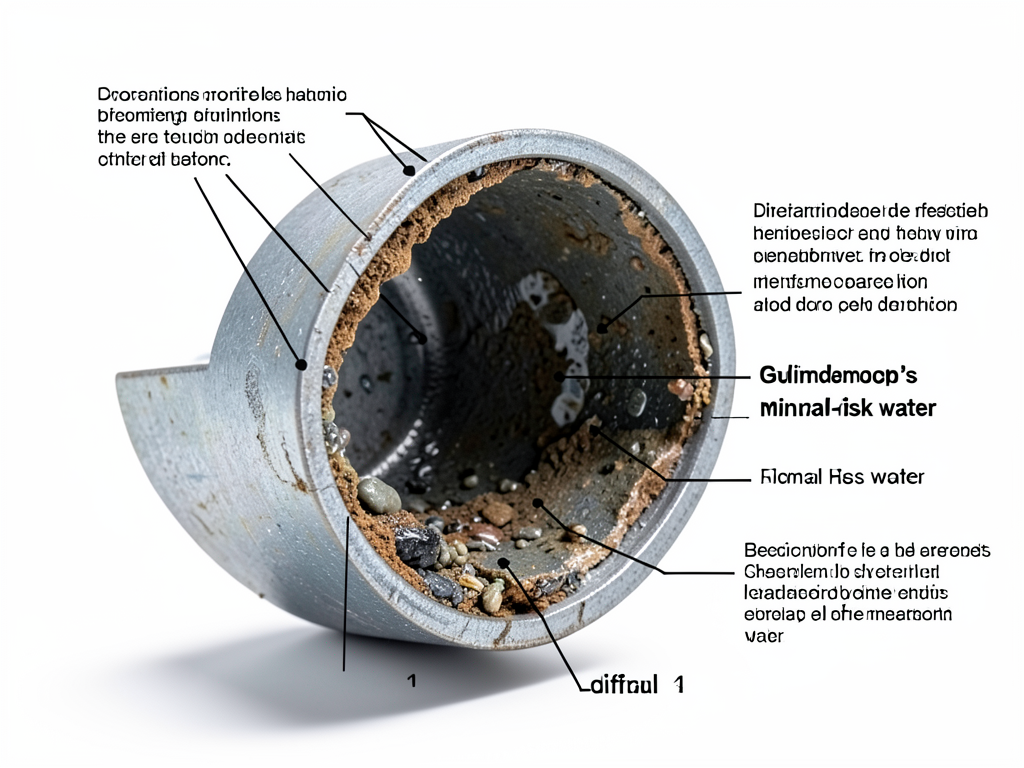
Cross-section of galvanized steel pipe showing internal corrosion and scale buildup common in Birmingham’s mineral-rich water.
Bell-and-spigot cast iron joint with oakum packing and lead seal, showing typical deterioration pattern in 80+ year old installations.
Call (659) 234-8600 Today for Your Historic Home Plumbing Assessment
Don’t wait for a plumbing emergency to discover the vulnerabilities in your Forest Park historic home. Our team specializes in maintaining and repairing the unique steam radiator systems and aging infrastructure found throughout Birmingham’s oldest neighborhoods. We understand the delicate balance between modern functionality and historic preservation that your home requires.
Pick up the phone and call (659) 234-8600 before the next cold snap or heavy rain tests your home’s plumbing integrity. Our technicians arrive equipped with the specialized tools and knowledge needed to diagnose and repair the specific challenges of early 20th-century construction. We provide clear, upfront pricing and stand behind our work with a satisfaction guarantee that respects your home’s historic value.
Whether you need emergency repairs, preventative maintenance, or a comprehensive system assessment, Fortress Plumbing Birmingham delivers the expertise your Forest Park home deserves. Call (659) 234-8600 now to schedule your appointment and protect your investment for generations to come.
{
“@context”: “https://schema.org”,
“@type”: “BlogPosting”,
“headline”: “Maintaining the Unique Plumbing in Historic Forest Park Homes With Steam Radiators”,
“description”: “Expert guide to maintaining historic Forest Park plumbing with steam radiators. Learn about cast iron pipes, lead solder risks, and preservation strategies for Birmingham’s oldest homes.”,
“wordCount”: 2459,
“datePublished”: “2026-04-05T14:25:00.000Z”,
“dateModified”: “2026-04-05T14:25:00.000Z”,
“inLanguage”: “en-US”,
“mainEntityOfPage”: {
“@type”: “WebPage”,
“@id”: “https://fortressplumbingbirmingham.com”
},
“publisher”: {
“@type”: “LocalBusiness”,
“name”: “Fortress Plumbing Birmingham”,
“url”: “https://fortressplumbingbirmingham.com”
},
“author”: {
“@type”: “Organization”,
“name”: “Fortress Plumbing Birmingham”,
“url”: “https://fortressplumbingbirmingham.com”
},
“image”: {
“@type”: “ImageObject”,
“url”: “https://fortressplumbingbirmingham.com/wp-content/uploads/2026/03/maintaining-the-unique-plumbing-in-historic-forest-1.png”
}
}
{
“@context”: “https://schema.org”,
“@type”: “Plumber”,
“name”: “Fortress Plumbing Birmingham”,
“url”: “https://fortressplumbingbirmingham.com”,
“address”: {
“@type”: “PostalAddress”,
“addressLocality”: “Birmingham”
},
“areaServed”: {
“@type”: “City”,
“name”: “Birmingham”
}
}
{
“@context”: “https://schema.org”,
“@type”: “FAQPage”,
“mainEntity”: [
{
“@type”: “Question”,
“name”: “How can I tell if my Forest Park home has lead water supply lines?”,
“acceptedAnswer”: {
“@type”: “Answer”,
“text”: “Homes built before 1940 in Forest Park likely have lead supply lines or lead-soldered joints. The pipes appear dull gray, can be scratched with a screwdriver, and leave a shiny mark when scratched. Professional testing provides definitive results, and Birmingham Water Works offers free lead testing for concerned homeowners.”
}
},
{
“@type”: “Question”,
“name”: “What’s the best way to maintain steam radiators in an old home?”,
“acceptedAnswer”: {
“@type”: “Answer”,
“text”: “Annual maintenance includes checking air vents for proper operation, testing steam traps for temperature differential, and ensuring pressure remains between 2-5 PSI. Bleed radiators at the start of each heating season to remove accumulated air. Never use chemical cleaners in steam systems as they can damage historic valves and traps.”
}
},
{
“@type”: “Question”,
“name”: “Can I replace galvanized steel pipes without damaging historic walls?”,
“acceptedAnswer”: {
“@type”: “Answer”,
“text”: “Strategic pipe replacement focuses on the most problematic sections while preserving original plaster and woodwork. PEX piping can often be routed through existing wall cavities using the old galvanized pipes as pull strings. This minimizes demolition while providing reliable modern supply lines. Finding a Reliable Emergency Plumber in Hoover Without Getting Overcharged.”
}
},
{
“@type”: “Question”,
“name”: “How often should I have my historic home’s plumbing inspected?”,
“acceptedAnswer”: {
“@type”: “Answer”,
“text”: “Schedule comprehensive plumbing inspection every 2-3 years for homes over 75 years old. Annual pressure testing and seasonal checks of visible pipes and fixtures help catch problems early. Homes with steam heating systems benefit from annual professional inspection before the heating season begins.”
}
}
]
}
{
“@context”: “https://schema.org”,
“@type”: “HowTo”,
“name”: “Preventative Maintenance for Historic Plumbing”,
“step”: [
{
“@type”: “HowToStep”,
“position”: 1,
“name”: “Annual Pressure Testing”,
“text”: “Test water pressure at multiple fixtures using a gauge. Historic homes should maintain 40-60 PSI to prevent pipe stress. Pressure above 80 PSI indicates a failing pressure reducing valve that needs replacement.”
},
{
“@type”: “HowToStep”,
“position”: 2,
“name”: “Drain Line Inspection”,
“text”: “Schedule video inspection of main sewer line every 3-5 years. Look for root intrusion, joint separation, and pipe deformation. Forest Park’s mature trees make this especially critical for preventing sewage backups.”
},
{
“@type”: “HowToStep”,
“position”: 3,
“name”: “Radiator System Tune-up”,
“text”: “Check air vents for proper operation by feeling for heat at the vent during system warm-up. Replace any vents that remain cold while radiators heat. Test steam traps by feeling supply and return pipes for temperature differential.”
},
{
“@type”: “HowToStep”,
“position”: 4,
“name”: “Valve Exercise”,
“text”: “Turn all shut-off valves fully open and closed twice yearly to prevent seizing. Pay special attention to radiator supply valves, which often become stuck in position and cannot be adjusted when needed.”
}
],
“image”: “https://fortressplumbingbirmingham.com/wp-content/uploads/2026/03/maintaining-the-unique-plumbing-in-historic-forest-1.png”
}
{
“@context”: “https://schema.org”,
“@type”: “BreadcrumbList”,
“itemListElement”: [
{
“@type”: “ListItem”,
“position”: 1,
“name”: “Home”,
“item”: “https://fortressplumbingbirmingham.com”
},
{
“@type”: “ListItem”,
“position”: 2,
“name”: “Blog”,
“item”: “https://fortressplumbingbirmingham.com/blog”
},
{
“@type”: “ListItem”,
“position”: 3,
“name”: “Maintaining the Unique Plumbing in Historic Forest Park Homes With Steam Radiators”
}
]
}
{
“@context”: “https://schema.org”,
“@type”: “Service”,
“serviceType”: “Plumbing”,
“provider”: {
“@type”: “LocalBusiness”,
“name”: “Fortress Plumbing Birmingham”,
“url”: “https://fortressplumbingbirmingham.com”
},
“areaServed”: {
“@type”: “City”,
“name”: “Birmingham”
},
“description”: “Expert guide to maintaining historic Forest Park plumbing with steam radiators. Learn about cast iron pipes, lead solder risks, and preservation strategies for Birmingham’s oldest homes.”
}