Understanding Hybrid Heat Pump Water Heaters for Moody Homes
Hybrid heat pump water heaters use advanced technology to pull heat from the surrounding air and transfer it to water in the tank. Unlike traditional electric water heaters that use heating elements to generate heat directly, heat pump systems move heat using a compressor and refrigerant cycle similar to your refrigerator but in reverse. For Moody residents dealing with Alabama’s humid subtropical climate, these units can be remarkably efficient since they essentially harvest free heat from the air around them. Advanced Leak Detection Services for Historic Homes in Forest Park.
The efficiency advantage becomes clear when you compare operating costs. A standard electric water heater might use 4,500 to 5,500 watts while heating, whereas a hybrid unit typically uses only 550 to 600 watts during heat pump operation. In Birmingham’s climate where summer humidity often exceeds 70%, the dehumidification feature becomes an unexpected bonus, removing several pints of moisture from the air each day while heating water.
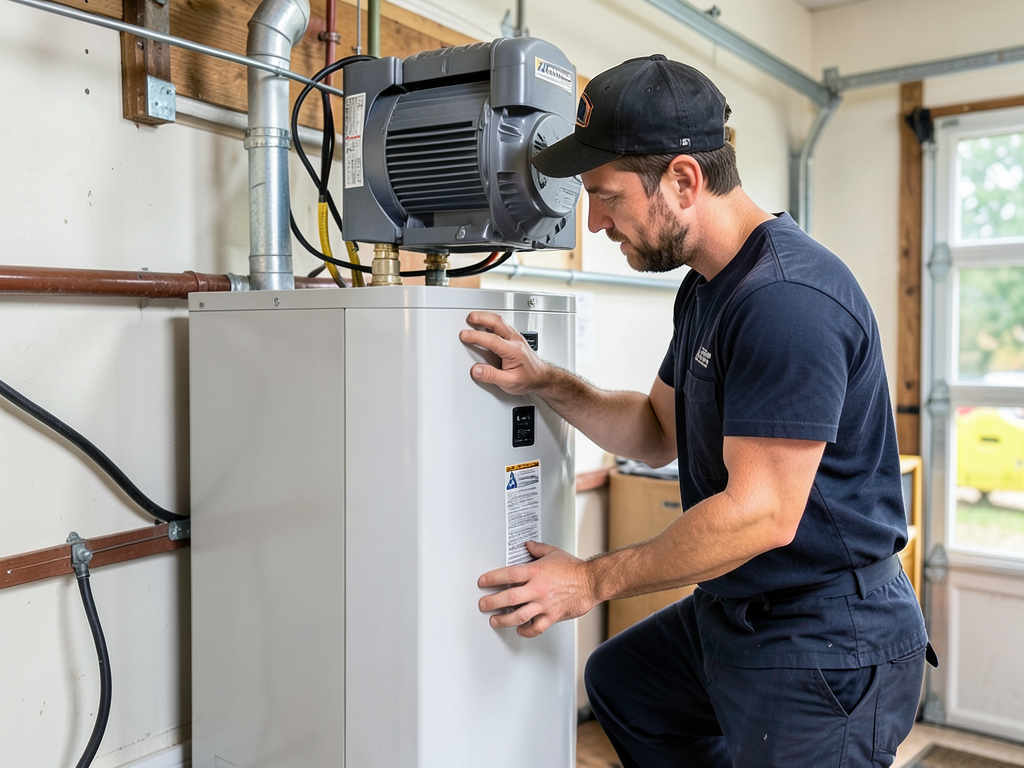
Installation considerations matter significantly for Moody homes. These units need adequate airflow around them – typically 700 to 1,000 cubic feet of space – which means they work best in basements, garages, or utility rooms with good ventilation. The condensate drain line requires proper routing to avoid water damage, and the electrical circuit needs to support the unit’s startup surge. Local building codes in Jefferson County require proper condensate management and dedicated 30-amp circuits for most hybrid models.
Federal incentives make the investment more attractive. The Inflation Reduction Act provides a 30% tax credit up to $2,000 for qualifying heat pump water heaters, and Alabama Power offers additional rebates that can reduce the net cost by several hundred dollars. When combined with the typical 50 to 60% reduction in annual energy costs compared to standard electric models, many Moody homeowners see payback periods of just 3 to 4 years. ENERGY STAR certified heat pump water heaters.
How Hybrid Water Heaters Perform in Birmingham’s Climate
Birmingham’s climate creates ideal conditions for heat pump water heaters for much of the year. The units operate most efficiently when ambient air temperatures stay between 40 and 90 degrees Fahrenheit, which covers about 95% of the year in central Alabama. During the occasional winter cold snap when temperatures drop below freezing, the hybrid system automatically switches to standard electric resistance heating to maintain hot water supply.
The dehumidification capability proves particularly valuable in Moody’s older homes with basements or crawl spaces. Alabama’s high humidity levels can lead to mold growth and musty odors in poorly ventilated areas. A hybrid water heater can remove 2 to 3 pints of water from the air daily while operating, effectively functioning as a small dehumidifier. This secondary benefit helps protect your home’s structure and improves indoor air quality.
Noise levels represent one consideration for installation location. The compressor and fan create sound similar to a modern refrigerator or dishwasher, typically ranging from 45 to 55 decibels at three feet away. This level of noise makes utility rooms or garages better locations than bedrooms or living areas. The units also require air filters that need cleaning every 3 to 6 months to maintain efficiency.
Recovery rates differ from traditional tanks. While a standard 50-gallon electric water heater might recover 20 gallons per hour, a hybrid unit typically recovers 15 to 18 gallons per hour in heat pump mode. However, the high-efficiency mode means you use less hot water overall since the system maintains temperature more consistently. Most families of four never notice the difference in daily use.
Cost Comparison: Traditional vs. Hybrid Water Heaters
Initial purchase prices for hybrid units typically run $1,200 to $2,500 compared to $400 to $800 for standard electric models. Installation costs add another $300 to $600 for hybrids versus $150 to $300 for traditional units. However, the operating cost difference becomes substantial over time. A standard electric 50-gallon heater costs about $450 to $550 annually to operate, while a hybrid unit costs $180 to $220 per year.
Over a ten-year period, the total cost comparison becomes striking. The traditional electric unit costs approximately $4,500 to $5,500 including purchase, installation, and operation. The hybrid unit costs about $2,800 to $3,400 for the same period after accounting for energy savings and available rebates. This represents a potential savings of $1,100 to $2,200 over the first decade of ownership.
Energy factor ratings help compare efficiency. Standard electric water heaters typically have Energy Factor (EF) ratings of 0.90 to 0.95, while hybrid units achieve EF ratings of 2.0 to 3.5. The higher number indicates more hot water delivered per unit of electricity consumed. ENERGY STAR certification requires minimum EF ratings that hybrid units easily exceed, qualifying them for federal tax incentives. Federal tax credits for energy-efficient appliances.
Maintenance requirements differ slightly between types. Standard electric units need anode rod inspection every 2 to 3 years and tank flushing every 6 months to prevent sediment buildup. Hybrid units add air filter cleaning to the maintenance schedule but eliminate the need for frequent tank flushing since the heat exchanger design reduces sediment accumulation. Both types typically last 10 to 15 years with proper maintenance.
Installation Requirements and Considerations
Space requirements represent the most significant limitation for hybrid water heater installation. The units need sufficient clearance for airflow – typically 2 feet on all sides minimum, with 3 feet preferred. The cubic footage requirement means they work poorly in small closets or confined mechanical rooms. For Moody homes with limited space, this often means installation in garages or utility rooms rather than interior closets.
Electrical requirements include a dedicated 240-volt, 30-amp circuit with proper grounding. The startup surge when the compressor activates can briefly draw 20 to 25 amps, requiring wiring that can handle the momentary load. Most existing water heater circuits work fine, but older homes may need electrical panel upgrades. The condensate drain line must connect to an existing drain or pump to a suitable disposal location.
Ceiling height matters for top-mounted compressor units. The heat pump assembly sits on top of the tank, adding 12 to 18 inches to the overall height. Low-ceiling basements or crawl spaces may not accommodate these units. Some manufacturers offer split-system designs where the compressor mounts separately, but these cost more and require additional refrigerant line installation. The Warning Signs Your Mountain Brook Water Heater is About to Fail.
Temperature and humidity sensors help optimize performance. Quality units include smart controls that monitor ambient conditions and adjust operation between heat pump and electric modes automatically. Some models connect to Wi-Fi for remote monitoring and control through smartphone apps. These features help maximize efficiency but add $100 to $200 to the purchase price.
Making the Right Choice for Your Moody Home
Household size and hot water usage patterns significantly impact whether a hybrid unit makes sense. Families of four or more typically benefit most since the energy savings accumulate faster with higher usage. Smaller households might take longer to recoup the higher upfront cost, though the dehumidification benefit still provides value in Alabama’s humid climate.
Existing infrastructure plays a crucial role in installation feasibility. Homes with adequate space, proper electrical capacity, and suitable drainage can often switch to hybrid technology with minimal modifications. Older Moody homes may need electrical upgrades or creative drainage solutions, which can add $300 to $800 to installation costs. A professional assessment helps identify these requirements before purchase.
Climate considerations favor hybrid units in Birmingham’s service area. The long cooling season means the units operate in their most efficient mode for 8 to 9 months annually. Only during the coldest winter weeks do they switch to less efficient electric heating. This operational profile delivers the highest savings in our region compared to northern climates where heat pump mode operates less frequently.
Environmental impact extends beyond personal savings. A typical hybrid unit reduces carbon emissions by 1.5 to 2 tons annually compared to a standard electric model, assuming Alabama’s current electricity generation mix. For environmentally conscious homeowners, this reduction equals avoiding about 150 gallons of gasoline consumption each year.
Frequently Asked Questions
How much can I really save with a hybrid water heater?
Most Moody homeowners save $250 to $350 annually on electricity bills after switching from a standard electric water heater to a hybrid model. The exact savings depend on your household’s hot water usage and local utility rates. Is Switching to a Tankless Water Heater Worth It for Your Vestavia Hills Home?.
Do hybrid water heaters work when the power goes out?
No. Like all electric water heaters, hybrid units require electricity to operate. They cannot function during power outages unless connected to a backup power source like a generator.
How long do hybrid water heaters typically last?
With proper maintenance, hybrid water heaters generally last 10 to 15 years, similar to traditional electric models. The advanced electronics may require service during this period, but the tank and heat exchanger often outlast conventional components.
Can I install a hybrid water heater myself?
Professional installation is strongly recommended. These units involve electrical work, condensate drainage, and refrigerant handling that requires proper licensing and expertise to ensure safe, code-compliant operation.
Are there any tax credits available for hybrid water heaters?
Yes. The federal government offers a 30% tax credit up to $2,000 for qualifying ENERGY STAR certified heat pump water heaters purchased in 2023 or later. Alabama Power also offers rebates that can save you several hundred dollars.
Ready to Upgrade Your Water Heating System?
Hybrid heat pump water heaters offer compelling benefits for Moody homeowners looking to reduce energy costs while improving home comfort. The combination of substantial utility savings, federal tax credits, and Alabama Power rebates can make these advanced systems surprisingly affordable. Plus, the added dehumidification helps protect your home from Alabama’s notorious humidity.
Before making a decision, consider having a professional evaluate your home’s specific conditions. Space availability, electrical capacity, and drainage options all impact whether a hybrid system works for your situation. Many Moody homes are perfectly suited for these efficient units, especially those with basements or garages that provide adequate ventilation space.
Call (659) 234-8600 today to schedule your free consultation. Our experienced technicians can assess your home’s suitability for a hybrid water heater and provide a detailed cost-benefit analysis based on your specific usage patterns. Don’t wait until your current water heater fails – upgrade now and start saving immediately while taking advantage of current incentives. What to Do Immediately When a Pipe Bursts in Your Birmingham Home.
Pick up the phone and call (659) 234-8600 before the next utility bill arrives. You might be surprised how quickly a hybrid water heater can pay for itself through energy savings alone.
{
“@context”: “https://schema.org”,
“@type”: “BlogPosting”,
“headline”: “Is a Hybrid Heat Pump Water Heater Right for Your Moody Home?”,
“description”: “Discover if a hybrid heat pump water heater saves money in Moody. Learn about energy rebates, installation requirements, and the benefits for Alabama’s climate.”,
“wordCount”: 1787,
“datePublished”: “2026-03-22T12:59:00.000Z”,
“dateModified”: “2026-03-22T12:59:00.000Z”,
“inLanguage”: “en-US”,
“mainEntityOfPage”: {
“@type”: “WebPage”,
“@id”: “https://fortressplumbingbirmingham.com”
},
“publisher”: {
“@type”: “LocalBusiness”,
“name”: “Fortress Plumbing Birmingham”,
“url”: “https://fortressplumbingbirmingham.com”
},
“author”: {
“@type”: “Organization”,
“name”: “Fortress Plumbing Birmingham”,
“url”: “https://fortressplumbingbirmingham.com”
},
“image”: {
“@type”: “ImageObject”,
“url”: “https://fortressplumbingbirmingham.com/wp-content/uploads/2026/03/is-a-hybrid-heat-pump-water-heater-right-for-your-1.png”
}
}
{
“@context”: “https://schema.org”,
“@type”: “Plumber”,
“name”: “Fortress Plumbing Birmingham”,
“url”: “https://fortressplumbingbirmingham.com”,
“address”: {
“@type”: “PostalAddress”,
“addressLocality”: “Birmingham”
},
“areaServed”: {
“@type”: “City”,
“name”: “Birmingham”
}
}
{
“@context”: “https://schema.org”,
“@type”: “FAQPage”,
“mainEntity”: [
{
“@type”: “Question”,
“name”: “How much can I really save with a hybrid water heater?”,
“acceptedAnswer”: {
“@type”: “Answer”,
“text”: “Most Moody homeowners save $250 to $350 annually on electricity bills after switching from a standard electric water heater to a hybrid model. The exact savings depend on your household’s hot water usage and local utility rates. Is Switching to a Tankless Water Heater Worth It for Your Vestavia Hills Home?.”
}
},
{
“@type”: “Question”,
“name”: “Do hybrid water heaters work when the power goes out?”,
“acceptedAnswer”: {
“@type”: “Answer”,
“text”: “No. Like all electric water heaters, hybrid units require electricity to operate. They cannot function during power outages unless connected to a backup power source like a generator.”
}
},
{
“@type”: “Question”,
“name”: “How long do hybrid water heaters typically last?”,
“acceptedAnswer”: {
“@type”: “Answer”,
“text”: “With proper maintenance, hybrid water heaters generally last 10 to 15 years, similar to traditional electric models. The advanced electronics may require service during this period, but the tank and heat exchanger often outlast conventional components.”
}
},
{
“@type”: “Question”,
“name”: “Can I install a hybrid water heater myself?”,
“acceptedAnswer”: {
“@type”: “Answer”,
“text”: “Professional installation is strongly recommended. These units involve electrical work, condensate drainage, and refrigerant handling that requires proper licensing and expertise to ensure safe, code-compliant operation.”
}
},
{
“@type”: “Question”,
“name”: “Are there any tax credits available for hybrid water heaters?”,
“acceptedAnswer”: {
“@type”: “Answer”,
“text”: “Yes. The federal government offers a 30% tax credit up to $2,000 for qualifying ENERGY STAR certified heat pump water heaters purchased in 2023 or later. Alabama Power also offers rebates that can save you several hundred dollars.”
}
},
{
“@type”: “Question”,
“name”: “Ready to Upgrade Your Water Heating System?”,
“acceptedAnswer”: {
“@type”: “Answer”,
“text”: “Hybrid heat pump water heaters offer compelling benefits for Moody homeowners looking to reduce energy costs while improving home comfort. The combination of substantial utility savings, federal tax credits, and Alabama Power rebates can make these advanced systems surprisingly affordable. Plus, the added dehumidification helps protect your home from Alabama’s notorious humidity.”
}
}
]
}
{
“@context”: “https://schema.org”,
“@type”: “BreadcrumbList”,
“itemListElement”: [
{
“@type”: “ListItem”,
“position”: 1,
“name”: “Home”,
“item”: “https://fortressplumbingbirmingham.com”
},
{
“@type”: “ListItem”,
“position”: 2,
“name”: “Blog”,
“item”: “https://fortressplumbingbirmingham.com/blog”
},
{
“@type”: “ListItem”,
“position”: 3,
“name”: “Is a Hybrid Heat Pump Water Heater Right for Your Moody Home?”
}
]
}
{
“@context”: “https://schema.org”,
“@type”: “Service”,
“serviceType”: “Plumbing”,
“provider”: {
“@type”: “LocalBusiness”,
“name”: “Fortress Plumbing Birmingham”,
“url”: “https://fortressplumbingbirmingham.com”
},
“areaServed”: {
“@type”: “City”,
“name”: “Birmingham”
},
“description”: “Discover if a hybrid heat pump water heater saves money in Moody. Learn about energy rebates, installation requirements, and the benefits for Alabama’s climate.”
}