
Living in a historic neighborhood like Five Points South means dealing with charming but often compact bathrooms. A wall-mounted toilet might seem like the perfect solution for maximizing space but is it truly practical for your home? Let’s examine the real benefits and challenges of this modern fixture specifically for Birmingham homeowners.
Understanding Wall-Mounted Toilets
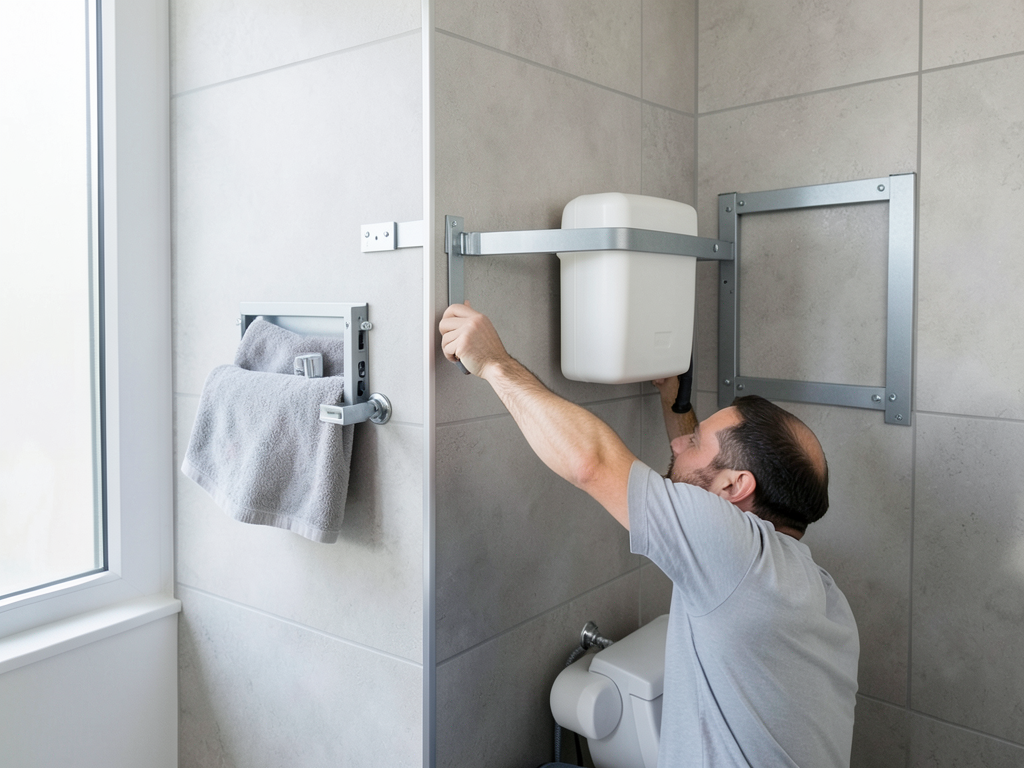
A wall-mounted toilet differs from traditional floor-mounted models by attaching directly to the wall rather than sitting on the floor. The key component is the concealed carrier frame that mounts inside the wall cavity, supporting the toilet bowl and hiding the tank and plumbing connections. Plumbing Mountain Brook.
The carrier frame must be securely anchored to wall studs or reinforced backing. Most residential systems support up to 500 pounds of weight capacity. The tank sits inside the wall cavity, typically requiring a 2×6 stud wall for proper installation.
Space-Saving Benefits for Five Points South Homes
The primary advantage is floor space. A wall-mounted toilet can free up 10-12 inches of floor space compared to traditional models. This makes a significant difference in the narrow bathrooms common in Five Points South’s early 20th-century bungalows and apartments.
The floating design creates visual openness that makes small bathrooms appear larger. The exposed floor beneath allows for easier cleaning and can accommodate storage solutions like small cabinets or baskets.
For homes along Highland Avenue or 20th Street South, where bathroom footprints often measure just 5×7 feet, this space savings can be transformative. The compact design works particularly well in powder rooms and half baths where every inch counts.
Installation Requirements and Structural Considerations
Installing a wall-mounted toilet requires specific structural conditions. The wall must be at least 2×6 construction to accommodate the carrier frame and tank. In Five Points South, many historic homes have 2×4 walls, which means additional framing work.
The mounting height is adjustable during installation, typically ranging from 15 to 19 inches from the floor to the bowl rim. This flexibility allows for ADA-compliant heights or custom positioning based on user needs.
Water supply and waste connections must be properly aligned with the carrier frame. Most frames require a 12-inch rough-in dimension from the wall. The waste pipe must connect to the existing plumbing stack, which may require modifications in older homes. Plumbing Financing Options.
Cost Comparison: Wall-Mounted vs Traditional Toilets
Wall-mounted toilets involve higher upfront costs than traditional models. Here’s a breakdown of typical expenses for Birmingham installations:
| Component | Wall-Mounted Toilet | Traditional Floor-Mounted |
|---|---|---|
| Fixture Cost | $300-$800 | $150-$400 |
| Carrier Frame | $150-$300 | N/A |
| Installation Labor | 6-8 hours | 2-3 hours |
| Total Installed Cost | $800-$1,500 | $300-$600 |
The installation complexity adds significant labor costs. Most Birmingham plumbers charge $75-$125 per hour, and wall-mounted installations typically require two technicians due to the weight of the frame and bowl.
Maintenance and Repair Considerations
Access panels are essential for wall-mounted toilet maintenance. These removable sections allow plumbers to reach the tank, fill valve, and flush mechanism without demolishing walls. In Five Points South’s older homes, finding space for these panels can be challenging. Finding a Reliable Emergency Plumber in Hoover Without Getting Overcharged.
Common issues include fill valve failures, flush actuator problems, and leaks at the wall connection. Repairs often require removing the toilet bowl, which adds complexity compared to floor-mounted models. EPA WaterSense program.
Hard water in Birmingham can accelerate mineral buildup in the concealed tank components. The Alabama Department of Environmental Management reports Birmingham’s water hardness averages 75-100 mg/L, which is moderately hard.
Local Building Code Requirements
Birmingham follows the International Plumbing Code with local amendments. Wall-mounted toilets must meet specific requirements: International Plumbing Code.
- Minimum 500-pound load capacity for carrier frames
- Proper venting to prevent trap siphonage
- Water supply connections must include shut-off valves
- Access panels must be provided for concealed components
The Jefferson County Health Department requires permits for toilet replacements, including wall-mounted installations. The permit process typically takes 2-3 business days.
Brand Recommendations and Quality Considerations
Several manufacturers produce reliable wall-mounted toilet systems. Geberit, a Swiss company, dominates the market with their in-wall tank systems. Their frames feature integrated adjustment capabilities and corrosion-resistant components.
Kohler and American Standard offer complete wall-mounted toilet packages that include both the bowl and carrier system. These American brands provide easier parts availability for Birmingham homeowners.
For Five Points South’s historic homes, consider brands that offer retrofit-friendly designs. Some manufacturers produce carrier frames specifically designed for 2×4 wall installations, though these may have reduced weight capacity. The Warning Signs Your Mountain Brook Water Heater is About to Fail.
Water Efficiency and Environmental Impact
Most wall-mounted toilets feature dual-flush technology, using 1.6 gallons per flush for solid waste and 0.8 gallons for liquid waste. This compares favorably to older toilets that use 3-5 gallons per flush.
The EPA WaterSense program certifies high-efficiency toilets that meet strict water conservation standards. Many wall-mounted models qualify for WaterSense certification, potentially qualifying homeowners for utility rebates.
Birmingham Water Works Board offers rebates for WaterSense-certified fixtures, though availability varies by program year. Check their website for current incentive programs.
Installation Process and Timeline
A typical wall-mounted toilet installation follows these steps:
- Wall Preparation
Remove drywall, install reinforced backing or new 2×6 studs, and create access panel openings.
- Carrier Frame Installation
Mount the steel frame to wall studs, ensuring level and plumb alignment. Connect to waste and water supply lines.
- Tank and Plumbing Connection
Install the concealed tank, connect fill valve and flush mechanism, and test for leaks.
- Drywall and Finishing
Repair walls around access panels, install flush actuator plate, and finish with paint or tile.
- Toilet Bowl Mounting
Attach the bowl to the carrier frame, connect water supply, and test operation.
The entire process typically takes 2-3 days, depending on wall modifications and finishing work required.
Common Problems and Solutions
Wall-mounted toilets can develop specific issues that require professional attention. Understanding these problems helps homeowners make informed decisions.
Water hammer occurs when the fill valve closes rapidly, causing pipe vibration. Installing water hammer arrestors can eliminate this noise. In Birmingham’s older plumbing systems, this is particularly common.. Read more about Special Plumbing Considerations for Loft Owners in Downtown Birmingham.
Access panel leaks can develop if not properly sealed. Use silicone caulk around panel edges and ensure proper gasket installation. Check panels quarterly for signs of moisture.
Flush actuator failure typically requires complete plate replacement. Keep the manufacturer’s model number handy for ordering correct replacement parts.
Making the Right Choice for Your Five Points South Home
Consider these factors when deciding on a wall-mounted toilet:
- Bathroom Size: Less than 40 square feet benefits significantly from space savings
- Wall Construction: 2×6 walls simplify installation; 2×4 walls add cost
- Budget: Plan for 2-3 times the cost of traditional toilets
- Long-term Plans: Higher resale appeal in historic districts
- Maintenance Preference: More complex repairs but easier floor cleaning
For many Five Points South homeowners, the aesthetic appeal and space savings justify the higher cost. The modern look complements both contemporary and traditional bathroom designs.
Professional Installation vs DIY
Wall-mounted toilet installation requires plumbing expertise and carpentry skills. The concealed components and precise alignment make this project challenging for DIYers.
Professional plumbers understand local code requirements and can handle unexpected issues like hidden pipes or structural problems. They also provide warranties on both labor and fixtures.
DIY installation risks include improper mounting, leaks, and code violations. These mistakes can lead to expensive repairs and potential water damage.
Frequently Asked Questions
Can wall-mounted toilets be installed on any wall type?
Most wall-mounted toilets require 2×6 stud walls or reinforced backing in 2×4 walls. Solid masonry walls need specialized mounting systems. A professional assessment determines your wall’s suitability.
How much weight can a wall-mounted toilet support?
Residential carrier frames typically support 400-500 pounds. Commercial-grade systems can handle up to 800 pounds. The mounting system and wall structure determine actual weight capacity.
Are wall-mounted toilets harder to clean than traditional toilets?
The exposed floor area is easier to clean since there are no mounting bolts or crevices. However, the flush actuator plate and wall connections require occasional cleaning. Overall maintenance is similar to traditional toilets.
What happens if the concealed tank leaks?
Access panels allow plumbers to reach the tank without wall demolition. Most leaks occur at connections and can be repaired by replacing washers or tightening fittings. Severe tank damage might require partial wall opening.
Do wall-mounted toilets save actual floor space?
Yes, they typically save 10-12 inches of floor space by eliminating the base and tank projection. This space can accommodate storage, improve traffic flow, or create a more open feel in small bathrooms.
How long do wall-mounted toilets typically last?
With proper installation and maintenance, wall-mounted toilets can last 20-30 years. The carrier frame and tank components are durable, though flush mechanisms may need replacement every 10-15 years.
Are there any specific maintenance requirements?
Quarterly checks of access panels for moisture, annual inspection of flush mechanism, and regular cleaning of the actuator plate. Hard water areas may need more frequent valve inspections.
Can I install a bidet seat on a wall-mounted toilet?
Most bidet seats work with wall-mounted toilets, but check compatibility with your specific model. Some compact bidet designs work better with the reduced space behind wall-mounted bowls.
Call to Action
Ready to upgrade your Five Points South bathroom with a wall-mounted toilet? Call (659) 234-8600 today to schedule your inspection. Our Birmingham plumbing experts will assess your space, provide detailed recommendations, and handle the entire installation process with precision and care.
Don’t let bathroom size limitations hold you back. Contact Fortress Plumbing Birmingham now and discover how a wall-mounted toilet can transform your small space into a modern, functional bathroom that enhances your home’s value and appeal.
{
“@context”: “https://schema.org”,
“@type”: “BlogPosting”,
“headline”: “Is a Wall Mounted Toilet a Practical Upgrade for Your Small Bathroom in Five Points South?”,
“description”: “Discover if a wall-mounted toilet is right for your Five Points South bathroom. Learn about space-saving benefits, installation costs, and local Birmingham plumbing requirements.”,
“wordCount”: 1603,
“datePublished”: “2026-05-05T07:03:00.000Z”,
“dateModified”: “2026-05-05T07:03:00.000Z”,
“inLanguage”: “en-US”,
“mainEntityOfPage”: {
“@type”: “WebPage”,
“@id”: “https://fortressplumbingbirmingham.com”
},
“publisher”: {
“@type”: “LocalBusiness”,
“name”: “Fortress Plumbing Birmingham”,
“url”: “https://fortressplumbingbirmingham.com”
},
“author”: {
“@type”: “Organization”,
“name”: “Fortress Plumbing Birmingham”,
“url”: “https://fortressplumbingbirmingham.com”
},
“image”: {
“@type”: “ImageObject”,
“url”: “https://fortressplumbingbirmingham.com/wp-content/uploads/2026/03/is-a-wall-mounted-toilet-a-practical-upgrade-for-y-1.png”
}
}
{
“@context”: “https://schema.org”,
“@type”: “Plumber”,
“name”: “Fortress Plumbing Birmingham”,
“url”: “https://fortressplumbingbirmingham.com”,
“address”: {
“@type”: “PostalAddress”,
“addressLocality”: “Birmingham”
},
“areaServed”: {
“@type”: “City”,
“name”: “Birmingham”
}
}
{
“@context”: “https://schema.org”,
“@type”: “FAQPage”,
“mainEntity”: [
{
“@type”: “Question”,
“name”: “Can wall-mounted toilets be installed on any wall type?”,
“acceptedAnswer”: {
“@type”: “Answer”,
“text”: “Most wall-mounted toilets require 2×6 stud walls or reinforced backing in 2×4 walls. Solid masonry walls need specialized mounting systems. A professional assessment determines your wall’s suitability.”
}
},
{
“@type”: “Question”,
“name”: “How much weight can a wall-mounted toilet support?”,
“acceptedAnswer”: {
“@type”: “Answer”,
“text”: “Residential carrier frames typically support 400-500 pounds. Commercial-grade systems can handle up to 800 pounds. The mounting system and wall structure determine actual weight capacity.”
}
},
{
“@type”: “Question”,
“name”: “Are wall-mounted toilets harder to clean than traditional toilets?”,
“acceptedAnswer”: {
“@type”: “Answer”,
“text”: “The exposed floor area is easier to clean since there are no mounting bolts or crevices. However, the flush actuator plate and wall connections require occasional cleaning. Overall maintenance is similar to traditional toilets.”
}
},
{
“@type”: “Question”,
“name”: “What happens if the concealed tank leaks?”,
“acceptedAnswer”: {
“@type”: “Answer”,
“text”: “Access panels allow plumbers to reach the tank without wall demolition. Most leaks occur at connections and can be repaired by replacing washers or tightening fittings. Severe tank damage might require partial wall opening.”
}
},
{
“@type”: “Question”,
“name”: “Do wall-mounted toilets save actual floor space?”,
“acceptedAnswer”: {
“@type”: “Answer”,
“text”: “Yes, they typically save 10-12 inches of floor space by eliminating the base and tank projection. This space can accommodate storage, improve traffic flow, or create a more open feel in small bathrooms.”
}
},
{
“@type”: “Question”,
“name”: “How long do wall-mounted toilets typically last?”,
“acceptedAnswer”: {
“@type”: “Answer”,
“text”: “With proper installation and maintenance, wall-mounted toilets can last 20-30 years. The carrier frame and tank components are durable, though flush mechanisms may need replacement every 10-15 years.”
}
},
{
“@type”: “Question”,
“name”: “Are there any specific maintenance requirements?”,
“acceptedAnswer”: {
“@type”: “Answer”,
“text”: “Quarterly checks of access panels for moisture, annual inspection of flush mechanism, and regular cleaning of the actuator plate. Hard water areas may need more frequent valve inspections.”
}
},
{
“@type”: “Question”,
“name”: “Can I install a bidet seat on a wall-mounted toilet?”,
“acceptedAnswer”: {
“@type”: “Answer”,
“text”: “Most bidet seats work with wall-mounted toilets, but check compatibility with your specific model. Some compact bidet designs work better with the reduced space behind wall-mounted bowls.”
}
}
]
}
{
“@context”: “https://schema.org”,
“@type”: “HowTo”,
“name”: “Wall-Mounted Toilet Installation”,
“step”: [
{
“@type”: “HowToStep”,
“position”: 1,
“name”: “Wall Preparation”,
“text”: “Remove drywall, install reinforced backing or new 2×6 studs, and create access panel openings.”
},
{
“@type”: “HowToStep”,
“position”: 2,
“name”: “Carrier Frame Installation”,
“text”: “Mount the steel frame to wall studs, ensuring level and plumb alignment. Connect to waste and water supply lines.”
},
{
“@type”: “HowToStep”,
“position”: 3,
“name”: “Tank and Plumbing Connection”,
“text”: “Install the concealed tank, connect fill valve and flush mechanism, and test for leaks.”
},
{
“@type”: “HowToStep”,
“position”: 4,
“name”: “Drywall and Finishing”,
“text”: “Repair walls around access panels, install flush actuator plate, and finish with paint or tile.”
},
{
“@type”: “HowToStep”,
“position”: 5,
“name”: “Toilet Bowl Mounting”,
“text”: “Attach the bowl to the carrier frame, connect water supply, and test operation.”
}
],
“image”: “https://fortressplumbingbirmingham.com/wp-content/uploads/2026/03/is-a-wall-mounted-toilet-a-practical-upgrade-for-y-1.png”
}
{
“@context”: “https://schema.org”,
“@type”: “BreadcrumbList”,
“itemListElement”: [
{
“@type”: “ListItem”,
“position”: 1,
“name”: “Home”,
“item”: “https://fortressplumbingbirmingham.com”
},
{
“@type”: “ListItem”,
“position”: 2,
“name”: “Blog”,
“item”: “https://fortressplumbingbirmingham.com/blog”
},
{
“@type”: “ListItem”,
“position”: 3,
“name”: “Is a Wall Mounted Toilet a Practical Upgrade for Your Small Bathroom in Five Points South?”
}
]
}
{
“@context”: “https://schema.org”,
“@type”: “Service”,
“serviceType”: “Plumbing”,
“provider”: {
“@type”: “LocalBusiness”,
“name”: “Fortress Plumbing Birmingham”,
“url”: “https://fortressplumbingbirmingham.com”
},
“areaServed”: {
“@type”: “City”,
“name”: “Birmingham”
},
“description”: “Discover if a wall-mounted toilet is right for your Five Points South bathroom. Learn about space-saving benefits, installation costs, and local Birmingham plumbing requirements.”
}