Planning the Plumbing for Your Basement Bar or Kitchenette in Liberty Park
Adding a basement bar or kitchenette to your Liberty Park home creates the perfect entertainment space for family gatherings and game-day parties. The challenge lies in handling the plumbing since your basement sits below the main sewer line. You need specialized drainage solutions like sewage ejector pumps or upflush systems to move wastewater uphill to your home’s main plumbing. Birmingham’s building codes require specific permits and inspections for basement plumbing installations. Understanding these requirements before you start your renovation saves you time and prevents costly mistakes. Plumbing Mountain Brook.
Liberty Park’s established neighborhoods feature homes built from the 1980s through today with varying basement construction methods. Older slab foundations may require more extensive excavation to install proper drainage lines. Newer homes often have roughed-in plumbing stubs that make installation easier. The soil composition in Liberty Park includes Alabama red clay which affects how water drains around your foundation. This guide walks you through the essential plumbing considerations for your basement bar project. Alabama State Plumbing Board.
Understanding Basement Drainage Options
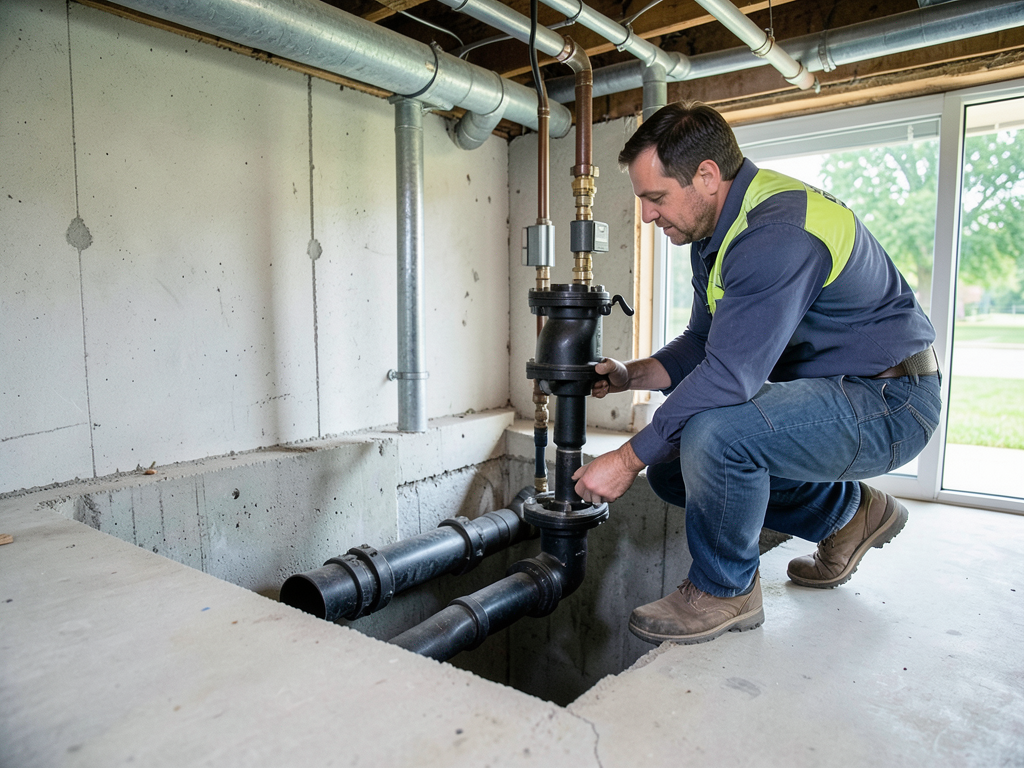
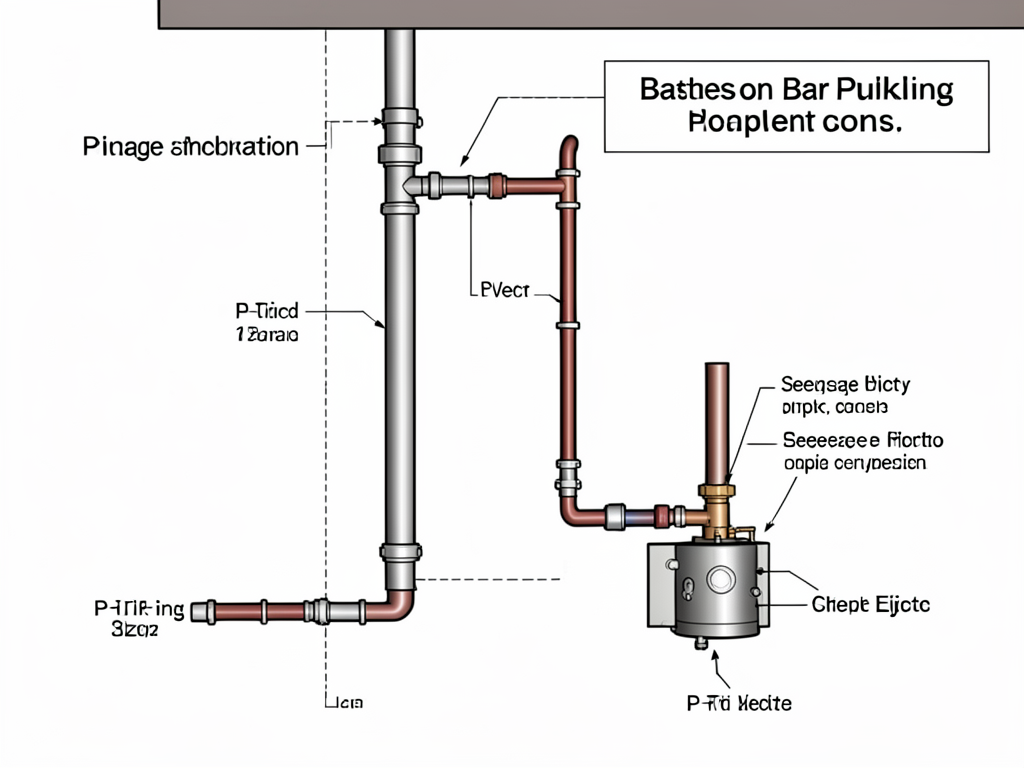
Gravity drainage works when your basement floor sits above the main sewer line. You can run pipes at a slight downward angle to let wastewater flow naturally. Most Liberty Park basements need active drainage systems since they sit below grade. A sewage ejector pump collects wastewater in a tank and pushes it up to the main sewer line when it reaches a certain level. These pumps handle everything from sink water to dishwasher discharge.. Read more about Best Plumbing Fixtures for Hard Water Areas Like Helena and Alabaster.
Upflush macerating systems offer another solution for basement bars. These compact units grind waste into a fine slurry that moves through small-diameter pipes. You can install them without breaking concrete floors since they connect directly to existing plumbing lines. The trade-off involves higher operating costs and potential noise during operation. Liberty Park homeowners often choose ejector pumps for larger installations since they handle more volume and last longer.. Read more about Do You Need a Plumbing Permit for a Small Kitchen Refresh in Bessemer?.
Floor drains provide emergency water removal but cannot serve as primary drainage for your bar sink or dishwasher. Birmingham code requires proper P-traps and venting for all fixtures. The P-trap creates a water seal that blocks sewer gases from entering your living space. Without this basic protection, you would smell unpleasant odors constantly.
Birmingham Plumbing Permit Requirements
Jefferson County requires plumbing permits for basement bar installations. You must submit detailed plans showing fixture locations, pipe sizes, and drainage methods. The county plumbing inspector reviews your plans to ensure they meet the Alabama State Plumbing Code. This code follows the International Plumbing Code with Alabama amendments. Jefferson County Plumbing Permits.
Liberty Park falls within the Birmingham Water Works Board service area. Your permit application must include a site plan showing your property’s water and sewer connections. The water board may require additional inspections if you install new water lines. They check for proper backflow prevention devices which stop contaminated water from flowing back into the public supply.
The permit process typically takes 2-3 weeks for approval. You cannot start construction until you receive your permit. After installation, you schedule inspections at key stages: after rough-in plumbing, before fixture installation, and for final approval. Missing inspections can result in fines or forced removal of your work.
Local contractors familiar with Liberty Park’s specific requirements can navigate this process faster. They know which inspectors handle basement installations and what documentation they expect. This local knowledge prevents delays that frustrate DIY installers.
Venting Solutions for Basement Fixtures
Proper venting prevents slow drainage and sewer gas problems. Traditional venting runs pipes through walls to the roof. Basement installations often cannot access the roof easily due to finished walls and ceilings above. Air admittance valves provide an alternative by opening to let air in when water flows through the drain.
AAVs work well for single fixtures like bar sinks. They install under the sink and vent through the cabinet. Birmingham code allows AAVs but limits their use. You cannot use them for toilets or when multiple fixtures share a drain line. The valves must meet specific standards and install in accessible locations for replacement.
Loop venting offers another basement-friendly option. This method creates a loop in the drain pipe that allows air to enter from above while keeping sewer gases contained below. It works for island installations where traditional venting would be difficult. The loop must have specific dimensions to function properly.
Improper venting causes gurgling sounds, slow drains, and trap siphoning. You would notice water disappearing from P-traps after using other fixtures. This indicates negative pressure pulling water out of the trap. Correct venting maintains neutral pressure in the drain system.
Choosing the Right Piping Materials
PEX tubing offers flexibility and freeze resistance for basement installations. The cross-linked polyethylene handles temperature changes better than rigid pipes. You can bend PEX around obstacles without joints, reducing leak points. It costs less than copper and installs faster since you don’t need soldering equipment.
Copper piping provides durability and resists bacteria growth. Many Liberty Park homes built before 2000 have existing copper supply lines. Matching materials creates a uniform system that’s easier to maintain. Copper costs more and requires more skill to install correctly. The material performs well in Birmingham’s water conditions which tend toward moderate hardness.
PVC drain pipes handle wastewater from sinks and dishwashers. Schedule 40 PVC works for drain lines while Schedule 80 provides extra strength for underground applications. The pipes glue together with solvent cement creating permanent joints. PVC resists corrosion and chemical damage from household cleaners.
CPVC handles both hot and cold water supply lines. It costs less than copper but more than PEX. The material resists scale buildup in hard water areas. Birmingham’s water quality makes CPVC a viable option for supply lines in basement bars.
Ice Maker and Water Filtration Lines
Modern basement bars often include built-in ice makers or beverage centers. These appliances need dedicated water supply lines with proper shutoff valves. The lines run from your main water supply through the wall or floor to the appliance location. Use quarter-inch copper or PEX tubing rated for drinking water.
Water filtration improves beverage taste and protects appliances from scale buildup. Under-sink filters work well for bar applications. They install between the shutoff valve and the fixture. Whole-house filtration systems provide comprehensive protection but cost more. Liberty Park’s water contains minerals that affect coffee and drink flavors.
Refrigerator ice makers need both water supply and drainage. The ice maker line connects to a filtered water source. The drain line removes excess water during the ice-making cycle. Both lines require proper installation to prevent leaks behind your bar cabinetry.
Consider water pressure when planning your bar. Low pressure affects ice maker performance and causes slow filling of pots and glasses. Pressure regulators maintain consistent pressure throughout your home. They prevent damage to appliances from pressure surges.
Cost Factors for Basement Bar Plumbing
Plumbing rough-in represents the largest cost variable in basement bar projects. Breaking concrete to install drainage lines can cost $2,000-$5,000 depending on basement size and existing conditions. Homes with roughed-in plumbing stubs save significantly since you only connect to existing lines.
Pump system selection affects both upfront and operating costs. Basic sewage ejector pumps cost $500-$1,000 plus installation. High-end macerating systems run $1,500-$2,500. Energy-efficient models reduce electricity costs but cost more initially. Liberty Park electricity rates make pump operating costs manageable for most homeowners.
Permit fees vary by project scope. Basic permits cost $100-$300. Complex installations requiring multiple inspections cost more. Jefferson County charges additional fees for after-hours inspections or expedited service. Budget 5-10% of your total project cost for permit and inspection fees.
Material choices impact your budget significantly. PEX supply lines cost $0.50-$2 per foot while copper runs $2-$4 per foot. PVC drain pipes cost $0.30-$1 per foot. Fixture quality ranges from basic $100 sinks to $1,000+ designer models. High-end appliances like built-in wine coolers add $1,000-$3,000.
Common Installation Mistakes to Avoid
Skipping permits creates the most expensive mistakes. Unpermitted work can void your home insurance and cause problems when selling your home. Inspectors may require you to remove finished work to verify proper installation. The cost of doing it right the first time always beats fixing violations later.
Undersized drain pipes cause frequent clogs. A bar sink needs at least 1.5-inch drain pipe. Dishwashers require 2-inch lines. Using smaller pipes to save money results in backups and overflows. The minor material savings cannot offset the frustration and damage from poor drainage.
Incorrect pump sizing leads to system failure. Choosing a pump based only on price ignores your actual usage needs. A pump too small for your fixtures runs constantly and fails early. A pump too large wastes energy and costs more than necessary. Calculate your fixture units to select the right size.
Ignoring local soil conditions causes foundation problems. Liberty Park’s red clay expands when wet and contracts when dry. This movement can crack pipes or shift pump tanks out of alignment. Proper bedding material and flexible connections prevent damage from soil movement.
Skipping proper venting creates slow drains and sewer gas problems. Homeowners often think they can skip vents to save money or simplify installation. This shortcut always causes problems. Venting costs little compared to the expense of fixing improperly drained fixtures.
Maintenance Requirements for Basement Plumbing
Sewage ejector pumps need annual maintenance to prevent failures. The pump should run a complete cycle every few months even if you don’t use the bar regularly. This prevents the motor from seizing and keeps seals lubricated. Clean the pump basin annually to remove debris that could clog the system.
Check valve function prevents backflow into your pump basin. These one-way valves wear out over time. A failed check valve causes the pump to run continuously trying to empty water that keeps flowing back in. Test your check valve by listening for the click when the pump shuts off.
Supply line inspection prevents surprise leaks. Check visible connections quarterly for signs of moisture or corrosion. PEX lines resist corrosion but connections can still fail. Copper lines may develop pinhole leaks in areas with aggressive water chemistry. Early leak detection prevents water damage to your bar cabinetry. Advanced Leak Detection Services for Historic Homes in Forest Park.
Floor drain maintenance prevents flooding. Pour water down floor drains monthly to maintain the trap seal. Dry traps allow sewer gases to enter your basement. Clean floor drain covers regularly to prevent debris buildup that could cause backups during heavy rain.
Backflow preventer testing ensures your drinking water stays safe. Jefferson County requires annual testing of testable backflow devices. The test verifies the device prevents contaminated water from entering your clean water supply. Keep test records for your permit file and insurance purposes.
Working with Liberty Park’s Local Conditions
Liberty Park’s elevation sits approximately 600 feet above sea level. This relatively high elevation means groundwater is not usually a major concern for basement plumbing. However, the area receives 55 inches of rain annually, concentrated in winter and spring. This rainfall pattern affects how you plan drainage around your basement bar.
The neighborhood features a mix of architectural styles from traditional brick ranches to modern craftsman designs. Many homes have finished basements with existing plumbing infrastructure. Working with established systems requires understanding the original installation methods. Older homes may have galvanized supply lines that restrict water flow and need replacement. The Warning Signs Your Mountain Brook Water Heater is About to Fail.
Liberty Park’s proximity to major highways like I-459 provides easy access for plumbing contractors. This location advantage means faster response times for service calls compared to more remote areas. Local plumbers understand the specific challenges of working in established neighborhoods with mature landscaping and underground utilities.
Community standards in Liberty Park often exceed basic building code requirements. Homeowners associations may have additional guidelines for exterior modifications that affect plumbing routing. Check HOA documents before starting your project to avoid compliance issues.
Planning Your Basement Bar Timeline
Proper planning prevents construction delays and budget overruns. Start by determining your fixture requirements and creating a rough layout. This information drives your plumbing design and permit application. Allow 2-3 weeks for permit approval before scheduling any work.
Plumbing rough-in should occur early in your basement finishing project. This work involves breaking concrete, installing pipes, and setting pumps. Complete all rough-in before finishing walls and ceilings. This sequencing allows you to make changes easily if problems arise.
Fixture installation happens after rough-in inspection approval. This phase includes connecting sinks, dishwashers, and other appliances. Test all connections for leaks before closing walls. Pressure testing your supply lines prevents water damage after you finish your basement.
Final inspection occurs after all work completes. The inspector checks that your installation meets code requirements. They verify proper venting, drainage, and safety features. Address any inspection deficiencies immediately to avoid delays in using your new space. What to Do Immediately When a Pipe Bursts in Your Birmingham Home.
Plan for contingencies by adding 20% to your timeline and budget. Unexpected issues like hidden pipes or difficult soil conditions can extend your project. Having extra time and money prevents stress if problems arise.
Frequently Asked Questions
Can I install a basement bar without a sewage ejector pump?
You can only skip the pump if your basement floor sits above the main sewer line. Most Liberty Park basements require pumps since they sit below grade. Check your home’s plumbing layout before deciding. Installing a pump during initial construction costs less than retrofitting later.
How much does basement bar plumbing typically cost in Birmingham?
Basic basement bar plumbing ranges from $2,000 to $5,000 depending on complexity. This includes permits, materials, and labor for standard installations. Projects requiring concrete breaking or extensive new piping cost more. High-end fixtures and appliances add to the total cost.
Do I need a permit for a basement wet bar in Liberty Park?
Yes, Jefferson County requires permits for all basement plumbing installations. The permit ensures your work meets safety codes and building standards. Permit fees vary by project scope but typically range from $100 to $300. Work without permits can result in fines and required removal of finished work.
How long does basement bar plumbing installation take?
Basic installations take 2-3 days for the plumbing work itself. This does not include permit waiting time or inspection scheduling. Complete projects from planning to finish typically require 4-6 weeks when accounting for all phases and potential delays.
What’s the difference between a sewage ejector pump and a macerating system?
Sewage ejector pumps move waste using powerful motors and larger pipes. They handle more volume and last longer but cost more upfront. Macerating systems grind waste into slurry for smaller pipes. They cost less initially but may need more frequent replacement and can be noisy during operation.
Ready to Start Your Basement Bar Project?
Planning the plumbing for your basement bar or kitchenette requires understanding local codes, drainage options, and proper installation methods. Liberty Park homeowners face specific challenges due to basement elevations and soil conditions. Getting the plumbing right the first time prevents costly repairs and ensures your new space functions perfectly for years to come.
Professional plumbers familiar with Jefferson County requirements can guide you through the entire process. They handle permit applications, coordinate inspections, and ensure your installation meets all safety standards. Their experience prevents the common mistakes that derail DIY projects.
Don’t let plumbing challenges stop your basement bar dreams. Call (659) 234-8600 today to schedule a consultation. Our team will assess your space, explain your options, and provide a detailed plan for your project. We serve Liberty Park and all Birmingham communities with reliable, code-compliant plumbing installations. Finding a Reliable Emergency Plumber in Hoover Without Getting Overcharged.
Pick up the phone and call (659) 234-8600 before the next storm hits. We’ll help you create the perfect basement entertainment space with plumbing that works flawlessly from day one.
{
“@context”: “https://schema.org”,
“@type”: “BlogPosting”,
“headline”: “Planning the Plumbing for Your Basement Bar or Kitchenette in Liberty Park”,
“description”: “Learn the essential plumbing requirements for basement bars and kitchenettes in Liberty Park. Discover drainage options, local codes, and expert installation tips from Birmingham plumbers.”,
“wordCount”: 2651,
“datePublished”: “2026-05-10T14:39:00.000Z”,
“dateModified”: “2026-05-10T14:39:00.000Z”,
“inLanguage”: “en-US”,
“mainEntityOfPage”: {
“@type”: “WebPage”,
“@id”: “https://fortressplumbingbirmingham.com”
},
“publisher”: {
“@type”: “LocalBusiness”,
“name”: “Fortress Plumbing Birmingham”,
“url”: “https://fortressplumbingbirmingham.com”
},
“author”: {
“@type”: “Organization”,
“name”: “Fortress Plumbing Birmingham”,
“url”: “https://fortressplumbingbirmingham.com”
},
“image”: {
“@type”: “ImageObject”,
“url”: “https://fortressplumbingbirmingham.com/wp-content/uploads/2026/03/planning-the-plumbing-for-your-basement-bar-or-kit-1.png”
}
}
{
“@context”: “https://schema.org”,
“@type”: “Plumber”,
“name”: “Fortress Plumbing Birmingham”,
“url”: “https://fortressplumbingbirmingham.com”,
“address”: {
“@type”: “PostalAddress”,
“addressLocality”: “Birmingham”
},
“areaServed”: {
“@type”: “City”,
“name”: “Birmingham”
}
}
{
“@context”: “https://schema.org”,
“@type”: “FAQPage”,
“mainEntity”: [
{
“@type”: “Question”,
“name”: “Can I install a basement bar without a sewage ejector pump?”,
“acceptedAnswer”: {
“@type”: “Answer”,
“text”: “You can only skip the pump if your basement floor sits above the main sewer line. Most Liberty Park basements require pumps since they sit below grade. Check your home’s plumbing layout before deciding. Installing a pump during initial construction costs less than retrofitting later.”
}
},
{
“@type”: “Question”,
“name”: “How much does basement bar plumbing typically cost in Birmingham?”,
“acceptedAnswer”: {
“@type”: “Answer”,
“text”: “Basic basement bar plumbing ranges from $2,000 to $5,000 depending on complexity. This includes permits, materials, and labor for standard installations. Projects requiring concrete breaking or extensive new piping cost more. High-end fixtures and appliances add to the total cost.”
}
},
{
“@type”: “Question”,
“name”: “Do I need a permit for a basement wet bar in Liberty Park?”,
“acceptedAnswer”: {
“@type”: “Answer”,
“text”: “Yes, Jefferson County requires permits for all basement plumbing installations. The permit ensures your work meets safety codes and building standards. Permit fees vary by project scope but typically range from $100 to $300. Work without permits can result in fines and required removal of finished work.”
}
},
{
“@type”: “Question”,
“name”: “How long does basement bar plumbing installation take?”,
“acceptedAnswer”: {
“@type”: “Answer”,
“text”: “Basic installations take 2-3 days for the plumbing work itself. This does not include permit waiting time or inspection scheduling. Complete projects from planning to finish typically require 4-6 weeks when accounting for all phases and potential delays.”
}
},
{
“@type”: “Question”,
“name”: “What’s the difference between a sewage ejector pump and a macerating system?”,
“acceptedAnswer”: {
“@type”: “Answer”,
“text”: “Sewage ejector pumps move waste using powerful motors and larger pipes. They handle more volume and last longer but cost more upfront. Macerating systems grind waste into slurry for smaller pipes. They cost less initially but may need more frequent replacement and can be noisy during operation.”
}
},
{
“@type”: “Question”,
“name”: “Ready to Start Your Basement Bar Project?”,
“acceptedAnswer”: {
“@type”: “Answer”,
“text”: “Planning the plumbing for your basement bar or kitchenette requires understanding local codes, drainage options, and proper installation methods. Liberty Park homeowners face specific challenges due to basement elevations and soil conditions. Getting the plumbing right the first time prevents costly repairs and ensures your new space functions perfectly for years to come.”
}
}
]
}
{
“@context”: “https://schema.org”,
“@type”: “BreadcrumbList”,
“itemListElement”: [
{
“@type”: “ListItem”,
“position”: 1,
“name”: “Home”,
“item”: “https://fortressplumbingbirmingham.com”
},
{
“@type”: “ListItem”,
“position”: 2,
“name”: “Blog”,
“item”: “https://fortressplumbingbirmingham.com/blog”
},
{
“@type”: “ListItem”,
“position”: 3,
“name”: “Planning the Plumbing for Your Basement Bar or Kitchenette in Liberty Park”
}
]
}
{
“@context”: “https://schema.org”,
“@type”: “Service”,
“serviceType”: “Plumbing”,
“provider”: {
“@type”: “LocalBusiness”,
“name”: “Fortress Plumbing Birmingham”,
“url”: “https://fortressplumbingbirmingham.com”
},
“areaServed”: {
“@type”: “City”,
“name”: “Birmingham”
},
“description”: “Learn the essential plumbing requirements for basement bars and kitchenettes in Liberty Park. Discover drainage options, local codes, and expert installation tips from Birmingham plumbers.”
}