How the Heavy Clay Soil in Alabama Causes Your Underground Pipes to Shift and Break
The heavy clay soil that blankets much of Alabama creates unique challenges for underground plumbing systems. When moisture levels fluctuate, this expansive soil expands and contracts dramatically, exerting tremendous pressure on buried pipes. This constant movement causes pipes to crack, joints to separate, and eventually leads to complete system failure. For Birmingham homeowners, understanding this relationship between soil and plumbing is the first step toward preventing costly damage. Plumbing Mountain Brook.
Understanding Alabama’s Expansive Clay Soil
Alabama’s soil contains high percentages of clay minerals, particularly in the Birmingham area where the U.S. Geological Survey identifies the region as having significant clay deposits. These clay particles have a unique molecular structure that attracts and holds water molecules. When the soil becomes saturated during Alabama’s heavy spring rains or when irrigation systems run, the clay particles absorb water and expand. During dry periods, especially the hot Alabama summers, this same soil loses moisture and contracts.
This expansion and contraction cycle creates what engineers call “differential movement.” Different areas of soil around your pipes may expand at different rates, creating uneven pressure. Over time, this pressure causes pipes to bend, crack, and eventually break. The problem is particularly severe in Birmingham because our climate creates dramatic moisture swings throughout the year.. Read more about How to Tell if Your Sewer Backup is a City Problem or Your Own in Tarrant.
How Clay Soil Damages Different Pipe Materials
Different pipe materials respond differently to soil movement. Understanding these differences helps explain why some systems fail more quickly than others in Alabama’s clay soil.
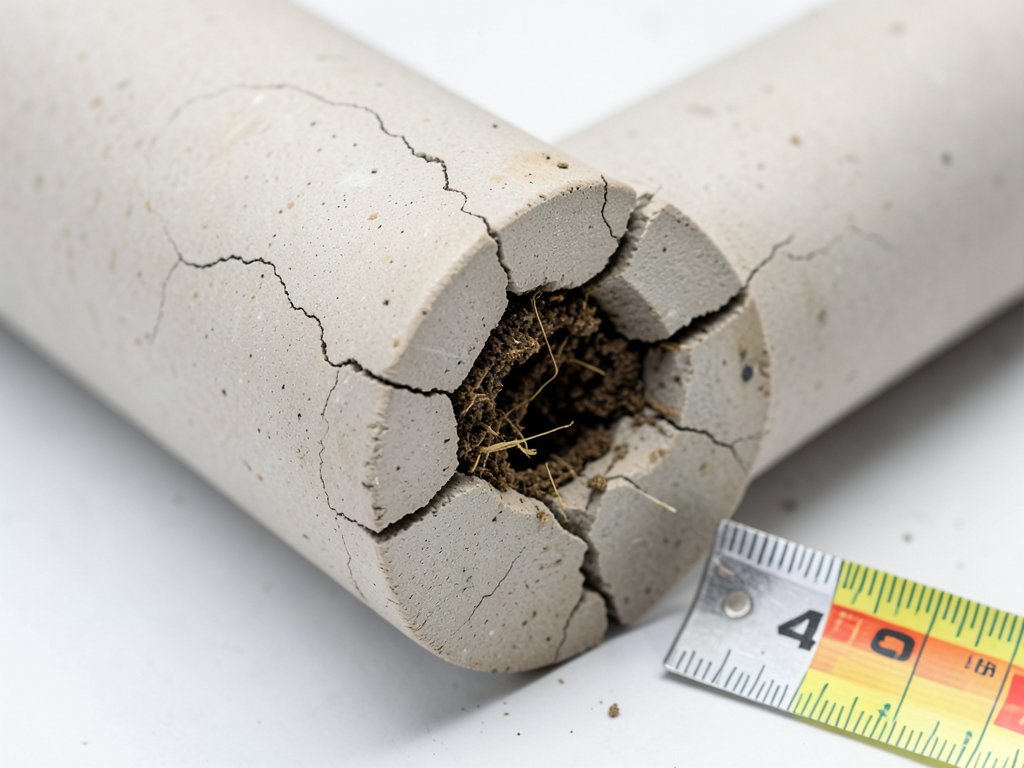
Vitrified clay pipes, common in Birmingham’s older neighborhoods, are particularly vulnerable. These pipes are strong under compression but brittle under tension. When clay soil pushes from all sides during expansion, the pipes develop hairline cracks. Once a crack forms, water seeps into the pipe bedding, creating erosion channels that worsen the problem.. Read more about How Your Downspout Drains Work and Why They Clog During Heavy Birmingham Storms.
Cast iron pipes, often found in mid-century Birmingham homes, face different challenges. While cast iron can flex slightly more than vitrified clay, the constant movement causes the bell and spigot joints to separate. These joints rely on compression gaskets that deteriorate over time, especially when exposed to the wet-dry cycles common in Alabama soil.
Modern PVC pipes handle soil movement better than older materials but still suffer damage. The flexible nature of PVC allows some movement, but the expansion forces can cause fittings to pull apart or create stress points at directional changes. Tree roots also find these stress cracks and exploit them, accelerating the failure process.
Common Signs of Clay Soil Pipe Damage
Recognizing the early warning signs of pipe damage can save Birmingham homeowners thousands in repair costs. Several symptoms indicate your pipes may be suffering from soil-related stress. The Warning Signs Your Mountain Brook Water Heater is About to Fail.
Slow drains throughout the house often signal a developing problem. When pipes crack or joints separate, debris catches on the rough edges, creating partial blockages. You might notice toilets that don’t flush completely or sinks that drain slowly, especially during rainy weather when soil pressure is highest.
Wet spots in your yard that appear during dry weather suggest a broken pipe leaking into the surrounding soil. The escaping water creates a saturated area that remains wet even when other parts of your yard are dry. These spots often feel soft underfoot and may have a distinct sewage odor if the break is in a sewer line.. Read more about What to Look for in a Sewer Lateral Inspection Before Buying Property in Forest Park.
Foundation cracks or shifting can indicate severe soil movement affecting your entire plumbing system. When pipes under your home break, the escaping water erodes soil from beneath the foundation. This creates voids that cause the foundation to settle unevenly, resulting in cracks in walls, uneven floors, or doors that stick.
Gurgling sounds from drains or toilets when other fixtures are used suggest air is entering the system through cracks. This happens when soil pressure causes pipes to separate slightly, creating gaps where air can enter the normally sealed system.
The Impact of Birmingham’s Climate on Soil Movement
Birmingham’s climate creates perfect conditions for soil-related pipe damage. Our region receives an average of 54 inches of rain annually, concentrated in the spring and fall. This precipitation pattern means clay soil experiences frequent saturation cycles.
Summer heat drives moisture from the upper soil layers, causing dramatic contraction. When thunderstorms roll through in the afternoon, the sudden moisture influx causes rapid expansion. This wet-dry cycle repeats throughout the summer, creating tremendous stress on buried pipes.
Winter adds another dimension to the problem. While Birmingham rarely experiences prolonged freezing, occasional hard freezes can cause soil to heave upward. This upward movement, combined with the lateral pressure from expanding clay, creates complex stress patterns that can crack even new pipes.
The EPA recommends regular inspection of plumbing systems in areas with expansive soils. For Birmingham homeowners, this means annual professional inspections are not just recommended but essential for preventing catastrophic failures.
Professional Diagnostic Methods for Clay Soil Pipe Issues
Modern plumbing professionals use several diagnostic tools to identify soil-related pipe damage. These methods allow for accurate assessment without extensive excavation.
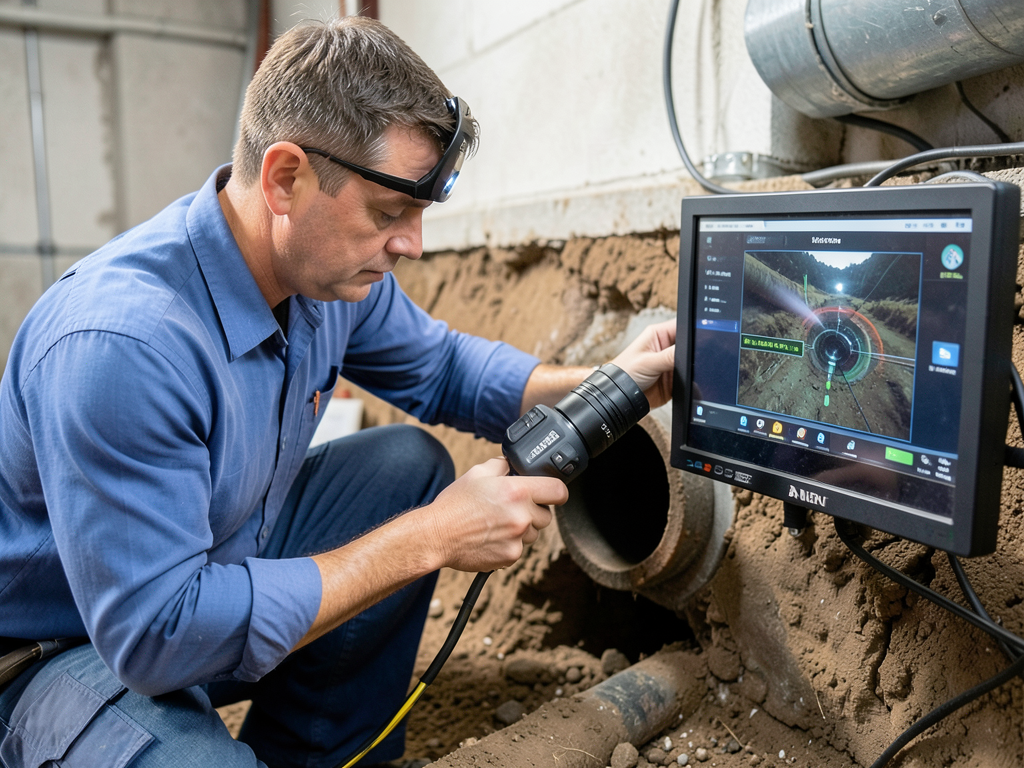
CCTV drain surveys have revolutionized pipe inspection. A small camera mounted on a flexible cable travels through your pipes, transmitting high-resolution video to a monitor. The camera reveals cracks, joint separations, root intrusions, and other damage caused by soil movement. This technology allows technicians to pinpoint exactly where problems exist and assess their severity.
Ground penetrating radar helps locate pipes and identify areas where soil conditions may be causing problems. This non-invasive method creates a subsurface map showing pipe locations, depth, and potential areas of soil erosion or compaction that could affect pipe stability.
Manometry testing measures air pressure changes in your plumbing system. By isolating sections of pipe and introducing controlled air pressure, technicians can identify where leaks exist. This method is particularly useful for finding small cracks that might not be visible on camera but still allow air to escape. Finding a Reliable Emergency Plumber in Hoover Without Getting Overcharged.
Excavation, while more invasive, remains necessary for some situations. When damage is severe or when pipes need replacement, careful excavation allows direct inspection of both the pipe and the surrounding soil conditions. This provides valuable information about the specific soil mechanics affecting your property.
Repair Solutions for Clay Soil Pipe Damage
Several repair methods address clay soil pipe damage, each with advantages for different situations. The choice depends on damage severity, pipe location, and budget considerations.
Trenchless pipe lining offers a minimally invasive solution for many Birmingham homes. This process involves inserting a flexible liner coated with epoxy resin into the damaged pipe. Once in place, the liner is inflated and cured, creating a new pipe within the old one. This method works well for pipes under driveways, landscaping, or other areas where excavation would be costly.
Pipe bursting replaces severely damaged pipes by pulling a new pipe through the old one while simultaneously breaking the old pipe apart. This method requires only small access pits at each end of the damaged section, minimizing landscape disruption. It’s particularly effective for replacing collapsed clay pipes with modern materials.
Traditional excavation remains the best option for some situations. When pipes have completely collapsed or when extensive root intrusion has occurred, complete replacement may be necessary. Modern excavation techniques use precision equipment to minimize damage to surrounding areas.
Spot repairs address specific damaged sections while leaving the rest of the system intact. This approach works well when damage is localized or when budget constraints make full replacement impractical. However, spot repairs must account for ongoing soil movement to prevent future failures at the repair joints.
Preventive Measures for Birmingham Homeowners
While you cannot change Alabama’s soil composition, several strategies help minimize pipe damage from soil movement.
Proper grading around your home ensures water flows away from the foundation rather than saturating the soil near pipes. The ground should slope away from your home at a rate of at least 6 inches over the first 10 feet. This simple measure reduces soil saturation and the resulting expansion pressure on pipes.
Strategic tree placement prevents root systems from seeking moisture in your pipes. Large trees should be planted at least 20 feet from sewer lines, with the distance increasing based on the tree’s mature size. Some Birmingham homeowners install root barriers between trees and pipes to prevent root intrusion.
Soil stabilization techniques can reduce expansion and contraction in problem areas. These methods include adding lime to clay soil to reduce its plasticity or installing drainage systems that control moisture levels around pipes. While more expensive initially, these measures often prevent costly repairs later.
Regular maintenance catches problems early when they’re less expensive to fix. Annual drain cleaning removes buildup that could catch on developing cracks. Professional inspections identify developing issues before they become emergencies. This proactive approach typically costs far less than emergency repairs.
Cost Factors for Clay Soil Pipe Repairs in Birmingham
Repair costs vary significantly based on several factors specific to Birmingham’s conditions. Understanding these factors helps homeowners budget appropriately.
| Repair Method | Typical Cost Range | Best For | Duration |
|---|---|---|---|
| Trenchless Lining | $80 – $250 per foot | Minor to moderate damage | 1-2 days |
| Pipe Bursting | $100 – $300 per foot | Severe damage, full replacement | 2-4 days |
| Spot Repair | $1,500 – $5,000 per section | Localized damage | 1-2 days |
| Traditional Excavation | $50 – $150 per foot | Accessible areas, complete replacement | 3-7 days |
These ranges reflect Birmingham market conditions in 2026. Actual costs depend on specific site conditions, pipe accessibility, and the extent of damage. Trenchless methods typically cost more per foot but often result in lower total project costs because they eliminate landscape restoration expenses.
Emergency repairs command premium pricing, often 25-50% above standard rates. This premium reflects the need for immediate response, after-hours work, and expedited material procurement. Planning repairs during normal business hours typically reduces costs significantly.
Local Building Codes and Regulations
Birmingham plumbing repairs must comply with Jefferson County regulations and Alabama state plumbing codes. These requirements ensure repairs meet safety standards and function properly under local soil conditions.
The Alabama Plumbers and Gas Fitters Examining Board sets licensing requirements for plumbing contractors. Only licensed professionals can perform plumbing repairs in Birmingham, ensuring work meets state standards for quality and safety.
Jefferson County Environmental Services oversees sewer line repairs and connections. Their regulations specify pipe materials, installation depths, and connection methods appropriate for local soil conditions. Permits are required for most plumbing repairs, and inspections verify compliance before final approval.
Building codes require specific materials and installation methods for different applications. For example, PVC pipes used for sewer lines must meet ASTM D3034 standards for dimensional stability and chemical resistance. These requirements ensure pipes can withstand Birmingham’s soil conditions and climate.
Insurance considerations also affect repair decisions. Many homeowner policies cover sudden pipe failures but exclude damage from soil movement or settling. Understanding your coverage helps make informed decisions about repair methods and whether additional protection makes sense.
Case Study: Mountain Brook Home with Clay Soil Damage
A recent project in Mountain Brook illustrates how clay soil affects Birmingham homes. The 1960s-era home experienced recurring sewer backups during heavy rains. Initial snaking provided temporary relief, but problems returned within months.
CCTV inspection revealed multiple cracks in the vitrified clay sewer line where it crossed a low area of the yard. The soil in this area remained saturated for extended periods, causing significant expansion pressure on the pipes. Several joints had separated completely, allowing soil to enter the pipe and create blockages.
The repair involved trenchless pipe lining for most of the damaged section, with selective excavation where joints had completely separated. The crew installed additional cleanouts to improve future maintenance access. The homeowner also installed a French drain system to reduce soil saturation in the problem area.
This project demonstrates how proper diagnosis leads to effective solutions. Simply replacing the damaged section would likely have resulted in future failures at the repair joints. The comprehensive approach addressed both the immediate damage and the underlying soil conditions causing the problem.
Choosing the Right Plumbing Contractor
Not all plumbing contractors have experience with clay soil-related pipe damage. Birmingham homeowners should look for specific qualifications when selecting a contractor.
Experience with local soil conditions matters significantly. Contractors familiar with Birmingham’s clay soil understand the specific challenges these conditions create. They know which repair methods work best in our climate and can recommend preventive measures based on local experience.
Proper licensing and insurance protect homeowners from liability and ensure work meets code requirements. Verify that contractors hold current Alabama plumbing licenses and carry adequate liability insurance. This documentation should be readily available upon request.
Modern diagnostic equipment allows for accurate assessment before repairs begin. Contractors using CCTV inspection, ground penetrating radar, and other diagnostic tools can identify problems precisely and recommend targeted solutions rather than expensive exploratory excavation.
Clear communication about repair options helps homeowners make informed decisions. Good contractors explain the pros and cons of different repair methods, provide detailed written estimates, and discuss how each option addresses the specific soil conditions affecting your property.
Future Trends in Clay Soil Pipe Technology
Plumbing technology continues to evolve, with several innovations showing promise for addressing clay soil challenges in Birmingham.
Advanced composite materials offer improved resistance to soil movement. These materials combine the strength of traditional materials with flexibility that accommodates soil expansion and contraction. Early testing suggests these composites may last significantly longer than traditional materials in expansive clay soils. Advanced Leak Detection Services for Historic Homes in Forest Park.
Smart monitoring systems can detect developing problems before they cause damage. These systems use sensors to monitor pipe conditions, water pressure, and soil moisture levels. When conditions indicate developing problems, the system alerts homeowners or plumbing professionals for early intervention.
Improved installation techniques account for soil movement from the start. These methods include using flexible connectors at pipe joints, installing pipes at depths that minimize soil pressure, and using bedding materials that distribute pressure evenly around pipes.
Biodegradable root inhibitors placed near pipes prevent root intrusion without harming trees or the environment. These products create a zone around pipes where root growth is inhibited, reducing the likelihood of roots finding and exploiting pipe cracks caused by soil movement.
Emergency Response for Severe Pipe Damage
Severe pipe damage requires immediate attention to prevent property damage and health hazards. Understanding emergency procedures helps Birmingham homeowners respond appropriately.
Shut off water immediately if you suspect a broken pipe. Locate your main water shutoff valve, typically near where the water line enters your home. Turning off this valve prevents further water flow through damaged pipes, minimizing flooding and water waste. What to Do Immediately When a Pipe Bursts in Your Birmingham Home.
Avoid using plumbing fixtures if you suspect sewer line damage. Flushing toilets or running water creates additional pressure in damaged pipes, potentially causing more extensive breaks. Use bottled water for drinking and basic hygiene until repairs are complete.
Document damage for insurance purposes. Take photos or videos of affected areas, including any water damage, sewage backup, or property damage. This documentation helps with insurance claims and provides valuable information for repair contractors.
Call a licensed emergency plumber immediately. Professional plumbers have the equipment and expertise to assess damage quickly and implement temporary measures to prevent further damage while permanent repairs are planned.
Long-Term Property Protection Strategies
Beyond immediate repairs, several strategies help protect Birmingham properties from future clay soil pipe damage.
Soil moisture management reduces the expansion and contraction that damages pipes. This includes proper grading, strategic drainage installation, and sometimes soil amendment in problem areas. While these measures require upfront investment, they often prevent costly repairs later.
Regular professional inspections catch developing problems early. Annual CCTV inspections of main sewer lines and periodic assessment of other underground pipes identify issues when they’re small and inexpensive to fix. This preventive approach typically costs far less than emergency repairs.
Landscape planning considers the impact on underground utilities. Choose plants with appropriate root systems for their location relative to pipes. Consider how irrigation systems affect soil moisture near pipes. Thoughtful landscape design can significantly reduce soil-related pipe damage.
Documentation of your plumbing system helps with future maintenance and repairs. Keep records of pipe locations, materials, installation dates, and any repairs performed. This information proves invaluable when problems develop or when planning landscape changes that might affect underground utilities.
Frequently Asked Questions
How can I tell if my pipes are damaged by clay soil?
Look for slow drains, wet spots in your yard during dry weather, foundation cracks, gurgling sounds from fixtures, or recurring drain clogs. These symptoms often indicate soil-related pipe damage requiring professional inspection.
How often should I have my pipes inspected in Birmingham?
Annual professional inspections are recommended for Birmingham homes, especially those over 20 years old or located in areas with known clay soil issues. Regular inspections catch problems early when repairs are less expensive.
Can I prevent clay soil from damaging my pipes?
While you cannot change soil composition, you can minimize damage through proper grading, strategic tree placement, soil stabilization techniques, and regular maintenance. These measures significantly reduce the risk of soil-related pipe failures.
How long do pipe repairs typically last in clay soil?
Quality repairs using modern materials and techniques typically last 20-50 years in clay soil, depending on soil conditions and maintenance. Trenchless methods and proper installation techniques maximize repair longevity.
Is pipe relining better than replacement for clay soil damage?
Relining works well for many situations and is less invasive than replacement. However, severely damaged pipes or those with extensive root intrusion may require replacement. A professional inspection determines the best approach for your specific situation.
Protect Your Home from Clay Soil Pipe Damage
Understanding how Alabama’s heavy clay soil affects underground pipes is the first step toward protecting your Birmingham home. The expansion and contraction of clay soil create tremendous pressure on buried pipes, leading to cracks, joint separations, and eventual failure. By recognizing early warning signs, choosing appropriate repair methods, and implementing preventive measures, you can avoid the costly damage that soil-related pipe failures cause.
Fortress Plumbing Birmingham has served the Birmingham area for years, developing expertise in handling the unique challenges our local soil conditions create. Our technicians use modern diagnostic equipment to accurately assess pipe damage and recommend solutions tailored to your specific situation. Whether you need emergency repairs, preventive maintenance, or complete system replacement, we have the experience and equipment to protect your home from clay soil damage.
Don’t wait for a small problem to become a major emergency. Call (659) 234-8600 today to schedule your professional pipe inspection. Our experienced technicians will assess your system, explain your options, and recommend the most cost-effective solution for your Birmingham home. Protect your property and your peace of mind with Fortress Plumbing Birmingham.
Pick up the phone and call (659) 234-8600 before the next Alabama storm hits. Your pipes are already under stress from our clay soil – don’t let a heavy rain be the final straw that causes catastrophic failure. We’re ready to help you protect your home today.
- Schedule Professional Inspection
Have a licensed plumber inspect your pipes using CCTV technology to identify existing damage or vulnerable areas.
- Address Immediate Problems
Repair any identified damage using appropriate methods for your specific soil conditions and pipe materials.
- Implement Preventive Measures
Install proper grading, drainage systems, or soil stabilization techniques to reduce future soil movement damage.
- Establish Maintenance Schedule
Set up regular inspections and cleaning to catch developing problems before they become emergencies.
{
“@context”: “https://schema.org”,
“@type”: “BlogPosting”,
“headline”: “How the Heavy Clay Soil in Alabama Causes Your Underground Pipes to Shift and Break”,
“description”: “Learn why Birmingham’s heavy clay soil causes underground pipes to shift and break. Expert insights on drainage issues, soil mechanics, and local repair solutions from Fortress Plumbing.”,
“wordCount”: 3251,
“datePublished”: “2026-05-19T07:22:00.000Z”,
“dateModified”: “2026-05-19T07:22:00.000Z”,
“inLanguage”: “en-US”,
“mainEntityOfPage”: {
“@type”: “WebPage”,
“@id”: “https://fortressplumbingbirmingham.com”
},
“publisher”: {
“@type”: “LocalBusiness”,
“name”: “Fortress Plumbing Birmingham”,
“url”: “https://fortressplumbingbirmingham.com”
},
“author”: {
“@type”: “Organization”,
“name”: “Fortress Plumbing Birmingham”,
“url”: “https://fortressplumbingbirmingham.com”
},
“image”: {
“@type”: “ImageObject”,
“url”: “https://fortressplumbingbirmingham.com/wp-content/uploads/2026/03/how-the-heavy-clay-soil-in-alabama-causes-your-und-1.png”
}
}
{
“@context”: “https://schema.org”,
“@type”: “Plumber”,
“name”: “Fortress Plumbing Birmingham”,
“url”: “https://fortressplumbingbirmingham.com”,
“address”: {
“@type”: “PostalAddress”,
“addressLocality”: “Birmingham”
},
“areaServed”: {
“@type”: “City”,
“name”: “Birmingham”
}
}
{
“@context”: “https://schema.org”,
“@type”: “FAQPage”,
“mainEntity”: [
{
“@type”: “Question”,
“name”: “How can I tell if my pipes are damaged by clay soil?”,
“acceptedAnswer”: {
“@type”: “Answer”,
“text”: “Look for slow drains, wet spots in your yard during dry weather, foundation cracks, gurgling sounds from fixtures, or recurring drain clogs. These symptoms often indicate soil-related pipe damage requiring professional inspection.”
}
},
{
“@type”: “Question”,
“name”: “How often should I have my pipes inspected in Birmingham?”,
“acceptedAnswer”: {
“@type”: “Answer”,
“text”: “Annual professional inspections are recommended for Birmingham homes, especially those over 20 years old or located in areas with known clay soil issues. Regular inspections catch problems early when repairs are less expensive.”
}
},
{
“@type”: “Question”,
“name”: “Can I prevent clay soil from damaging my pipes?”,
“acceptedAnswer”: {
“@type”: “Answer”,
“text”: “While you cannot change soil composition, you can minimize damage through proper grading, strategic tree placement, soil stabilization techniques, and regular maintenance. These measures significantly reduce the risk of soil-related pipe failures.”
}
},
{
“@type”: “Question”,
“name”: “How long do pipe repairs typically last in clay soil?”,
“acceptedAnswer”: {
“@type”: “Answer”,
“text”: “Quality repairs using modern materials and techniques typically last 20-50 years in clay soil, depending on soil conditions and maintenance. Trenchless methods and proper installation techniques maximize repair longevity.”
}
},
{
“@type”: “Question”,
“name”: “Is pipe relining better than replacement for clay soil damage?”,
“acceptedAnswer”: {
“@type”: “Answer”,
“text”: “Relining works well for many situations and is less invasive than replacement. However, severely damaged pipes or those with extensive root intrusion may require replacement. A professional inspection determines the best approach for your specific situation.”
}
}
]
}
{
“@context”: “https://schema.org”,
“@type”: “HowTo”,
“name”: “How to Protect Your Pipes from Clay Soil Damage”,
“step”: [
{
“@type”: “HowToStep”,
“position”: 1,
“name”: “Schedule Professional Inspection”,
“text”: “Have a licensed plumber inspect your pipes using CCTV technology to identify existing damage or vulnerable areas.”
},
{
“@type”: “HowToStep”,
“position”: 2,
“name”: “Address Immediate Problems”,
“text”: “Repair any identified damage using appropriate methods for your specific soil conditions and pipe materials.”
},
{
“@type”: “HowToStep”,
“position”: 3,
“name”: “Implement Preventive Measures”,
“text”: “Install proper grading, drainage systems, or soil stabilization techniques to reduce future soil movement damage.”
},
{
“@type”: “HowToStep”,
“position”: 4,
“name”: “Establish Maintenance Schedule”,
“text”: “Set up regular inspections and cleaning to catch developing problems before they become emergencies.”
}
],
“image”: “https://fortressplumbingbirmingham.com/wp-content/uploads/2026/03/how-the-heavy-clay-soil-in-alabama-causes-your-und-1.png”
}
{
“@context”: “https://schema.org”,
“@type”: “BreadcrumbList”,
“itemListElement”: [
{
“@type”: “ListItem”,
“position”: 1,
“name”: “Home”,
“item”: “https://fortressplumbingbirmingham.com”
},
{
“@type”: “ListItem”,
“position”: 2,
“name”: “Blog”,
“item”: “https://fortressplumbingbirmingham.com/blog”
},
{
“@type”: “ListItem”,
“position”: 3,
“name”: “How the Heavy Clay Soil in Alabama Causes Your Underground Pipes to Shift and Break”
}
]
}
{
“@context”: “https://schema.org”,
“@type”: “Service”,
“serviceType”: “Plumbing”,
“provider”: {
“@type”: “LocalBusiness”,
“name”: “Fortress Plumbing Birmingham”,
“url”: “https://fortressplumbingbirmingham.com”
},
“areaServed”: {
“@type”: “City”,
“name”: “Birmingham”
},
“description”: “Learn why Birmingham’s heavy clay soil causes underground pipes to shift and break. Expert insights on drainage issues, soil mechanics, and local repair solutions from Fortress Plumbing.”
}