
Your water heater expansion tank is dripping because the internal rubber bladder has failed or the tank’s air charge has been lost. This creates a waterlogged condition where pressure from thermal expansion forces water past the tank’s seals. In Birmingham homes with closed-loop plumbing systems, this dripping is often the first sign of a failing expansion tank that could lead to dangerous pressure buildup in your water heater. Plumbing Mountain Brook.
A leaking expansion tank isn’t just a minor nuisance—it’s a warning sign that your plumbing system lacks proper pressure relief. When water heats up in your tank, it expands by about 2-3%. Without a functioning expansion tank, this extra volume has nowhere to go, potentially causing your temperature and pressure relief valve to discharge or, in extreme cases, damaging your water heater. The Warning Signs Your Mountain Brook Water Heater is About to Fail.
In Birmingham’s service area, we commonly see expansion tanks fail after 5-10 years due to our water’s mineral content and the natural degradation of the internal diaphragm. The good news is that replacement is straightforward when handled by a licensed plumber who understands local code requirements.. Read more about Why High Water Pressure is Secretly Damaging the Appliances in Your Pelham Home.
Immediate Safety Check: Is Your Dripping Tank Dangerous?
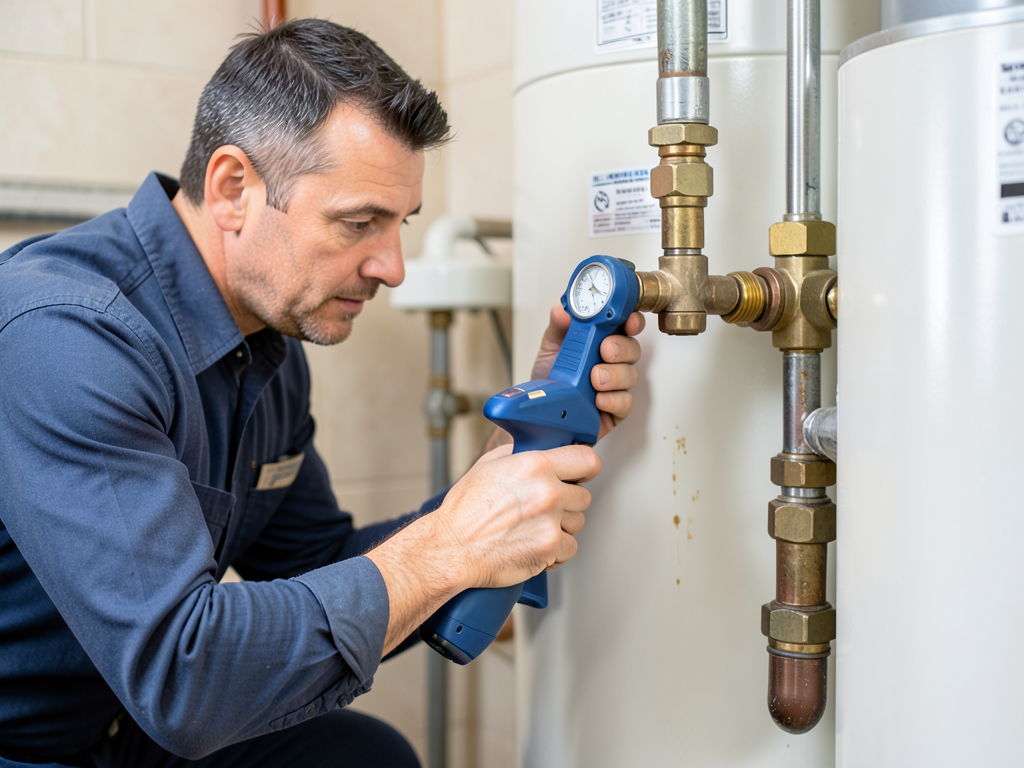
Before you do anything else, determine if your dripping expansion tank poses an immediate safety risk. A small drip from the threaded fitting might be a loose connection, but consistent dripping from the tank body itself indicates internal failure.
Here’s how to perform a quick safety assessment:
- Visual Inspection
Check where the water is coming from. If it’s dripping from the threaded connection where the tank meets the water line, you might have a loose fitting. If water is coming from the tank body or the air valve (Schrader valve) on top, the internal bladder has likely failed.. Read more about Sizing a Water Heater for Large Multi Generational Households in Greystone.
- Pressure Check
Use a tire pressure gauge on the Schrader valve. A working tank should read 40-50 PSI when the system is cold. If water comes out instead of air, or the pressure reads zero, the tank is waterlogged.
- Temperature Test
Carefully touch the tank when the water heater is hot. A properly functioning tank will feel warm on the bottom (where it contacts hot water) but cool on top (where air is trapped). If the entire tank feels hot, the air cushion is gone.
If you notice any of these warning signs, your expansion tank needs immediate attention. Call (659) 234-8600 for a professional inspection before pressure damage occurs.
4 Common Causes of a Leaking Expansion Tank
Understanding why your expansion tank is leaking helps you prevent future failures and recognize when replacement is necessary. Here are the four most common causes we see in Birmingham homes:
| Cause | Symptoms | Typical Lifespan Impact |
|---|---|---|
| Failed Internal Rubber Bladder | Water at air valve, tank feels heavy, consistent dripping | 5-7 years |
| Loose or Corroded Threaded Connections | Drip at tank fitting, visible corrosion, worsens over time | Can extend tank life if caught early |
| High Household Water Pressure | Multiple plumbing leaks, loud water hammer, tank failure under 80+ PSI | Accelerates all failures |
| Improper Air Charge | Fluctuating pressure, T&P valve discharge, inconsistent dripping | Can be corrected if caught early |
1. Failed Internal Rubber Bladder
The expansion tank contains a rubber diaphragm that separates the water from a compressed air chamber. Over time, this bladder deteriorates due to constant flexing, temperature changes, and water chemistry. When it fails, the air and water mix, eliminating the pressure buffer. EPA Water Pressure Guidelines.
In Birmingham’s service area, we often see accelerated bladder failure in homes with hard water. The Jefferson County area’s water contains minerals that can affect rubber components over time. Homes in areas like Hoover and Vestavia Hills with municipal water from the Birmingham Water Works Board typically experience this failure around the 5-7 year mark.
2. Loose or Corroded Threaded Connections
The threaded fitting connecting your expansion tank to the water line can work loose over time due to thermal expansion and contraction. Additionally, galvanic corrosion between dissimilar metals (often brass fittings and steel tanks) creates leaks at connection points.
We frequently see this issue in older Birmingham neighborhoods like Mountain Brook and Homewood where homes may have mixed metal plumbing systems. The corrosion process accelerates when the connection isn’t properly sealed with plumber’s tape or when dissimilar metals contact without a dielectric union. Plumbing Financing Options.
3. High Household Water Pressure
Birmingham’s municipal water pressure typically ranges from 50-70 PSI, but pressure can spike higher due to supply issues or failing pressure reducing valves. When household pressure exceeds 80 PSI, it puts excessive stress on all plumbing components, including expansion tanks.
High pressure causes the expansion tank to work harder than designed, leading to premature bladder failure. You might notice other symptoms like rattling pipes, toilet fill valves that won’t shut off, or faucets that drip when other fixtures are used.
4. Improper Air Charge
Expansion tanks require a specific air charge (typically 40-50 PSI for residential systems) to function correctly. If the air charge is too low, the tank can’t accommodate thermal expansion. If it’s too high, the tank provides insufficient pressure buffering.
This issue often occurs after DIY installations or when tanks aren’t properly pressurized during replacement. The tank may work temporarily but fail within months as the air charge equalizes with water pressure.
How to Diagnose the Leak: The Tap Test
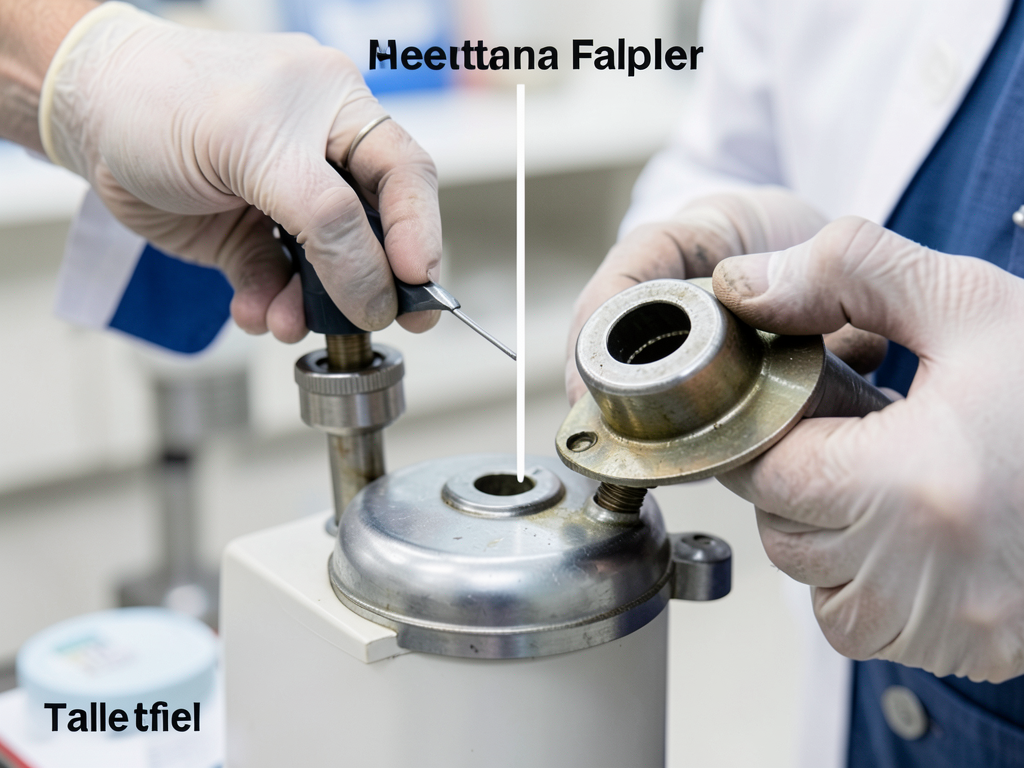
The most reliable way to diagnose an expansion tank problem is the tap test. This simple diagnostic procedure tells you instantly whether your tank is functioning properly or needs replacement. Finding a Reliable Emergency Plumber in Hoover Without Getting Overcharged.
Here’s how to perform the tap test:
- Equipment Needed
All you need is a metal object like a screwdriver handle or a small wrench.
- Tap the Tank
Starting at the top of the tank, tap firmly with your metal object. Move down the tank in one-inch increments.
- Listen for Sound Changes
A healthy tank will produce a consistent hollow sound throughout. If you hear a sudden change from hollow to solid about halfway down, your bladder has failed.
- Interpret Results
If the entire tank sounds solid, it’s completely waterlogged and needs immediate replacement. If it sounds hollow throughout, your tank is likely functioning properly and the leak is from a connection issue.
This test works because a functioning expansion tank has an air chamber on top that produces a hollow sound when tapped. When the bladder fails, the entire tank fills with water, creating a solid sound throughout.
Another diagnostic tool is checking the Schrader valve. Remove the cap and press the valve pin with a small screwdriver. If water sprays out, the bladder has definitely failed. You should only get air from a functioning valve.
Can You Repair a Leaking Tank?
The short answer is no—expansion tanks are not designed to be repaired. The internal diaphragm is a sealed component, and once it fails, the tank must be replaced. However, understanding what can and cannot be repaired helps you make informed decisions.
What CAN be repaired:
- Loose threaded connections (re-sealing with proper tape)
- Corroded fittings (replacing with new brass or dielectric fittings)
- Incorrect air charge (re-pressurizing with a bicycle pump)
What CANNOT be repaired:
- Failed internal bladder
- Corrosion-through of the tank body
- Failed Schrader valve (though sometimes replaceable)
- Internal weld failures
Attempting to repair a fundamentally failed expansion tank is dangerous. The tank’s purpose is to prevent dangerous pressure buildup, and a compromised tank cannot provide this protection. In Birmingham, where many homes have closed plumbing systems with backflow preventers, a failed expansion tank creates a serious safety hazard.
According to the International Plumbing Code (IPC) Section 604.9, thermal expansion control is mandatory in closed-loop systems. A leaking or failed expansion tank violates this code requirement and creates liability for property damage. International Plumbing Code Thermal Expansion Requirements.
Birmingham Plumbing Codes & Professional Replacement
In Birmingham and throughout Jefferson County, thermal expansion tanks are required by local amendments to the IPC when homes have backflow preventers or pressure reducing valves. This requirement stems from the Alabama Plumbers and Gas Fitters Examining Board regulations that adopt and modify national codes for local use.
The specific requirements for expansion tank installation in Birmingham include:
- Proper tank sizing based on water heater capacity (typically 2-5 gallons for residential)
- Installation on the cold water line near the water heater
- Mounting orientation that prevents air binding (usually vertical with air side up)
- Pressure rating matching or exceeding system pressure
- Accessible location for maintenance and inspection
Professional replacement involves more than just swapping tanks. A licensed Birmingham plumber will:
- Check system pressure with a calibrated gauge
- Verify the correct tank size for your water heater capacity
- Ensure proper pre-charging of the new tank
- Check for other pressure-related issues (failing pressure reducing valve, closed-system backflow preventer)
- Test the entire system for leaks after installation
The cost of professional replacement in the Birmingham area typically ranges from $250-$450, depending on tank size, accessibility, and whether additional pressure issues are discovered. This investment protects your water heater from premature failure and prevents potential flooding from pressure relief valve discharge.
Fortress Plumbing Birmingham serves neighborhoods throughout the metro area, from downtown Birmingham to surrounding communities like Hoover, Vestavia Hills, and Mountain Brook. Our technicians understand the specific plumbing challenges in each area, from the historic homes in Forest Park with their aging infrastructure to the newer developments in Trussville with modern PEX plumbing.
Preventing Future Expansion Tank Failures
While expansion tanks have a finite lifespan, you can maximize their service life and prevent premature failures with proper maintenance and system monitoring.
Annual Maintenance Checklist:
- Test the air charge every 6 months using a tire pressure gauge
- Inspect threaded connections for corrosion or moisture
- Check system pressure annually (should be 50-70 PSI)
- Listen for water hammer noises that indicate pressure issues
- Inspect the T&P valve discharge pipe annually for signs of leakage
System Upgrades to Consider:
- Install a pressure reducing valve if pressure exceeds 70 PSI
- Add a water hammer arrestor if you hear banging pipes
- Consider a whole-house water pressure gauge for monitoring
- Replace old gate valves with quarter-turn ball valves for better reliability
Many Birmingham homeowners don’t realize that their expansion tank is part of a larger pressure management system. Issues with one component often affect others. For example, a failing pressure reducing valve can cause repeated expansion tank failures, while high municipal pressure can damage both components.
Fortress Plumbing offers comprehensive pressure management system inspections that evaluate your entire plumbing system’s ability to handle thermal expansion safely. This holistic approach prevents the cascade of failures that often occurs when one pressure control component fails.
When to Call a Professional Immediately
While some plumbing issues can wait for regular business hours, certain expansion tank problems require immediate professional attention. Call (659) 234-8600 right away if you notice:
- Water leaking from the T&P valve discharge pipe (dangerous pressure buildup)
- Steam or boiling sounds from your water heater
- Water leaking from electrical components or the water heater’s top
- Significant water damage around your water heater
- Multiple plumbing fixtures experiencing pressure issues simultaneously
These symptoms indicate dangerous pressure conditions that could lead to water heater failure or even explosion in extreme cases. The T&P valve is a critical safety device, but it’s not designed for continuous discharge. If it’s leaking, your expansion tank or another pressure control component has failed.
Fortress Plumbing provides 24/7 emergency service throughout Birmingham and surrounding communities. Our fully stocked service vehicles carry common replacement parts, allowing us to resolve most expansion tank issues in a single visit.
Frequently Asked Questions
How long should a water heater expansion tank last?
Most expansion tanks last 5-10 years, depending on water quality, system pressure, and usage patterns. Birmingham’s water chemistry and the prevalence of closed-loop systems in newer homes typically result in 5-7 year lifespans for the internal bladder.
Can I install an expansion tank myself?
While DIY installation is possible, it’s not recommended. Improper installation can violate local plumbing codes, create safety hazards, and void water heater warranties. Professional installation ensures proper sizing, pressure charging, and code compliance.
Why did my expansion tank fail so quickly?
Premature failure often results from high system pressure, water hammer, or manufacturing defects. Homes with pressure reducing valves that aren’t functioning correctly or those on municipal systems with pressure spikes are particularly susceptible to early expansion tank failure.
Is a leaking expansion tank an emergency?
A small drip might not be immediately dangerous, but it indicates a failing component that could lead to pressure relief valve discharge or water heater damage. If you notice T&P valve discharge or steam sounds, that constitutes a plumbing emergency requiring immediate attention. What to Do Immediately When a Pipe Bursts in Your Birmingham Home.
How much does it cost to replace an expansion tank in Birmingham?
Professional replacement typically costs $250-$450 in the Birmingham area, including the new tank, installation, and system testing. Complex installations or those requiring additional pressure management components may cost more.
Don’t ignore a dripping expansion tank. What starts as a small leak can quickly escalate into costly water damage or dangerous pressure conditions. Call Fortress Plumbing Birmingham at (659) 234-8600 today to schedule your professional inspection and keep your plumbing system operating safely.
Our experienced technicians serve all Birmingham neighborhoods with prompt, professional service. Whether you’re in downtown Birmingham, Hoover, Vestavia Hills, or anywhere in between, we’re ready to help protect your home from plumbing emergencies.
You may also find this helpful. Managing Pipe Sweating and Condensation During the Humid Birmingham Summer.
{
“@context”: “https://schema.org”,
“@type”: “BlogPosting”,
“headline”: “Why Your Water Heater Expansion Tank is Dripping and What it Means for Your Plumbing”,
“description”: “Is your water heater expansion tank leaking? Learn the causes, safety risks, and when to call a Birmingham plumber. Expert advice from Fortress Plumbing.”,
“wordCount”: 2238,
“datePublished”: “2026-05-24T12:35:00.000Z”,
“dateModified”: “2026-05-24T12:35:00.000Z”,
“inLanguage”: “en-US”,
“mainEntityOfPage”: {
“@type”: “WebPage”,
“@id”: “https://fortressplumbingbirmingham.com”
},
“publisher”: {
“@type”: “LocalBusiness”,
“name”: “Fortress Plumbing Birmingham”,
“url”: “https://fortressplumbingbirmingham.com”
},
“author”: {
“@type”: “Organization”,
“name”: “Fortress Plumbing Birmingham”,
“url”: “https://fortressplumbingbirmingham.com”
},
“image”: {
“@type”: “ImageObject”,
“url”: “https://fortressplumbingbirmingham.com/wp-content/uploads/2026/03/why-your-water-heater-expansion-tank-is-dripping-a-1.png”
}
}
{
“@context”: “https://schema.org”,
“@type”: “Plumber”,
“name”: “Fortress Plumbing Birmingham”,
“url”: “https://fortressplumbingbirmingham.com”,
“address”: {
“@type”: “PostalAddress”,
“addressLocality”: “Birmingham”
},
“areaServed”: {
“@type”: “City”,
“name”: “Birmingham”
}
}
{
“@context”: “https://schema.org”,
“@type”: “FAQPage”,
“mainEntity”: [
{
“@type”: “Question”,
“name”: “Can You Repair a Leaking Tank?”,
“acceptedAnswer”: {
“@type”: “Answer”,
“text”: “The short answer is no—expansion tanks are not designed to be repaired. The internal diaphragm is a sealed component, and once it fails, the tank must be replaced. However, understanding what can and cannot be repaired helps you make informed decisions.”
}
},
{
“@type”: “Question”,
“name”: “How long should a water heater expansion tank last?”,
“acceptedAnswer”: {
“@type”: “Answer”,
“text”: “Most expansion tanks last 5-10 years, depending on water quality, system pressure, and usage patterns. Birmingham’s water chemistry and the prevalence of closed-loop systems in newer homes typically result in 5-7 year lifespans for the internal bladder.”
}
},
{
“@type”: “Question”,
“name”: “Can I install an expansion tank myself?”,
“acceptedAnswer”: {
“@type”: “Answer”,
“text”: “While DIY installation is possible, it’s not recommended. Improper installation can violate local plumbing codes, create safety hazards, and void water heater warranties. Professional installation ensures proper sizing, pressure charging, and code compliance.”
}
},
{
“@type”: “Question”,
“name”: “Why did my expansion tank fail so quickly?”,
“acceptedAnswer”: {
“@type”: “Answer”,
“text”: “Premature failure often results from high system pressure, water hammer, or manufacturing defects. Homes with pressure reducing valves that aren’t functioning correctly or those on municipal systems with pressure spikes are particularly susceptible to early expansion tank failure.”
}
},
{
“@type”: “Question”,
“name”: “Is a leaking expansion tank an emergency?”,
“acceptedAnswer”: {
“@type”: “Answer”,
“text”: “A small drip might not be immediately dangerous, but it indicates a failing component that could lead to pressure relief valve discharge or water heater damage. If you notice T&P valve discharge or steam sounds, that constitutes a plumbing emergency requiring immediate attention. What to Do Immediately When a Pipe Bursts in Your Birmingham Home.”
}
},
{
“@type”: “Question”,
“name”: “How much does it cost to replace an expansion tank in Birmingham?”,
“acceptedAnswer”: {
“@type”: “Answer”,
“text”: “Professional replacement typically costs $250-$450 in the Birmingham area, including the new tank, installation, and system testing. Complex installations or those requiring additional pressure management components may cost more.”
}
}
]
}
{
“@context”: “https://schema.org”,
“@type”: “HowTo”,
“name”: “How to Check Your Expansion Tank Safety”,
“step”: [
{
“@type”: “HowToStep”,
“position”: 1,
“name”: “Visual Inspection”,
“text”: “Check where the water is coming from. If it’s dripping from the threaded connection where the tank meets the water line, you might have a loose fitting. If water is coming from the tank body or the air valve (Schrader valve) on top, the internal bladder has likely failed.”
},
{
“@type”: “HowToStep”,
“position”: 2,
“name”: “Pressure Check”,
“text”: “Use a tire pressure gauge on the Schrader valve. A working tank should read 40-50 PSI when the system is cold. If water comes out instead of air, or the pressure reads zero, the tank is waterlogged.”
},
{
“@type”: “HowToStep”,
“position”: 3,
“name”: “Temperature Test”,
“text”: “Carefully touch the tank when the water heater is hot. A properly functioning tank will feel warm on the bottom (where it contacts hot water) but cool on top (where air is trapped). If the entire tank feels hot, the air cushion is gone.”
}
],
“image”: “https://fortressplumbingbirmingham.com/wp-content/uploads/2026/03/why-your-water-heater-expansion-tank-is-dripping-a-1.png”
}
{
“@context”: “https://schema.org”,
“@type”: “BreadcrumbList”,
“itemListElement”: [
{
“@type”: “ListItem”,
“position”: 1,
“name”: “Home”,
“item”: “https://fortressplumbingbirmingham.com”
},
{
“@type”: “ListItem”,
“position”: 2,
“name”: “Blog”,
“item”: “https://fortressplumbingbirmingham.com/blog”
},
{
“@type”: “ListItem”,
“position”: 3,
“name”: “Why Your Water Heater Expansion Tank is Dripping and What it Means for Your Plumbing”
}
]
}
{
“@context”: “https://schema.org”,
“@type”: “Service”,
“serviceType”: “Plumbing”,
“provider”: {
“@type”: “LocalBusiness”,
“name”: “Fortress Plumbing Birmingham”,
“url”: “https://fortressplumbingbirmingham.com”
},
“areaServed”: {
“@type”: “City”,
“name”: “Birmingham”
},
“description”: “Is your water heater expansion tank leaking? Learn the causes, safety risks, and when to call a Birmingham plumber. Expert advice from Fortress Plumbing.”
}