Clearing a Clogged AC Condensate Line to Prevent Water Damage in Your Gardendale Home
A clogged AC condensate line can quickly turn from a minor inconvenience into a major water damage disaster in your Gardendale home. During Birmingham’s humid summers, your air conditioner works overtime to remove moisture from the air. That moisture collects in the condensate line and drains away from your home. When that drain line gets blocked by algae, mold, or debris, water backs up and can overflow into your walls, ceilings, or floors.
You will know something is wrong when you see water pooling around your indoor AC unit, smell musty odors near your vents, or notice your AC shutting off unexpectedly. Many modern systems have a float switch that automatically turns off the unit when water backs up, preventing catastrophic flooding but leaving you without cooling on a hot Alabama day.
The good news is that most homeowners can clear a simple clog themselves with basic tools and a little know-how. This guide will walk you through the warning signs, the step-by-step clearing process, and when it is time to call a professional plumber before minor damage becomes a major repair bill. EPA mold prevention guidelines.
Signs Your AC Drain Line is Clogged
Water damage from a clogged condensate line often starts subtly. You might notice a small puddle near your indoor air handler or a damp spot on the ceiling below your attic unit. These early warning signs are easy to miss if you do not know what to look for. The Warning Signs Your Mountain Brook Water Heater is About to Fail.
Musty or moldy smells coming from your vents indicate water is sitting somewhere it should not be. The damp environment inside a clogged drain line creates the perfect breeding ground for mold and mildew, which then spreads through your home’s air circulation.</p
Your AC unit may shut off completely when the float switch triggers. This safety feature prevents water overflow but leaves you without cooling during Birmingham’s hottest months. If your system keeps cycling on and off or fails to start, a clogged drain line could be the culprit.
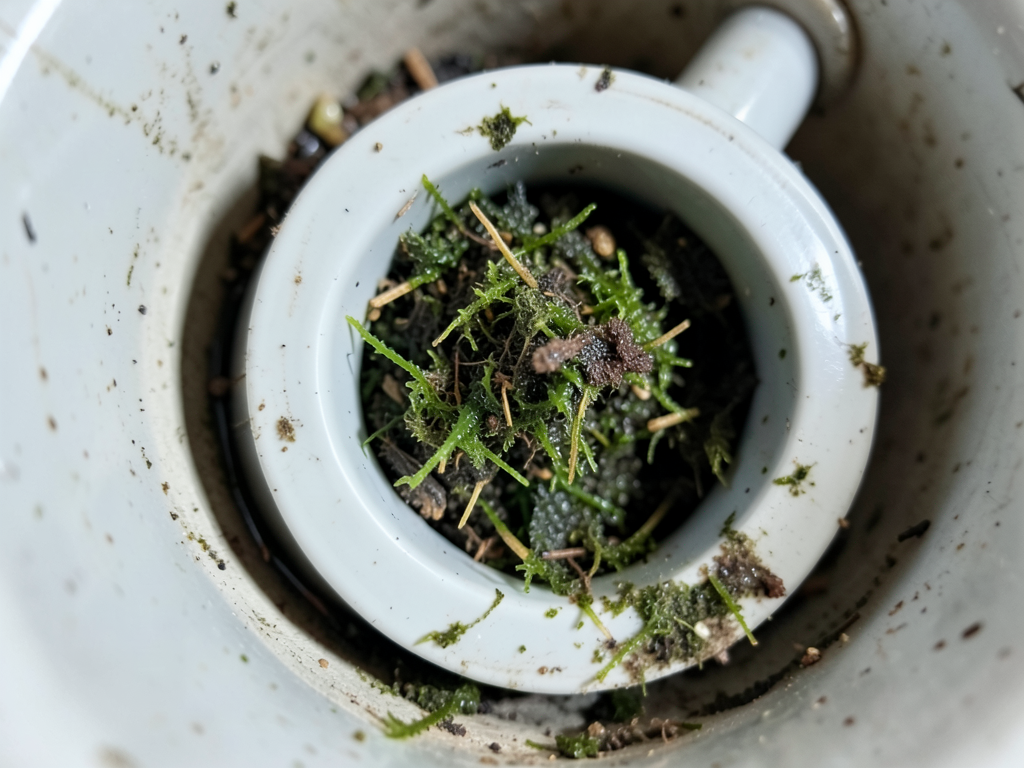
Visible algae or mold growth around the PVC drain line access point is another clear indicator. The warm, moist conditions in your attic or utility closet create ideal conditions for these organisms to thrive and eventually block the narrow drain passage.
Increased indoor humidity levels, even when your AC runs constantly, suggest the system cannot properly remove moisture from the air. This often happens when water backs up in the drain line and the evaporator coil cannot function efficiently.
Step-by-Step DIY: How to Clear the Clog
Clearing a clogged AC condensate line requires minimal tools but maximum attention to safety. Always turn off power to your HVAC system at the breaker before attempting any work. This prevents electrical shock and protects your equipment from damage.
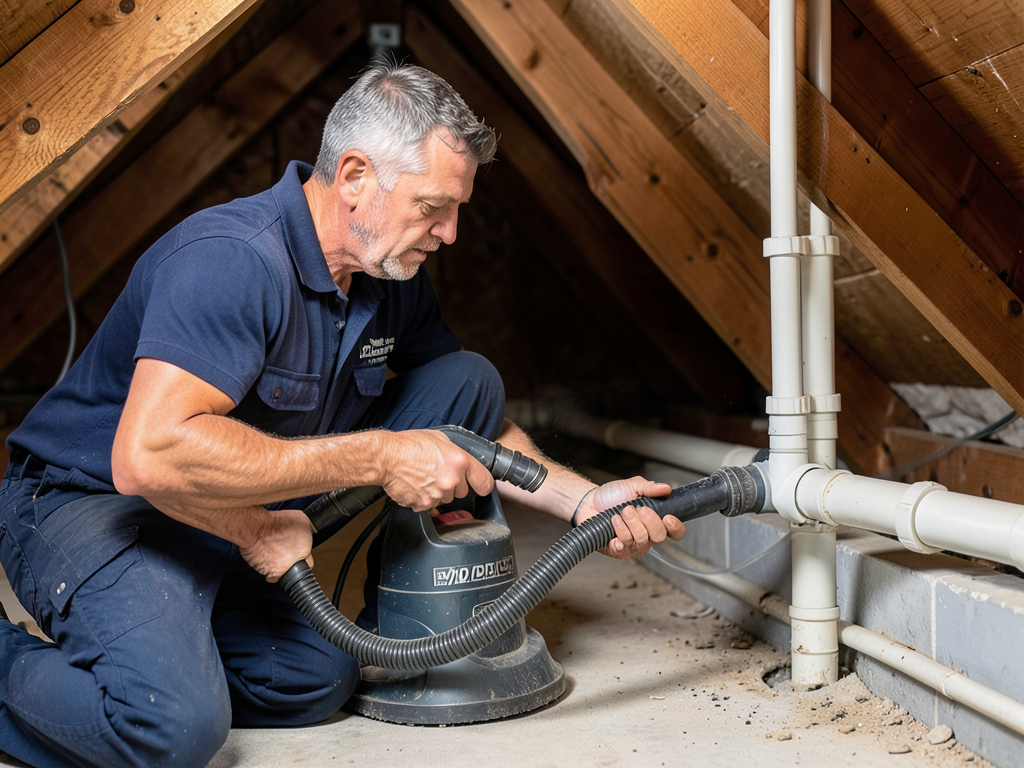
Locate the main drain line access point, typically a T-shaped PVC fitting with a cap near your indoor air handler. Some homes in Gardendale have the access point in the attic, while others locate it near the utility closet. The secondary drain pan, if present, often has its own drain line that may also need clearing.
Using a wet/dry vacuum is the most effective DIY method. Attach the vacuum hose to the drain line outlet outside your home, create a tight seal with duct tape, and run the vacuum for several minutes. This suction often pulls out the clog along with accumulated debris and algae.
For stubborn clogs, try the vinegar flush method. Pour a cup of distilled white vinegar into the drain line access point and let it sit for 30 minutes. The acetic acid breaks down algae and mineral deposits without damaging your PVC pipes. Follow with warm water to flush the line clear.
Inspect the drain pan while you have access. Small cracks or corrosion can cause leaks even when the drain line is clear. Clean the pan thoroughly and check for proper drainage slope toward the drain opening.
Test your work by pouring a small amount of water into the drain line. It should flow freely to the exterior outlet. If water backs up or drains slowly, the clog may be deeper in the system or indicate a more serious issue.
Why Birmingham’s Humidity Makes Clogs More Frequent
Birmingham’s humid subtropical climate creates conditions that accelerate algae and mold growth in AC condensate lines. Our average summer humidity levels often exceed 70%, providing constant moisture that feeds biological growth in the cool, dark environment of your drain line.
The Jefferson County area experiences approximately 55 inches of rainfall annually, with peak precipitation during summer thunderstorm season. This moisture-laden air means your AC system extracts more water from the indoor environment, increasing the volume flowing through condensate lines and the potential for clogs.
Gardendale homes, particularly those built before 2000, often have longer drain line runs due to attic installations common in our region. These extended runs provide more surface area for algae to grow and more opportunities for debris to accumulate before reaching the exterior outlet.
Soil composition in Jefferson County, with its clay content, affects how homes are built and where HVAC equipment is placed. Many Gardendale homes have elevated foundations or crawl spaces that require longer drain line configurations, increasing clog risk.
Local building codes in Jefferson County require proper condensate drainage but do not mandate specific anti-algae treatments. This leaves many homeowners unaware of the preventative maintenance needed to keep drain lines flowing freely in our challenging climate.
When to Call a Professional Plumber
Some drain line issues require professional equipment and expertise. If your DIY efforts fail to clear the clog, the blockage may be deep within the evaporator coil housing or the main drain pan, areas that require specialized tools to access safely.
Cracked or corroded drain pans often cause persistent leaks that DIY fixes cannot resolve. A professional plumber can assess whether repair or replacement is the most cost-effective solution, particularly in older Gardendale homes where parts may be difficult to source.
Float switch malfunctions can cause your AC to shut off even when the drain line is clear. This requires electrical testing and potentially replacing the switch, tasks best handled by someone familiar with HVAC control systems and local electrical codes.
Mold contamination inside the evaporator coil housing poses health risks beyond simple water damage. Professional cleaning with antimicrobial treatments eliminates the source of mold spores that can circulate through your home’s air system.
Secondary drain pan installation may be required if your primary pan shows signs of deterioration or if building codes have changed since your home’s construction. A professional can ensure proper sizing, placement, and connection to meet current Jefferson County standards.
Persistent humidity problems despite clear drain lines might indicate issues with your AC system’s overall capacity or refrigerant levels. These require professional diagnosis to prevent ongoing moisture problems and potential mold growth throughout your home.
Preventative Maintenance Tips
Regular maintenance prevents most condensate line clogs before they start. Schedule bi-annual HVAC inspections that include drain line cleaning, particularly before Birmingham’s humid summer season when your system works hardest.
Algae tablets or sticks placed in the drain pan provide continuous protection against biological growth. These slow-release treatments are safe for your plumbing system and can extend the time between professional cleanings by several months. Plumbing Mountain Brook.
Monthly vinegar flushes during peak cooling season help maintain clear drain lines. Simply pour a cup of distilled white vinegar into the access point and let it work for 30 minutes before flushing with water. This simple habit can prevent major clogs from forming.
Inspect your drain line exterior outlet monthly during cooling season. Clear any debris, insect nests, or plant growth that could restrict water flow. The outlet should be positioned to direct water away from your home’s foundation.
Consider installing a condensate line cleanout fitting if your system does not have one. This addition makes future maintenance much easier and allows for more thorough cleaning without disassembling your HVAC components.
Monitor your home’s humidity levels with a hygrometer. Indoor humidity consistently above 60% indicates your AC system may not be removing moisture effectively, potentially due to drain line issues or system capacity problems.
Replace your air filter regularly. A clean filter improves overall system efficiency and reduces the amount of debris that can enter your drain line through the air handler.
Cost Comparison: DIY vs Professional Service
| Service Type | Estimated Cost Range | Time Required | Tools Needed |
|---|---|---|---|
| DIY Drain Clearing | $15 – $30 | 1-2 hours | Wet/dry vac, vinegar, basic hand tools |
| Professional Cleaning | $150 – $300 | 30-60 minutes | Professional equipment, safety gear |
| Drain Pan Replacement | $200 – $500 | 2-4 hours | Replacement pan, sealants, tools |
| Float Switch Replacement | $100 – $250 | 1-2 hours | Replacement switch, electrical tools |
Safety Checklist for DIY Drain Line Clearing
- Turn off HVAC power at the breaker before starting any work
- Wear safety glasses and gloves when handling debris or cleaning solutions
- Place towels or a shallow pan under the drain line access point to catch spills
- Keep children and pets away from the work area
- Never use chemical drain cleaners, which can damage PVC pipes and create hazardous fumes
- Document the process with photos in case you need to show a professional later
- Test the system thoroughly after clearing before considering the job complete
Understanding Your HVAC System’s Drainage Design
Most residential AC systems in Gardendale use a primary drain line connected to the evaporator coil drain pan. This line typically runs from the air handler to an exterior wall, where it terminates above a landscaped area or into a dedicated drain.
Secondary drain pans catch overflow if the primary system fails. These pans often have their own drain lines that direct water to a more visible location, such as above a window or door, alerting you to problems before major damage occurs.
Some homes have condensate pumps for systems where gravity drainage is not possible. These pumps can fail independently of the drain line, causing water to back up even when the line is clear. Pump failure usually requires professional diagnosis and replacement.
Building codes in Jefferson County require proper condensate disposal to prevent foundation damage and landscape erosion. Most codes prohibit draining condensate onto neighboring properties or into septic systems, requiring careful routing to appropriate drainage areas.
Older Gardendale homes may have outdated drainage configurations that do not meet current codes. Professional assessment can identify necessary upgrades to prevent both water damage and potential code violations.
Environmental Impact of Proper Condensate Management
Proper condensate line maintenance benefits more than just your home. Water from your AC system can carry algae, mold spores, and debris that affect local water quality if allowed to pool near your foundation or flow into storm drains untreated.
Jefferson County environmental services recommend directing condensate to landscaped areas where plants can utilize the water, reducing both waste and the need for additional irrigation during Birmingham’s hot summers.
Standing water from overflowing drain lines creates mosquito breeding habitats, particularly problematic in our humid climate. Proper drainage eliminates these stagnant water sources that can harbor disease-carrying insects.
Foundation damage from improper condensate disposal can lead to larger environmental issues as shifting soil affects not just your home but potentially neighboring properties and local drainage patterns.
Energy efficiency suffers when your AC system cannot properly remove moisture from the air. A clogged drain line forces your system to work harder, increasing electricity consumption and your carbon footprint during peak cooling season.
Local Resources and Professional Help
For residents in Gardendale and surrounding Birmingham communities, professional HVAC and plumbing services understand the unique challenges of our local climate and building practices. Local technicians familiar with Jefferson County codes can ensure your system meets all requirements while addressing your specific needs. Plumbing Financing Options.
Many Birmingham-area HVAC companies offer annual maintenance plans that include regular drain line cleaning and inspection. These preventative services often cost less than emergency repairs and can extend the life of your entire HVAC system.
Community resources through Jefferson County Extension offices provide information on energy efficiency and home maintenance specific to our region’s climate challenges. These resources can help you make informed decisions about your home’s HVAC needs.
Local building supply stores in Gardendale carry the specific PVC fittings and cleaning supplies needed for most drain line maintenance tasks. Staff familiar with local construction practices can help you find the right materials for your system.
Online homeowner forums specific to Birmingham and Jefferson County often share tips and recommendations for local service providers. However, always verify credentials and licensing before hiring any contractor for home maintenance work.
Frequently Asked Questions
How often should I clean my AC condensate line?
Clean your AC condensate line at least once per year, preferably before summer cooling season begins. Homes in Gardendale with high humidity or many trees nearby may need cleaning every six months to prevent algae buildup and clogs.
Can a clogged condensate line damage my AC unit?
Yes, a clogged condensate line can cause your AC to shut off completely when the float switch triggers. Extended operation with a clogged line can also cause the evaporator coil to freeze, potentially damaging the compressor and leading to expensive repairs.
What does it mean if my AC is leaking water?
Water leaking from your AC usually indicates a clogged condensate line, but it could also mean a cracked drain pan, improper installation, or a failing condensate pump. Check the drain line first, but call a professional if the problem persists after clearing.
Is vinegar safe for cleaning AC drain lines?
Yes, distilled white vinegar is safe and effective for cleaning AC drain lines. The acetic acid kills algae and dissolves mineral deposits without damaging PVC pipes. Avoid bleach, which can create harmful fumes and potentially damage certain pipe materials.
How can I tell if my condensate line is completely blocked?
A completely blocked line will show no water flow at the exterior outlet when the AC runs. You may also notice water backing up into the secondary drain pan or the float switch shutting off your system to prevent overflow.
- Turn Off Power
Switch off HVAC power at the breaker for safety.
- Locate Access Point
Find the T-shaped PVC fitting near your air handler.
- Vacuum the Line
Use a wet/dry vac at the exterior outlet to suction out clogs.
- Flush with Vinegar
Pour one cup of vinegar into the access point and wait 30 minutes.
- Test Drainage
Pour water into the line to ensure proper flow to the exterior.
Don’t Let a Clogged Drain Line Flood Your Home
Water damage from a clogged AC condensate line can cost thousands in repairs and create perfect conditions for mold growth in your Gardendale home. The humid Birmingham summers make this a year-round concern that requires attention before problems escalate.
You now have the knowledge to identify warning signs, perform basic maintenance, and know when professional help is needed. Remember that prevention through regular cleaning and inspection costs far less than emergency repairs after water damage occurs.
If you notice persistent leaks, musty odors, or your AC shutting off unexpectedly, do not wait for the problem to worsen. Professional plumbers in the Birmingham area have the tools and expertise to clear stubborn clogs, repair damaged components, and ensure your system meets all local codes.
Pick up the phone and call (659) 234-8600 today to schedule your inspection before the next summer storm hits. Fortress Plumbing Birmingham serves Gardendale and all surrounding communities with prompt, professional service that protects your home from water damage. Do not risk your family’s comfort and your home’s value to a preventable problem. For more information, visit ASHRAE ventilation standards.
You may also find this helpful. Managing Pipe Sweating and Condensation During the Humid Birmingham Summer.
{
“@context”: “https://schema.org”,
“@type”: “BlogPosting”,
“headline”: “Clearing a Clogged AC Condensate Line to Prevent Water Damage in Your Gardendale Home”,
“description”: “Prevent costly water damage in your Gardendale home by learning how to clear a clogged AC condensate line. Signs, DIY fixes, and when to call a pro.”,
“wordCount”: 2628,
“datePublished”: “2026-05-26T12:21:00.000Z”,
“dateModified”: “2026-05-26T12:21:00.000Z”,
“inLanguage”: “en-US”,
“mainEntityOfPage”: {
“@type”: “WebPage”,
“@id”: “https://fortressplumbingbirmingham.com”
},
“publisher”: {
“@type”: “LocalBusiness”,
“name”: “Fortress Plumbing Birmingham”,
“url”: “https://fortressplumbingbirmingham.com”
},
“author”: {
“@type”: “Organization”,
“name”: “Fortress Plumbing Birmingham”,
“url”: “https://fortressplumbingbirmingham.com”
},
“image”: {
“@type”: “ImageObject”,
“url”: “https://fortressplumbingbirmingham.com/wp-content/uploads/2026/03/clearing-a-clogged-ac-condensate-line-to-prevent-w-1.png”
}
}
{
“@context”: “https://schema.org”,
“@type”: “Plumber”,
“name”: “Fortress Plumbing Birmingham”,
“url”: “https://fortressplumbingbirmingham.com”,
“address”: {
“@type”: “PostalAddress”,
“addressLocality”: “Birmingham”
},
“areaServed”: {
“@type”: “City”,
“name”: “Birmingham”
}
}
{
“@context”: “https://schema.org”,
“@type”: “FAQPage”,
“mainEntity”: [
{
“@type”: “Question”,
“name”: “How often should I clean my AC condensate line?”,
“acceptedAnswer”: {
“@type”: “Answer”,
“text”: “Clean your AC condensate line at least once per year, preferably before summer cooling season begins. Homes in Gardendale with high humidity or many trees nearby may need cleaning every six months to prevent algae buildup and clogs.”
}
},
{
“@type”: “Question”,
“name”: “Can a clogged condensate line damage my AC unit?”,
“acceptedAnswer”: {
“@type”: “Answer”,
“text”: “Yes, a clogged condensate line can cause your AC to shut off completely when the float switch triggers. Extended operation with a clogged line can also cause the evaporator coil to freeze, potentially damaging the compressor and leading to expensive repairs.”
}
},
{
“@type”: “Question”,
“name”: “What does it mean if my AC is leaking water?”,
“acceptedAnswer”: {
“@type”: “Answer”,
“text”: “Water leaking from your AC usually indicates a clogged condensate line, but it could also mean a cracked drain pan, improper installation, or a failing condensate pump. Check the drain line first, but call a professional if the problem persists after clearing.”
}
},
{
“@type”: “Question”,
“name”: “Is vinegar safe for cleaning AC drain lines?”,
“acceptedAnswer”: {
“@type”: “Answer”,
“text”: “Yes, distilled white vinegar is safe and effective for cleaning AC drain lines. The acetic acid kills algae and dissolves mineral deposits without damaging PVC pipes. Avoid bleach, which can create harmful fumes and potentially damage certain pipe materials.”
}
},
{
“@type”: “Question”,
“name”: “How can I tell if my condensate line is completely blocked?”,
“acceptedAnswer”: {
“@type”: “Answer”,
“text”: “A completely blocked line will show no water flow at the exterior outlet when the AC runs. You may also notice water backing up into the secondary drain pan or the float switch shutting off your system to prevent overflow.”
}
}
]
}
{
“@context”: “https://schema.org”,
“@type”: “HowTo”,
“name”: “How to Clear a Clogged AC Condensate Line”,
“step”: [
{
“@type”: “HowToStep”,
“position”: 1,
“name”: “Turn Off Power”,
“text”: “Switch off HVAC power at the breaker for safety.”
},
{
“@type”: “HowToStep”,
“position”: 2,
“name”: “Locate Access Point”,
“text”: “Find the T-shaped PVC fitting near your air handler.”
},
{
“@type”: “HowToStep”,
“position”: 3,
“name”: “Vacuum the Line”,
“text”: “Use a wet/dry vac at the exterior outlet to suction out clogs.”
},
{
“@type”: “HowToStep”,
“position”: 4,
“name”: “Flush with Vinegar”,
“text”: “Pour one cup of vinegar into the access point and wait 30 minutes.”
},
{
“@type”: “HowToStep”,
“position”: 5,
“name”: “Test Drainage”,
“text”: “Pour water into the line to ensure proper flow to the exterior.”
}
],
“image”: “https://fortressplumbingbirmingham.com/wp-content/uploads/2026/03/clearing-a-clogged-ac-condensate-line-to-prevent-w-1.png”
}
{
“@context”: “https://schema.org”,
“@type”: “BreadcrumbList”,
“itemListElement”: [
{
“@type”: “ListItem”,
“position”: 1,
“name”: “Home”,
“item”: “https://fortressplumbingbirmingham.com”
},
{
“@type”: “ListItem”,
“position”: 2,
“name”: “Blog”,
“item”: “https://fortressplumbingbirmingham.com/blog”
},
{
“@type”: “ListItem”,
“position”: 3,
“name”: “Clearing a Clogged AC Condensate Line to Prevent Water Damage in Your Gardendale Home”
}
]
}
{
“@context”: “https://schema.org”,
“@type”: “Service”,
“serviceType”: “Plumbing”,
“provider”: {
“@type”: “LocalBusiness”,
“name”: “Fortress Plumbing Birmingham”,
“url”: “https://fortressplumbingbirmingham.com”
},
“areaServed”: {
“@type”: “City”,
“name”: “Birmingham”
},
“description”: “Prevent costly water damage in your Gardendale home by learning how to clear a clogged AC condensate line. Signs, DIY fixes, and when to call a pro.”
}