The Process of Converting from a Septic Tank to City Sewer in Trussville
Homeowners in Trussville face important decisions when municipal sewer lines become available in their neighborhoods. Converting from a septic tank to city sewer requires careful planning and professional execution to protect your property investment.. Read more about How to Tell if Your Sewer Backup is a City Problem or Your Own in Tarrant.
This guide walks you through every step of the conversion process from initial assessment to final connection. Understanding local requirements helps you make informed decisions about your property’s future.
Understanding Local Septic System Conditions
Many Trussville properties were built with septic systems when the area was more rural. The city’s expansion brings sewer infrastructure to new neighborhoods creating opportunities for homeowners to upgrade their wastewater systems.
Trussville’s soil composition includes Alabama red clay which affects septic system performance. This clay soil drains slowly and can cause septic drain fields to fail prematurely especially during wet seasons.
Property values often increase when homes connect to city sewer. Buyers prefer the reliability and lower maintenance requirements of municipal systems over traditional septic tanks.
Initial Assessment and Site Evaluation
The first step requires a licensed plumber to assess your current septic system location and property layout. They examine soil conditions existing utilities and obstacles like trees or structures.
Technicians use ground-penetrating radar to locate underground utilities before excavation begins. This technology helps prevent damage to water lines gas pipes or electrical conduits.
Property owners should verify their septic system’s condition. A failing system may need immediate conversion while a well-maintained system allows more flexible timing.
Jefferson County Permit Requirements
Converting from septic to sewer requires permits from Jefferson County Environmental Services. The permitting process ensures all work meets local codes and protects public health. Jefferson County Environmental Services.
Permit applications must include detailed site plans showing existing utilities proposed sewer line routes and septic tank locations. The county requires documentation proving the septic system has been properly decommissioned.
Jefferson County Environmental Services processes permits within 2-3 weeks for standard projects. Complex conversions may take longer depending on review requirements.
Septic Tank Decommissioning Requirements
Proper septic tank decommissioning is mandatory under Jefferson County regulations. The tank cannot remain in place as this poses safety and environmental hazards.
The decommissioning process involves pumping out all remaining waste cleaning the tank interior and then either removing the tank entirely or crushing it in place. If crushing is chosen the tank must be broken into pieces and filled with clean soil or gravel.
Local codes require documentation of the decommissioning process including photographs and disposal records. This documentation becomes part of the final inspection package submitted to the county.
Septic vs. Sewer Cost Comparison
| Factor | Septic System | City Sewer |
|---|---|---|
| Initial Installation | $3000 – $7000 | $5000 – $15000 |
| Annual Maintenance | $200 – $500 | $0 |
| Lifespan | 20-30 years | 50+ years |
| Property Value Impact | Neutral to negative | 3-7% increase |
Sewer Line Installation Methods
Two primary methods exist for installing the new sewer lateral line: traditional trench excavation and trenchless technology. The choice depends on property conditions budget and local regulations.
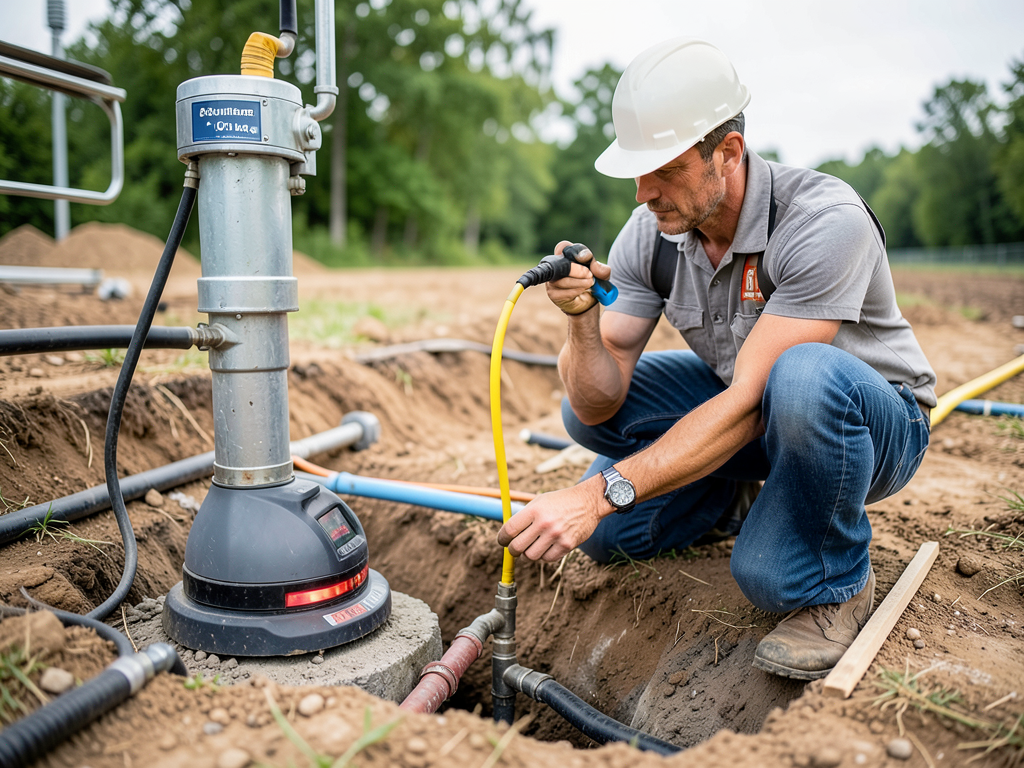
Traditional excavation involves digging a trench from your home to the municipal connection point. This method provides clear visibility of the installation but causes significant landscape disruption.
Trenchless methods such as directional boring or pipe bursting minimize surface disturbance. These techniques work well in Trussville’s rocky soil conditions but may cost more initially.
Understanding pipe installation techniques helps homeowners make informed decisions about their conversion project.
Connecting to Municipal Sewer
The final connection to city sewer involves tapping into the main line and installing a cleanout for future maintenance. This step requires coordination with Birmingham Water Works Board or the appropriate municipal authority. Birmingham Water Works Board.
Technicians must ensure proper slope for gravity flow and install appropriate fittings to prevent blockages. The connection point typically requires a specific type of tapping sleeve or saddle fitting approved by local codes.
After connection the system undergoes pressure testing to verify there are no leaks or defects in the new installation.
Jefferson County Building Code Requirements
Jefferson County Code Section 10-1-20 requires all septic systems within 200 feet of available sewer service to connect to municipal systems. This regulation ensures public health protection and environmental compliance.
The code mandates specific pipe materials and installation depths based on soil conditions. Trussville’s clay soil requires deeper installation than sandy areas to prevent freezing and maintain proper flow.
Inspectors verify all work meets these requirements before issuing final approval for the conversion project.
Cost Factors for Trussville Homeowners
Several factors influence the total cost of septic to sewer conversion in Trussville. Distance from the home to the main sewer line represents one of the largest cost variables.
Other significant factors include soil conditions depth of excavation required and whether the property needs a grinder pump for low-elevation areas. Trussville’s terrain varies significantly affecting project complexity.
Additional costs may include landscape restoration driveway repairs if trenching crosses paved areas and permit fees. Most homeowners budget between $5000 and $15000 for complete conversion projects.
Timeline for Complete Conversion
A typical septic to sewer conversion in Trussville takes 2-4 weeks from start to finish. This timeline includes permitting site preparation installation inspections and final connections.
The actual construction phase usually requires 3-7 days of active work depending on weather conditions and project complexity. Weather delays are common during Trussville’s rainy seasons.
Homeowners should plan for temporary water service interruption during the final connection phase typically lasting 4-8 hours.
Environmental and Health Benefits
Connecting to municipal sewer eliminates the environmental risks associated with septic systems. Failed septic systems can contaminate groundwater and nearby surface water affecting the entire community.
City sewer systems include treatment facilities that process waste more effectively than individual septic tanks. This centralized approach better protects the Cahaba River watershed and other local water resources.
Health benefits include reduced risk of sewage backups and elimination of septic system maintenance responsibilities for homeowners.
Property Value Impact
Real estate professionals consistently report that homes with city sewer connections command higher prices than comparable properties with septic systems. The difference often ranges from 3% to 7% of the home’s value.
Buyers view city sewer as more reliable and requiring less maintenance than septic systems. This perception translates into faster sales and stronger negotiating positions for sellers. Finding a Reliable Emergency Plumber in Hoover Without Getting Overcharged.
Properties in newer Trussville developments with existing city sewer infrastructure typically see the most significant value benefits from conversion.
Common Challenges and Solutions
Several challenges commonly arise during septic to sewer conversions. Tree roots can complicate excavation while underground utilities may require rerouting or careful navigation.
Rock excavation presents particular challenges in parts of Trussville where limestone bedrock is near the surface. Specialized equipment and techniques help manage these conditions.
Access issues for heavy equipment can delay projects in properties with narrow driveways or limited yard space. Creative solutions often involve smaller equipment or phased approaches.
Maintenance After Conversion
Once connected to city sewer homeowners face different maintenance responsibilities than with septic systems. The primary concern becomes preventing blockages in the new sewer lateral line.
Regular drain cleaning and avoiding inappropriate items in toilets and drains helps maintain system performance. Many homeowners find this simpler than septic system maintenance.
Annual inspections of the cleanout and visible plumbing connections help identify potential issues before they become major problems. Plumbing Mountain Brook.
Choosing the Right Contractor
Selecting a qualified contractor for septic to sewer conversion requires careful consideration. The contractor must hold proper licenses from the Alabama Plumbers Gas Fitters Examining Board.
Experience with Jefferson County permitting and local soil conditions proves essential. Contractors familiar with Trussville’s specific challenges can anticipate and prevent common problems.
Request references from similar projects and verify insurance coverage before signing any contracts. Professional contractors provide detailed written estimates and clear project timelines.
Financing Options Available
Several financing options exist for homeowners undertaking septic to sewer conversion. Some municipalities offer low-interest loans or grants for property improvements that benefit public infrastructure. Plumbing Financing Options.
Traditional home improvement loans provide another funding avenue. Some contractors offer payment plans to help manage the upfront costs of conversion projects.
Consider the long-term savings from eliminated septic maintenance when evaluating financing options. The investment often pays for itself over time.
Ready to Convert Your Septic System?
Converting from septic to city sewer represents a significant investment in your property’s future. The process requires careful planning proper permits and professional execution to ensure long-term reliability.
Don’t let septic system concerns affect your property value or daily life. Professional contractors can guide you through every step of the conversion process from initial assessment to final connection.
Call (659) 234-8600 today to schedule your inspection and take the first step toward reliable city sewer service. Our experienced team understands Trussville’s unique requirements and can help you navigate the entire conversion process smoothly.
Protect your investment and enjoy the peace of mind that comes with professional sewer service. Contact us now to learn more about septic to sewer conversion options for your Trussville property.
Frequently Asked Questions
How long does the entire conversion process take?
The complete process typically takes 2-4 weeks including permitting installation and inspections. The active construction phase usually requires 3-7 days.
Do I need to pump my septic tank before conversion?
Yes the septic tank must be completely pumped and cleaned before decommissioning. This ensures safe handling during the conversion process.
Is financing available for sewer conversions?
Yes several financing options exist including municipal loans home improvement loans and contractor payment plans. Some grants may be available for projects benefiting public infrastructure.
{
“@context”: “https://schema.org”,
“@type”: “BlogPosting”,
“headline”: “The Process of Converting from a Septic Tank to City Sewer in Trussville”,
“description”: “Complete guide to septic to sewer conversion in Trussville including Jefferson County permits, costs, timelines, and local regulations for homeowners.”,
“wordCount”: 1590,
“datePublished”: “2026-05-21T07:24:00.000Z”,
“dateModified”: “2026-05-21T07:24:00.000Z”,
“inLanguage”: “en-US”,
“mainEntityOfPage”: {
“@type”: “WebPage”,
“@id”: “https://fortressplumbingbirmingham.com”
},
“publisher”: {
“@type”: “LocalBusiness”,
“name”: “Fortress Plumbing Birmingham”,
“url”: “https://fortressplumbingbirmingham.com”
},
“author”: {
“@type”: “Organization”,
“name”: “Fortress Plumbing Birmingham”,
“url”: “https://fortressplumbingbirmingham.com”
},
“image”: {
“@type”: “ImageObject”,
“url”: “https://fortressplumbingbirmingham.com/wp-content/uploads/2026/03/the-process-of-converting-from-a-septic-tank-to-ci-1.png”
}
}
{
“@context”: “https://schema.org”,
“@type”: “Plumber”,
“name”: “Fortress Plumbing Birmingham”,
“url”: “https://fortressplumbingbirmingham.com”,
“address”: {
“@type”: “PostalAddress”,
“addressLocality”: “Birmingham”
},
“areaServed”: {
“@type”: “City”,
“name”: “Birmingham”
}
}
{
“@context”: “https://schema.org”,
“@type”: “FAQPage”,
“mainEntity”: [
{
“@type”: “Question”,
“name”: “Ready to Convert Your Septic System?”,
“acceptedAnswer”: {
“@type”: “Answer”,
“text”: “Converting from septic to city sewer represents a significant investment in your property’s future. The process requires careful planning proper permits and professional execution to ensure long-term reliability.”
}
},
{
“@type”: “Question”,
“name”: “How long does the entire conversion process take?”,
“acceptedAnswer”: {
“@type”: “Answer”,
“text”: “The complete process typically takes 2-4 weeks including permitting installation and inspections. The active construction phase usually requires 3-7 days.”
}
},
{
“@type”: “Question”,
“name”: “Do I need to pump my septic tank before conversion?”,
“acceptedAnswer”: {
“@type”: “Answer”,
“text”: “Yes the septic tank must be completely pumped and cleaned before decommissioning. This ensures safe handling during the conversion process.”
}
},
{
“@type”: “Question”,
“name”: “Is financing available for sewer conversions?”,
“acceptedAnswer”: {
“@type”: “Answer”,
“text”: “Yes several financing options exist including municipal loans home improvement loans and contractor payment plans. Some grants may be available for projects benefiting public infrastructure.”
}
}
]
}
{
“@context”: “https://schema.org”,
“@type”: “BreadcrumbList”,
“itemListElement”: [
{
“@type”: “ListItem”,
“position”: 1,
“name”: “Home”,
“item”: “https://fortressplumbingbirmingham.com”
},
{
“@type”: “ListItem”,
“position”: 2,
“name”: “Blog”,
“item”: “https://fortressplumbingbirmingham.com/blog”
},
{
“@type”: “ListItem”,
“position”: 3,
“name”: “The Process of Converting from a Septic Tank to City Sewer in Trussville”
}
]
}
{
“@context”: “https://schema.org”,
“@type”: “Service”,
“serviceType”: “Plumbing”,
“provider”: {
“@type”: “LocalBusiness”,
“name”: “Fortress Plumbing Birmingham”,
“url”: “https://fortressplumbingbirmingham.com”
},
“areaServed”: {
“@type”: “City”,
“name”: “Birmingham”
},
“description”: “Complete guide to septic to sewer conversion in Trussville including Jefferson County permits, costs, timelines, and local regulations for homeowners.”
}