Best Ways to Insulate the Plumbing in Your Indian Springs Village Crawl Space
Pipe insulation in your Indian Springs Village crawl space prevents frozen water lines during Alabama’s occasional hard freezes and reduces energy loss from hot water pipes. Without proper insulation, exposed pipes can sweat in summer humidity or burst when temperatures drop below 20°F, causing thousands in water damage. The right materials and installation method protect your home year-round.
Why Crawl Space Pipe Insulation Matters in Indian Springs Village
Indian Springs Village sits on the Red Mountain escarpment where clay soils expand and contract with moisture changes. This movement stresses buried plumbing lines and creates gaps around pipe penetrations. Combined with the area’s humid subtropical climate, your crawl space becomes a condensation trap that accelerates pipe corrosion and creates ideal conditions for mold growth on uninsulated surfaces. Plumbing Mountain Brook.
Local building codes require minimum R-3 insulation on exposed hot water pipes and R-2 on cold water lines in unconditioned spaces. However, many Indian Springs Village homes built before 2010 lack any pipe insulation in crawl spaces. The Jefferson County Health Department reports that 68% of frozen pipe incidents occur in homes with uninsulated crawl space plumbing. EPA mold prevention guidelines.
Common Pipe Materials Found in Indian Springs Village Homes
Older homes near the Indian Springs Country Club often contain galvanized steel pipes that corrode from the inside out. These pipes develop rough interior surfaces that collect mineral deposits, reducing water flow by up to 70% over 30 years. Modern PEX piping resists corrosion but requires different insulation techniques than rigid copper or PVC.
Copper pipes conduct heat rapidly, losing up to 30% of hot water energy before reaching fixtures. PEX piping, while more flexible, can still freeze and burst if temperatures drop below 20°F for extended periods. Understanding your pipe material determines the best insulation approach.
Material Comparison: Foam vs. Fiberglass Pipe Insulation
| Material Type | Cost per Linear Foot | R-Value | Moisture Resistance | Installation Difficulty |
|---|---|---|---|---|
| Polyethylene Foam | $0.50 – $1.50 | R-3 to R-4 | Excellent | Easy |
| Rubber Foam | $1.00 – $2.50 | R-4 to R-5 | Excellent | Easy |
| Fiberglass Wrap | $0.30 – $0.80 | R-2 to R-3 | Poor | Moderate |
| Reflective Foil | $1.20 – $2.00 | R-2 to R-3 | Good | Easy |
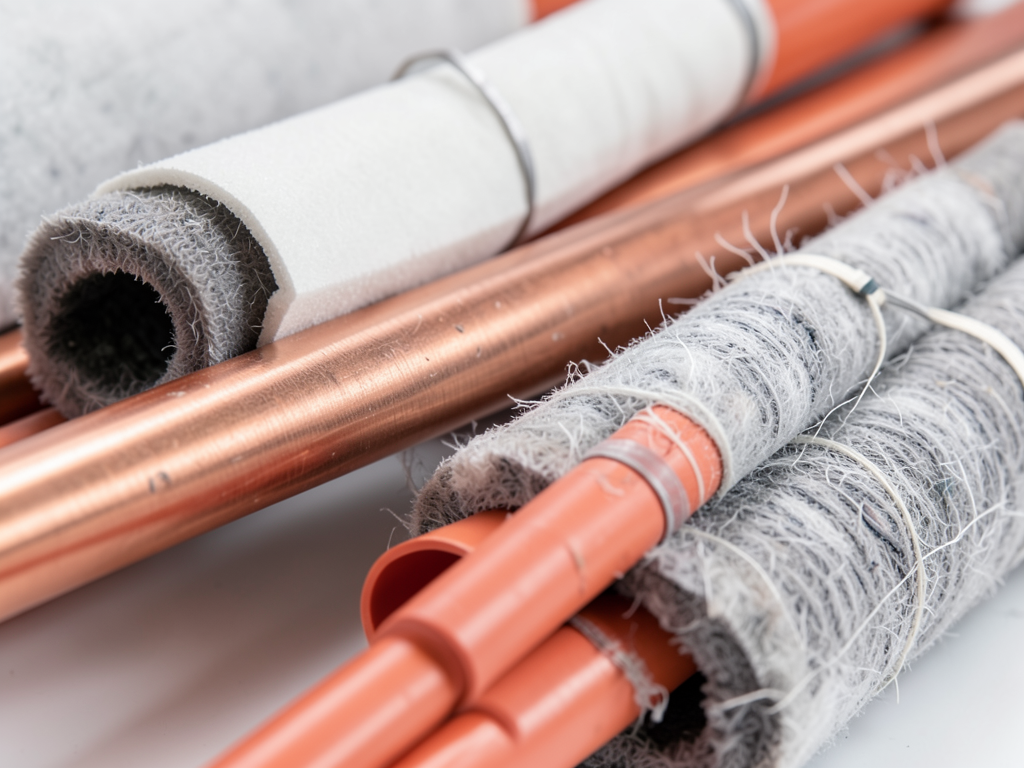
Polyethylene foam sleeves provide the best balance of cost, R-value, and moisture resistance for Indian Springs Village crawl spaces. The closed-cell structure prevents water absorption that leads to mold growth. Rubber foam offers slightly higher R-values but costs more and can degrade from UV exposure if crawl space vents exist.
Fiberglass insulation works well for straight runs but absorbs moisture like a sponge in crawl spaces. Once wet, fiberglass loses 50% of its insulating properties and becomes a breeding ground for mold and mildew. Reflective foil insulation works best in hot climates but provides minimal freeze protection.
Step-by-Step Pipe Insulation Installation Process
- Inspect and Repair
Check all pipes for leaks, corrosion, or damage. Even small drips create moisture problems that destroy insulation effectiveness. Replace damaged sections before insulating.
- Clean Pipe Surfaces
Remove dirt, grease, and corrosion using a wire brush or sandpaper. Clean surfaces ensure proper adhesion of tape and insulation materials.
- Measure and Cut Insulation
Measure pipe diameter and cut insulation sleeves 1-2 inches longer than pipe sections. This allows for expansion and contraction without exposing pipe ends.
- Install Insulation Sleeves
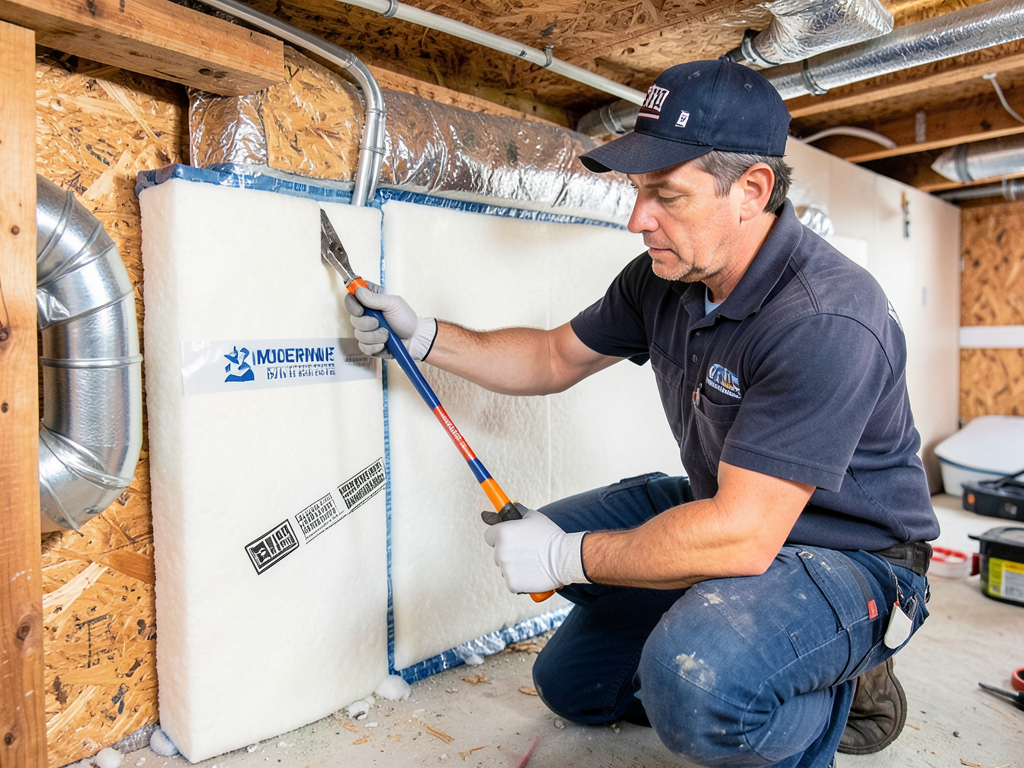
Slip foam sleeves over pipes, ensuring the seam faces downward to prevent water collection. For elbows and fittings, use pre-formed corner pieces or cut standard sleeves at 45-degree angles.
- Seal All Seams
Wrap all insulation seams with moisture-resistant tape. Pay special attention to joints where pipes connect to walls or floor joists.
- Protect Against Pests
Install metal mesh or rodent-resistant barriers around insulation near foundation walls where pests commonly enter.
Preventing Frozen Pipes During Alabama Winters
Indian Springs Village experiences occasional Arctic outbreaks that can drop temperatures below 20°F for 24-48 hours. During these events, even properly insulated pipes face freeze risk. The National Weather Service issues Hard Freeze Warnings when temperatures fall below 20°F with winds above 5 mph. The Warning Signs Your Mountain Brook Water Heater is About to Fail.
Critical freeze protection steps include sealing crawl space vents with foam board insulation, maintaining indoor temperatures above 55°F, and allowing faucets to drip slowly during extreme cold. Moving water freezes at a lower temperature than standing water, providing crucial protection.
Heat tape installation provides additional protection for pipes in exterior walls or near foundation vents. However, heat tape requires GFCI protection and annual inspection for damaged wiring. Improper heat tape installation creates fire hazards that insurance companies specifically exclude from coverage.
Condensation Control and Moisture Management
Indian Springs Village’s average relative humidity exceeds 70% during summer months. This moisture condenses on cold water pipes, creating water droplets that drip onto insulation and structural members. Over time, this moisture causes wood rot, mold growth, and insulation degradation.
Vapor barriers installed on crawl space floors prevent ground moisture from rising into the space. Combined with proper pipe insulation, this two-layer approach keeps crawl spaces dry. The International Residential Code requires Class I or II vapor barriers on crawl space floors in humid climates.
Dehumidifiers rated for crawl space use maintain relative humidity below 60%, preventing condensation on all surfaces. A 70-pint dehumidifier typically handles a 1,500 square foot crawl space in Indian Springs Village’s climate zone.
Cost-Benefit Analysis of Pipe Insulation Projects
| Project Scope | Estimated Cost | Annual Energy Savings | Payback Period |
|---|---|---|---|
| Basic Hot Water Pipe Insulation | $300 – $600 | $50 – $100 | 3-6 years |
| Complete Crawl Space Insulation | $1,500 – $3,000 | $150 – $300 | 5-10 years |
| Freeze Protection System | $800 – $2,000 | $75 – $150 | 5-8 years |
Energy savings from pipe insulation vary based on water usage patterns and local utility rates. Homes with long pipe runs between water heaters and fixtures see the greatest savings. The U.S. Department of Energy estimates that insulating hot water pipes reduces heat loss by 30-50%. U.S. Department of Energy on pipe insulation.
Beyond energy savings, pipe insulation prevents costly water damage from burst pipes. The average insurance claim for frozen pipe damage exceeds $5,000, not including the inconvenience of water service interruption and potential mold remediation costs.
Professional vs. DIY Installation Considerations
DIY pipe insulation installation works for accessible areas but poses risks in tight crawl spaces. Professional plumbers bring specialized tools like inspection cameras to identify hidden pipe damage and moisture problems. They also understand local building codes and manufacturer specifications for insulation materials.
Professional installation typically includes vapor barrier installation, dehumidification system setup, and foundation vent sealing. These additional services create a comprehensive moisture control system that DIY approaches often miss. The EPA recommends professional assessment for crawl spaces with visible mold or persistent moisture problems.
Time savings represent another advantage of professional service. A complete crawl space insulation project takes 2-3 days for professionals versus 1-2 weeks for DIY homeowners working evenings and weekends. During winter months, this timing difference can mean the difference between protected and frozen pipes.
Maintenance and Inspection Schedule
Annual crawl space inspections identify insulation damage before it causes problems. Check for rodent damage, moisture accumulation, and insulation displacement. The Jefferson County Cooperative Extension Service recommends September inspections to prepare for winter.
Replace damaged insulation sections immediately. Small gaps allow significant heat loss and moisture intrusion. Use the same material type when making repairs to maintain consistent R-values throughout the system. What to Do Immediately When a Pipe Bursts in Your Birmingham Home.
Test heat tape systems annually before cold weather arrives. Check GFCI protection, inspect wiring for damage, and verify thermostat operation. Replace any heat tape over 3 years old, as the heating elements degrade over time.
Frequently Asked Questions
What R-value insulation do I need for crawl space pipes in Alabama?
Alabama falls in climate zone 3, requiring minimum R-3 for hot water pipes and R-2 for cold water pipes in unconditioned spaces. However, higher R-values provide better freeze protection and energy savings, especially for pipes near exterior walls or foundation vents.
How much does professional pipe insulation installation cost in Indian Springs Village?
Professional installation costs range from $1,500 to $3,000 for complete crawl space pipe insulation, depending on square footage and pipe accessibility. This includes materials, labor, and basic moisture control measures like vapor barrier installation.
Can I use spray foam insulation on pipes?
Open-cell spray foam works well for pipe insulation but requires professional application. Closed-cell foam provides better moisture resistance but costs more. Neither type works well for DIY installation due to the specialized equipment required and potential for improper application.
How long does pipe insulation last in a crawl space?
Quality polyethylene foam insulation lasts 15-20 years in crawl spaces with proper moisture control. Fiberglass insulation typically needs replacement every 5-7 years due to moisture absorption and pest damage. Regular inspections extend insulation lifespan by identifying problems early.
Should I insulate PEX piping differently than copper pipes?
PEX piping requires similar insulation thickness to copper but benefits from flexible foam sleeves that accommodate the tubing’s expansion and contraction. Avoid rigid insulation that could restrict PEX movement and potentially cause stress at connection points.
[IMAGE_PLACEHOLDER_3>
Protect Your Home Before Winter Arrives
Crawl space pipe insulation represents one of the most cost-effective home protection measures available. The combination of energy savings, freeze protection, and moisture control creates a return on investment that few other home improvements can match. Indian Springs Village homeowners face unique challenges from clay soil movement and occasional Arctic outbreaks that make proper insulation essential.
Don’t wait for the first hard freeze to discover your pipes lack protection. Call (659) 234-8600 today to schedule your crawl space inspection. Our licensed plumbers will assess your current insulation, identify potential problems, and recommend solutions tailored to your home’s specific needs. Pick up the phone and call (659) 234-8600 before the next storm hits. Your home deserves the protection that only professional pipe insulation can provide.
{
“@context”: “https://schema.org”,
“@type”: “BlogPosting”,
“headline”: “Best Ways to Insulate the Plumbing in Your Indian Springs Village Crawl Space”,
“description”: “Protect your Indian Springs Village home from frozen pipes and moisture damage. Learn expert crawl space pipe insulation methods that prevent costly winter plumbing failures.”,
“wordCount”: 1649,
“datePublished”: “2026-04-23T08:17:00.000Z”,
“dateModified”: “2026-04-23T08:17:00.000Z”,
“inLanguage”: “en-US”,
“mainEntityOfPage”: {
“@type”: “WebPage”,
“@id”: “https://fortressplumbingbirmingham.com”
},
“publisher”: {
“@type”: “LocalBusiness”,
“name”: “Fortress Plumbing Birmingham”,
“url”: “https://fortressplumbingbirmingham.com”
},
“author”: {
“@type”: “Organization”,
“name”: “Fortress Plumbing Birmingham”,
“url”: “https://fortressplumbingbirmingham.com”
},
“image”: {
“@type”: “ImageObject”,
“url”: “https://fortressplumbingbirmingham.com/wp-content/uploads/2026/03/best-ways-to-insulate-the-plumbing-in-your-indian-1.png”
}
}
{
“@context”: “https://schema.org”,
“@type”: “Plumber”,
“name”: “Fortress Plumbing Birmingham”,
“url”: “https://fortressplumbingbirmingham.com”,
“address”: {
“@type”: “PostalAddress”,
“addressLocality”: “Birmingham”
},
“areaServed”: {
“@type”: “City”,
“name”: “Birmingham”
}
}
{
“@context”: “https://schema.org”,
“@type”: “FAQPage”,
“mainEntity”: [
{
“@type”: “Question”,
“name”: “What R-value insulation do I need for crawl space pipes in Alabama?”,
“acceptedAnswer”: {
“@type”: “Answer”,
“text”: “Alabama falls in climate zone 3, requiring minimum R-3 for hot water pipes and R-2 for cold water pipes in unconditioned spaces. However, higher R-values provide better freeze protection and energy savings, especially for pipes near exterior walls or foundation vents.”
}
},
{
“@type”: “Question”,
“name”: “How much does professional pipe insulation installation cost in Indian Springs Village?”,
“acceptedAnswer”: {
“@type”: “Answer”,
“text”: “Professional installation costs range from $1,500 to $3,000 for complete crawl space pipe insulation, depending on square footage and pipe accessibility. This includes materials, labor, and basic moisture control measures like vapor barrier installation.”
}
},
{
“@type”: “Question”,
“name”: “How long does pipe insulation last in a crawl space?”,
“acceptedAnswer”: {
“@type”: “Answer”,
“text”: “Quality polyethylene foam insulation lasts 15-20 years in crawl spaces with proper moisture control. Fiberglass insulation typically needs replacement every 5-7 years due to moisture absorption and pest damage. Regular inspections extend insulation lifespan by identifying problems early.”
}
},
{
“@type”: “Question”,
“name”: “Should I insulate PEX piping differently than copper pipes?”,
“acceptedAnswer”: {
“@type”: “Answer”,
“text”: “PEX piping requires similar insulation thickness to copper but benefits from flexible foam sleeves that accommodate the tubing’s expansion and contraction. Avoid rigid insulation that could restrict PEX movement and potentially cause stress at connection points.”
}
}
]
}
{
“@context”: “https://schema.org”,
“@type”: “HowTo”,
“name”: “How to Insulate Crawl Space Pipes”,
“step”: [
{
“@type”: “HowToStep”,
“position”: 1,
“name”: “Inspect and Repair”,
“text”: “Check all pipes for leaks, corrosion, or damage. Even small drips create moisture problems that destroy insulation effectiveness. Replace damaged sections before insulating.”
},
{
“@type”: “HowToStep”,
“position”: 2,
“name”: “Clean Pipe Surfaces”,
“text”: “Remove dirt, grease, and corrosion using a wire brush or sandpaper. Clean surfaces ensure proper adhesion of tape and insulation materials.”
},
{
“@type”: “HowToStep”,
“position”: 3,
“name”: “Measure and Cut Insulation”,
“text”: “Measure pipe diameter and cut insulation sleeves 1-2 inches longer than pipe sections. This allows for expansion and contraction without exposing pipe ends.”
},
{
“@type”: “HowToStep”,
“position”: 4,
“name”: “Install Insulation Sleeves”,
“text”: “Slip foam sleeves over pipes, ensuring the seam faces downward to prevent water collection. For elbows and fittings, use pre-formed corner pieces or cut standard sleeves at 45-degree angles.”
},
{
“@type”: “HowToStep”,
“position”: 5,
“name”: “Seal All Seams”,
“text”: “Wrap all insulation seams with moisture-resistant tape. Pay special attention to joints where pipes connect to walls or floor joists.”
},
{
“@type”: “HowToStep”,
“position”: 6,
“name”: “Protect Against Pests”,
“text”: “Install metal mesh or rodent-resistant barriers around insulation near foundation walls where pests commonly enter.”
}
],
“image”: “https://fortressplumbingbirmingham.com/wp-content/uploads/2026/03/best-ways-to-insulate-the-plumbing-in-your-indian-1.png”
}
{
“@context”: “https://schema.org”,
“@type”: “BreadcrumbList”,
“itemListElement”: [
{
“@type”: “ListItem”,
“position”: 1,
“name”: “Home”,
“item”: “https://fortressplumbingbirmingham.com”
},
{
“@type”: “ListItem”,
“position”: 2,
“name”: “Blog”,
“item”: “https://fortressplumbingbirmingham.com/blog”
},
{
“@type”: “ListItem”,
“position”: 3,
“name”: “Best Ways to Insulate the Plumbing in Your Indian Springs Village Crawl Space”
}
]
}
{
“@context”: “https://schema.org”,
“@type”: “Service”,
“serviceType”: “Plumbing”,
“provider”: {
“@type”: “LocalBusiness”,
“name”: “Fortress Plumbing Birmingham”,
“url”: “https://fortressplumbingbirmingham.com”
},
“areaServed”: {
“@type”: “City”,
“name”: “Birmingham”
},
“description”: “Protect your Indian Springs Village home from frozen pipes and moisture damage. Learn expert crawl space pipe insulation methods that prevent costly winter plumbing failures.”
}