
How to Add a Second Laundry Room to Your Second Floor in Homewood
Adding a laundry room to your second floor in Homewood requires careful planning around plumbing drainage, venting, and structural support. The primary challenge involves gravity-fed drainage from an elevated washing machine, which demands proper standpipe height and P-trap installation to prevent siphoning. A typical second-floor installation includes a washing machine box with hot and cold supply lines, a 2-inch drain line sloped at 1/4 inch per foot toward the main stack, and a floor drain pan with an automatic shut-off valve to prevent water damage. The International Plumbing Code (IPC) Section 802.4 requires all second-floor laundry installations to include an emergency drain pan with a 3/4-inch indirect waste connection. Birmingham Water Works Board regulations also mandate that all new plumbing fixtures connect to the existing sanitary sewer system with proper backflow prevention. International Plumbing Code Section 802.4.
Challenges of Moving Laundry Plumbing Upstairs
The most significant challenge of upstairs laundry plumbing involves managing water weight and potential leaks. A washing machine filled with water weighs approximately 150-200 pounds, creating substantial load on second-story floor joists. Homewood homes built before 1980 often feature 2×8 floor joists spaced 16 inches on center, which may require reinforcement when supporting heavy appliances. The second major challenge involves proper drainage slope. Unlike first-floor installations where gravity works in your favor, upstairs plumbing requires precise calculations to ensure wastewater flows downhill without creating airlocks or slow drainage. The third challenge involves vibration control. Washing machines generate significant vibration during spin cycles, which can loosen connections over time if not properly isolated. A properly installed upstairs laundry room includes vibration-dampening pads, reinforced mounting brackets, and flexible supply line connections that absorb movement. Plumbing Mountain Brook.
Proper Drainage and Venting Requirements
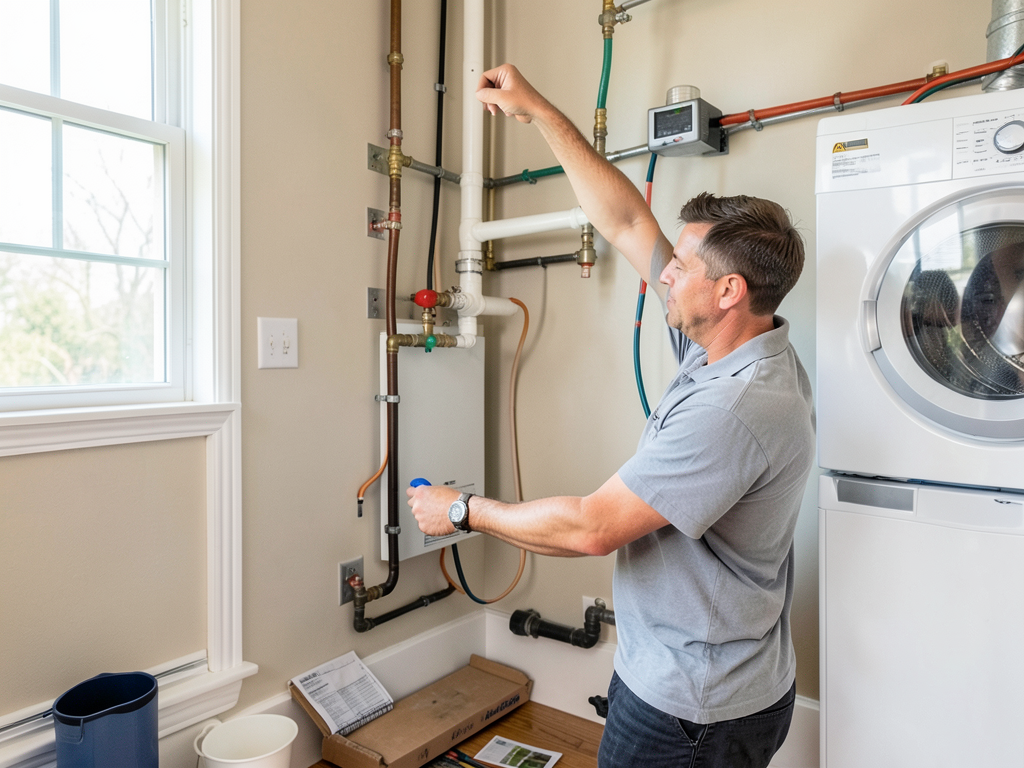
Second-floor laundry drainage requires specific pipe sizing and configuration to function properly. The washing machine standpipe must extend 18-30 inches above the trap weir to prevent overflow while allowing proper air circulation. The drain line itself must be at least 2 inches in diameter to handle the washer’s discharge rate of 4-5 gallons per minute. The P-trap below the standpipe prevents sewer gases from entering your home while maintaining proper water seal. Venting becomes critical in upstairs installations because the drain line cannot rely on the main stack for air circulation. Most Birmingham second-floor laundry rooms use an Air Admittance Valve (AAV) installed within 6 feet of the trap to provide proper venting without requiring roof penetration. The IPC Section 917.3 permits AAV use in single-family homes when installed according to manufacturer specifications and local code requirements.. Read more about Sizing a Water Heater for Large Multi Generational Households in Greystone.
Managing Water Supply and Pressure
Water supply lines for upstairs laundry rooms require careful consideration of pressure and pipe sizing. Standard washing machines need 4-6 gallons per minute at 20-50 PSI water pressure. Homes with low municipal pressure may require a booster pump to ensure proper fill times. The hot and cold supply lines should be 1/2-inch PEX or copper, connected to a washing machine box with integral hammer arrestors. Water hammer arrestors prevent the banging sounds that occur when water flow suddenly stops, which is particularly important in upstairs installations where vibrations travel through floor structures. The washing machine box should mount between studs at 34-36 inches above the floor, providing easy access while keeping connections above potential flood levels. All supply connections require quarter-turn ball valves for quick shut-off in emergencies.
Essential Leak Prevention for Second-Story Washers
Leak prevention represents the most critical aspect of second-floor laundry installation. A single washing machine leak can cause thousands of dollars in water damage within minutes. The foundation of leak prevention starts with a properly installed drain pan that extends at least 2 inches beyond the washer on all sides. The pan must connect to a 3/4-inch indirect waste line that drains to the main stack or an exterior location. Beyond the drain pan, automatic water shut-off valves provide the second layer of protection. These devices use moisture sensors to detect leaks and immediately shut off both hot and cold supply lines. Some advanced systems connect to your home’s Wi-Fi network and send alerts to your smartphone when leaks occur. The third layer involves flexible stainless steel supply lines with metal-braided jackets that resist bursting compared to standard rubber hoses. Finally, consider installing a floor drain in the laundry room itself, particularly in Homewood homes where upstairs plumbing runs through living spaces below. Advanced Leak Detection Services for Historic Homes in Forest Park.

Birmingham Building Codes for Upper-Floor Plumbing
Birmingham and Jefferson County enforce specific plumbing codes for second-floor installations that exceed standard requirements. The Jefferson County Department of Health requires all new plumbing fixtures to receive permits before installation, with second-floor laundry rooms requiring both plumbing and building permits due to structural considerations. The IPC Section 302.5.1 mandates that all second-floor plumbing fixtures connect to the building’s main vent stack through a continuous waste system. Birmingham’s local amendments to the IPC require 1/8-inch per foot slope minimum for horizontal drain lines, steeper than the standard 1/4-inch per foot in some jurisdictions. The Birmingham Construction Industries Board also requires that all second-floor plumbing installations include accessible cleanouts at every change of direction, allowing for future maintenance without wall demolition. Additionally, homes in the Homewood area must comply with the Jefferson County Soil and Water Conservation District regulations regarding greywater discharge and proper sewer connection methods. Jefferson County Plumbing Permit Requirements.
Estimated Costs and Project Timelines in Alabama
Second-floor laundry room installations in Homewood typically require 3-5 days for complete professional installation. The first day involves demolition and structural assessment, particularly important in older homes where floor joists may need reinforcement. The second and third days cover rough plumbing installation, including drain lines, supply lines, and venting. The fourth day involves fixture installation and testing, while the fifth day addresses any finishing work like drywall repair or flooring replacement. Professional installation costs range from $2,500 to $4,500 depending on the home’s existing plumbing configuration and whether structural modifications are needed. Homes requiring floor joist reinforcement can add $800-$1,500 to the project cost. DIY installations may save on labor costs but often result in code violations or improper installations that require professional correction, ultimately costing more than professional installation from the start. Plumbing Financing Options.
Why Professional Installation is Critical
Professional installation becomes critical for second-floor laundry rooms due to the catastrophic potential of water damage. Unlike first-floor installations where leaks drain to basements or crawl spaces, second-floor leaks immediately damage ceilings, walls, and personal belongings below. Professional plumbers understand the specific load calculations required for upstairs installations, ensuring your floor structure can support the weight of a full washing machine plus water. They also understand local Birmingham codes and permit requirements, preventing costly violations that could affect home insurance coverage or future property sales. Professional installation includes proper testing procedures that DIY installers often skip, such as pressure testing supply lines at 150 PSI for 15 minutes and verifying drain line flow rates under full load conditions. Most importantly, professional plumbers carry liability insurance that covers water damage from installation errors, providing peace of mind that DIY installations cannot match.. Read more about Plumbing Requirements for Adding a Luxury Steam Shower to Your Mountain Brook Master Suite.
- Assess Structural Capacity
Have a structural engineer or experienced plumber evaluate your floor joists to determine if reinforcement is needed for the washing machine’s weight.
- Plan Plumbing Routes
Map the most direct route from your proposed laundry location to existing plumbing stacks, minimizing the need for long horizontal runs.
- Install Proper Drainage
Install a 2-inch drain line with correct slope, P-trap, and AAV venting to ensure proper wastewater removal without sewer gas backup.
- Connect Supply Lines
Install 1/2-inch supply lines with hammer arrestors and quarter-turn ball valves, connecting to a properly mounted washing machine box.
- Add Leak Prevention
Install a drain pan with indirect waste connection and automatic shut-off valves to protect against catastrophic water damage.
- Test and Inspect
Pressure test all connections and verify proper drainage before final installation, then schedule required inspections with Jefferson County.
Frequently Asked Questions
Can I install a second-floor laundry room in my older Homewood home?
Yes, most older Homewood homes can accommodate second-floor laundry rooms, though homes built before 1980 may require floor joist reinforcement to support the washing machine’s weight when full of water.
How much does it cost to add a laundry room upstairs in Birmingham?
Professional installation typically costs $2,500 to $4,500 in the Birmingham area, with additional costs for structural modifications or extensive plumbing rerouting.
Do I need a permit for a second-floor laundry room in Jefferson County?
Yes, Jefferson County requires both plumbing and building permits for second-floor laundry installations due to structural and drainage considerations.
What’s the best way to prevent water damage from an upstairs washer?
Install a drain pan with indirect waste connection, automatic shut-off valves with moisture sensors, and flexible stainless steel supply lines as a comprehensive leak prevention system.
How long does a second-floor laundry installation take?
Professional installation typically requires 3-5 days, including demolition, plumbing rough-in, fixture installation, and final testing with inspections.
Adding a second laundry room to your second floor in Homewood requires expert knowledge of plumbing systems, building codes, and structural engineering. The combination of proper drainage, venting, and leak prevention systems ensures your upstairs laundry room functions safely for years to come. Don’t risk water damage to your home with DIY installations that may violate local codes or create safety hazards. Call (659) 234-8600 today to schedule your inspection and get a professional assessment of your second-floor laundry potential. Fortress Plumbing Birmingham’s licensed plumbers understand the specific requirements for Homewood homes and can complete your installation correctly the first time.
For more information about plumbing safety and emergency prevention, read our guide on what to do when a pipe bursts in your Birmingham home.
{
“@context”: “https://schema.org”,
“@type”: “BlogPosting”,
“headline”: “How to Add a Second Laundry Room to Your Second Floor in Homewood”,
“description”: “Learn the technical requirements for upstairs laundry plumbing in Homewood. Discover drainage, venting, and leak prevention solutions for second-floor washer installations.”,
“wordCount”: 1632,
“datePublished”: “2026-06-05T09:52:00.000Z”,
“dateModified”: “2026-06-05T09:52:00.000Z”,
“inLanguage”: “en-US”,
“mainEntityOfPage”: {
“@type”: “WebPage”,
“@id”: “https://fortressplumbingbirmingham.com”
},
“publisher”: {
“@type”: “LocalBusiness”,
“name”: “Fortress Plumbing Birmingham”,
“url”: “https://fortressplumbingbirmingham.com”
},
“author”: {
“@type”: “Organization”,
“name”: “Fortress Plumbing Birmingham”,
“url”: “https://fortressplumbingbirmingham.com”
},
“image”: {
“@type”: “ImageObject”,
“url”: “https://fortressplumbingbirmingham.com/wp-content/uploads/2026/03/how-to-add-a-second-laundry-room-to-your-second-fl-1.png”
}
}
{
“@context”: “https://schema.org”,
“@type”: “Plumber”,
“name”: “Fortress Plumbing Birmingham”,
“url”: “https://fortressplumbingbirmingham.com”,
“address”: {
“@type”: “PostalAddress”,
“addressLocality”: “Birmingham”
},
“areaServed”: {
“@type”: “City”,
“name”: “Birmingham”
}
}
{
“@context”: “https://schema.org”,
“@type”: “FAQPage”,
“mainEntity”: [
{
“@type”: “Question”,
“name”: “Can I install a second-floor laundry room in my older Homewood home?”,
“acceptedAnswer”: {
“@type”: “Answer”,
“text”: “Yes, most older Homewood homes can accommodate second-floor laundry rooms, though homes built before 1980 may require floor joist reinforcement to support the washing machine’s weight when full of water.”
}
},
{
“@type”: “Question”,
“name”: “How much does it cost to add a laundry room upstairs in Birmingham?”,
“acceptedAnswer”: {
“@type”: “Answer”,
“text”: “Professional installation typically costs $2,500 to $4,500 in the Birmingham area, with additional costs for structural modifications or extensive plumbing rerouting.”
}
},
{
“@type”: “Question”,
“name”: “Do I need a permit for a second-floor laundry room in Jefferson County?”,
“acceptedAnswer”: {
“@type”: “Answer”,
“text”: “Yes, Jefferson County requires both plumbing and building permits for second-floor laundry installations due to structural and drainage considerations.”
}
},
{
“@type”: “Question”,
“name”: “What’s the best way to prevent water damage from an upstairs washer?”,
“acceptedAnswer”: {
“@type”: “Answer”,
“text”: “Install a drain pan with indirect waste connection, automatic shut-off valves with moisture sensors, and flexible stainless steel supply lines as a comprehensive leak prevention system.”
}
},
{
“@type”: “Question”,
“name”: “How long does a second-floor laundry installation take?”,
“acceptedAnswer”: {
“@type”: “Answer”,
“text”: “Professional installation typically requires 3-5 days, including demolition, plumbing rough-in, fixture installation, and final testing with inspections.”
}
}
]
}
{
“@context”: “https://schema.org”,
“@type”: “HowTo”,
“name”: “How to Add a Second Floor Laundry Room”,
“step”: [
{
“@type”: “HowToStep”,
“position”: 1,
“name”: “Assess Structural Capacity”,
“text”: “Have a structural engineer or experienced plumber evaluate your floor joists to determine if reinforcement is needed for the washing machine’s weight.”
},
{
“@type”: “HowToStep”,
“position”: 2,
“name”: “Plan Plumbing Routes”,
“text”: “Map the most direct route from your proposed laundry location to existing plumbing stacks, minimizing the need for long horizontal runs.”
},
{
“@type”: “HowToStep”,
“position”: 3,
“name”: “Install Proper Drainage”,
“text”: “Install a 2-inch drain line with correct slope, P-trap, and AAV venting to ensure proper wastewater removal without sewer gas backup.”
},
{
“@type”: “HowToStep”,
“position”: 4,
“name”: “Connect Supply Lines”,
“text”: “Install 1/2-inch supply lines with hammer arrestors and quarter-turn ball valves, connecting to a properly mounted washing machine box.”
},
{
“@type”: “HowToStep”,
“position”: 5,
“name”: “Add Leak Prevention”,
“text”: “Install a drain pan with indirect waste connection and automatic shut-off valves to protect against catastrophic water damage.”
},
{
“@type”: “HowToStep”,
“position”: 6,
“name”: “Test and Inspect”,
“text”: “Pressure test all connections and verify proper drainage before final installation, then schedule required inspections with Jefferson County.”
}
],
“image”: “https://fortressplumbingbirmingham.com/wp-content/uploads/2026/03/how-to-add-a-second-laundry-room-to-your-second-fl-1.png”
}
{
“@context”: “https://schema.org”,
“@type”: “BreadcrumbList”,
“itemListElement”: [
{
“@type”: “ListItem”,
“position”: 1,
“name”: “Home”,
“item”: “https://fortressplumbingbirmingham.com”
},
{
“@type”: “ListItem”,
“position”: 2,
“name”: “Blog”,
“item”: “https://fortressplumbingbirmingham.com/blog”
},
{
“@type”: “ListItem”,
“position”: 3,
“name”: “How to Add a Second Laundry Room to Your Second Floor in Homewood”
}
]
}
{
“@context”: “https://schema.org”,
“@type”: “Service”,
“serviceType”: “Plumbing”,
“provider”: {
“@type”: “LocalBusiness”,
“name”: “Fortress Plumbing Birmingham”,
“url”: “https://fortressplumbingbirmingham.com”
},
“areaServed”: {
“@type”: “City”,
“name”: “Birmingham”
},
“description”: “Learn the technical requirements for upstairs laundry plumbing in Homewood. Discover drainage, venting, and leak prevention solutions for second-floor washer installations.”
}