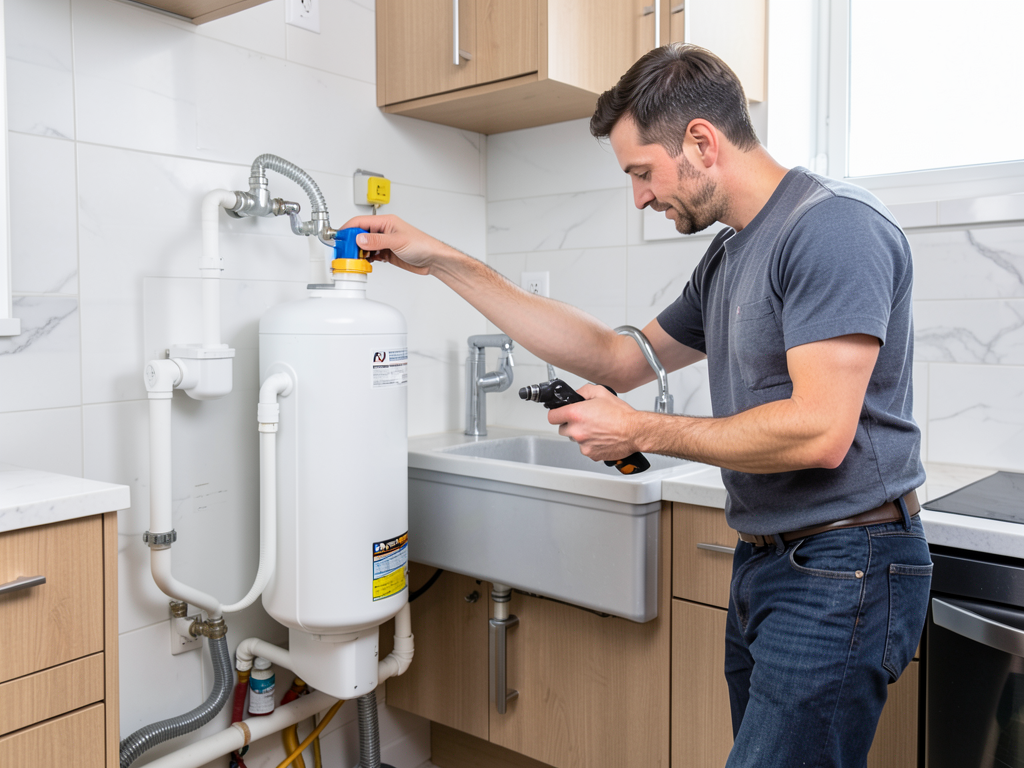
Deciding between an under sink reverse osmosis system and a whole house filter in Trussville comes down to understanding your water quality needs and household priorities. Both systems have distinct advantages and limitations that make them better suited for different situations.
How Reverse Osmosis Works in Your Kitchen
Reverse osmosis systems use a semi-permeable membrane to remove up to 99% of dissolved contaminants including lead, fluoride, nitrates, and total dissolved solids. Water is forced through multiple filtration stages under pressure, producing extremely pure drinking water at a single dedicated faucet. The process removes beneficial minerals along with contaminants, creating water that many find tastes exceptionally clean.
The main trade-offs include slower flow rates compared to tap water and water waste during the filtration process. Most RO systems waste about 3-4 gallons for every gallon of purified water produced. They also require regular filter changes and membrane replacement every 2-3 years to maintain performance.
Whole House Filtration for Every Tap
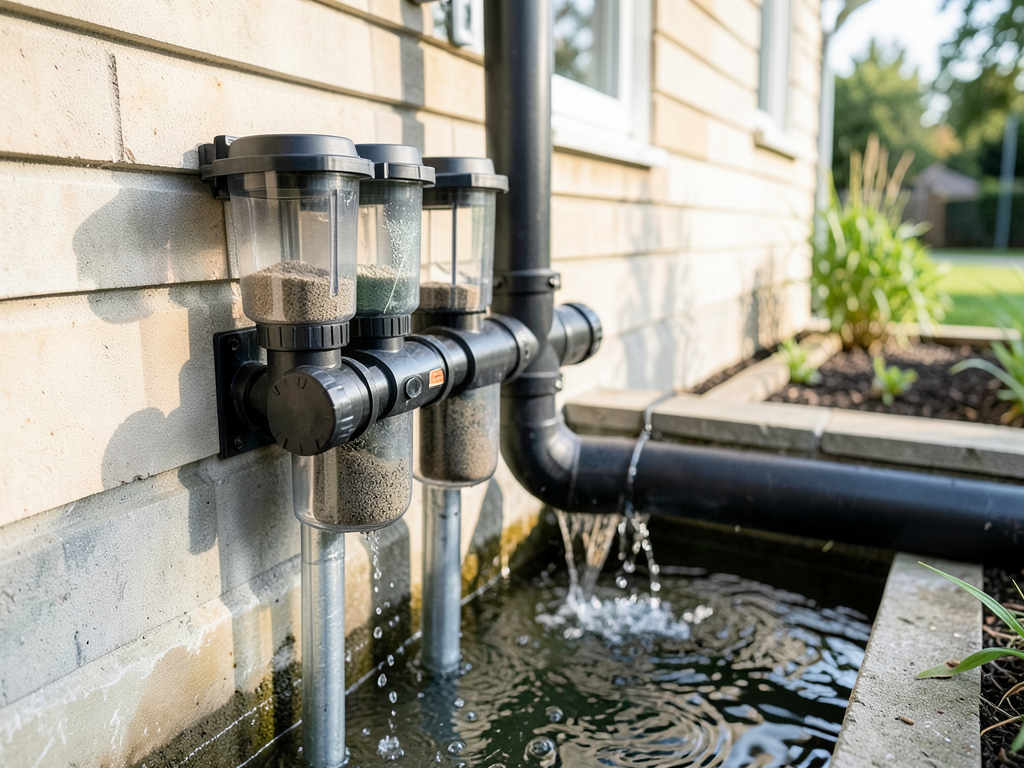
Whole house filters install at your main water line where it enters the home, filtering all water before it reaches any faucet, shower, or appliance. These systems typically use sediment filters to remove particles and activated carbon to reduce chlorine taste and odor. Some advanced models include additional stages for specific contaminants like iron or sulfur. Advanced Leak Detection Services for Historic Homes in Forest Park.
The key advantage is comprehensive coverage. Every shower, washing machine, and outdoor spigot receives filtered water. This protects plumbing fixtures from sediment buildup and extends the life of water-using appliances. However, whole house systems cannot remove dissolved solids or heavy metals like lead as effectively as RO systems. Plumbing Mountain Brook.
Comparing Key Performance Factors
| Feature | Under Sink RO | Whole House Filter |
|---|---|---|
| Contaminants Removed | 99% of TDS, lead, fluoride, nitrates | Sediment, chlorine, some VOCs |
| Installation Cost | $250-$600 | $1,000-$2,500 |
| Maintenance Frequency | 6-12 months for filters | 6-12 months for filters |
| Water Pressure Impact | Minimal at RO faucet | Potential slight reduction throughout house |
| Best For | Pure drinking water | Whole-home protection |
Trussville Water Quality Considerations
Trussville residents receive water from the Birmingham Water Works Board, which sources from both surface water and groundwater supplies. The water typically has moderate hardness levels around 4-6 grains per gallon and contains chlorine for disinfection. While generally safe, aging infrastructure in some older Trussville neighborhoods can lead to occasional sediment or lead concerns in service lines. Birmingham Water Works Board water quality reports.
According to recent BWWB water quality reports, Trussville’s water meets all EPA standards but may contain trace levels of chlorine byproducts and varying mineral content depending on the source. Homes built before 1986 may have lead solder in plumbing joints, making RO filtration particularly valuable for drinking water safety. EPA drinking water regulations.
Making the Right Choice for Your Home
Choose an under sink RO system if your primary concern is drinking water purity, you want to remove specific contaminants like lead or fluoride, or you have a smaller household with limited water usage needs. This option provides the highest quality water for the lowest upfront cost.
Opt for a whole house filter if you want filtered water throughout your home, have concerns about sediment or chlorine affecting appliances, or have multiple bathrooms where shower water quality matters. This is the better choice for families who want comprehensive water treatment without the waste associated with RO systems.
Can You Have Both Systems?
Many Trussville homeowners install both systems for maximum protection. A whole house filter removes sediment and chlorine that could damage the RO membrane, while the under sink system provides ultra-pure drinking water. This hybrid approach offers the best of both worlds but requires higher initial investment and ongoing maintenance for two systems.
Professional installation is crucial for both systems to ensure proper water pressure, prevent leaks, and maintain warranty coverage. Local plumbers familiar with Trussville’s water characteristics can recommend the right combination of filters and membranes for your specific water quality.
Installation and Maintenance Requirements
RO systems require a dedicated faucet, drain connection for wastewater, and space under the sink for the storage tank. Installation typically takes 2-3 hours by a licensed plumber. Maintenance involves replacing pre-filters every 6 months, post-filters annually, and the membrane every 2-3 years.
Whole house filters need access to the main water line, typically in a basement or utility area. Installation takes 4-6 hours and may require shutting off water to the entire house. Maintenance involves replacing the entire filter housing annually or more frequently if water has high sediment content.
Cost Considerations Beyond Installation
Operating costs vary significantly between systems. RO systems use electricity for the pump and waste water, increasing utility bills. Filter replacements for RO systems cost $50-$150 annually. Whole house systems have higher initial costs but lower operating expenses, with annual filter replacements costing $100-$300 depending on system complexity.
Consider the lifespan of your home and water usage patterns. RO systems typically last 10-15 years with proper maintenance, while whole house filters can last 15-20 years. The right choice depends on your budget, water quality concerns, and long-term homeownership plans.
Professional Assessment Makes the Difference
Before making a decision, have your water tested by a licensed plumber who understands Trussville’s specific water characteristics. They can identify whether you have lead service lines, high sediment content, or other issues that might influence your choice. Some homes benefit from water softeners in addition to filtration systems.
Local building codes in Jefferson County require permits for whole house filter installations that modify the main water line. Professional installers ensure compliance with these regulations and proper back-flow prevention to protect your municipal water supply.
Your Water Quality Solution Starts Here
Whether you need pure drinking water from an RO system or comprehensive whole-home filtration, the right solution depends on your specific water quality concerns and household needs. Both systems can significantly improve your water quality and protect your plumbing investment. Plumbing Financing Options.
Call (659) 234-8600 today to schedule a free water quality assessment for your Trussville home. Our local experts will test your water, explain your options, and recommend the most cost-effective solution for your family’s needs.
Frequently Asked Questions
How long does it take to install an under sink RO system?
Most professional installations take 2-3 hours. The process involves mounting the filter assembly, installing the dedicated faucet, connecting to your cold water line, and setting up the drain connection for wastewater.
Will a whole house filter remove hard water?
No. Standard whole house filters remove sediment and chlorine but not dissolved minerals that cause hardness. You would need a separate water softener to address hard water issues.
How often should I test my water quality?
Test your water annually if you have a private well or every 2-3 years if you use municipal water. Test more frequently if you notice changes in taste, odor, or if your home has older plumbing that might contain lead.
Can I install these systems myself?
While DIY installation is possible, professional installation ensures proper function, maintains warranties, and complies with local plumbing codes. Improper installation can lead to leaks, water damage, or contaminated water supply.
What’s the typical return on investment for water filtration systems?
Most homeowners recoup costs through reduced bottled water purchases within 1-2 years. Additional savings come from extended appliance life and reduced plumbing repairs, though these benefits are harder to quantify.
{
“@context”: “https://schema.org”,
“@type”: “BlogPosting”,
“headline”: “Is an Under Sink Reverse Osmosis System Better Than a Whole House Filter in Trussville?”,
“description”: “Comparing RO vs whole house filters for Trussville homes. Find out which system fits your water quality needs and budget with expert local advice.”,
“wordCount”: 1226,
“datePublished”: “2026-06-07T14:39:00.000Z”,
“dateModified”: “2026-06-07T14:39:00.000Z”,
“inLanguage”: “en-US”,
“mainEntityOfPage”: {
“@type”: “WebPage”,
“@id”: “https://fortressplumbingbirmingham.com”
},
“publisher”: {
“@type”: “LocalBusiness”,
“name”: “Fortress Plumbing Birmingham”,
“url”: “https://fortressplumbingbirmingham.com”
},
“author”: {
“@type”: “Organization”,
“name”: “Fortress Plumbing Birmingham”,
“url”: “https://fortressplumbingbirmingham.com”
},
“image”: {
“@type”: “ImageObject”,
“url”: “https://fortressplumbingbirmingham.com/wp-content/uploads/2026/03/is-an-under-sink-reverse-osmosis-system-better-tha-1.png”
}
}
{
“@context”: “https://schema.org”,
“@type”: “Plumber”,
“name”: “Fortress Plumbing Birmingham”,
“url”: “https://fortressplumbingbirmingham.com”,
“address”: {
“@type”: “PostalAddress”,
“addressLocality”: “Birmingham”
},
“areaServed”: {
“@type”: “City”,
“name”: “Birmingham”
}
}
{
“@context”: “https://schema.org”,
“@type”: “FAQPage”,
“mainEntity”: [
{
“@type”: “Question”,
“name”: “Can You Have Both Systems?”,
“acceptedAnswer”: {
“@type”: “Answer”,
“text”: “Many Trussville homeowners install both systems for maximum protection. A whole house filter removes sediment and chlorine that could damage the RO membrane, while the under sink system provides ultra-pure drinking water. This hybrid approach offers the best of both worlds but requires higher initial investment and ongoing maintenance for two systems.”
}
},
{
“@type”: “Question”,
“name”: “Will a whole house filter remove hard water?”,
“acceptedAnswer”: {
“@type”: “Answer”,
“text”: “No. Standard whole house filters remove sediment and chlorine but not dissolved minerals that cause hardness. You would need a separate water softener to address hard water issues.”
}
},
{
“@type”: “Question”,
“name”: “How often should I test my water quality?”,
“acceptedAnswer”: {
“@type”: “Answer”,
“text”: “Test your water annually if you have a private well or every 2-3 years if you use municipal water. Test more frequently if you notice changes in taste, odor, or if your home has older plumbing that might contain lead.”
}
},
{
“@type”: “Question”,
“name”: “Can I install these systems myself?”,
“acceptedAnswer”: {
“@type”: “Answer”,
“text”: “While DIY installation is possible, professional installation ensures proper function, maintains warranties, and complies with local plumbing codes. Improper installation can lead to leaks, water damage, or contaminated water supply.”
}
},
{
“@type”: “Question”,
“name”: “What’s the typical return on investment for water filtration systems?”,
“acceptedAnswer”: {
“@type”: “Answer”,
“text”: “Most homeowners recoup costs through reduced bottled water purchases within 1-2 years. Additional savings come from extended appliance life and reduced plumbing repairs, though these benefits are harder to quantify.”
}
}
]
}
{
“@context”: “https://schema.org”,
“@type”: “BreadcrumbList”,
“itemListElement”: [
{
“@type”: “ListItem”,
“position”: 1,
“name”: “Home”,
“item”: “https://fortressplumbingbirmingham.com”
},
{
“@type”: “ListItem”,
“position”: 2,
“name”: “Blog”,
“item”: “https://fortressplumbingbirmingham.com/blog”
},
{
“@type”: “ListItem”,
“position”: 3,
“name”: “Is an Under Sink Reverse Osmosis System Better Than a Whole House Filter in Trussville?”
}
]
}
{
“@context”: “https://schema.org”,
“@type”: “Service”,
“serviceType”: “Plumbing”,
“provider”: {
“@type”: “LocalBusiness”,
“name”: “Fortress Plumbing Birmingham”,
“url”: “https://fortressplumbingbirmingham.com”
},
“areaServed”: {
“@type”: “City”,
“name”: “Birmingham”
},
“description”: “Comparing RO vs whole house filters for Trussville homes. Find out which system fits your water quality needs and budget with expert local advice.”
}