Managing Pipe Sweating and Condensation During the Humid Birmingham Summer
When you see moisture dripping from your pipes during Birmingham’s summer months, your first thought might be a leak. But that dripping water is often just condensation forming on cold pipes meeting warm, humid air. Birmingham’s subtropical climate creates perfect conditions for this phenomenon, with summer humidity levels frequently exceeding 70% and dew points hovering in the 70s. Understanding the difference between sweating pipes and actual leaks can save you from unnecessary emergency calls and protect your home from moisture damage.
What Causes Pipes to Sweat in Birmingham’s Climate?
Pipe sweating happens through a simple physics principle. When cold water flows through your pipes, the metal surface temperature drops below the surrounding air’s dew point. Birmingham’s summer air, loaded with moisture from the Gulf of Mexico, reaches its dew point quickly when it contacts these cold surfaces. The moisture in the air condenses into liquid water droplets on the pipe exterior, creating that familiar dripping effect.
The problem intensifies in Birmingham due to several factors. Our clay soil retains moisture, increasing local humidity levels around foundation walls. Many Birmingham homes, particularly in historic areas like Mountain Brook and Homewood, feature crawl spaces with poor ventilation that trap humid air. When your air conditioning runs constantly during summer heat waves, cold water pipes become prime targets for condensation. Plumbing Mountain Brook.
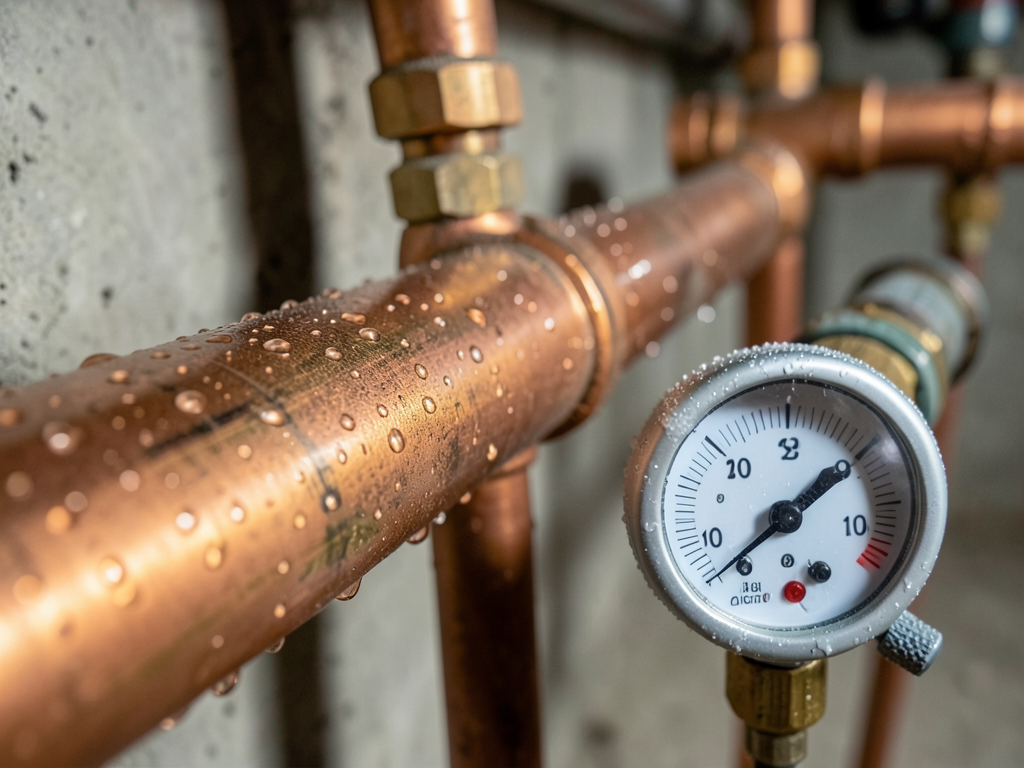
Image Description: Close-up photo showing condensation droplets forming on copper water pipes in a basement during summer humidity, with a moisture meter reading displayed beside the pipes.
Is It Sweating or Leaking? The Diagnostic Test
Before calling a plumber, perform this simple diagnostic test to determine if you’re dealing with condensation or an actual leak. Wipe the pipe dry with a clean cloth. If water reappears uniformly across the pipe surface within 15-30 minutes, you’re seeing condensation. If water appears in specific spots or drips from particular joints, you likely have a leak that needs immediate attention.
Another telltale sign involves the pattern of moisture. Condensation creates a uniform wet sheen along the entire pipe length where cold water flows. Leaks typically show concentrated moisture at connection points, valve stems, or along pipe seams. The smell also differs. Condensation has no odor, while leaks from sewage or rusty pipes often carry distinctive smells.
For a more definitive test, use a relative humidity meter near the affected pipes. If readings exceed 60% in the space around your pipes, condensation is highly likely. Birmingham’s summer indoor humidity often reaches these levels, especially in poorly ventilated areas like utility rooms or crawl spaces.
DIY Solutions to Stop Pipe Sweating
Several effective DIY methods can reduce or eliminate pipe sweating in your Birmingham home. The most immediate solution involves insulating your pipes with foam sleeves. These pre-slit tubes slip over existing pipes and create a thermal barrier. For Birmingham’s humidity levels, use closed-cell foam insulation with at least R-4 rating. This density prevents moisture from penetrating the insulation and causing mold growth behind it.
Installation requires measuring your pipe diameter accurately. Standard residential pipes typically use 1/2-inch or 3/4-inch foam sleeves. Cut the insulation to length using a utility knife, then seal the seam with the provided adhesive strip or duct tape. Pay special attention to pipe elbows and T-joints, as these create thermal bridges where condensation often forms first.
Beyond insulation, controlling indoor humidity proves crucial. Birmingham’s summer humidity makes dehumidifiers essential in problem areas. A 30-pint dehumidifier can maintain 45-50% relative humidity in a 1,000-square-foot space. Place units near water heaters, in laundry rooms, or in crawl spaces where pipe sweating commonly occurs. Empty the collection bucket regularly or connect a continuous drain hose to prevent overflow.
Improving air circulation also helps. Install small fans in enclosed spaces to move air across pipe surfaces. This airflow reduces the boundary layer of humid air that contributes to condensation. Even a small computer fan mounted near problem pipes can make a noticeable difference in moisture reduction.
Professional Solutions for Persistent Condensation
When DIY methods fail or when you’re dealing with extensive pipe networks, professional solutions become necessary. High-grade insulation installation by plumbing professionals involves using materials specifically engineered for high-moisture environments. Closed-cell elastomeric insulation, commonly used in commercial applications, provides superior moisture resistance compared to standard foam sleeves. This material maintains its R-value even when exposed to Birmingham’s extreme humidity. Plumbing Financing Options.
Crawl space encapsulation represents another professional solution particularly relevant to Birmingham homes. Many houses in areas like Trussville and Center Point feature crawl spaces where humidity levels can reach 80% or higher. Encapsulation involves installing a heavy-duty vapor barrier across the entire crawl space floor and walls, then conditioning the space with dehumidification. This comprehensive approach not only stops pipe sweating but also prevents mold growth and improves overall home energy efficiency.
Sometimes the solution involves HVAC adjustments. Your air conditioning system plays a crucial role in controlling indoor humidity. If your AC struggles to maintain comfortable humidity levels during Birmingham’s summer heat, it may need servicing or replacement. A properly sized and functioning AC unit should maintain indoor humidity between 45-55%, significantly reducing pipe condensation potential.
For homes with extensive plumbing modifications or additions, professional rerouting of pipes may be recommended. Moving cold water lines away from exterior walls or into conditioned spaces can eliminate condensation problems entirely. This solution proves particularly valuable in Birmingham’s older homes where original plumbing runs through uninsulated exterior walls.
Birmingham’s Unique Climate Challenges
Birmingham’s location in the Tennessee Valley creates specific challenges for managing pipe condensation. Our proximity to the Gulf of Mexico means we receive warm, moisture-laden air masses throughout summer. The average July dew point in Birmingham hovers around 72°F, creating conditions where condensation forms readily on any surface below this temperature.
The clay soil common throughout Jefferson County exacerbates humidity problems. This soil type retains water after rainfall, slowly releasing moisture into the surrounding air. Homes built on clay soil often experience higher crawl space humidity levels, particularly after summer thunderstorms that frequently hit the Birmingham area.
Historic Birmingham neighborhoods face additional challenges. Many homes in areas like Avondale and Forest Park were built before modern insulation standards, with plumbing running through uninsulated exterior walls or crawl spaces. These older construction methods create numerous thermal bridges where condensation readily forms.
The Birmingham Water Works Board’s water temperature also factors into the equation. During summer months, incoming water temperatures can reach 75-80°F, yet still remain cold enough to cause condensation when Birmingham’s ambient air temperatures soar into the 90s with high humidity.
Long-Term Prevention and Monitoring
Preventing pipe sweating requires ongoing attention throughout Birmingham’s humid season. Install humidity monitors in problem areas to track moisture levels. These inexpensive devices alert you when humidity exceeds 60%, indicating when to run dehumidifiers or increase ventilation.
Regular plumbing inspections help identify developing issues before they cause damage. A professional plumber can check for proper insulation installation, identify thermal bridges, and recommend specific solutions for your home’s unique conditions. In Birmingham’s climate, annual inspections prove particularly valuable for older homes or properties with previous moisture problems.
Consider upgrading to PEX piping in problem areas. Unlike copper, PEX has lower thermal conductivity, reducing condensation formation. While not a complete solution, PEX can complement insulation efforts in particularly challenging areas.
Maintain your HVAC system diligently. A well-functioning air conditioner not only keeps your home comfortable but also controls humidity levels that contribute to pipe sweating. Change filters monthly during summer, schedule professional maintenance annually, and ensure your system is properly sized for your home’s cooling load.
The Hidden Dangers of Unchecked Condensation
While pipe sweating might seem like a minor nuisance, unchecked condensation creates serious risks for Birmingham homeowners. The moisture provides an ideal environment for mold and mildew growth. Within 24-48 hours of continuous moisture exposure, mold spores can begin colonizing wood surfaces, insulation, and drywall near affected pipes.
Structural damage represents another concern. Persistent moisture weakens wood framing, causes drywall to deteriorate, and can lead to expensive repairs. In Birmingham’s older homes, where wood framing may already be compromised by age, additional moisture exposure accelerates deterioration. EPA Mold Guidelines.
Energy efficiency suffers when pipes sweat excessively. The moisture indicates thermal bridging, where conditioned air escapes or unconditioned air enters your home. This forces your HVAC system to work harder, increasing utility bills during Birmingham’s already expensive cooling season.
Pest attraction poses another risk. Termites and carpenter ants thrive in moist environments. The constant moisture from sweating pipes can attract these destructive pests, particularly in Birmingham’s clay soil areas where they already pose significant threats to home structures.
Material Considerations: Copper vs. PEX
The material of your plumbing pipes significantly affects condensation rates. Copper, the traditional choice for residential plumbing, conducts heat rapidly. This high thermal conductivity means copper pipes quickly reach the temperature of the water inside, making them prime candidates for condensation when exposed to humid air.
PEX (cross-linked polyethylene) offers advantages in humid climates. Its lower thermal conductivity reduces the temperature differential between the pipe surface and surrounding air. While PEX still sweats under extreme conditions, it typically shows less condensation than equivalent copper piping.
However, material choice involves trade-offs. Copper’s durability and resistance to UV damage make it preferable for exposed outdoor applications. PEX’s flexibility allows easier installation in tight spaces but requires protection from sunlight and certain chemicals.
For Birmingham homeowners dealing with persistent condensation, a hybrid approach often works best. Use PEX in areas prone to sweating, such as crawl spaces or exterior walls, while maintaining copper for visible indoor plumbing where durability matters most.
Professional Assessment: When to Call a Plumber
Certain signs indicate you need professional help with pipe condensation issues. If you notice water damage on walls or ceilings near plumbing, or if condensation persists despite DIY efforts, professional assessment becomes necessary. Also call a plumber if you detect musty odors suggesting mold growth, or if you’re planning renovations that involve moving or adding plumbing. The Warning Signs Your Mountain Brook Water Heater is About to Fail.
Professional plumbers bring specialized tools for diagnosing condensation problems. Thermal imaging cameras identify temperature differentials that indicate where condensation forms most readily. Moisture meters quantify humidity levels in walls and floors, helping pinpoint the extent of moisture problems.
According to the Alabama Plumbers and Gas Fitters Examining Board regulations, plumbing modifications must meet specific code requirements. Professional installation ensures your condensation solutions comply with local building codes while effectively addressing your moisture problems.
Cost considerations vary widely based on the scope of work needed. Simple insulation upgrades might cost a few hundred dollars, while comprehensive crawl space encapsulation could run several thousand. However, addressing condensation problems early typically costs far less than repairing water damage or remediating mold growth later.
Frequently Asked Questions
Is pipe sweating dangerous for my home?
While pipe sweating itself isn’t immediately dangerous, the moisture it creates can lead to mold growth, structural damage, and pest infestations if left unaddressed. The condensation indicates a humidity problem that needs attention to prevent long-term damage to your home. What to Do Immediately When a Pipe Bursts in Your Birmingham Home.
How much does professional pipe insulation cost in Birmingham?
Professional pipe insulation installation typically ranges from $3 to $7 per linear foot in the Birmingham area, depending on the insulation type and accessibility. Crawl space work often costs more due to limited access and the need for specialized equipment.
Can pipe sweating cause my water bill to increase?
Condensation itself doesn’t increase water usage, but if you mistake sweating for a leak and delay repairs of actual leaks, you could see higher water bills. Also, the energy costs from your HVAC working harder to combat humidity can indirectly increase utility expenses.
How long does pipe insulation last in Birmingham’s climate?
Quality closed-cell foam insulation typically lasts 10-15 years in Birmingham’s humid climate. However, areas with extreme temperature fluctuations or direct UV exposure may require more frequent replacement. Professional-grade insulation often carries longer warranties.
Should I worry about pipe sweating in my attic?
Yes, attic pipe sweating can be particularly problematic as it often goes unnoticed until significant damage occurs. Birmingham’s hot summers can create attic temperatures exceeding 120°F with high humidity, making condensation on cold water lines a serious concern that requires proper insulation.
Take Control of Your Home’s Moisture Problems
Pipe sweating during Birmingham’s humid summers is more than just an annoyance—it’s a warning sign of moisture problems that can damage your home. Whether you’re dealing with occasional drips or persistent condensation, understanding the causes and solutions puts you in control of protecting your investment.
Start with simple DIY solutions like pipe insulation and dehumidifiers, but don’t hesitate to call professionals when problems persist. The cost of professional assessment and remediation is minimal compared to repairing water damage, removing mold, or replacing structural elements compromised by moisture.
Remember that Birmingham’s unique climate creates challenges no other region faces exactly the same way. Our combination of high humidity, clay soil, and historic home construction requires tailored solutions that address our specific conditions.
Ready to stop pipe sweating in your Birmingham home? Call Fortress Plumbing at (659) 234-8600 for a comprehensive inspection and customized moisture control solution. Don’t wait until small condensation problems become major water damage emergencies.
Take action today. Call (659) 234-8600 now to schedule your inspection before the next summer heat wave hits Birmingham. Your home deserves professional protection from moisture damage.
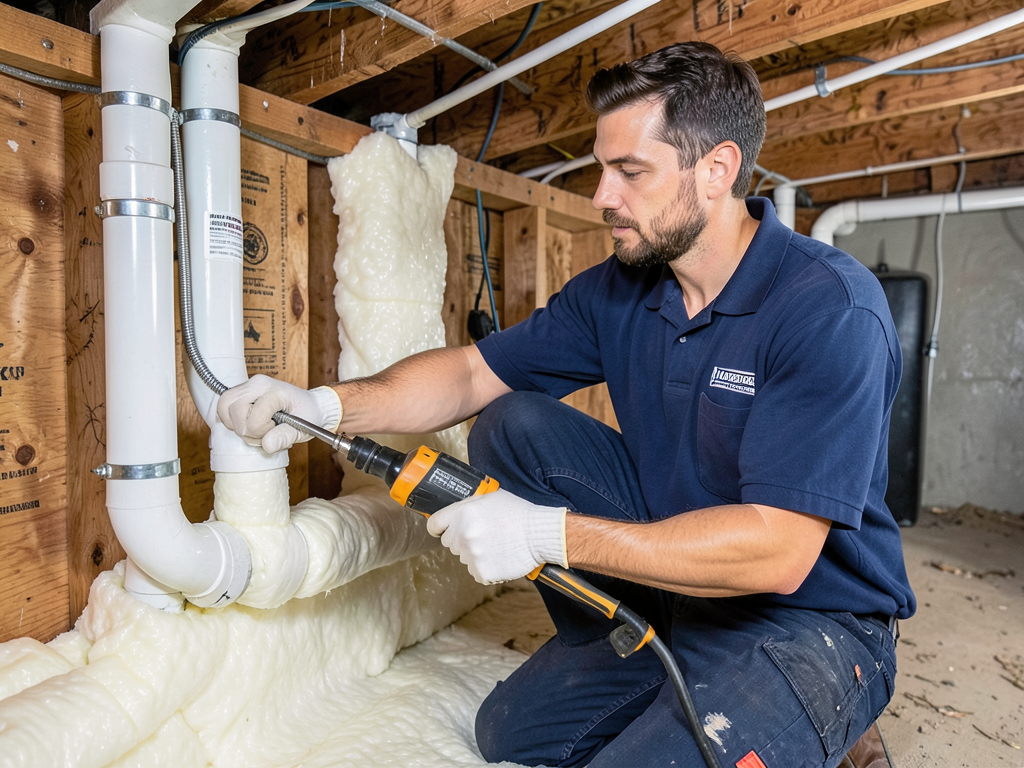
Image Description: Professional plumber installing closed-cell foam pipe insulation in a crawl space, demonstrating proper sealing techniques around pipe joints and elbows to prevent condensation in high-humidity environments.
Image Description: Before and after comparison showing copper pipes with severe condensation damage versus properly insulated pipes with closed-cell foam, highlighting the prevention of moisture-related deterioration and mold growth. For more information, visit International Plumbing Code.
{
“@context”: “https://schema.org”,
“@type”: “BlogPosting”,
“headline”: “Managing Pipe Sweating and Condensation During the Humid Birmingham Summer”,
“description”: “Stop pipe sweating in Birmingham’s humid summers. Learn to identify condensation vs. leaks, prevent mold growth, and protect your home from moisture damage.”,
“wordCount”: 2305,
“datePublished”: “2026-06-10T11:39:00.000Z”,
“dateModified”: “2026-06-10T11:39:00.000Z”,
“inLanguage”: “en-US”,
“mainEntityOfPage”: {
“@type”: “WebPage”,
“@id”: “https://fortressplumbingbirmingham.com”
},
“publisher”: {
“@type”: “LocalBusiness”,
“name”: “Fortress Plumbing Birmingham”,
“url”: “https://fortressplumbingbirmingham.com”
},
“author”: {
“@type”: “Organization”,
“name”: “Fortress Plumbing Birmingham”,
“url”: “https://fortressplumbingbirmingham.com”
},
“image”: {
“@type”: “ImageObject”,
“url”: “https://fortressplumbingbirmingham.com/wp-content/uploads/2026/03/managing-pipe-sweating-and-condensation-during-the-1.png”
}
}
{
“@context”: “https://schema.org”,
“@type”: “Plumber”,
“name”: “Fortress Plumbing Birmingham”,
“url”: “https://fortressplumbingbirmingham.com”,
“address”: {
“@type”: “PostalAddress”,
“addressLocality”: “Birmingham”
},
“areaServed”: {
“@type”: “City”,
“name”: “Birmingham”
}
}
{
“@context”: “https://schema.org”,
“@type”: “FAQPage”,
“mainEntity”: [
{
“@type”: “Question”,
“name”: “What Causes Pipes to Sweat in Birmingham’s Climate?”,
“acceptedAnswer”: {
“@type”: “Answer”,
“text”: “Pipe sweating happens through a simple physics principle. When cold water flows through your pipes, the metal surface temperature drops below the surrounding air’s dew point. Birmingham’s summer air, loaded with moisture from the Gulf of Mexico, reaches its dew point quickly when it contacts these cold surfaces. The moisture in the air condenses into liquid water droplets on the pipe exterior, creating that familiar dripping effect.”
}
},
{
“@type”: “Question”,
“name”: “Is pipe sweating dangerous for my home?”,
“acceptedAnswer”: {
“@type”: “Answer”,
“text”: “While pipe sweating itself isn’t immediately dangerous, the moisture it creates can lead to mold growth, structural damage, and pest infestations if left unaddressed. The condensation indicates a humidity problem that needs attention to prevent long-term damage to your home. What to Do Immediately When a Pipe Bursts in Your Birmingham Home.”
}
},
{
“@type”: “Question”,
“name”: “How much does professional pipe insulation cost in Birmingham?”,
“acceptedAnswer”: {
“@type”: “Answer”,
“text”: “Professional pipe insulation installation typically ranges from $3 to $7 per linear foot in the Birmingham area, depending on the insulation type and accessibility. Crawl space work often costs more due to limited access and the need for specialized equipment.”
}
},
{
“@type”: “Question”,
“name”: “Can pipe sweating cause my water bill to increase?”,
“acceptedAnswer”: {
“@type”: “Answer”,
“text”: “Condensation itself doesn’t increase water usage, but if you mistake sweating for a leak and delay repairs of actual leaks, you could see higher water bills. Also, the energy costs from your HVAC working harder to combat humidity can indirectly increase utility expenses.”
}
},
{
“@type”: “Question”,
“name”: “How long does pipe insulation last in Birmingham’s climate?”,
“acceptedAnswer”: {
“@type”: “Answer”,
“text”: “Quality closed-cell foam insulation typically lasts 10-15 years in Birmingham’s humid climate. However, areas with extreme temperature fluctuations or direct UV exposure may require more frequent replacement. Professional-grade insulation often carries longer warranties.”
}
},
{
“@type”: “Question”,
“name”: “Should I worry about pipe sweating in my attic?”,
“acceptedAnswer”: {
“@type”: “Answer”,
“text”: “Yes, attic pipe sweating can be particularly problematic as it often goes unnoticed until significant damage occurs. Birmingham’s hot summers can create attic temperatures exceeding 120°F with high humidity, making condensation on cold water lines a serious concern that requires proper insulation.”
}
}
]
}
{
“@context”: “https://schema.org”,
“@type”: “BreadcrumbList”,
“itemListElement”: [
{
“@type”: “ListItem”,
“position”: 1,
“name”: “Home”,
“item”: “https://fortressplumbingbirmingham.com”
},
{
“@type”: “ListItem”,
“position”: 2,
“name”: “Blog”,
“item”: “https://fortressplumbingbirmingham.com/blog”
},
{
“@type”: “ListItem”,
“position”: 3,
“name”: “Managing Pipe Sweating and Condensation During the Humid Birmingham Summer”
}
]
}
{
“@context”: “https://schema.org”,
“@type”: “Service”,
“serviceType”: “Plumbing”,
“provider”: {
“@type”: “LocalBusiness”,
“name”: “Fortress Plumbing Birmingham”,
“url”: “https://fortressplumbingbirmingham.com”
},
“areaServed”: {
“@type”: “City”,
“name”: “Birmingham”
},
“description”: “Stop pipe sweating in Birmingham’s humid summers. Learn to identify condensation vs. leaks, prevent mold growth, and protect your home from moisture damage.”
}