Managing the Auto Fill and Overflow Drainage for Your Luxury Pool in Shoal Creek
Living in the exclusive Shoal Creek community means enjoying resort-style luxury right in your backyard. Your pool’s auto fill and overflow drainage system works quietly behind the scenes to maintain perfect water levels and protect your property from water damage. When these systems fail, you face everything from equipment damage to potential foundation issues in your million-dollar home.
The combination of Birmingham’s humid subtropical climate and the clay-heavy soils around Highway 280 creates unique challenges for pool plumbing. Heavy spring rains can overwhelm overflow drains while summer evaporation triggers constant auto fill cycling. Understanding how these systems work together is essential for protecting your investment. Plumbing Mountain Brook.
At Fortress Plumbing, we’ve handled pool plumbing emergencies throughout the 35242 zip code area, from Liberty Park to the gated entrances of Shoal Creek. Our team understands the specific pressure requirements for variable speed pumps and the critical importance of proper check valve installation in luxury pool systems. Plumbing Financing Options.
How Your Pool’s Auto Fill System Works
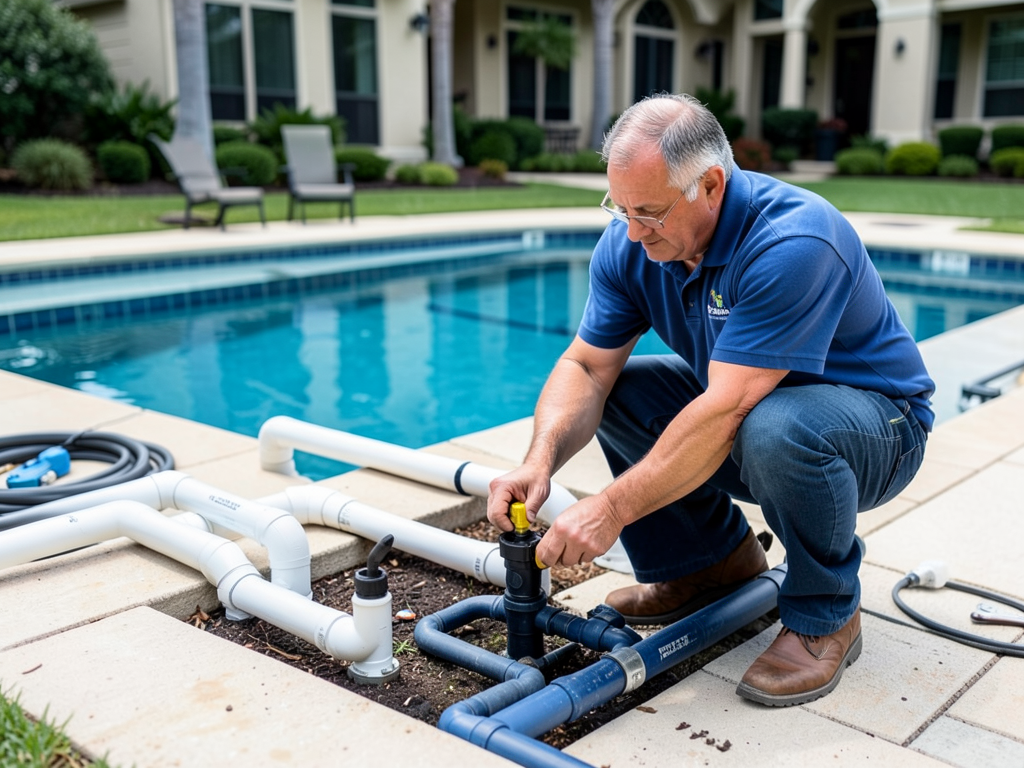
Your auto fill valve acts like a toilet float for your pool, maintaining consistent water levels automatically. The system connects to your home’s water supply through a dedicated line with a pressure reducing valve set to 15-20 PSI. When water levels drop below the set point, the valve opens and adds water until the correct level is restored.
Most luxury pools in Shoal Creek use Jandy or Pentair auto fill units mounted in the equipment pad. These systems include built-in backflow prevention to meet Alabama plumbing code requirements. The float mechanism sits inside a protective housing to prevent debris interference and ensure accurate readings. Alabama Plumbers and Gas Fitters Examining Board.
Common failure points include calcium buildup on the float mechanism, worn diaphragm seals, and incorrect pressure settings. A malfunctioning auto fill can waste thousands of gallons monthly or fail to maintain proper levels, causing pump damage from running dry.
Understanding Overflow Drainage Systems
Overflow drainage prevents your pool from flooding during heavy rains or when the auto fill malfunctions. The system typically includes a main drain line, a secondary overflow weir, and sometimes a dedicated storm drain connection. Water flows through the skimmer or main drain and exits via the overflow line.
In luxury pools, overflow systems must handle sudden influxes of water from summer thunderstorms common in North Central Alabama. The drainage capacity needs to match or exceed the maximum fill rate of your auto fill system. Most Shoal Creek pools require 1.5-inch or 2-inch overflow lines to handle regional rainfall patterns.
The overflow line connects to your home’s drainage system or a dedicated dry well. Proper slope ensures water moves away from the pool deck and foundation. Many homeowners don’t realize their overflow system drains directly into their yard until a heavy rain reveals poor drainage patterns.
Common Problems with Pool Auto Fill and Overflow Systems
Leaking auto fill valves waste water and increase your utility bills. The leak often starts as a slow drip from the pressure reducing valve before progressing to continuous flow. You might notice your pool level rising overnight or water pooling around the equipment pad.
Clogged overflow lines cause the most dramatic failures. Leaves, pine needles, and debris from surrounding trees accumulate in the overflow weir. During heavy rains, water backs up into the pool, overflowing the deck and potentially damaging surrounding landscaping or even seeping toward your home’s foundation.
Failed check valves allow water to flow backward from the pool into your home’s water supply. This creates a serious cross-connection that violates Alabama plumbing code and poses health risks. The check valve should be tested annually and replaced every 3-5 years as part of routine maintenance.
Diagnostic Testing for Pool Plumbing Issues
Professional diagnosis starts with pressure testing the entire system. We isolate the auto fill line and apply 20 PSI of air pressure, watching for pressure drops that indicate leaks. The test takes 15-20 minutes and reveals even small leaks in fittings or valve bodies.
Flow testing measures how quickly water moves through the overflow system. Using a calibrated bucket and stopwatch, we time how long it takes to fill a known volume. Slow flow rates suggest partial blockages or undersized piping that needs upgrading to handle Alabama’s rainfall intensity.
Visual inspection includes checking all exposed piping for signs of corrosion, UV damage, or improper support. PVC pipes should be secured every 3-4 feet and protected from direct sunlight. We also inspect the equipment pad for proper drainage and check that all valves operate smoothly without sticking. The Warning Signs Your Mountain Brook Water Heater is About to Fail.
Upgrading Your Pool Plumbing System
Older pools often have undersized overflow lines that can’t handle modern rainfall patterns. Upgrading from 1-inch to 1.5-inch or 2-inch PVC significantly improves drainage capacity. Schedule 40 PVC works for most applications, but Schedule 80 provides extra durability for high-traffic areas around the equipment pad.
Smart auto fill systems offer precision control through Wi-Fi connectivity. These units monitor water usage, detect unusual patterns that might indicate leaks, and allow remote adjustment of fill levels. Some models integrate with pool automation systems for complete control from your smartphone.
Adding a secondary overflow weir provides redundancy when the primary system clogs. This secondary path ensures water always has an escape route during heavy rains. The weir should be positioned slightly higher than the primary overflow to activate only when needed.
Alabama Code Requirements for Pool Plumbing
The Alabama Plumbers and Gas Fitters Examining Board requires specific backflow prevention devices on all pool auto fill systems. A reduced pressure principle (RPZ) assembly or double check valve assembly must be installed between the water supply and the auto fill valve. These devices prevent contaminated pool water from entering your drinking water supply.
PVC piping must meet ASTM D1785 standards for Schedule 40 or Schedule 80 pressure-rated pipe. All connections require primer and solvent cement meeting ASTM F493 specifications. The code mandates pressure testing at 1.5 times the maximum operating pressure before covering any underground piping. ASTM International plumbing standards.
Local amendments to the International Plumbing Code in Jefferson County require minimum 1.5-inch overflow lines for residential pools and 2-inch lines for commercial installations. The overflow must discharge at least 10 feet from any structure foundation to prevent water damage.
Seasonal Maintenance for Pool Plumbing Systems
Spring maintenance focuses on preparing for heavy rainfall. Clean all overflow weirs and check lines for debris accumulated over winter. Test the auto fill valve operation and adjust the float height if needed. Alabama’s clay soils expand when wet, potentially shifting underground pipes and creating new leaks.
Summer requires monitoring for excessive auto fill cycling. High evaporation rates in Birmingham’s humid climate can trigger constant filling, wasting water and increasing utility costs. Check for leaks around the equipment pad and ensure all valves operate smoothly in the heat.
Fall brings leaf debris that clogs overflow systems. Install temporary strainers over overflow openings during peak leaf season. Winter in North Central Alabama means occasional hard freezes that can crack exposed pipes. Insulate auto fill valves and drain overflow lines if freezing temperatures are forecast.
Emergency Response for Pool Plumbing Failures
When your auto fill valve sticks open, you need to act fast. Locate the shut-off valve on the auto fill supply line immediately. If you can’t find it, shut off the main water supply to your home. A stuck valve can add 500-1000 gallons overnight, flooding your equipment pad and surrounding area. What to Do Immediately When a Pipe Bursts in Your Birmingham Home.
Overflow system backups require different tactics. If water rises toward your pool deck during heavy rain, check the overflow weir for visible blockages. Sometimes simply removing debris restores proper flow. For persistent backups, you may need to temporarily divert water using a submersible pump.
Gas line connections for pool heaters add another layer of complexity. The International Fuel Gas Code requires specific clearances and venting for pool heater installations. Any work involving gas lines must be performed by a licensed professional to ensure safety and code compliance.
Cost Factors for Pool Plumbing Repairs
Simple auto fill valve replacements typically cost $250-400, including parts and labor. The price varies based on the valve type and accessibility of the equipment pad. Smart auto fill units with Wi-Fi connectivity cost $100-150 more but offer significant water savings over time.
Overflow line repairs depend heavily on accessibility. Exposed lines along the equipment pad cost $150-300 to replace. Underground lines requiring trenching can cost $800-1500 depending on depth and length. Clay soil in the Shoal Creek area makes excavation more challenging than sandy soils.
Full system upgrades for older pools range from $2000-5000. This includes replacing all undersized piping, upgrading backflow prevention, and installing redundant overflow paths. The investment protects your $50,000+ pool equipment and prevents costly water damage to your home’s foundation.
Choosing the Right Pool Plumbing Professional
Pool plumbing requires specialized knowledge beyond standard residential plumbing. Look for technicians with specific experience in hydraulic systems, not just leak repair. Ask about their familiarity with Jandy, Pentair, and Hayward equipment common in luxury Birmingham pools.
Verify Alabama state plumbing license and insurance coverage. Pool work involves both plumbing and electrical components, requiring broader expertise than typical service calls. The technician should understand how pool hydraulics interact with your home’s overall plumbing system.
Local experience matters significantly. Birmingham’s clay soils, humidity levels, and rainfall patterns create unique challenges. A technician who’s worked on multiple Shoal Creek properties understands the specific issues your pool system faces.
Preventative Measures for Long-Term Reliability
Install water monitoring sensors that alert you to unusual pool water usage. These devices can detect auto fill valve failures within hours rather than days, preventing thousands of gallons in wasted water. Some systems integrate with home automation platforms for comprehensive monitoring.
Schedule annual professional inspections to catch developing issues before they become emergencies. A thorough inspection includes pressure testing, flow testing, and visual examination of all components. This preventative approach costs $150-250 but can save thousands in emergency repairs.
Consider upgrading to corrosion-resistant materials if your pool is over 10 years old. Brass components in older auto fill valves can fail as water chemistry changes. Modern polymer valves offer better reliability and resistance to mineral buildup common in Alabama’s water supply.
Frequently Asked Questions
How do I know if my auto fill valve is leaking?
Check your water meter when the pool is not in use. If the meter continues moving, you likely have a leak. Also watch for consistently high water levels or wet spots around the equipment pad that never dry out.
What size overflow line do I need for my pool?
For most residential pools in Birmingham, a 1.5-inch overflow line provides adequate capacity. Pools over 20,000 gallons or in areas with heavy tree coverage may need 2-inch lines to handle debris and rainfall volume.
Can I repair pool plumbing myself?
Simple tasks like cleaning overflow weirs are fine for homeowners. However, any work involving pressure testing, gas lines, or underground repairs should be handled by licensed professionals to ensure safety and code compliance.
How often should pool plumbing be inspected?
Professional inspection annually, with seasonal checks by homeowners. Spring and fall are ideal times for thorough inspections as you prepare for heavy use or winter weather.
What causes my auto fill to run constantly?
Common causes include stuck float mechanisms, leaks in the pool shell, or incorrect pressure settings. A stuck valve can waste hundreds of gallons daily and significantly increase your water bill.

Protecting Your Investment in Shoal Creek
Your luxury pool represents a significant investment in your Shoal Creek lifestyle. The auto fill and overflow drainage systems work silently to protect that investment from water damage and equipment failure. Understanding how these systems function helps you recognize problems early and make informed decisions about maintenance and upgrades.
Don’t wait for a plumbing emergency to discover the importance of proper pool hydraulics. The clay soils around Highway 280 and the heavy rainfall patterns in North Central Alabama create conditions that can overwhelm inadequate systems. Regular maintenance and timely upgrades prevent costly water damage to your home’s foundation and surrounding landscape.
When you need professional pool plumbing service in Shoal Creek or anywhere in the Birmingham area, Fortress Plumbing provides the expertise and local knowledge to keep your system running reliably. Our team understands the specific challenges of luxury pool maintenance in Alabama’s climate and can recommend solutions tailored to your property’s needs.
Call (659) 234-8600 today to schedule your pool plumbing inspection. Don’t let a small leak become a major problem that damages your million-dollar home. Our licensed technicians are ready to ensure your auto fill and overflow systems protect your investment for years to come.
Pick up the phone and call (659) 234-8600 before the next Alabama thunderstorm tests your pool’s drainage capacity. We’re here to help you enjoy worry-free pool ownership in the beautiful Shoal Creek community.
{
“@context”: “https://schema.org”,
“@type”: “BlogPosting”,
“headline”: “Managing the Auto Fill and Overflow Drainage for Your Luxury Pool in Shoal Creek”,
“description”: “Learn how to properly manage auto fill and overflow drainage for luxury pools in Shoal Creek. Expert Birmingham pool plumbing services with Alabama code compliance.”,
“wordCount”: 2174,
“datePublished”: “2026-04-12T11:06:00.000Z”,
“dateModified”: “2026-04-12T11:06:00.000Z”,
“inLanguage”: “en-US”,
“mainEntityOfPage”: {
“@type”: “WebPage”,
“@id”: “https://fortressplumbingbirmingham.com”
},
“publisher”: {
“@type”: “LocalBusiness”,
“name”: “Fortress Plumbing Birmingham”,
“url”: “https://fortressplumbingbirmingham.com”
},
“author”: {
“@type”: “Organization”,
“name”: “Fortress Plumbing Birmingham”,
“url”: “https://fortressplumbingbirmingham.com”
},
“image”: {
“@type”: “ImageObject”,
“url”: “https://fortressplumbingbirmingham.com/wp-content/uploads/2026/03/managing-the-auto-fill-and-overflow-drainage-for-y-1.png”
}
}
{
“@context”: “https://schema.org”,
“@type”: “Plumber”,
“name”: “Fortress Plumbing Birmingham”,
“url”: “https://fortressplumbingbirmingham.com”,
“address”: {
“@type”: “PostalAddress”,
“addressLocality”: “Birmingham”
},
“areaServed”: {
“@type”: “City”,
“name”: “Birmingham”
}
}
{
“@context”: “https://schema.org”,
“@type”: “FAQPage”,
“mainEntity”: [
{
“@type”: “Question”,
“name”: “How do I know if my auto fill valve is leaking?”,
“acceptedAnswer”: {
“@type”: “Answer”,
“text”: “Check your water meter when the pool is not in use. If the meter continues moving, you likely have a leak. Also watch for consistently high water levels or wet spots around the equipment pad that never dry out.”
}
},
{
“@type”: “Question”,
“name”: “What size overflow line do I need for my pool?”,
“acceptedAnswer”: {
“@type”: “Answer”,
“text”: “For most residential pools in Birmingham, a 1.5-inch overflow line provides adequate capacity. Pools over 20,000 gallons or in areas with heavy tree coverage may need 2-inch lines to handle debris and rainfall volume.”
}
},
{
“@type”: “Question”,
“name”: “Can I repair pool plumbing myself?”,
“acceptedAnswer”: {
“@type”: “Answer”,
“text”: “Simple tasks like cleaning overflow weirs are fine for homeowners. However, any work involving pressure testing, gas lines, or underground repairs should be handled by licensed professionals to ensure safety and code compliance.”
}
},
{
“@type”: “Question”,
“name”: “How often should pool plumbing be inspected?”,
“acceptedAnswer”: {
“@type”: “Answer”,
“text”: “Professional inspection annually, with seasonal checks by homeowners. Spring and fall are ideal times for thorough inspections as you prepare for heavy use or winter weather.”
}
},
{
“@type”: “Question”,
“name”: “What causes my auto fill to run constantly?”,
“acceptedAnswer”: {
“@type”: “Answer”,
“text”: “Common causes include stuck float mechanisms, leaks in the pool shell, or incorrect pressure settings. A stuck valve can waste hundreds of gallons daily and significantly increase your water bill.”
}
}
]
}
{
“@context”: “https://schema.org”,
“@type”: “BreadcrumbList”,
“itemListElement”: [
{
“@type”: “ListItem”,
“position”: 1,
“name”: “Home”,
“item”: “https://fortressplumbingbirmingham.com”
},
{
“@type”: “ListItem”,
“position”: 2,
“name”: “Blog”,
“item”: “https://fortressplumbingbirmingham.com/blog”
},
{
“@type”: “ListItem”,
“position”: 3,
“name”: “Managing the Auto Fill and Overflow Drainage for Your Luxury Pool in Shoal Creek”
}
]
}
{
“@context”: “https://schema.org”,
“@type”: “Service”,
“serviceType”: “Plumbing”,
“provider”: {
“@type”: “LocalBusiness”,
“name”: “Fortress Plumbing Birmingham”,
“url”: “https://fortressplumbingbirmingham.com”
},
“areaServed”: {
“@type”: “City”,
“name”: “Birmingham”
},
“description”: “Learn how to properly manage auto fill and overflow drainage for luxury pools in Shoal Creek. Expert Birmingham pool plumbing services with Alabama code compliance.”
}