Replacing Dangerous Polybutylene Pipes in Older Clay Neighborhoods
Polybutylene pipes have been a ticking time bomb in Birmingham’s older neighborhoods for decades. These gray plastic pipes were installed in thousands of homes between 1978 and 1995 before being banned due to widespread failures. If your home in Clay was built during this period, your plumbing system could be at serious risk of sudden failure. Plumbing Mountain Brook.
The problem stems from chlorine in Birmingham’s municipal water supply. Over time, chlorine molecules break down the polybutylene material at a molecular level, causing it to become brittle and develop micro-fractures. These tiny cracks eventually lead to catastrophic pipe bursts, often without warning. Homeowners have reported waking up to flooded basements or discovering water damage that has been slowly destroying their home’s structure for months. What to Do Immediately When a Pipe Bursts in Your Birmingham Home.
Replacing polybutylene pipes isn’t just a maintenance upgrade—it’s a critical safety measure that protects your home’s value and prevents potential disaster. The replacement process requires careful planning and professional execution to ensure your new plumbing system will last for decades without issues. Plumbing Financing Options.

Identifying Polybutylene Pipes in Your Birmingham Home
Recognizing polybutylene piping is the first step toward protecting your home. These pipes have several distinctive characteristics that make them easy to identify once you know what to look for.
Polybutylene pipes are typically gray, blue, or black flexible plastic tubing. They often have a dull, matte finish rather than the shiny appearance of newer plastic pipes. The most reliable identification method is checking for the PB2110 marking stamped on the pipe itself. This code indicates polybutylene material manufactured to specific standards that are now known to be inadequate. Finding a Reliable Emergency Plumber in Hoover Without Getting Overcharged.
Common locations for polybutylene pipes include basement ceilings, crawl spaces, and near water heaters. You might also find them running through walls to supply individual fixtures. The pipes are usually connected with copper or brass fittings that use crimp rings to secure the connections. These fittings are another telltale sign of polybutylene systems.
In Clay’s older neighborhoods like Clay-Chalkville and Pinson Valley, many homes built between 1985 and 1995 still contain these problematic pipes. The humid Alabama climate and Birmingham Water Works’ chlorine treatment levels create the perfect conditions for accelerated pipe degradation in these systems.
Why Birmingham’s Water Chemistry Accelerates Pipe Failure
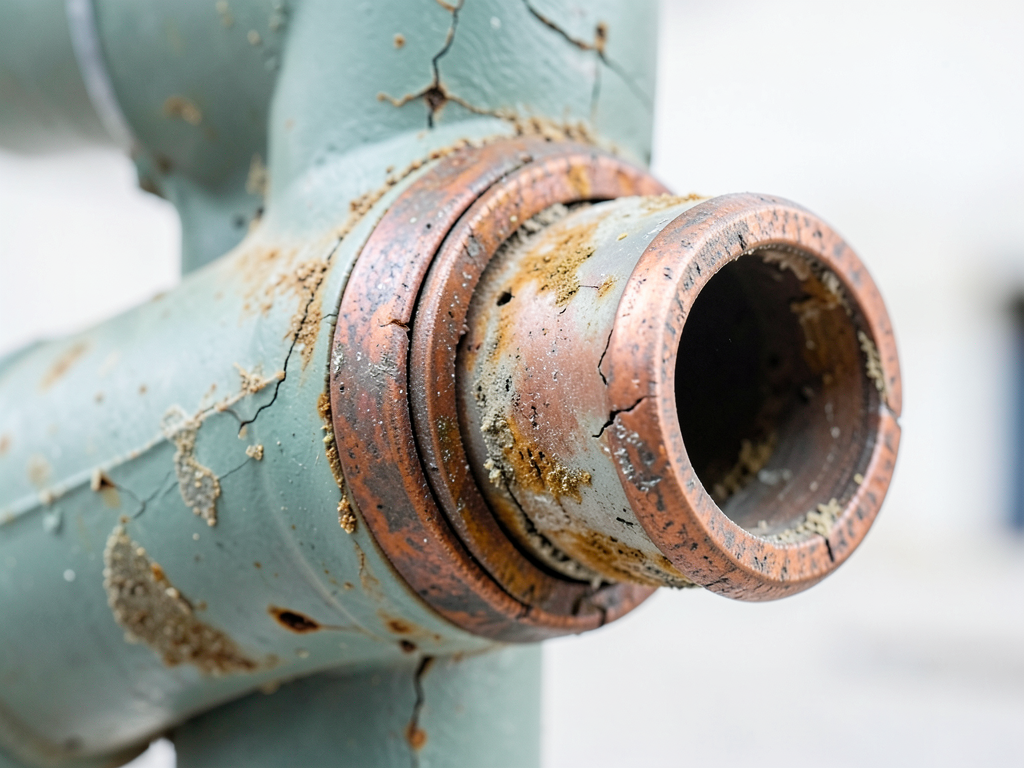
Birmingham’s municipal water treatment process uses chlorine to eliminate harmful bacteria and ensure safe drinking water. While this practice protects public health, it creates a hostile environment for polybutylene pipes. The chlorine molecules slowly penetrate the pipe walls and cause oxidation reactions that weaken the plastic structure.
The Jefferson County Department of Health mandates specific chlorine levels in public water systems. Birmingham Water Works typically maintains chlorine concentrations between 1.0 and 1.5 parts per million. While these levels are safe for human consumption, they’re sufficient to cause polybutylene breakdown over time. EPA guidelines on chlorine disinfection.
Alabama’s climate compounds the problem. High humidity levels cause condensation on cold water pipes, creating a moist environment that accelerates chemical reactions. During summer months, when water usage increases and pipes carry more chlorinated water, the degradation process speeds up significantly.
The combination of Birmingham’s water chemistry and Alabama’s climate means polybutylene pipes in this region fail faster than in many other parts of the country. Homes in Clay’s older subdivisions face particularly high risk because they were built during the peak polybutylene installation period and have been exposed to these conditions for decades.
Legal History and Insurance Implications
The polybutylene pipe crisis led to one of the largest class-action lawsuits in plumbing history. The Cox v. Shell Oil case, settled in 1995, resulted in over $1 billion in compensation for homeowners affected by failing polybutylene systems. This lawsuit involved major manufacturers including Shell Oil, Celanese, and DuPont.
In Alabama, the statute of limitations for filing claims under this settlement has expired, but the insurance implications remain significant. Many Birmingham-area insurance companies now specifically exclude polybutylene pipes from coverage or charge substantial premiums for homes that still have them installed.
Jefferson County building codes require full disclosure of polybutylene systems during home sales. Many buyers refuse to purchase homes with these pipes, and those who do often demand price reductions to cover replacement costs. Some lenders won’t approve mortgages for homes with polybutylene plumbing unless the system is replaced. Jefferson County Water Quality Report.
The financial impact extends beyond immediate replacement costs. Homes with polybutylene pipes typically sell for 10-15% less than comparable properties with modern plumbing. In Clay’s competitive real estate market, this difference can amount to tens of thousands of dollars in lost value.
Replacement Options: PEX vs. Copper
When replacing polybutylene pipes, homeowners must choose between two primary materials: PEX (cross-linked polyethylene) and copper. Each option has distinct advantages for Birmingham’s specific conditions.
PEX has become the most popular choice for polybutylene replacement in Alabama. This flexible plastic tubing resists chlorine damage and handles temperature fluctuations well. PEX-A, the highest quality grade, offers superior flexibility and freeze resistance. The material expands slightly when frozen, reducing burst risk during rare Alabama cold snaps.
Copper remains a premium option valued for its longevity and proven track record. Birmingham’s water chemistry doesn’t significantly affect copper pipes, and they can last 50+ years with proper installation. However, copper costs approximately 30-40% more than PEX and requires more invasive installation techniques.
Material Comparison Table:
| Material | Cost per Linear Foot | Installation Time | Lifespan | Chlorine Resistance |
|---|---|---|---|---|
| PEX-A | $0.50 – $0.75 | 2-3 days | 40-50 years | Excellent |
| Copper Type L | $2.00 – $3.00 | 3-5 days | 50+ years | Good |
| PEX-B | $0.40 – $0.60 | 2-3 days | 30-40 years | Very Good |
For most Birmingham homeowners, PEX-A offers the best balance of cost, durability, and installation efficiency. The material’s flexibility allows for fewer fittings and connections, reducing potential leak points. PEX also performs better in Alabama’s freeze-thaw cycles than rigid materials.
The Replacement Process: What to Expect
Replacing polybutylene pipes is a significant undertaking that requires careful planning and execution. A typical whole-home repipe project follows a systematic process to minimize disruption and ensure quality results.
The process begins with a comprehensive inspection to map your existing plumbing system. Technicians use specialized cameras and pressure testing to identify all polybutylene pipes and assess the overall system condition. This diagnostic phase typically takes 2-3 hours for an average home.
Permit acquisition represents the next critical step. Jefferson County requires permits for whole-home repiping projects. The permitting process ensures compliance with local building codes and includes inspections at key project milestones. Most permits are approved within 3-5 business days.
During the actual replacement, crews typically work in sections to maintain partial water service throughout the project. The process involves removing old pipes, installing new ones, and connecting fixtures. Most homes can be completed in 3-5 days, though larger properties may require additional time.
Post-installation testing verifies system integrity before walls and ceilings are closed. Technicians pressure test the entire system and check all connections for leaks. Final inspections by county officials confirm code compliance before water service is fully restored.
Cost Factors for Birmingham Area Homes
Polybutylene replacement costs vary significantly based on several factors specific to Birmingham and surrounding areas. Understanding these variables helps homeowners budget appropriately for this essential upgrade.
Square footage represents the primary cost driver. Larger homes require more piping material and labor hours. A typical 2,000-square-foot home might cost $4,000-$6,000 for PEX replacement, while a 4,000-square-foot home could range from $8,000-$12,000.
Accessibility significantly impacts pricing. Homes with accessible basements or crawl spaces cost less to repipe than those requiring extensive wall demolition. Multi-story homes add complexity and cost due to the need to run pipes vertically through walls and floors.
Fixture count also affects total cost. Each sink, toilet, shower, and appliance requires individual supply lines. Homes with multiple bathrooms, kitchens, or outdoor fixtures need more materials and labor hours.
Cost Breakdown Table:
| Cost Component | Percentage of Total | Average Cost Range |
|---|---|---|
| Materials (PEX/Copper) | 30-35% | $1,200 – $4,200 |
| Labor | 45-50% | $1,800 – $6,000 |
| Permits and Inspections | 5-7% | $200 – $840 |
| Wall Repair and Painting | 10-15% | $400 – $1,800 |
Many Birmingham plumbing companies offer financing options for polybutylene replacement. Given the essential nature of this work and its impact on home value, financing can make the project more manageable for homeowners on tight budgets.
Local Success Stories in Clay Neighborhoods
Several Clay neighborhoods have seen successful polybutylene replacement projects in recent years. These case studies demonstrate the process and outcomes homeowners can expect.
In the Clay-Chalkville area, a 1990s-era subdivision experienced multiple pipe failures within months of each other. One homeowner’s burst pipe caused $15,000 in damage before the issue was discovered. The neighborhood association coordinated a bulk replacement project, reducing individual costs by 15% through volume pricing.
A Pinson Valley family discovered polybutylene pipes during a pre-sale home inspection. They opted for PEX-A replacement before listing the property. The $5,800 investment allowed them to avoid a $12,000 price reduction requested by potential buyers and resulted in a quicker sale at full asking price.
In Trussville’s older sections, several homes built during the polybutylene era have undergone successful replacements. These projects often reveal additional issues like outdated electrical systems or inadequate insulation, allowing homeowners to address multiple concerns simultaneously.
The common thread among successful projects is working with experienced local plumbers who understand Birmingham’s specific challenges. These professionals know how to navigate Jefferson County permitting, work with local water authorities, and address the unique issues that arise in Alabama homes.
Maintaining Your New Plumbing System
After investing in polybutylene replacement, proper maintenance ensures your new system provides decades of reliable service. Birmingham’s specific conditions require attention to certain maintenance aspects.
Water pressure monitoring represents a critical maintenance task. Jefferson County water pressure can fluctuate, especially during summer months when demand increases. Installing a pressure regulator helps protect your new pipes from stress caused by pressure spikes that can occur during water main repairs or high-demand periods.
Annual inspections by qualified plumbers can identify potential issues before they become problems. These inspections should include checking for corrosion at connection points, verifying proper water pressure, and inspecting visible pipes for signs of wear or damage. The Warning Signs Your Mountain Brook Water Heater is About to Fail.
Water quality testing every few years helps ensure your system remains protected. While PEX and copper resist chlorine damage better than polybutylene, extreme pH levels or unusual water chemistry can still cause issues over time. Birmingham Water Works provides annual water quality reports, but testing your home’s specific water can reveal issues affecting your plumbing.
Being prepared for emergencies remains important even with new pipes. Know the location of your main water shutoff valve and keep the contact information for a reliable local plumber readily available. Quick action during rare freeze events or pressure surges can prevent damage to your new system.
Frequently Asked Questions
How can I tell if my home has polybutylene pipes?
Look for gray, blue, or black flexible plastic pipes with PB2110 markings. Check basements, crawl spaces, and near water heaters. If unsure, a professional plumber can perform a thorough inspection using specialized tools.
Is polybutylene replacement covered by homeowners insurance?
Most standard policies don’t cover replacement since it’s considered preventive maintenance. However, if a pipe bursts and causes damage, the resulting water damage is typically covered. Some insurers offer specific endorsements for polybutylene replacement.
How long does the replacement process take?
Most whole-home repiping projects take 3-5 days. Crews work in sections to maintain partial water service. Larger homes or those with difficult access may require additional time.
Can I replace only the visible pipes and leave hidden ones?
While possible, this approach leaves your home vulnerable to hidden failures. Full replacement is recommended because polybutylene pipes buried in walls or under concrete slabs will eventually fail and require expensive access work later.
What permits are required for polybutylene replacement in Birmingham?
Jefferson County requires permits for whole-home repiping. The process ensures code compliance and includes inspections. Your plumbing contractor typically handles permit acquisition as part of the project.
How much does polybutylene replacement increase home value?
Replacing polybutylene pipes can increase home value by 5-10% and make the property more attractive to buyers and lenders. It also eliminates a major insurance concern that could prevent coverage or increase premiums.
Should I choose PEX or copper for replacement?
PEX offers better value for most Birmingham homeowners, with lower cost, easier installation, and excellent durability. Copper provides maximum longevity but costs significantly more. Your specific needs and budget determine the best choice.
Can I stay in my home during the replacement process?
Yes, most homeowners remain in their homes during repiping. Crews work to maintain water service to essential areas and complete work in sections to minimize disruption.
What happens if I don’t replace polybutylene pipes?
Untreated polybutylene pipes will eventually fail, potentially causing extensive water damage, mold growth, and structural issues. The risk of sudden failure increases each year as the pipes continue to degrade from chlorine exposure.
How do I find a qualified plumber for polybutylene replacement?
Look for licensed plumbers with specific experience in whole-home repiping and polybutylene replacement. Check reviews, ask about insurance coverage, and verify they handle permits and inspections as part of their service.
Take Action to Protect Your Home
Polybutylene pipes in Birmingham’s older neighborhoods represent a serious risk that only increases with time. The combination of aging materials, chlorine exposure, and Alabama’s climate conditions makes failure inevitable, not just possible. Every year you wait increases the likelihood of costly water damage and decreases your home’s marketability.
Professional inspection is the first step toward protecting your investment. A qualified plumber can assess your system, provide replacement options, and help you understand the scope of work required. With proper planning and execution, polybutylene replacement can be completed with minimal disruption while providing decades of reliable service.
Don’t wait for a pipe to burst and cause thousands of dollars in damage. The cost of preventive replacement is far less than emergency repairs and water damage restoration. Your home represents your largest investment—protecting it from preventable plumbing failures is simply smart homeownership.
Call (659) 234-8600 today to schedule your polybutylene inspection. Our experienced team understands Birmingham’s specific challenges and can provide solutions tailored to your home’s needs. Whether you need a full replacement or just want peace of mind through professional assessment, we’re here to help protect your home and family from the risks of failing polybutylene pipes.
Pick up the phone and call (659) 234-8600 before the next storm hits. Birmingham’s weather patterns and water system stresses create the perfect conditions for sudden pipe failures. Don’t become another statistic—take action now to secure your home’s plumbing future.
{
“@context”: “https://schema.org”,
“@type”: “BlogPosting”,
“headline”: “Replacing Dangerous Polybutylene Pipes in Older Clay Neighborhoods”,
“description”: “Discover why polybutylene pipes in Birmingham’s older Clay neighborhoods are failing and how to replace them safely. Learn about PEX vs copper options and local costs.”,
“wordCount”: 2463,
“datePublished”: “2026-03-24T16:41:00.000Z”,
“dateModified”: “2026-03-24T16:41:00.000Z”,
“inLanguage”: “en-US”,
“mainEntityOfPage”: {
“@type”: “WebPage”,
“@id”: “https://fortressplumbingbirmingham.com”
},
“publisher”: {
“@type”: “LocalBusiness”,
“name”: “Fortress Plumbing Birmingham”,
“url”: “https://fortressplumbingbirmingham.com”
},
“author”: {
“@type”: “Organization”,
“name”: “Fortress Plumbing Birmingham”,
“url”: “https://fortressplumbingbirmingham.com”
},
“image”: {
“@type”: “ImageObject”,
“url”: “https://fortressplumbingbirmingham.com/wp-content/uploads/2026/03/replacing-dangerous-polybutylene-pipes-in-older-cl-1.png”
}
}
{
“@context”: “https://schema.org”,
“@type”: “Plumber”,
“name”: “Fortress Plumbing Birmingham”,
“url”: “https://fortressplumbingbirmingham.com”,
“address”: {
“@type”: “PostalAddress”,
“addressLocality”: “Birmingham”
},
“areaServed”: {
“@type”: “City”,
“name”: “Birmingham”
}
}
{
“@context”: “https://schema.org”,
“@type”: “FAQPage”,
“mainEntity”: [
{
“@type”: “Question”,
“name”: “How can I tell if my home has polybutylene pipes?”,
“acceptedAnswer”: {
“@type”: “Answer”,
“text”: “Look for gray, blue, or black flexible plastic pipes with PB2110 markings. Check basements, crawl spaces, and near water heaters. If unsure, a professional plumber can perform a thorough inspection using specialized tools.”
}
},
{
“@type”: “Question”,
“name”: “Is polybutylene replacement covered by homeowners insurance?”,
“acceptedAnswer”: {
“@type”: “Answer”,
“text”: “Most standard policies don’t cover replacement since it’s considered preventive maintenance. However, if a pipe bursts and causes damage, the resulting water damage is typically covered. Some insurers offer specific endorsements for polybutylene replacement.”
}
},
{
“@type”: “Question”,
“name”: “How long does the replacement process take?”,
“acceptedAnswer”: {
“@type”: “Answer”,
“text”: “Most whole-home repiping projects take 3-5 days. Crews work in sections to maintain partial water service. Larger homes or those with difficult access may require additional time.”
}
},
{
“@type”: “Question”,
“name”: “Can I replace only the visible pipes and leave hidden ones?”,
“acceptedAnswer”: {
“@type”: “Answer”,
“text”: “While possible, this approach leaves your home vulnerable to hidden failures. Full replacement is recommended because polybutylene pipes buried in walls or under concrete slabs will eventually fail and require expensive access work later.”
}
},
{
“@type”: “Question”,
“name”: “What permits are required for polybutylene replacement in Birmingham?”,
“acceptedAnswer”: {
“@type”: “Answer”,
“text”: “Jefferson County requires permits for whole-home repiping. The process ensures code compliance and includes inspections. Your plumbing contractor typically handles permit acquisition as part of the project.”
}
},
{
“@type”: “Question”,
“name”: “How much does polybutylene replacement increase home value?”,
“acceptedAnswer”: {
“@type”: “Answer”,
“text”: “Replacing polybutylene pipes can increase home value by 5-10% and make the property more attractive to buyers and lenders. It also eliminates a major insurance concern that could prevent coverage or increase premiums.”
}
},
{
“@type”: “Question”,
“name”: “Should I choose PEX or copper for replacement?”,
“acceptedAnswer”: {
“@type”: “Answer”,
“text”: “PEX offers better value for most Birmingham homeowners, with lower cost, easier installation, and excellent durability. Copper provides maximum longevity but costs significantly more. Your specific needs and budget determine the best choice.”
}
},
{
“@type”: “Question”,
“name”: “Can I stay in my home during the replacement process?”,
“acceptedAnswer”: {
“@type”: “Answer”,
“text”: “Yes, most homeowners remain in their homes during repiping. Crews work to maintain water service to essential areas and complete work in sections to minimize disruption.”
}
},
{
“@type”: “Question”,
“name”: “What happens if I don’t replace polybutylene pipes?”,
“acceptedAnswer”: {
“@type”: “Answer”,
“text”: “Untreated polybutylene pipes will eventually fail, potentially causing extensive water damage, mold growth, and structural issues. The risk of sudden failure increases each year as the pipes continue to degrade from chlorine exposure.”
}
}
]
}
{
“@context”: “https://schema.org”,
“@type”: “BreadcrumbList”,
“itemListElement”: [
{
“@type”: “ListItem”,
“position”: 1,
“name”: “Home”,
“item”: “https://fortressplumbingbirmingham.com”
},
{
“@type”: “ListItem”,
“position”: 2,
“name”: “Blog”,
“item”: “https://fortressplumbingbirmingham.com/blog”
},
{
“@type”: “ListItem”,
“position”: 3,
“name”: “Replacing Dangerous Polybutylene Pipes in Older Clay Neighborhoods”
}
]
}
{
“@context”: “https://schema.org”,
“@type”: “Service”,
“serviceType”: “Plumbing”,
“provider”: {
“@type”: “LocalBusiness”,
“name”: “Fortress Plumbing Birmingham”,
“url”: “https://fortressplumbingbirmingham.com”
},
“areaServed”: {
“@type”: “City”,
“name”: “Birmingham”
},
“description”: “Discover why polybutylene pipes in Birmingham’s older Clay neighborhoods are failing and how to replace them safely. Learn about PEX vs copper options and local costs.”
}