

menu

Understanding Backflow Testing in Birmingham – Your Complete Guide to Certification Requirements and Water Safety Compliance

Learn exactly what backflow testing protects, why Birmingham municipal codes require annual certification, and how proper backflow prevention assembly testing safeguards your property and drinking water supply.

Slider Image 1
Slider Image 2
Slider Image 3
Slider Image 4
Slider Image 5
Slider Image 7
Slider Image 8
Slider Image 9
Slider Image 10
Slider Image 11

Why Birmingham Property Owners Need to Understand Backflow Testing

Backflow happens when water flows in the wrong direction through your plumbing system. Instead of clean municipal water entering your property, contaminated water reverses course and flows back into the public supply. This creates a genuine public health threat.

Birmingham Water Works requires annual backflow certification for specific properties. Commercial buildings, irrigation systems, fire suppression systems, and properties with chemical injection systems need annual backflow device testing procedures to stay compliant. The Birmingham metro area maintains strict water backflow testing requirements because of the density of commercial operations near residential areas.

The clay soil common throughout Jefferson County shifts during wet seasons. These ground movements stress underground pipes and can damage backflow prevention devices. You need functioning backflow preventers to create a physical barrier between your property's internal plumbing and the city water supply.

A failed backflow preventer inspection means your property receives a violation notice. Birmingham Water Works can disconnect service until you correct the issue. You also face potential fines for non-compliance.

Most property owners do not know what backflow prevention assembly testing involves or why it matters. Your backflow device operates silently in a basement utility room or outside meter box. You never think about it until the annual notice arrives. Understanding the process helps you avoid violations, protects public health, and keeps your property compliant with municipal codes.

Why Birmingham Property Owners Need to Understand Backflow Testing
What Actually Happens During Backflow Prevention Assembly Testing

What Actually Happens During Backflow Prevention Assembly Testing

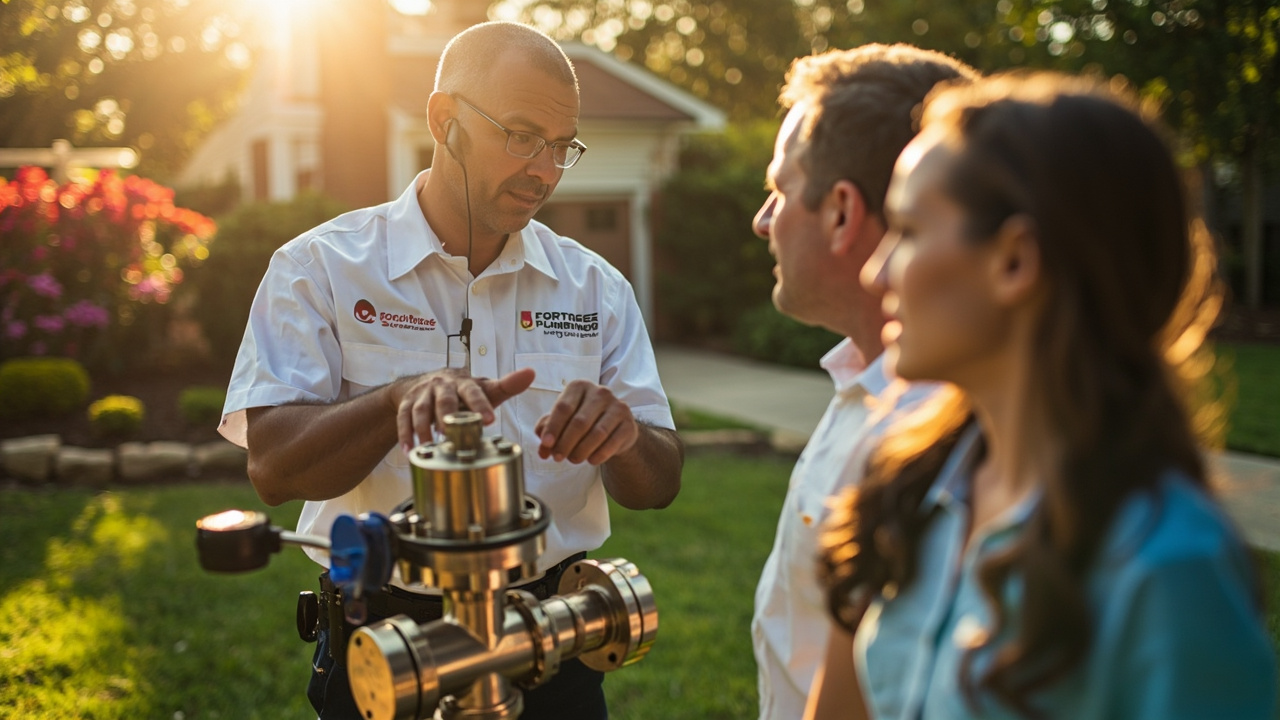
Backflow preventer inspection follows specific protocols set by the American Water Works Association and adopted by Birmingham Water Works. A certified tester uses calibrated gauges to measure pressure differentials across the device. The test verifies that check valves seal properly and relief valves open at correct thresholds.

The most common device in Birmingham is the reduced pressure zone assembly, called an RPZ. The tester isolates your property's water supply, attaches test gauges to designated ports, and performs a series of valve manipulations. Each check valve must hold against reverse flow pressure. The relief valve must discharge water when pressure drops below acceptable levels.

Annual backflow certification requires documentation. The tester records pressure readings, valve performance, and device serial numbers on official test forms. These forms go to Birmingham Water Works to maintain your compliance record. If the device fails, you receive detailed notes explaining which component malfunctioned.

Failed backflow device testing procedures require immediate repair or replacement. Common failures include stuck check valves, worn rubber seals, or debris lodged in valve seats. The tester provides a repair estimate and timeline for bringing the device back to passing condition.

Water backflow testing requirements apply differently based on hazard classification. High-hazard properties like hospitals, chemical plants, and car washes face stricter rules than standard commercial buildings. Fortress Plumbing Birmingham helps property owners identify their classification and maintain proper testing schedules. You receive reminder notices before your certification expires, preventing compliance gaps.

How the Backflow Testing Appointment Works

Understanding Backflow Testing in Birmingham – Your Complete Guide to Certification Requirements and Water Safety Compliance
01

Device Location and Inspection

The technician locates your backflow prevention assembly and performs a visual inspection. They check for obvious damage, corrosion, or leaks. They verify the device serial number matches municipal records. They confirm test ports are accessible and not damaged. This preliminary inspection identifies potential issues before testing begins and ensures the device is testable.
02

Pressure Testing Procedure

The technician attaches calibrated test gauges to the device's test ports. They manipulate gate valves in a specific sequence while recording pressure readings. Each check valve undergoes independent testing to verify proper sealing. The relief valve is tested to confirm it opens at the correct pressure differential. The entire procedure takes 20 to 30 minutes for a standard RPZ assembly.
03

Documentation and Compliance Filing

After testing, the technician completes official test forms with all required pressure readings and pass/fail status. They submit these forms directly to Birmingham Water Works to update your compliance record. You receive a copy showing your certification date and next test due date. If the device failed, you receive a detailed repair quote and timeline for corrective work.

Why Local Expertise Matters for Birmingham Backflow Testing

Birmingham Water Works maintains a registry of approved backflow testers. Only certified professionals with current credentials can submit valid test forms. Fortress Plumbing Birmingham employs Alabama-certified backflow testers who understand local code requirements and municipal procedures.

The Jefferson County area uses specific backflow device models based on local water pressure conditions. Our technicians work with these devices daily and recognize common failure patterns unique to Birmingham installations. We stock replacement parts for devices commonly installed throughout the metro area.

Birmingham's seasonal weather affects backflow prevention assemblies. Summer heat expands metal components while winter freezes can damage exposed devices. Our team understands how local temperature swings impact device performance and recommends protective measures for vulnerable installations.

Many Birmingham properties have backflow devices installed during the 1990s commercial building boom. These aging devices need more frequent attention than newer installations. We help property owners assess whether repair or replacement makes more sense based on device age and condition.

Municipal water pressure varies across Birmingham neighborhoods. Properties in higher elevations experience different pressure conditions than low-lying areas near creeks and valleys. Our testing accounts for these pressure variations when evaluating device performance.

Birmingham Water Works enforcement has increased in recent years. The city actively pursues non-compliant properties and issues disconnect notices faster than in previous years. Working with a local provider who understands the compliance timeline helps you avoid service interruptions and maintains your good standing with the utility.

What to Expect from Your Backflow Testing Service

Scheduling and Response Time

Most backflow testing appointments take place within three to five business days of your call. Spring and early summer represent peak testing season as property owners respond to annual notices. Scheduling early in your compliance window ensures availability. Emergency testing for properties facing disconnect notices can happen within 24 hours. The actual testing appointment lasts 30 to 45 minutes depending on device type and accessibility. You do not need to be present during testing, though property access is required.

The Testing Process Explained

The technician arrives with calibrated testing equipment and official forms. They locate your backflow device, perform the visual inspection, and conduct pressure testing according to approved procedures. They explain any issues discovered during testing. If the device passes, they complete documentation immediately. If it fails, they provide specific details about which components malfunctioned and what repairs are needed. You receive clear explanations in plain language, not just technical jargon.

Certification and Documentation

Passing tests result in official certification forms filed directly with Birmingham Water Works. You receive a stamped copy for your records showing your test date and next due date. The city updates its compliance database within one week of form submission. Failed tests include detailed notes about failure points and recommendations for corrective action. After repairs, retesting confirms the device passes and certification is submitted. You maintain a complete testing history for property records.

Ongoing Compliance Support

Annual backflow certification creates an ongoing relationship. Fortress Plumbing Birmingham maintains your testing schedule and sends reminder notices before your certification expires. This proactive approach prevents compliance gaps and last-minute scrambling. We track device performance year over year and recommend replacement when repair costs exceed replacement value. For properties with multiple devices, we coordinate comprehensive testing days to minimize disruption. You gain a compliance partner who understands your property's specific needs.

Frequently Asked Questions

You Have Questions,
We Have Answers

How to read a backflow test report? +

A backflow test report shows four key values: check valve #1, check valve #2, relief valve, and air inlet. Check valve #1 should hold pressure above a minimum threshold (usually 3.0-5.0 psi differential). Check valve #2 must also hold independently. The relief valve should open within specifications (typically 2.0-5.0 psi). A passing report means all components function within tolerances. Failed readings indicate worn seals, debris, or component failure. Birmingham Water Works requires certified testers to submit these reports annually. You will see pass or fail marked clearly, along with tester certification numbers and device serial numbers.

How does backflow testing work? +

Backflow testing uses differential pressure gauges to measure how well your backflow preventer isolates potable water from contamination. A certified tester connects gauges to test ports on the device. They create controlled pressure conditions to simulate backpressure and backsiphonage scenarios. Each internal check valve gets tested independently to confirm it holds pressure and prevents reverse flow. The relief valve gets tested to confirm it opens at the correct pressure. Birmingham requires annual testing to verify devices protect the municipal water supply. The entire process takes 20-30 minutes for most residential and commercial devices.

What are the basics of backflow preventer? +

A backflow preventer stops contaminated water from flowing backward into your clean water supply. It works using check valves that allow water to flow in one direction only. Most devices have two independent check valves, a relief valve, and test ports. When pressure drops in the main supply line, or pressure increases on the downstream side, the check valves close automatically. The relief valve dumps water if internal pressure builds dangerously. Birmingham requires backflow preventers on irrigation systems, fire sprinklers, commercial kitchens, and any cross-connection where contamination risk exists. These devices protect public health.

Do all plumbers do backflow testing? +

No. Backflow testing requires Alabama Department of Public Health certification. Not all plumbers hold this credential. Certified backflow testers complete specialized training and pass state exams on cross-connection control, hydraulic principles, and device troubleshooting. They must renew certification every three years. Many plumbers focus on drain cleaning, fixture repair, or repiping without pursuing backflow certification. When hiring for annual testing in Birmingham, verify the contractor holds a current Alabama backflow tester certification number. This ensures compliance with Birmingham Water Works reporting requirements and protects you from liability.

How to read water testing results? +

Water testing results show contaminant levels measured in parts per million (ppm) or parts per billion (ppb). Compare your numbers against EPA Maximum Contaminant Levels (MCLs). Results list bacteria (coliform), metals (lead, copper), nitrates, and other parameters. A detect or non-detect status appears for each contaminant. In Birmingham, municipal water quality reports show treatment plant performance. Private well owners should test annually for bacteria and every three years for chemicals. High nitrate or bacteria readings require immediate action. Certified labs provide interpretation notes explaining which values exceed safe drinking water standards.

What numbers are passing on the RP backflow test? +

On a Reduced Pressure (RP) backflow test, check valve #1 must show at least 3.0-5.0 psi differential depending on device specifications. Check valve #2 must also hold independently above minimum thresholds. The relief valve should open between 2.0-5.0 psi differential, dumping water to atmosphere. Exact passing numbers vary by manufacturer and model. Birmingham Water Works accepts test reports showing values within manufacturer specifications. Failed readings below minimums indicate worn components needing repair or replacement. Your certified tester compares measured values against the specific device data sheet to determine pass or fail status.

Is backflow testing hard? +

Backflow testing requires precision but is not physically demanding. Certified testers spend most time connecting gauges correctly and interpreting pressure readings. The technical challenge lies in understanding hydraulic principles, cross-connection scenarios, and troubleshooting failed components. Alabama certification exams test this knowledge rigorously. Many plumbers find the hydraulic theory more difficult than hands-on repair work. For property owners, testing is simple: hire a certified professional annually. Birmingham Water Works requires certified testers because improper testing creates public health risks. The tester assumes liability for accurate reporting, so certification standards remain high.

What happens if you fail a backflow test? +

When a backflow preventer fails testing, you must repair or replace it immediately. The certified tester tags the device and submits a failure report to Birmingham Water Works. You typically have 30 days to correct the issue and retest. Common failures include worn check valve seals, debris in valve seats, or relief valve spring fatigue. A qualified plumber rebuilds the device using manufacturer-approved repair kits or installs a new assembly. You cannot delay repairs. Operating a failed backflow preventer violates cross-connection control ordinances and risks contaminating Birmingham's water supply. Retesting confirms proper function after repairs.

What are the two conditions that can cause backflow? +

Backpressure and backsiphonage cause backflow. Backpressure occurs when downstream pressure exceeds supply pressure. This happens with booster pumps, thermal expansion in closed systems, or elevated storage tanks pushing water backward. Backsiphonage occurs when supply pressure drops below atmospheric pressure, creating suction. Water main breaks, firefighting demands, or pump failures trigger backsiphonage. Both conditions reverse normal flow direction. In Birmingham, irrigation systems create backpressure when pumps run. Fire sprinkler systems cause backsiphonage during main breaks. Backflow preventers stop contaminated water from entering potable lines during both scenarios, protecting public health.

What are the 4 types of backflow preventers? +

The four main backflow preventer types are atmospheric vacuum breaker (AVB), pressure vacuum breaker (PVB), double check valve assembly (DC), and reduced pressure zone assembly (RP). AVBs protect hose bibs and simple irrigation systems. PVBs handle continuous pressure applications like lawn sprinklers. Double checks provide moderate protection for low-hazard scenarios. RP assemblies offer maximum protection for high-hazard situations like fire sprinklers, chemical systems, and commercial applications. Birmingham Water Works specifies which type you need based on hazard level. RP devices cost more but provide the highest safety margin, dumping contaminated water before it reaches supply lines.

How Birmingham's Aging Infrastructure Affects Backflow Testing Requirements

Birmingham's water distribution system includes pipes installed during the early 20th century. These older mains experience pressure fluctuations that increase backflow risk. When main breaks occur, system pressure drops suddenly. This pressure loss creates the conditions for backflow to happen. Properties with functioning backflow prevention assemblies stay protected during these events. The city's ongoing infrastructure upgrades make annual testing even more important as water pressure patterns shift during construction periods.

Birmingham Water Works takes backflow prevention seriously because of the metro area's mix of industrial, commercial, and residential properties. A contamination event in one building can affect hundreds of customers on the same water main. The city's enforcement reflects this public health priority. Working with a Birmingham-based testing provider who understands local compliance procedures ensures your property maintains good standing. We know which city inspectors handle different zones and how to resolve compliance issues quickly when they arise.

Plumbing Services in The Birmingham Area

Our dedicated service area extends throughout the Birmingham region, and we are committed to serving our local community with fast and reliable plumbing solutions. You can locate our main office here on the map, but remember, our certified plumbers are always on the move, ready to come to you! Whether you're in the city center or a surrounding suburb, we are prepared to deliver expert service right to your doorstep.

Address:
Fortress Plumbing Birmingham, 4500 5th Ave S, Birmingham, AL, 35222

Additional Services We Offer

Our news updates

Latest Articles & News from The Blogs

Lorem ipsum dolor sit amet. Aut expedita quaerat quo eligendi numquam et laudantium perspiciatis qui minima expedita rem consequatur ducimus.…

Test Blog 4

Lorem ipsum dolor sit amet. Aut expedita quaerat quo eligendi numquam et laudantium perspiciatis qui minima expedita rem consequatur ducimus.…

Test Blog 3

Lorem ipsum dolor sit amet. Aut expedita quaerat quo eligendi numquam et laudantium perspiciatis qui minima expedita rem consequatur ducimus.…

Test Blog 2

Lorem ipsum dolor sit amet. Aut expedita quaerat quo eligendi numquam et laudantium perspiciatis qui minima expedita rem consequatur ducimus.…

Contact Us

Do not wait until you receive a violation notice. Call Fortress Plumbing Birmingham at (659) 234-8600 to schedule your annual backflow certification. Our Alabama-certified testers provide fast, accurate testing with same-week availability. Keep your property compliant and protect public water safety.