
Why You Should Consider Switching from an Electric to a Gas Range in Your Vestavia Hills Kitchen
Gas ranges offer superior temperature control and faster cooking times compared to electric models. For Vestavia Hills homeowners upgrading their kitchens, the transition requires professional gas line installation to ensure safety and code compliance. This comprehensive guide covers everything you need to know about making the switch.
Understanding Gas Line Requirements for Kitchen Ranges
Kitchen gas ranges require specific BTU outputs based on burner configuration and oven size. A standard 30-inch range typically needs 40,000-50,000 BTU while professional-style ranges can demand 90,000 BTU or more. This capacity determines the pipe diameter needed to deliver adequate gas flow without pressure drop.
Natural gas enters homes at approximately 7 inches of water column pressure. The gas line must maintain sufficient pressure throughout its length to reach the appliance with proper flow. Longer runs or multiple bends reduce available pressure, requiring larger diameter pipes to compensate.
Safety Considerations for Gas Line Installation
Gas line installation carries significant safety risks including carbon monoxide poisoning and explosion hazards. Professional installation by a licensed plumber ensures proper venting, secure connections, and compliance with Alabama plumbing codes. The Alabama Plumbing and Gas Fitters Board requires specific certifications for gas line work. Alabama Plumbing and Gas Fitters Board.
Gas leaks can occur at connection points or through damaged pipe materials. Professional installers use pressure testing to verify system integrity before commissioning. This testing involves pressurizing the line with air or inert gas and monitoring for pressure drops that indicate leaks.
Carbon monoxide detectors should be installed in kitchens with gas appliances. These devices provide early warning of incomplete combustion or venting problems. Regular maintenance includes checking burner flames for proper blue color and ensuring gas shut-off valves operate smoothly. The Warning Signs Your Mountain Brook Water Heater is About to Fail.
The Installation Process Step by Step
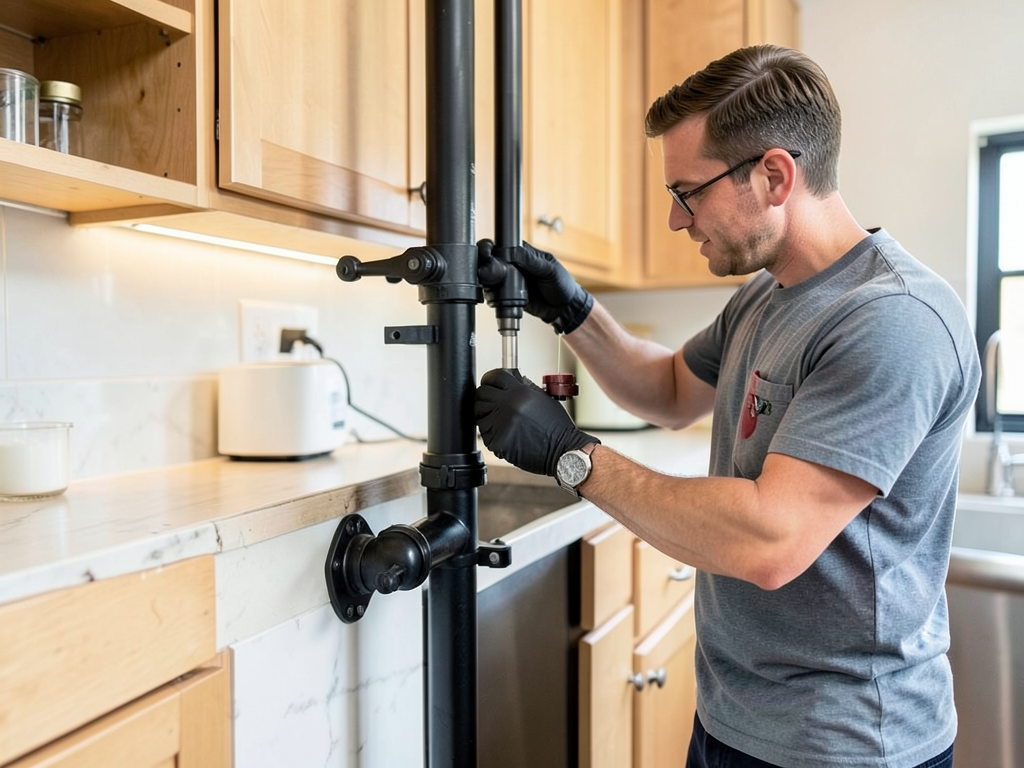
Professional gas line installation follows a systematic process. First, the technician evaluates your kitchen layout and determines the optimal route for the new gas line. This assessment considers existing plumbing, electrical wiring, and structural elements that might affect installation. Plumbing Mountain Brook.
Next, the plumber calculates pipe sizing based on your range’s BTU requirements and the distance from the gas meter. Alabama code requires specific pipe diameters to maintain adequate pressure. For example, a 50-foot run to a 60,000 BTU range typically needs 3/4-inch black iron pipe.
The installation begins with shutting off the main gas supply. The technician then cuts into the existing gas system and installs new piping using appropriate materials. Black iron pipe remains the standard for exposed runs while CSST (Corrugated Stainless Steel Tubing) offers flexibility for tight spaces.
After installation, pressure testing verifies system integrity. The plumber pressurizes the line and monitors it for at least 15 minutes. Any pressure drop indicates a leak that must be located and repaired. Only after passing this test does the plumber connect the range and commission the system.
Material Options: Black Iron vs. CSST
Black iron pipe offers durability and resistance to physical damage. This rigid steel pipe handles high pressures and lasts decades when properly installed. However, it requires threading and precise fitting, making installation more labor-intensive and expensive.
CSST provides flexibility for routing around obstacles. This stainless steel tubing bends easily and connects with compression fittings rather than threading. Installation typically costs less than black iron, but CSST requires special bonding to prevent lightning damage.
Local building codes in Vestavia Hills specify where each material can be used. Exposed runs in basements often require black iron while interior wall cavities may permit CSST. The plumber determines the best material combination for your specific installation.
Cost Factors for Gas Line Installation in Birmingham
Installation costs vary based on several factors. Line length represents the primary cost driver since longer runs require more materials and labor. A 20-foot run might cost $300-500 while a 50-foot installation could reach $800-1,200.
Material choice affects pricing significantly. Black iron pipe installation typically costs $15-25 per foot while CSST runs $10-15 per foot. The plumber selects materials based on local code requirements and installation challenges.
Additional costs include permits, pressure testing, and connection fittings. Birmingham requires permits for gas line modifications, adding $50-150 to the project. The plumber handles permit acquisition and inspection scheduling as part of the service.
Birmingham Building Codes and Permit Requirements
The City of Birmingham follows Alabama state plumbing codes with local amendments. Gas line installations must comply with the International Fuel Gas Code and local amendments. Permits are required for any new gas line or modification to existing systems. National Fire Protection Association gas codes.
Inspections verify proper installation before the system can be used. The inspector checks pipe sizing, material selection, support spacing, and pressure testing results. Only after passing inspection can the gas company restore service to the new line.
Fortress Plumbing handles all permitting and inspection requirements. We coordinate with the city inspection department and ensure your installation meets all code requirements. This service eliminates the hassle of navigating permit processes yourself.
Recognizing Gas Line Problems and Emergency Procedures
Gas leaks require immediate attention. The distinctive rotten egg smell indicates natural gas, which is odorless in its natural state. Gas companies add this odorant to help detect leaks. If you smell gas, evacuate immediately and call the gas company from a safe location. What to Do Immediately When a Pipe Bursts in Your Birmingham Home.
Other warning signs include hissing sounds near gas lines, dead vegetation near buried lines, and unusually high gas bills. Visual inspection can reveal loose fittings or damaged pipe insulation. Never attempt DIY repairs on gas lines.
Emergency shut-off procedures save lives. Every gas appliance should have a dedicated shut-off valve within six feet. Know the location of your main gas shut-off valve, typically near the gas meter. In emergencies, turn the valve a quarter turn to shut off all gas to the home.
Appliance-Specific Considerations
Different gas appliances have varying requirements. Gas ranges need flexible connectors for vibration isolation and movement during use. These connectors must be rated for the appliance’s BTU capacity and installed with proper support.
Professional-style ranges often require larger supply lines due to higher BTU demands. Some models need both natural gas and propane capabilities, requiring specific orifice adjustments. The plumber ensures your gas line can handle the selected appliance’s requirements.
Outdoor kitchens and gas grills need weather-resistant installations. These lines require burial at specific depths and protection from physical damage. The plumber designs these systems to withstand outdoor conditions while maintaining safety.
Benefits of Professional Installation
Professional installation provides peace of mind through proper execution and code compliance. Licensed plumbers understand gas dynamics, material properties, and safety requirements. They carry insurance that protects you from liability if problems arise.
Professional work includes documentation of installation details, pressure test results, and permit numbers. This documentation proves compliance if you sell your home or need warranty service. DIY installations often void appliance warranties.
Experienced plumbers anticipate problems before they occur. They identify potential code violations, suggest optimal routing, and recommend appropriate materials. This expertise prevents costly mistakes and ensures reliable operation for years to come. Finding a Reliable Emergency Plumber in Hoover Without Getting Overcharged.
Maintenance and Long-Term Care
Gas lines require minimal maintenance but periodic inspection ensures continued safety. Check visible connections annually for corrosion or damage. Listen for unusual sounds that might indicate gas flow problems. Monitor appliance performance for changes that suggest supply issues.
Professional inspection every few years catches developing problems early. The plumber checks pipe integrity, valve operation, and appliance connections. They also verify that sediment traps remain clear and that pressure regulators function properly.
Plan for eventual replacement of aging components. Black iron pipe can last 50+ years but may develop internal corrosion. CSST connections might need replacement after 15-20 years. Regular maintenance extends system life and prevents unexpected failures.
Frequently Asked Questions
How long does gas line installation take?
Most kitchen gas line installations complete in 2-4 hours. Complex jobs requiring extensive routing or difficult access might take a full day. The plumber provides specific timing after evaluating your situation.
Can I install a gas line myself?
Alabama law requires licensed plumbers for gas line work. DIY installation violates building codes and creates serious safety hazards. Professional installation ensures compliance and protects your family from gas-related dangers.
What if my home doesn’t have natural gas service?
Homes without natural gas can use propane with appropriate regulators and piping. The plumber designs propane systems with different pressure requirements and tank placement considerations. Many Vestavia Hills homes successfully use propane for gas appliances.
How much does it cost to run a new gas line?
Costs range from $300-1,500 depending on line length, materials, and complexity. A simple 20-foot run might cost $300-500 while a complex installation with multiple bends could reach $1,200-1,500. The plumber provides detailed estimates after evaluating your specific needs.
Making Your Decision
Switching to a gas range offers cooking advantages but requires careful planning and professional installation. Consider your cooking preferences, budget for installation, and long-term energy costs. Gas ranges typically cost more upfront but offer lower operating costs than electric models. Is Switching to a Tankless Water Heater Worth It for Your Vestavia Hills Home?.
Professional installation by Fortress Plumbing ensures your new gas line meets all safety requirements and performs reliably. Our licensed plumbers handle everything from permitting to final inspection, giving you confidence in your kitchen upgrade.
Ready to upgrade your Vestavia Hills kitchen with a gas range? Call (659) 234-8600 today to schedule your professional gas line installation. Our experienced team will evaluate your needs and provide a detailed estimate for your project.
{
“@context”: “https://schema.org”,
“@type”: “BlogPosting”,
“headline”: “Why You Should Consider Switching from an Electric to a Gas Range in Your Vestavia Hills Kitchen”,
“description”: “Discover why Vestavia Hills homeowners are upgrading to gas ranges. Learn about safety, installation costs, and the professional process from Fortress Plumbing Birmingham.”,
“wordCount”: 1622,
“datePublished”: “2026-06-09T13:15:00.000Z”,
“dateModified”: “2026-06-09T13:15:00.000Z”,
“inLanguage”: “en-US”,
“mainEntityOfPage”: {
“@type”: “WebPage”,
“@id”: “https://fortressplumbingbirmingham.com”
},
“publisher”: {
“@type”: “LocalBusiness”,
“name”: “Fortress Plumbing Birmingham”,
“url”: “https://fortressplumbingbirmingham.com”
},
“author”: {
“@type”: “Organization”,
“name”: “Fortress Plumbing Birmingham”,
“url”: “https://fortressplumbingbirmingham.com”
},
“image”: {
“@type”: “ImageObject”,
“url”: “https://fortressplumbingbirmingham.com/wp-content/uploads/2026/03/why-you-should-consider-switching-from-an-electric-1.png”
}
}
{
“@context”: “https://schema.org”,
“@type”: “Plumber”,
“name”: “Fortress Plumbing Birmingham”,
“url”: “https://fortressplumbingbirmingham.com”,
“address”: {
“@type”: “PostalAddress”,
“addressLocality”: “Birmingham”
},
“areaServed”: {
“@type”: “City”,
“name”: “Birmingham”
}
}
{
“@context”: “https://schema.org”,
“@type”: “FAQPage”,
“mainEntity”: [
{
“@type”: “Question”,
“name”: “How long does gas line installation take?”,
“acceptedAnswer”: {
“@type”: “Answer”,
“text”: “Most kitchen gas line installations complete in 2-4 hours. Complex jobs requiring extensive routing or difficult access might take a full day. The plumber provides specific timing after evaluating your situation.”
}
},
{
“@type”: “Question”,
“name”: “Can I install a gas line myself?”,
“acceptedAnswer”: {
“@type”: “Answer”,
“text”: “Alabama law requires licensed plumbers for gas line work. DIY installation violates building codes and creates serious safety hazards. Professional installation ensures compliance and protects your family from gas-related dangers.”
}
},
{
“@type”: “Question”,
“name”: “What if my home doesn’t have natural gas service?”,
“acceptedAnswer”: {
“@type”: “Answer”,
“text”: “Homes without natural gas can use propane with appropriate regulators and piping. The plumber designs propane systems with different pressure requirements and tank placement considerations. Many Vestavia Hills homes successfully use propane for gas appliances.”
}
},
{
“@type”: “Question”,
“name”: “How much does it cost to run a new gas line?”,
“acceptedAnswer”: {
“@type”: “Answer”,
“text”: “Costs range from $300-1,500 depending on line length, materials, and complexity. A simple 20-foot run might cost $300-500 while a complex installation with multiple bends could reach $1,200-1,500. The plumber provides detailed estimates after evaluating your specific needs.”
}
}
]
}
{
“@context”: “https://schema.org”,
“@type”: “BreadcrumbList”,
“itemListElement”: [
{
“@type”: “ListItem”,
“position”: 1,
“name”: “Home”,
“item”: “https://fortressplumbingbirmingham.com”
},
{
“@type”: “ListItem”,
“position”: 2,
“name”: “Blog”,
“item”: “https://fortressplumbingbirmingham.com/blog”
},
{
“@type”: “ListItem”,
“position”: 3,
“name”: “Why You Should Consider Switching from an Electric to a Gas Range in Your Vestavia Hills Kitchen”
}
]
}
{
“@context”: “https://schema.org”,
“@type”: “Service”,
“serviceType”: “Plumbing”,
“provider”: {
“@type”: “LocalBusiness”,
“name”: “Fortress Plumbing Birmingham”,
“url”: “https://fortressplumbingbirmingham.com”
},
“areaServed”: {
“@type”: “City”,
“name”: “Birmingham”
},
“description”: “Discover why Vestavia Hills homeowners are upgrading to gas ranges. Learn about safety, installation costs, and the professional process from Fortress Plumbing Birmingham.”
}