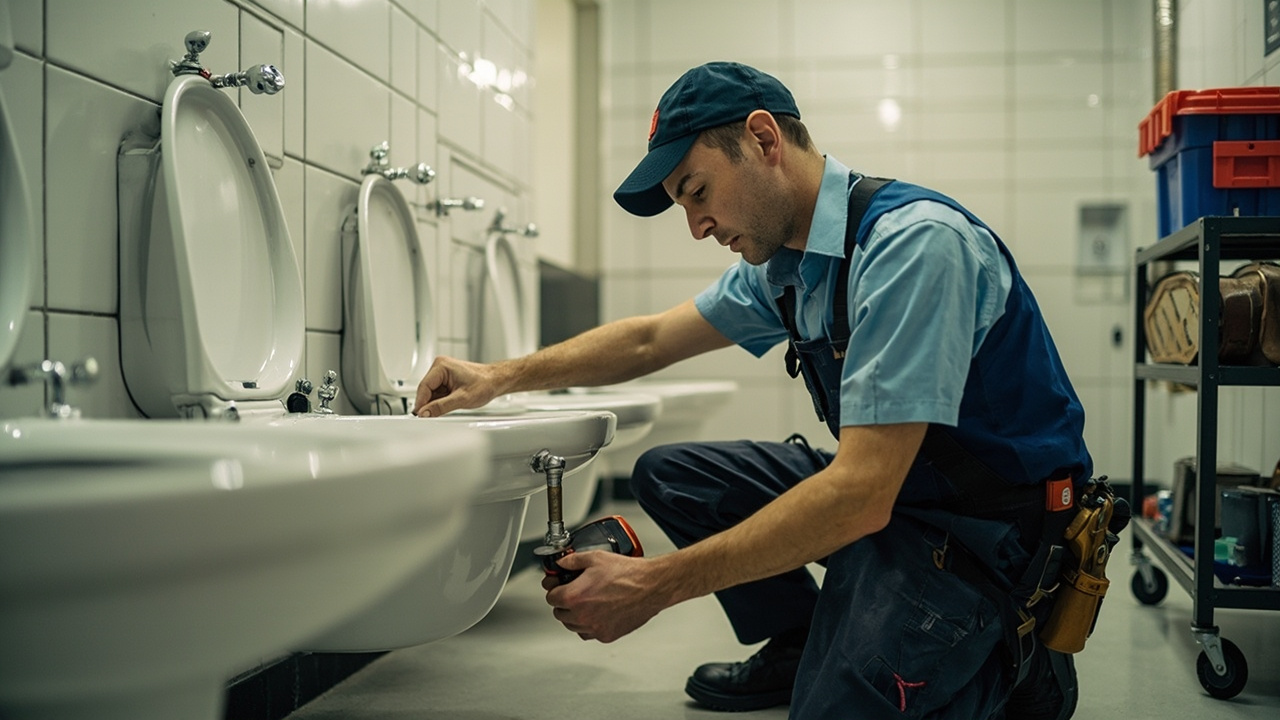
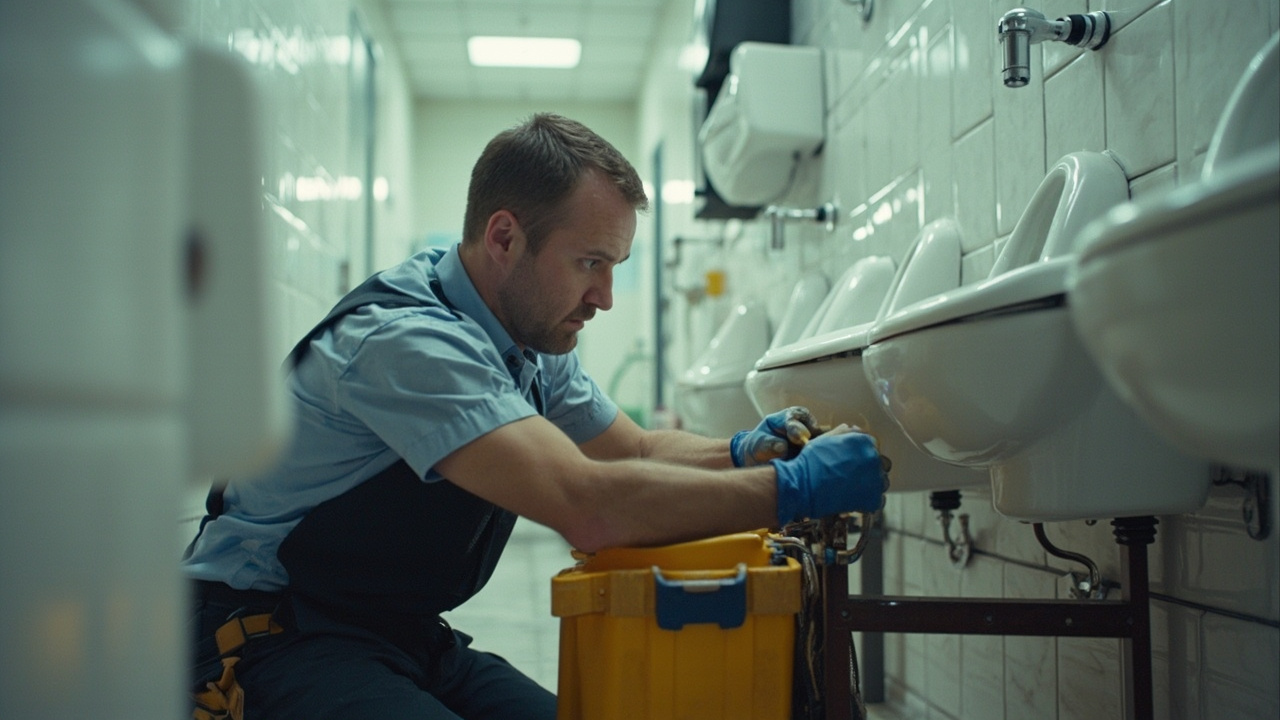
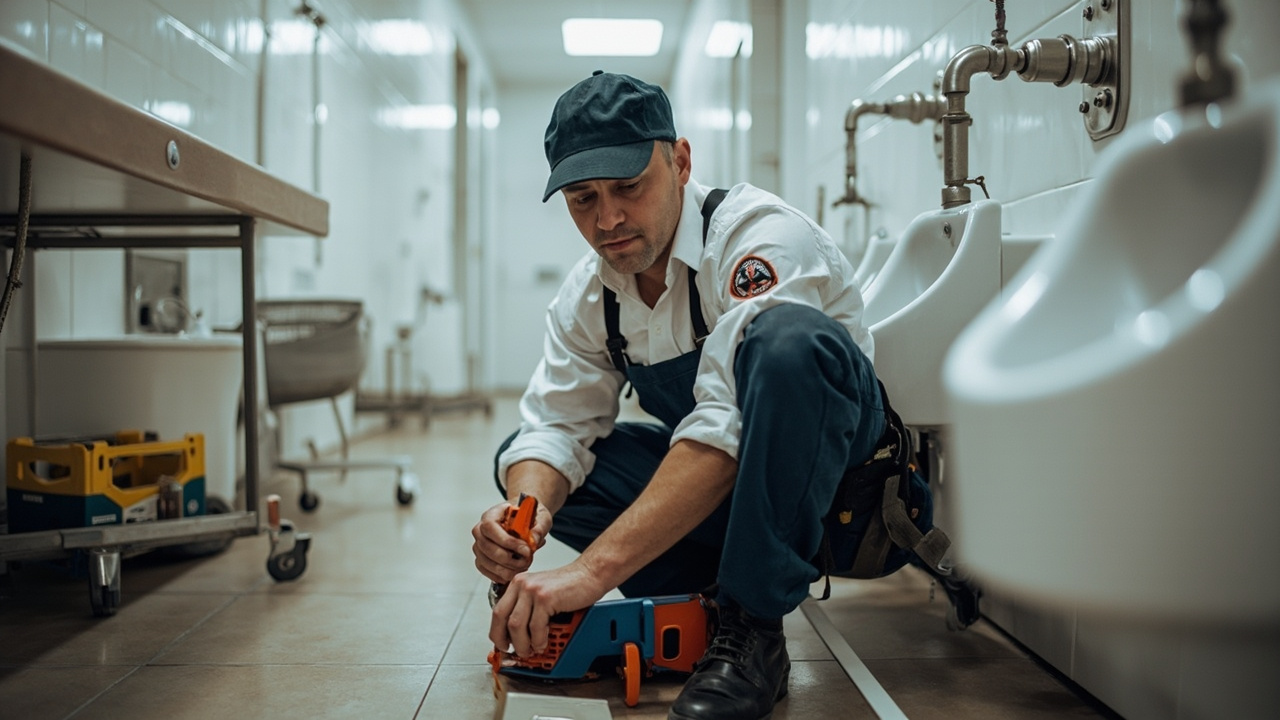
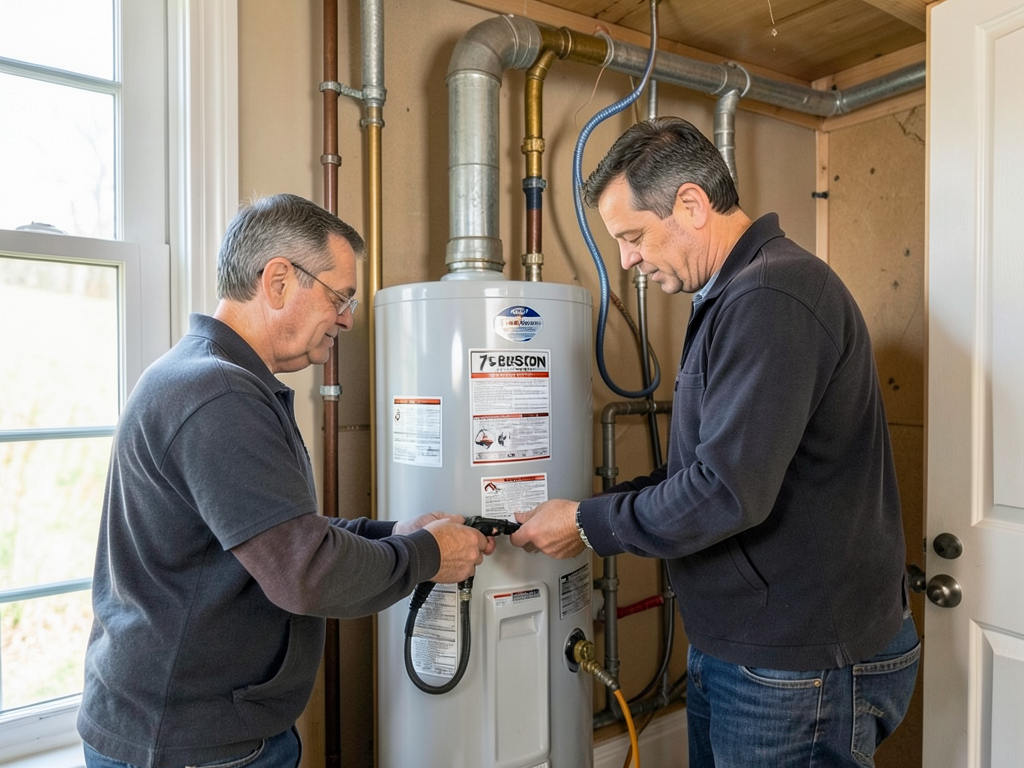
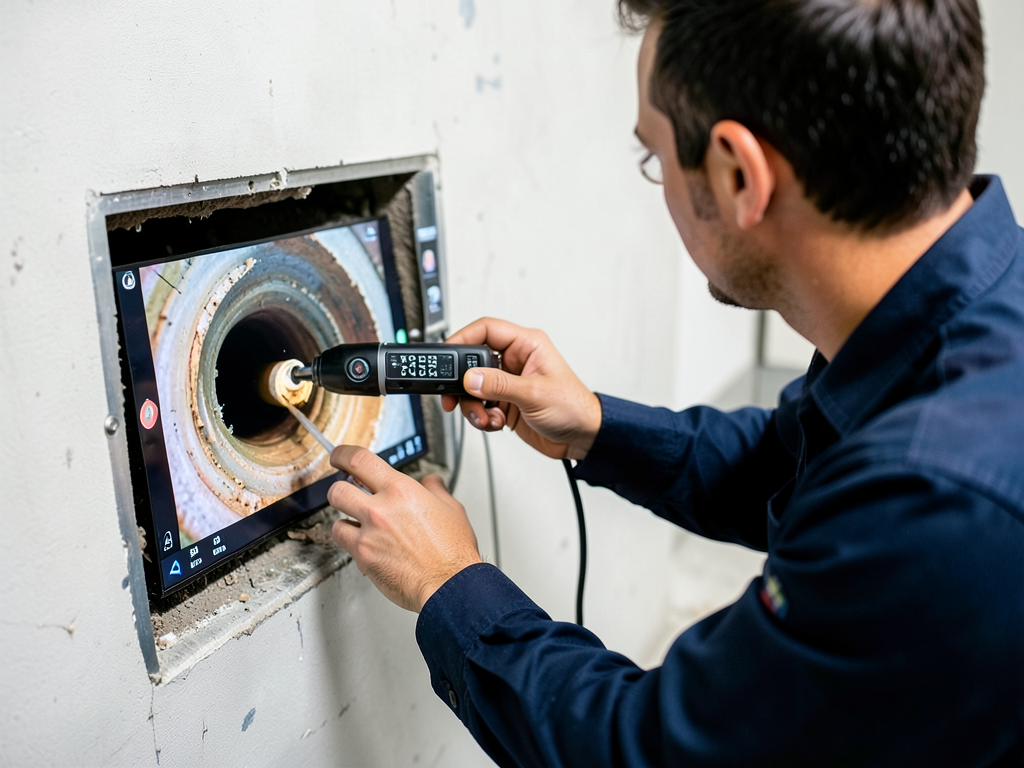
Commercial urinal maintenance and toilet repair begins with accurate diagnosis. We isolate whether the problem originates in the flush valve assembly, the water supply line, the vacuum breaker, or the fixture itself. Each component serves a specific function in the pressure-assist flush cycle. Misdiagnosis leads to unnecessary part replacement and recurring failures.
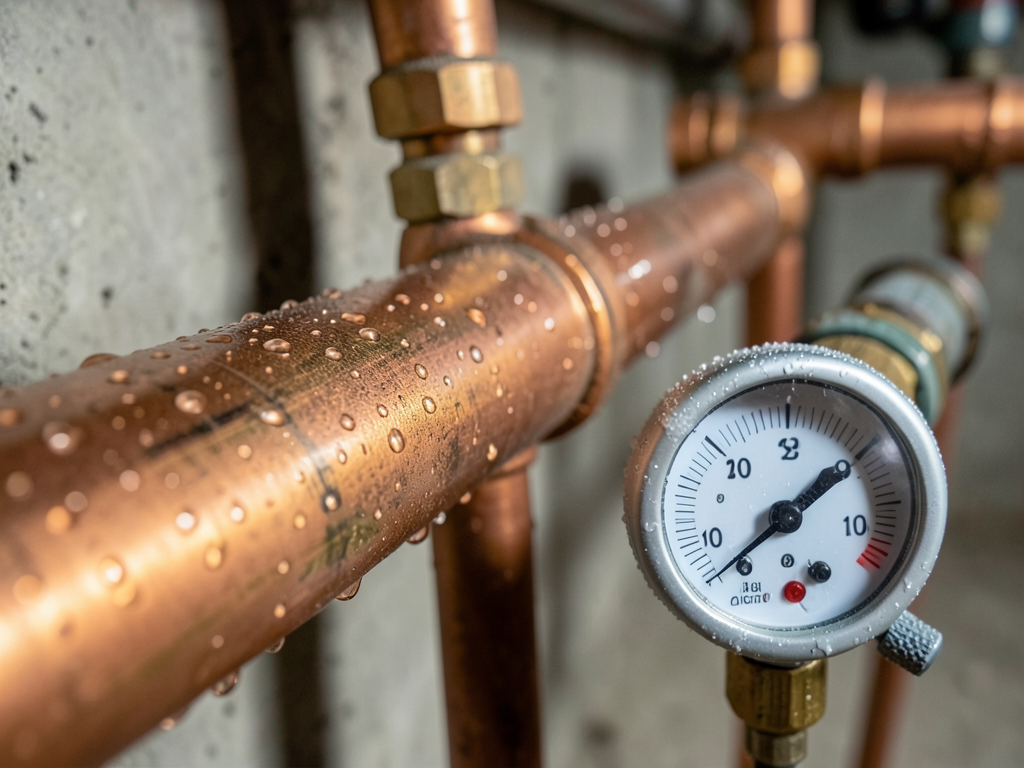
Our technicians test static water pressure at the flushometer inlet using calibrated gauges. Commercial flush valves require 25 to 80 psi to operate correctly. Pressure below this range produces weak flushes. Pressure above it causes water hammer and premature diaphragm failure. We check for pressure loss across the system, which indicates clogged control stops or failing pressure regulators.
We disassemble the flush valve body to inspect the diaphragm, relief valve, and guide assembly. These internal components wear out from constant cycling and mineral deposits. A degraded diaphragm cannot seal properly, which causes continuous running. A clogged relief valve prevents the refill cycle from completing, which results in incomplete flushes. We clean or replace these components based on their condition, not a predetermined replacement schedule.
For urinal-specific issues, we address the unique challenges of waterless urinals, sensor-operated flush valves, and trap seal failures. Sensor malfunctions account for 40 percent of commercial urinal service calls. We test the sensor eye, adjust detection range, and verify proper battery voltage or hardwire connections. When manual flush valves fail, we replace the entire cartridge assembly with commercial-grade components rated for high-cycle applications.
We also address upstream problems that cause recurring fixture failures. This includes installing pressure-reducing valves when line pressure exceeds fixture specifications, adding water hammer arrestors to protect flush valve assemblies, and replacing corroded supply lines that introduce debris into the flush valve mechanism.