menu

Medical & Dental Gas Plumbing in Birmingham | Certified Med Gas Pipeline Installation That Keeps Your Facility Compliant and Operational

Fortress Plumbing Birmingham delivers NFPA 99-compliant medical gas piping systems for hospitals, clinics, and dental practices across the Birmingham metro, minimizing downtime and ensuring patient safety through expert installation and testing.

Slider Image 1
Slider Image 2
Slider Image 3
Slider Image 4
Slider Image 5
Slider Image 7
Slider Image 8
Slider Image 9
Slider Image 10
Slider Image 11

Why Birmingham Medical Facilities Cannot Afford Med Gas System Failures

When your medical gas pipeline system fails, patient care stops. Operating rooms go dark. Dental procedures halt mid-treatment. Emergency departments scramble for backup tanks. In Birmingham's rapidly expanding healthcare corridor along Highway 280 and the UAB medical district, outdated medical gas piping systems pose a liability you cannot ignore.

Birmingham's aging healthcare infrastructure, much of it built before current NFPA 99 standards, creates compliance gaps that put facilities at risk during state inspections. The Alabama Department of Public Health enforces strict medical gas installation standards, and non-compliance can trigger immediate cease-and-desist orders. Facilities serving Birmingham's growing population of over 1.1 million metro residents need certified med gas plumbers who understand both the technical requirements and the business impact of system failures.

Medical gas pipeline services involve more than running copper pipe. You need zone valve boxes positioned correctly for emergency shutoff. You need alarm systems that alert staff before pressure drops become critical. You need documentation that satisfies Joint Commission surveyors. Dental gas piping for nitrous oxide requires separate considerations, including scavenging systems that protect staff from chronic exposure.

The consequences of improper installation extend beyond failed inspections. Cross-connection between oxygen and nitrous oxide lines has caused patient deaths. Contaminated lines have forced facility shutdowns. Pressure fluctuations have damaged sensitive anesthesia equipment. Birmingham medical facilities need med gas installation services that eliminate these risks while maintaining the operational continuity your patients depend on.

Why Birmingham Medical Facilities Cannot Afford Med Gas System Failures
How Certified Medical Gas Pipeline Installation Protects Your Facility

How Certified Medical Gas Pipeline Installation Protects Your Facility

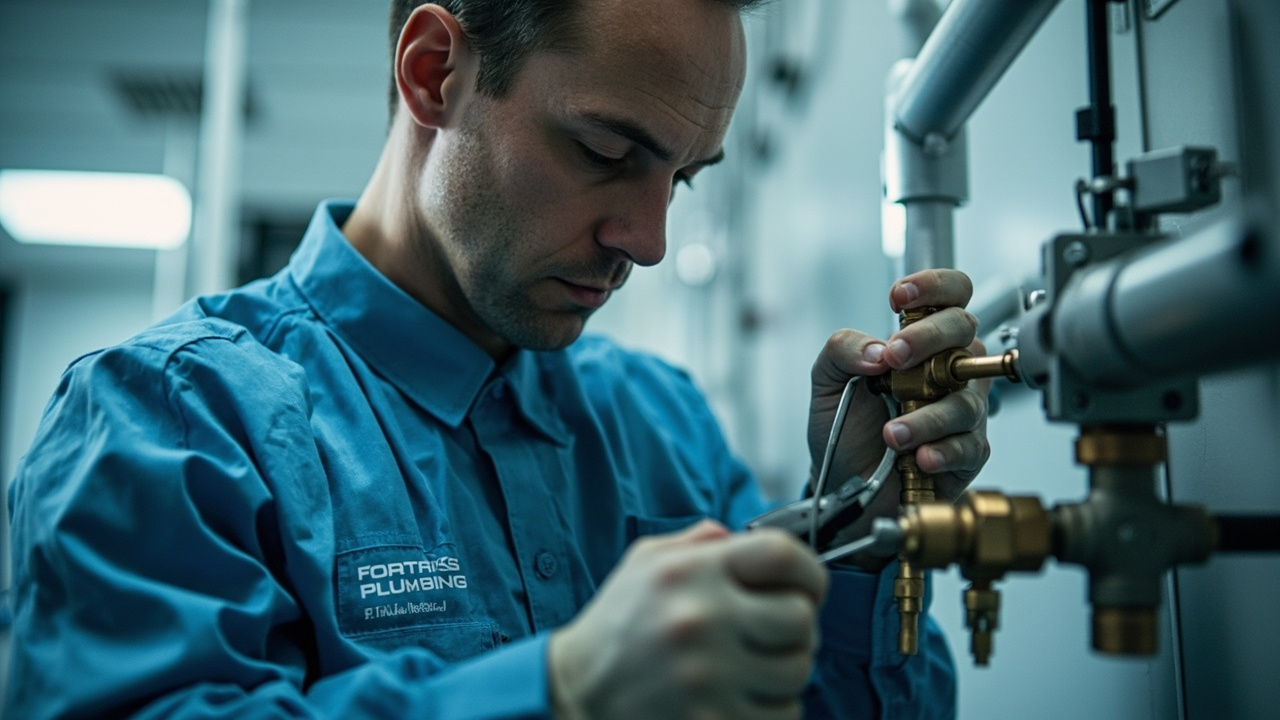
Medical gas piping systems demand precision that standard plumbing cannot provide. We follow NFPA 99 Health Care Facilities Code and CGA G-4.1 standards for cleaning, brazing, and testing every medical gas pipeline. Our certified med gas plumbers hold ASSE 6010 Medical Gas Installer certification, not just standard plumbing licenses.

The installation process begins with system design that accounts for your facility's specific needs. Operating rooms require different pressure levels than recovery areas. Dental operatories need nitrous oxide and oxygen, but also vacuum systems for suction. We calculate simultaneous demand, diversity factors, and future expansion needs before specifying pipe sizes and source equipment locations.

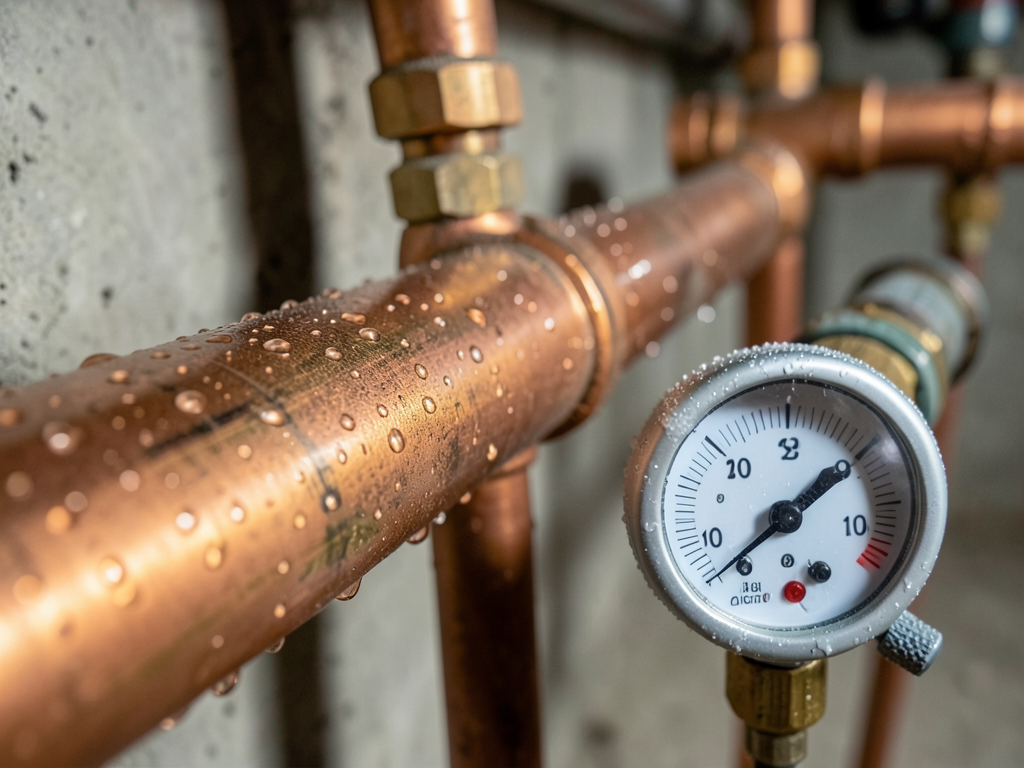
Material selection matters. We use only Type K or Type L medical-grade copper, never standard plumbing tube. Joints receive silver brazing with BCuP-5 alloy, not soft solder that can contaminate gas streams. Every fitting gets cleaned with approved solutions to remove oils, particulates, and moisture that compromise gas purity.

Testing separates competent contractors from those who create liabilities. We perform standing pressure tests at 150 percent of operating pressure for 24 hours minimum. We conduct blow-down procedures to remove installation debris. We verify gas purity with dew point measurements and hydrocarbon analysis. We cross-connection test every outlet to confirm proper gas delivery.

Documentation provides the proof you need for inspectors and accreditation surveyors. You receive as-built drawings, material certifications, test reports, and valve location diagrams. Our med gas installation services include training your maintenance staff on system operation, emergency procedures, and routine inspection requirements that keep you compliant between major surveys.

What Medical Gas Pipeline Installation Looks Like at Your Birmingham Facility

Medical & Dental Gas Plumbing in Birmingham | Certified Med Gas Pipeline Installation That Keeps Your Facility Compliant and Operational
01

Facility Assessment and Design

We survey your existing infrastructure and operational requirements, measuring current demand and planning for future expansion. This includes reviewing architectural drawings, identifying routing paths that avoid interference with other systems, and determining optimal locations for zone valves, alarms, and source equipment. You receive preliminary drawings for approval before any installation begins, ensuring the system meets both operational needs and budget constraints.
02

Installation and Brazing

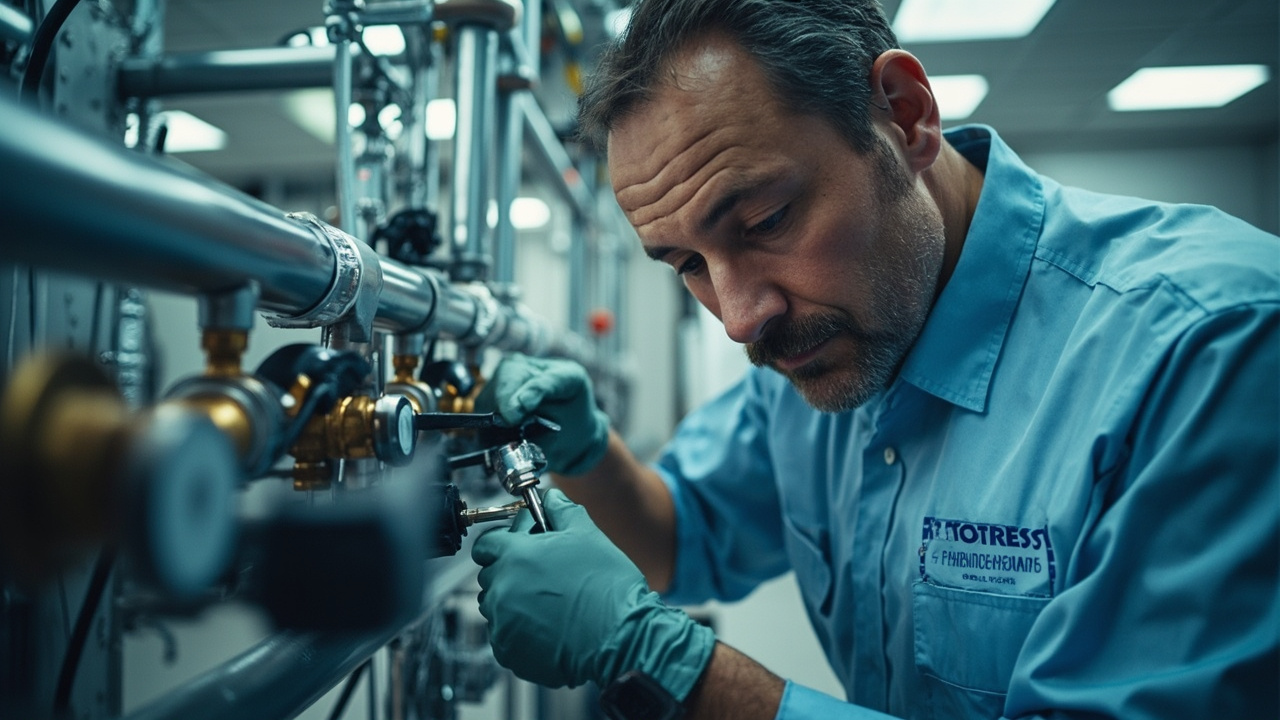
Our certified installers run medical-grade copper through coordinated pathways, maintaining proper separation from electrical and other utilities. Each joint receives silver brazing in a nitrogen purge environment to prevent oxidation. We install color-coded labels at 20-foot intervals and mark every valve and outlet according to NFPA 99 standards. Dedicated crew scheduling minimizes disruption to your operations, with most installations occurring during off-hours or phased to maintain partial system availability.
03

Testing and Verification

Before you accept the system, we conduct comprehensive pressure testing, purity analysis, and cross-connection verification on every outlet. You witness the testing process and receive detailed documentation including test pressures, hold times, and purity measurements. We coordinate final inspection with the Alabama Department of Public Health and provide training for your staff on system operation, emergency shutoff procedures, and ongoing maintenance requirements that satisfy accreditation standards.

Why Birmingham Healthcare Facilities Trust Fortress Plumbing for Med Gas Systems

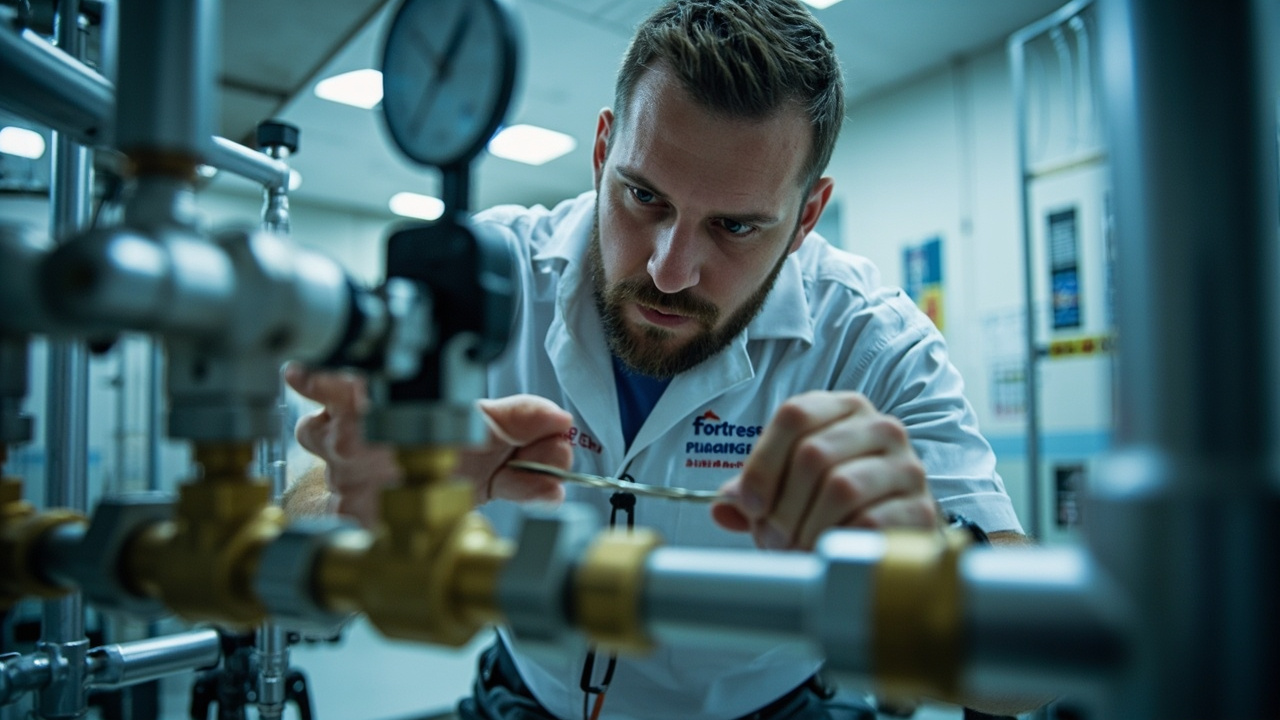
Medical gas installation demands expertise that general contractors cannot provide. Our team includes ASSE 6010-certified installers who specialize exclusively in medical gas pipeline services. We understand the difference between medical vacuum systems and clinical vacuum. We know when to use copper versus stainless steel. We recognize the specific requirements for dental gas piping that differ from hospital systems.

Birmingham's healthcare facilities face unique challenges. The region's mix of new construction along the I-459 corridor and renovated historic buildings in downtown requires adaptable approaches. We have installed systems in century-old structures where routing options are limited and in modern ambulatory surgery centers where space optimization is critical. Our familiarity with local building officials and inspectors streamlines the permitting process.

Compliance extends beyond installation day. Alabama Department of Public Health inspectors examine documentation as closely as they inspect physical installations. We provide the material certifications, brazer qualification records, and test documentation that satisfy state requirements. Our systems pass inspection the first time because we follow the code, not because we hope inspectors miss deficiencies.

Business continuity matters as much as technical compliance. We schedule installations to minimize operational disruption, coordinating with your staff to maintain patient care during system upgrades. Phased installations allow portions of your facility to remain operational while we work in other areas. For critical replacements, we can install parallel systems that allow seamless cutover without interrupting service.

The relationship does not end at final inspection. Medical gas piping systems require ongoing maintenance and periodic testing. We provide maintenance agreements that include quarterly inspections, annual alarm testing, and priority response when issues arise. You gain a partner who understands your system because we built it.

What to Expect from Professional Medical Gas Pipeline Installation

Project Timeline and Scheduling

Medical gas installation timelines depend on system complexity and facility size. A single dental operatory conversion typically requires three to five days from start to final testing. Multi-room surgical suites or hospital floor renovations may span several weeks with phased completion. We provide detailed schedules before work begins, identifying critical milestones and coordination points with other trades. Most installations occur during evening and weekend hours to avoid disrupting patient care. Emergency repairs receive immediate response, with temporary systems deployed while permanent repairs proceed. You receive daily progress updates and advance notice before any work that might affect facility operations.

Initial Consultation and System Design

The consultation process begins with a facility walkthrough where we assess your current system, identify deficiencies, and discuss operational requirements. We review patient volume, procedure types, and planned expansions that affect system sizing. You receive preliminary drawings showing proposed pipe routing, valve locations, and source equipment placement. We explain code requirements, testing procedures, and documentation you will receive. Cost estimates break down materials, labor, testing, and inspection fees with no hidden charges. For renovations, we identify potential complications like asbestos-wrapped pipes or inaccessible routing paths before they become budget problems. You make informed decisions with complete information about scope, timeline, and investment required.

System Performance and Reliability

A properly installed medical gas pipeline system operates trouble-free for decades. You receive consistent pressure at every outlet, immediate response when you connect devices, and reliable shutoff capability during emergencies. Alarm panels provide clear indication of system status with distinct alerts for low pressure, high pressure, and changeover conditions. Color-coded outlets and labels eliminate confusion about which gas delivers at each location. The system passes state inspections and Joint Commission surveys without findings. Documentation packages include as-built drawings that show actual pipe locations, not theoretical designs that differ from field conditions. Your maintenance staff can quickly locate shutoff valves and identify system components years after installation because clear labeling and accurate drawings eliminate guesswork.

Ongoing Support and Maintenance

Medical gas systems require periodic testing and inspection to maintain compliance. We offer maintenance agreements that include quarterly visual inspections, annual alarm testing, and three-year recertification testing required by NFPA 99. Priority emergency response ensures you receive immediate assistance when alarms activate or pressure problems arise. We maintain detailed service records that document all testing, inspections, and repairs for accreditation surveys. Staff training updates keep your team current on system operation and emergency procedures. As your facility expands, we provide seamless integration of new zones and outlets into existing systems. You gain peace of mind knowing the team that installed your system remains available to support it throughout its operational life.

Frequently Asked Questions

You Have Questions,
We Have Answers

What is a medical gas plumber? +

A medical gas plumber specializes in installing, maintaining, and repairing gas delivery systems in healthcare facilities. This technician handles oxygen, nitrous oxide, medical air, nitrogen, and vacuum systems that support patient care. Unlike standard plumbers, medical gas plumbers follow strict NFPA 99 standards and understand the life-critical nature of these systems. In Birmingham facilities like hospitals and surgery centers, these professionals ensure compliance with state health codes and federal regulations. The work requires specialized training in brazing copper pipe, leak testing, and zone valve systems. Medical gas plumbers also coordinate with clinical engineers to maintain system integrity and patient safety.

What type of pipe is used for medical gas? +

Medical gas systems use Type K or Type L copper pipe, which meets NFPA 99 standards for healthcare applications. The pipe must be degreased, cleaned, and capped to prevent contamination before installation. Brazing joints require silver alloy filler metals to create leak-proof connections. Stainless steel pipe is acceptable for certain applications, particularly in high-pressure medical air systems. Birmingham healthcare facilities often specify copper due to its proven reliability and compatibility with medical gases. All piping must be color-coded and labeled according to gas type. The pipe sizing depends on flow requirements, pressure drops, and the number of outlets served throughout the facility.

What is gas plumbing called? +

Gas plumbing is called medical gas piping when serving healthcare facilities, or simply gas fitting in commercial and residential contexts. The trade falls under specialized mechanical contracting. Technicians who install natural gas or propane systems are often called gas fitters or fuel gas plumbers. In medical settings, the discipline is medical gas installation or medical gas systems work. Birmingham contractors handling medical gas work must hold additional certifications beyond standard plumbing licenses. The terminology distinguishes the specialized nature of healthcare gas systems from conventional fuel gas installations. Regulatory bodies use the term medical gas and vacuum systems when referencing hospital infrastructure.

What is a med gas certification? +

A med gas certification validates a technician's expertise in installing and maintaining medical gas systems per NFPA 99 standards. ASSE 6010 is the primary medical gas installer certification, covering oxygen, nitrous oxide, medical air, nitrogen, and vacuum systems. Technicians must complete classroom training, demonstrate hands-on competency, and pass a written exam. In Birmingham, certified installers understand Alabama health facility regulations and Joint Commission requirements. The certification requires renewal and continuing education to maintain currency. Brazing certification is typically a prerequisite. Certified professionals reduce liability for healthcare facilities by ensuring code-compliant installations that protect patient safety and facility operations.

What qualifications do you need to work with gas? +

Medical gas work requires ASSE 6010 certification for installers and ASSE 6020 for verifiers. Technicians need foundational plumbing or pipefitting skills, plus specialized training in medical gas standards. Brazing certification is mandatory for joining copper pipe used in medical gas distribution. Birmingham healthcare contractors must hold Alabama plumbing licenses and complete NFPA 99 training. Verifiers need additional credentials to conduct system testing and certification after installation. Many technicians pursue NITC medical gas verifier training. Facilities expect workers to understand infection control, hospital operations, and emergency response procedures. Ongoing education keeps technicians current with code changes and new medical equipment requirements.

What is the average cost of gas line installation? +

Medical gas line installation costs vary widely based on system complexity, pipe length, number of outlets, and facility requirements. Simple installations in small dental offices differ dramatically from multi-zone hospital systems. Material costs include copper pipe, valves, alarm systems, outlets, and zone boxes. Labor represents the largest expense due to specialized certification requirements and precise installation standards. Birmingham projects must account for local permit fees and inspection costs. Testing and verification add to the final price. Facilities should budget for system documentation, training, and commissioning. Request detailed quotes that itemize materials, labor, testing, and compliance documentation to compare proposals accurately.

What is considered a medical gas? +

Medical gases include oxygen, nitrous oxide, medical air, nitrogen, carbon dioxide, and vacuum systems used in patient care. Oxygen supports respiration and anesthesia delivery. Nitrous oxide provides anesthesia and pain management. Medical air powers surgical tools and ventilators. Nitrogen drives orthopedic equipment. Carbon dioxide insufflates body cavities during laparoscopic surgery. Vacuum systems remove waste anesthetic gases and surgical fluids. Birmingham healthcare facilities install different gas combinations based on their scope of services. Each gas requires separate piping, color-coded identification, and specific outlet types to prevent cross-connections. Specialty gases like helium or medical-grade carbon dioxide serve niche clinical applications.

Which type of pipe cannot be used for a gas? +

PVC, CPVC, PEX, and galvanized steel cannot be used for medical gas systems. These materials fail to meet NFPA 99 purity and safety standards. PVC and plastic pipes can leach contaminants and degrade under pressure. Galvanized pipe introduces particulates and corrodes over time. Only copper pipe (Type K or L) and specific stainless steel alloys are approved for medical gas distribution. Birmingham facilities must avoid unauthorized materials that compromise patient safety and violate health codes. Threaded connections are generally prohibited in favor of brazed joints. Using incorrect pipe material creates liability, fails inspections, and requires complete system replacement.

Can you use PVC pipe for a gas line? +

PVC pipe is strictly prohibited for medical gas applications under NFPA 99 standards. The material cannot maintain the purity levels required for gases delivered to patients. PVC can outgas contaminants, fail under pressure fluctuations, and degrade when exposed to certain medical gases. Birmingham healthcare facilities risk severe regulatory violations and patient harm by using PVC for medical gas distribution. Only approved copper pipe or stainless steel meets the stringent requirements for oxygen, nitrous oxide, medical air, and other clinical gases. Inspectors will fail any medical gas system using unauthorized materials. Facilities must use certified installers who understand approved materials and techniques.

What do you call a gas plumber? +

A gas plumber is called a gas fitter, fuel gas installer, or medical gas technician depending on the application. In healthcare settings, the proper term is medical gas installer or medical gas technician. These professionals hold specialized certifications beyond standard plumbing credentials. The title pipefitter applies in industrial contexts. Birmingham contractors use the term medical gas specialist for technicians working in hospitals, surgery centers, and dental facilities. The distinction matters because medical gas work requires ASSE 6010 certification and NFPA 99 compliance knowledge that standard gas fitters may not possess. Always verify credentials match the specific type of gas work required.

How Birmingham's Growing Healthcare Sector Drives Demand for Compliant Med Gas Systems

Birmingham's transformation into a regional healthcare hub creates constant demand for medical gas pipeline services. The UAB Medicine expansion, new ambulatory surgery centers along Highway 280, and specialty clinics throughout Hoover and Vestavia Hills all require NFPA 99-compliant installations. Alabama's healthcare regulations mandate proper medical gas piping systems for any facility performing procedures under sedation or anesthesia. The concentration of dental practices in the Mountain Brook and Homewood areas drives steady need for dental gas piping installations and upgrades. Older facilities built before current standards face compliance gaps during renovation projects, requiring certified med gas plumbers who can integrate new systems with existing infrastructure while maintaining continuous operation.

Local healthcare providers choose contractors who understand Alabama Department of Public Health requirements and Jefferson County permit processes. Birmingham building officials expect thorough documentation and proper certification from installers, not just completed work. Facilities that serve Medicare and Medicaid patients face additional scrutiny during state surveys, making first-time compliance critical. Our relationship with local inspectors and familiarity with Birmingham's mix of historic and modern construction eliminates delays during permitting and final inspection. Medical facilities throughout the Birmingham metro trust our med gas installation services because we deliver systems that pass inspection, support patient care, and maintain compliance year after year.
Plumbing Services in The Birmingham Area

Our dedicated service area extends throughout the Birmingham region, and we are committed to serving our local community with fast and reliable plumbing solutions. You can locate our main office here on the map, but remember, our certified plumbers are always on the move, ready to come to you! Whether you're in the city center or a surrounding suburb, we are prepared to deliver expert service right to your doorstep.

Address:
Fortress Plumbing Birmingham, 4500 5th Ave S, Birmingham, AL, 35222

Additional Services We Offer

Our news updates

Latest Articles & News from The Blogs

Sizing a Water Heater for Large Multi Generational Households in Greystone Running out of hot water during morning showers is…

Sizing a Water Heater for Large Multi Generational Households in Greystone

Sizing a Water Heater for Large Multi Generational Households in Greystone Running out of hot water during morning showers is…

What to Look for in a Sewer Lateral Inspection Before Buying Property in Forest Park

What to Look for in a Sewer Lateral Inspection Before Buying Property in Forest Park Buying a home in Forest…

Managing Pipe Sweating and Condensation During the Humid Birmingham Summer

Managing Pipe Sweating and Condensation During the Humid Birmingham Summer When you see moisture dripping from your pipes during Birmingham's…

Contact Us

Patient safety and regulatory compliance depend on properly installed medical gas systems. Contact Fortress Plumbing Birmingham at (659) 234-8600 for certified med gas pipeline installation that meets NFPA 99 standards and keeps your facility operational.