menu

Sediment Buildup in Pipes in Birmingham | Expert Diagnosis and Complete System Restoration

Fortress Plumbing Birmingham identifies the exact source of sediment buildup in your water lines, removes mineral deposits and calcium accumulation, and restores proper water flow throughout your entire plumbing system.

Slider Image 1
Slider Image 2
Slider Image 3
Slider Image 4
Slider Image 5
Slider Image 7
Slider Image 8
Slider Image 9
Slider Image 10
Slider Image 11

Why Birmingham Homes Experience Severe Sediment Buildup

You turn on the faucet and the water pressure feels weak. The water heater makes popping sounds. Your fixtures have crusty white deposits that scrubbing cannot remove.

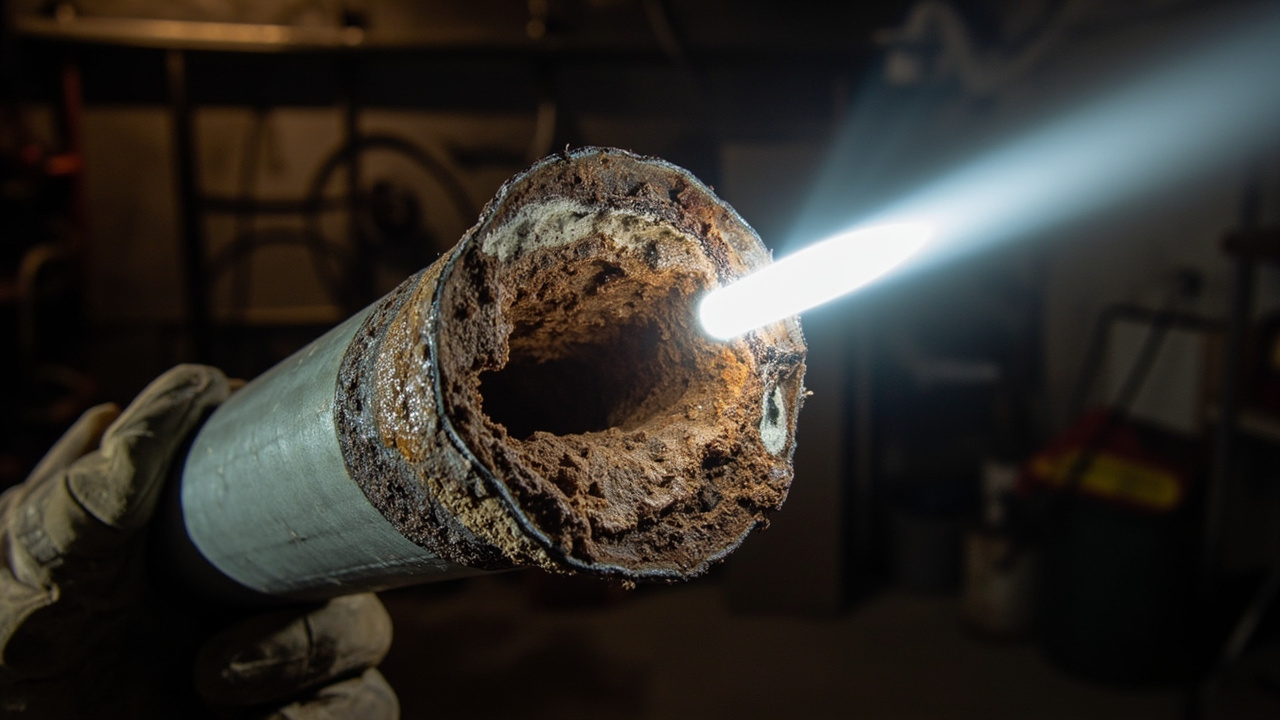
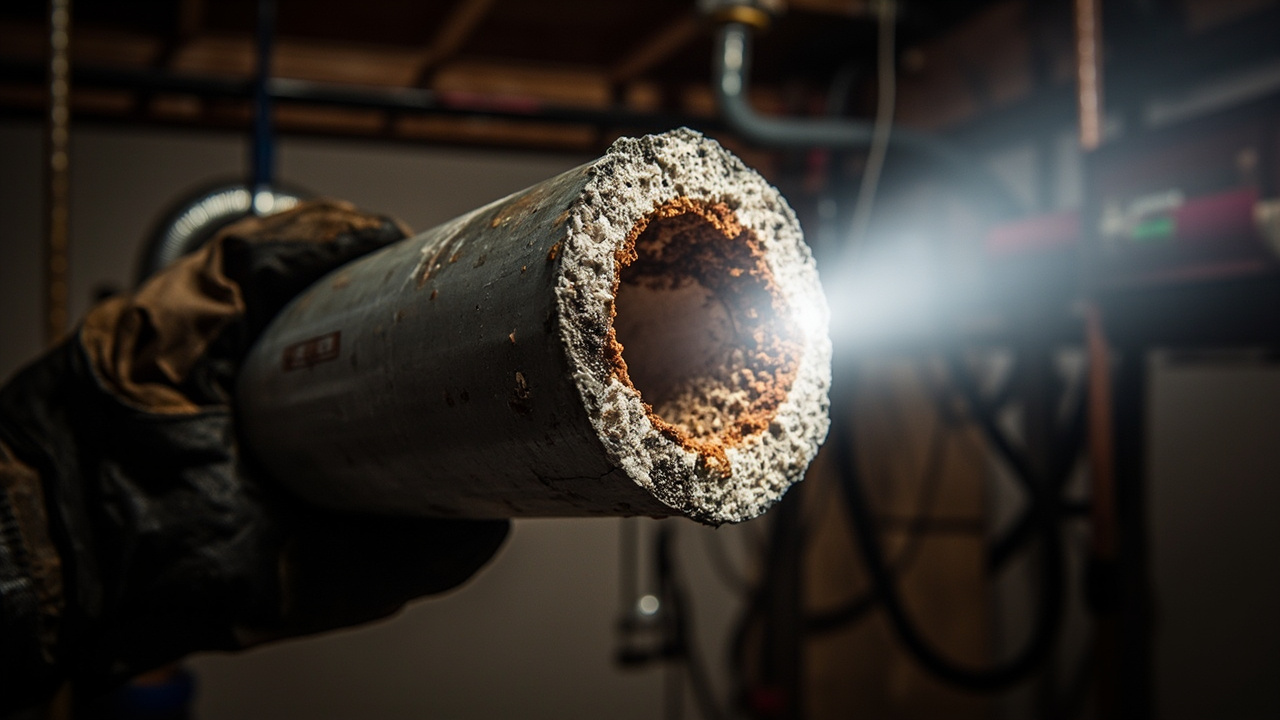
Birmingham's water supply contains elevated levels of calcium and magnesium. The limestone bedrock throughout Jefferson County leaches these minerals into the municipal water system. Over time, mineral deposits in water pipes accumulate on the interior walls of your plumbing. This creates a narrowing effect similar to arterial plaque.

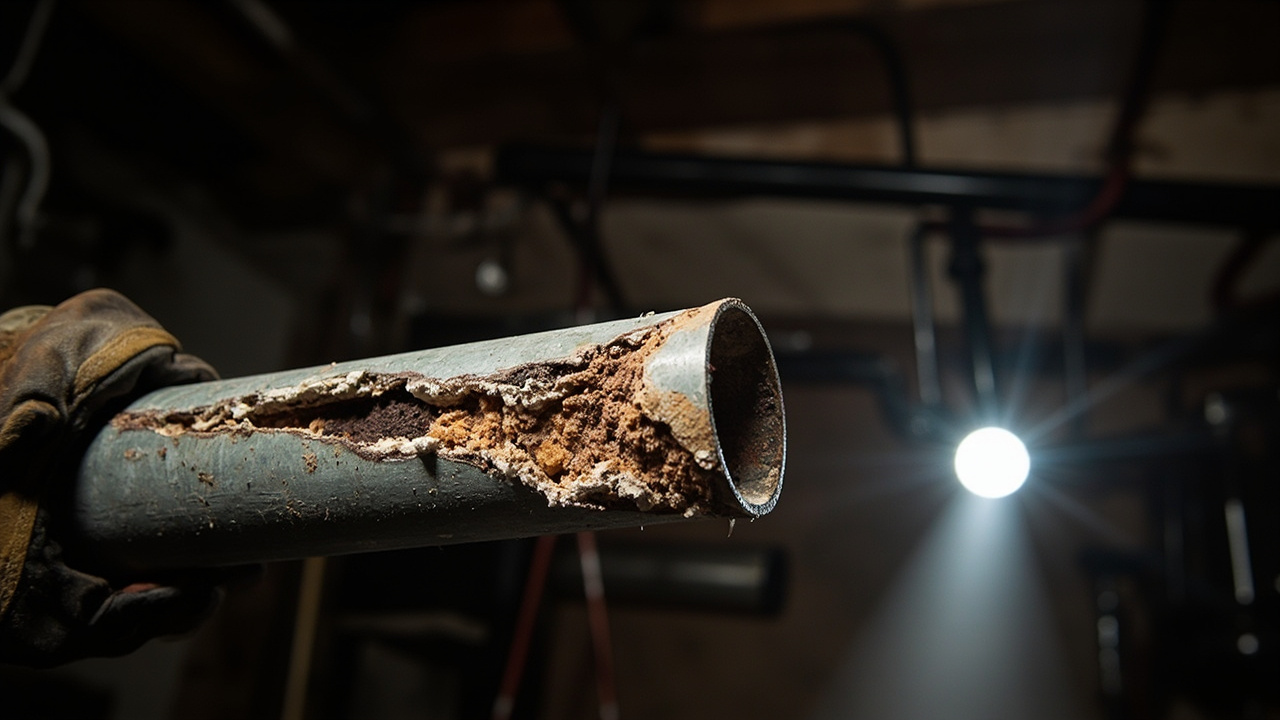
Hard water pipe scaling happens faster in older neighborhoods like Forest Park, Crestwood, and Mountain Brook, where galvanized steel pipes still dominate. The rough interior surface of aging galvanized lines provides an ideal surface for limescale accumulation in plumbing. Newer PEX and copper systems resist buildup better, but they still develop calcium buildup in water lines at connection points and fixture valves.

The problem compounds during summer months when Birmingham's heat causes water to evaporate faster inside your pipes. This leaves behind concentrated mineral residue. You notice sediment in the toilet tank. The dishwasher leaves spots on glasses. The washing machine leaves gritty residue on clothes.

Pipe calcification problems do not resolve on their own. The buildup only gets worse. Eventually, you face restricted flow, increased water pressure, and premature failure of fixtures and appliances. Water heaters fail early because sediment settles at the bottom of the tank, insulating the heating element and causing overheating.

Most homeowners notice the symptoms but misdiagnose the cause. They replace the showerhead when the real problem lives inside the pipes feeding that shower.

Why Birmingham Homes Experience Severe Sediment Buildup
How We Clear Sediment and Restore Your Plumbing System

How We Clear Sediment and Restore Your Plumbing System

Fortress Plumbing Birmingham does not guess. We perform a complete diagnostic assessment before recommending any solution.

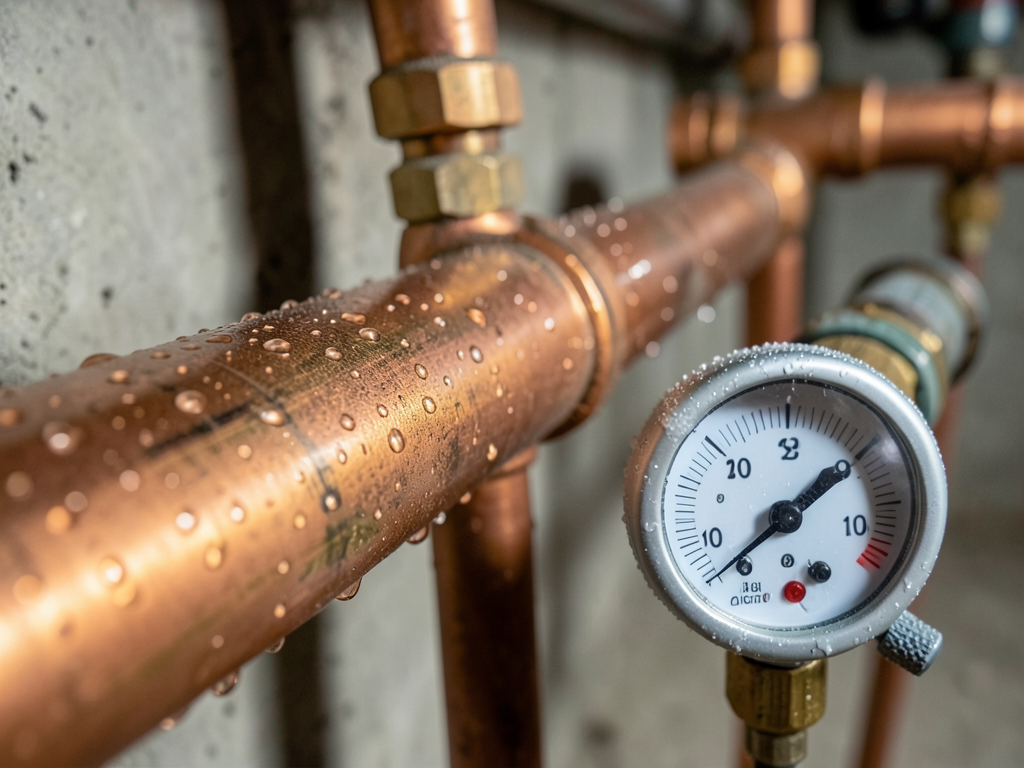
We start with a pressure test at multiple fixtures throughout your home. Low pressure at one fixture indicates a localized blockage. Low pressure at every fixture points to mainline buildup or sediment accumulation at the water heater.

Next, we inspect your water heater. We drain a sample from the tank's drain valve. Heavy sediment in this sample confirms tank buildup. We also listen for the characteristic popping sound that occurs when water becomes trapped beneath a layer of calcium deposits and flash-boils.

For severe cases, we use a video inspection camera to view the interior condition of your pipes. This camera travels through your drain lines and can assess the degree of scaling in accessible sections of your supply lines. The footage shows us whether you face light surface buildup or heavy pipe calcification problems that require mechanical intervention.

Treatment depends on severity and pipe material. For light to moderate buildup in copper or PEX lines, we may recommend a whole-house descaling treatment. This involves circulating a food-grade descaling solution through your plumbing system. The solution dissolves mineral deposits without damaging pipe walls.

For heavy scaling in galvanized pipes, especially in homes built before 1970, mechanical cleaning or pipe replacement often makes more sense. We use hydraulic jetting equipment to blast away decades of accumulated scale. The high-pressure water stream removes calcium buildup in water lines and flushes the debris out through your drain system.

We also address your water heater separately. We flush the tank, remove the anode rod to inspect its condition, and replace heating elements if sediment damage has occurred.

What Happens During Sediment Removal Service

Sediment Buildup in Pipes in Birmingham | Expert Diagnosis and Complete System Restoration
01

System Assessment and Testing

We measure static water pressure at your main shutoff valve and dynamic pressure at each fixture zone. This establishes a baseline and identifies where restrictions exist. We drain samples from your water heater and test for total dissolved solids. We inspect visible pipe sections for external corrosion or bulging that indicates internal scaling. This diagnostic phase typically takes 45 to 60 minutes and determines which treatment method your system requires.
02

Descaling or Mechanical Cleaning

For chemical descaling, we isolate your water heater, connect a circulation pump, and run descaling solution through your hot water lines for two to four hours. We monitor pH levels to ensure the solution remains effective. For mechanical cleaning, we access your main supply line and use a hydro-jetting system to break up and flush mineral deposits. We work section by section, checking pressure improvement as we progress through your system.
03

Verification and Prevention Planning

After treatment, we retest pressure at every fixture to confirm flow restoration. We inspect all drain points for sediment discharge and verify complete flushing. We document before and after pressure readings. Finally, we discuss prevention options including water softener installation, tankless water heater conversion, or scheduled maintenance flushing. You receive a written report showing pressure improvements and recommendations for preventing future buildup in your specific pipe configuration.

Why Birmingham Residents Trust Fortress Plumbing for Sediment Problems

Birmingham's water quality creates unique challenges that require local expertise. We work in these neighborhoods every day. We know which areas have the hardest water. We know which subdivisions still have galvanized supply lines. We know how Birmingham's water treatment plant adjusts chemical composition seasonally and how that affects scaling rates.

Generic plumbing companies treat every sediment problem the same way. They either recommend a water softener without diagnosing the actual problem or they suggest repiping your entire house as the only solution. Both approaches waste your money.

We take a diagnostic approach. We identify the exact location and composition of your sediment buildup. We determine whether your pipes can be cleaned or whether sections need replacement. We explain why certain solutions work for your specific pipe material and water chemistry.

Our technicians carry video inspection equipment, pressure testing tools, and water quality meters on every service call. We do not need to schedule a second visit to gather information. We assess your system thoroughly on the first visit and provide you with a complete diagnosis before recommending any treatment.

We also understand Birmingham's building codes and permit requirements. If your sediment problem requires pipe replacement, we handle the permitting process with Jefferson County. We know which pipe materials meet current code for supply line replacement. We pull permits, schedule inspections, and ensure your plumbing work passes on the first inspection.

Homeowners in Homewood, Vestavia Hills, and Hoover call us because we provide clear answers. We show you the evidence. We explain your options. We give you the information you need to make an informed decision about your plumbing system.

You do not get pressure to buy unnecessary equipment. You get honest assessment and practical solutions.

What to Expect When You Call Fortress Plumbing

Response Time and Scheduling

We offer same-day diagnostic appointments for sediment problems throughout the Birmingham metro area. Most homeowners see gradual decline in water pressure, so true emergencies are rare. However, if sediment causes a complete blockage or your water heater fails due to tank buildup, we prioritize your call. Our standard service window is four hours. We call 30 minutes before arrival. Diagnostic visits typically last one to two hours, depending on the size of your home and the complexity of your plumbing system. We provide written estimates before beginning any treatment work.

The Diagnostic Process

Our technician inspects your entire water distribution system. We test pressure at the street connection, at your main shutoff valve, and at every fixture. We drain and inspect your water heater. We check your aerators and showerheads for visible scale buildup. We ask about your water usage patterns and when you first noticed problems. For homes built before 1980, we often recommend camera inspection to assess pipe interior condition. You receive a detailed explanation of what we find, including photos or video footage when relevant. We explain treatment options in plain language and answer your questions before providing pricing.

Results You Can Measure

After descaling or mechanical cleaning, you notice immediate improvement in water pressure. Showers deliver stronger flow. Faucets run faster. Your dishwasher and washing machine fill in less time. Water heater efficiency improves because the heating element makes direct contact with water instead of heating through a layer of sediment. Most customers report 40 to 60 percent improvement in flow rate at affected fixtures. We document these improvements with pressure measurements. You receive a before and after comparison showing the exact pressure increase at each fixture zone. This documentation is useful if you sell your home.

Ongoing Maintenance and Prevention

Sediment buildup returns over time if you do not address the root cause. We recommend annual water heater flushing for all Birmingham homes. This simple service removes sediment before it hardens into scale. For homes with severe hard water, we discuss whole-house water softener installation. A properly sized softener eliminates calcium and magnesium before they enter your plumbing system. We also offer scheduled maintenance plans that include annual water heater service, fixture aerator cleaning, and pressure testing. These preventive measures extend the life of your plumbing system and protect your appliances from premature failure.

Frequently Asked Questions

You Have Questions,
We Have Answers

What causes sediment in water pipes? +

Sediment in water pipes comes from several sources. Hard water in Birmingham contains dissolved minerals like calcium and magnesium that crystallize and stick to pipe walls over time. Iron or galvanized pipes corrode and shed rust flakes into your water. The city water supply can introduce fine sand or silt particles during main breaks or repairs. Old water heaters accumulate mineral deposits that break loose and travel through your plumbing. Clay soil common in Birmingham can infiltrate cracked pipes. You may notice discolored water, reduced flow, or gritty residue in sinks and tubs when sediment accumulates.

How much to flush pipes in a house? +

Most Birmingham plumbers charge between the cost of a standard service call and a more involved hydro jetting service to flush pipes, depending on your home size and access points. A simple whole-house flush through existing hose bibs takes less time than opening main line cleanouts. The price varies based on pipe length, number of fixtures, and whether your plumber needs to drain and refill your water heater. Severe sediment buildup may require camera inspection first to assess the situation. Get a detailed estimate before work begins to understand what the service includes.

How to get rid of debris in pipes? +

Getting debris out of pipes requires identifying the buildup location first. For localized clogs near fixtures, plumbers use drain snakes or augers. Whole-system debris needs professional pipe flushing, where high-velocity water pushes sediment through cleanout ports. Stubborn mineral scale or rust requires hydro jetting with pressurized water that scours pipe walls clean. Birmingham's hard water makes chemical descaling agents effective for minor calcium deposits. Camera inspection helps locate problem areas in your main lines. Avoid using harsh drain cleaners repeatedly as they corrode pipes and worsen long-term debris accumulation. Professional cleaning extends pipe life and restores proper flow.

How to remove silt from pipes? +

Removing silt from pipes requires mechanical action. Plumbers connect to your main water line cleanout and use high-pressure water flushing to push silt through the system and out drain points. For severe silt infiltration common when Birmingham clay soil enters cracked pipes, hydro jetting provides the force needed to dislodge packed material. The plumber isolates sections of your plumbing, flushes each zone, then checks water clarity. Silt often indicates a pipe breach allowing soil entry. After cleaning, camera inspection reveals the entry point so you can repair it and prevent recurrence. Just flushing without fixing the source brings temporary relief only.

How do you flush sediment out of pipes? +

Flushing sediment from pipes starts by shutting off your water heater to prevent damage. A plumber opens the lowest drain point in your home, usually a basement or exterior hose bib. They then open cold water valves at the highest fixtures to create top-to-bottom flow. High-velocity water pushes loose sediment out the drain. For Birmingham homes with significant mineral buildup, plumbers may isolate pipe sections and use compressed air or hydro jetting equipment. The water heater gets drained separately through its drain valve. The entire process takes one to three hours depending on your home size and sediment severity.

How do plumbers descale pipes? +

Plumbers descale pipes using hydro jetting equipment that sprays pressurized water at 3,000 to 4,000 PSI through specialized nozzles. The high-pressure stream scours calcium, lime, and rust deposits from pipe interiors without damaging the pipe itself. For Birmingham homes with severe hard water scale, plumbers may use rotating chain knockers or mechanical descaling tools in accessible sections. Chemical descaling agents dissolve mineral buildup in some cases, but physical removal works better for thick accumulation. After descaling, camera inspection confirms clean pipe walls. The process restores flow capacity and pressure while extending your plumbing lifespan significantly.

Does homeowners insurance cover sewer line repair? +

Most standard homeowners insurance policies do not cover sewer line repair. Insurance typically excludes maintenance issues, wear and tear, and gradual deterioration. Sediment buildup and pipe aging fall into these excluded categories. However, if a sudden, unexpected event like a tree falling and crushing your sewer line causes the damage, your policy may provide coverage. Some Birmingham insurers offer optional sewer and drain endorsements for additional premium. These riders cover backup damage and sometimes line repair. Review your specific policy declarations and exclusions. Consider separate sewer line insurance or warranty programs if your home has older clay or cast iron pipes.

What are the signs I need hydro jetting? +

You need hydro jetting when multiple drains slow simultaneously, indicating main line buildup rather than isolated clogs. Recurring backups despite snaking suggest sediment coating pipe walls. Gurgling sounds from toilets or drains when running water point to restricted flow from accumulation. Foul sewer odors inside your Birmingham home can mean biofilm and debris creating bacterial growth. Water backing up in your basement floor drain signals main line obstruction. Tree roots combined with sediment create stubborn blockages that snaking cannot clear. If you notice rust-colored water or gritty residue, mineral scale needs professional removal before it completely blocks pipes.

Can I clean my sewer line myself? +

You can handle minor drain clogs yourself with a hand snake or plunger, but main sewer line cleaning requires professional equipment. Sewer lines run underground from your home to the street connection, making access difficult without proper cleanout ports. DIY methods cannot generate the pressure needed to clear sediment, roots, or scale from main lines. Birmingham clay soil and mature tree roots create tough blockages that basic tools cannot address. Improper snaking can damage old pipes or push debris deeper. Camera inspection identifies the actual problem before cleaning begins. Professional hydro jetting clears lines thoroughly without risking pipe damage that creates expensive repairs.

Why pour salt down the drain every night? +

Pouring salt down drains does not effectively clean pipes. This common myth suggests salt dissolves grease or sediment, but it lacks the chemical properties to break down organic matter or mineral deposits. Salt may temporarily help deodorize drains by creating an inhospitable environment for odor-causing bacteria. However, in Birmingham homes with older galvanized or iron pipes, salt can accelerate corrosion and worsen pipe deterioration. The dissolved salt increases water salinity slightly but does not remove existing sediment buildup. For actual drain maintenance, use enzymatic cleaners monthly or schedule professional hydro jetting. Save your salt for cooking and ice removal.

How Birmingham's Limestone Geology Accelerates Pipe Scaling

Birmingham sits on the southern edge of the Appalachian mountain range, where Red Mountain's iron ore deposits mix with extensive limestone formations. Water traveling through this geology picks up calcium carbonate and dissolved minerals. The Birmingham Water Works Board treats this water to meet EPA standards, but treatment does not remove hardness minerals. The average hardness level in Birmingham water ranges from 120 to 180 parts per million, which classifies as moderately hard to hard. This mineral content creates persistent limescale accumulation in plumbing systems throughout Jefferson and Shelby counties. Homes in Mountain Brook and Vestavia Hills, which draw from specific wells with higher mineral content, experience even faster calcium buildup in water lines.

Fortress Plumbing Birmingham has served this community for years, working in every neighborhood from downtown lofts to historic homes in Highland Park. We understand how different pipe materials react to Birmingham's water chemistry. We know which subdivisions were built with galvanized steel that accelerates corrosion and scaling. We stay current on Jefferson County plumbing code updates and maintain relationships with local inspectors. When you hire us, you get a team that knows your neighborhood, understands your water supply, and has solved sediment problems in hundreds of homes just like yours. Local expertise matters when diagnosing and treating mineral deposits in water pipes.


Plumbing Services in The Birmingham Area

Our dedicated service area extends throughout the Birmingham region, and we are committed to serving our local community with fast and reliable plumbing solutions. You can locate our main office here on the map, but remember, our certified plumbers are always on the move, ready to come to you! Whether you're in the city center or a surrounding suburb, we are prepared to deliver expert service right to your doorstep.

Address:
Fortress Plumbing Birmingham, 4500 5th Ave S, Birmingham, AL, 35222

Additional Services We Offer

Our news updates

Latest Articles & News from The Blogs

Clearing a Clogged AC Condensate Line to Prevent Water Damage in Your Gardendale Home A clogged AC condensate line can…

Clearing a Clogged AC Condensate Line to Prevent Water Damage in Your Gardendale Home

Clearing a Clogged AC Condensate Line to Prevent Water Damage in Your Gardendale Home A clogged AC condensate line can…

Why High Water Pressure is Secretly Damaging the Appliances in Your Pelham Home

Why High Water Pressure is Secretly Damaging the Appliances in Your Pelham Home Your dishwasher sounds louder than usual. Your…

Why Your Water Heater Expansion Tank is Dripping and What it Means for Your Plumbing

Your water heater expansion tank is dripping because the internal rubber bladder has failed or the tank’s air charge has…

Contact Us

Stop tolerating weak water pressure and failing appliances. Call Fortress Plumbing Birmingham at (659) 234-8600 for a complete diagnostic assessment. We identify the source of your sediment buildup and restore proper flow to your entire plumbing system.