


menu

Benefits of Water Softeners in Birmingham – Protect Your Pipes and Save Money on Repairs

Discover why Birmingham homeowners are investing in water softening systems to eliminate hard water damage, extend appliance life, and reduce costly plumbing repairs caused by mineral buildup.

Slider Image 1
Slider Image 2
Slider Image 3
Slider Image 4
Slider Image 5
Slider Image 7
Slider Image 8
Slider Image 9
Slider Image 10
Slider Image 11

Birmingham's Hard Water Problem Costs You Money Every Day

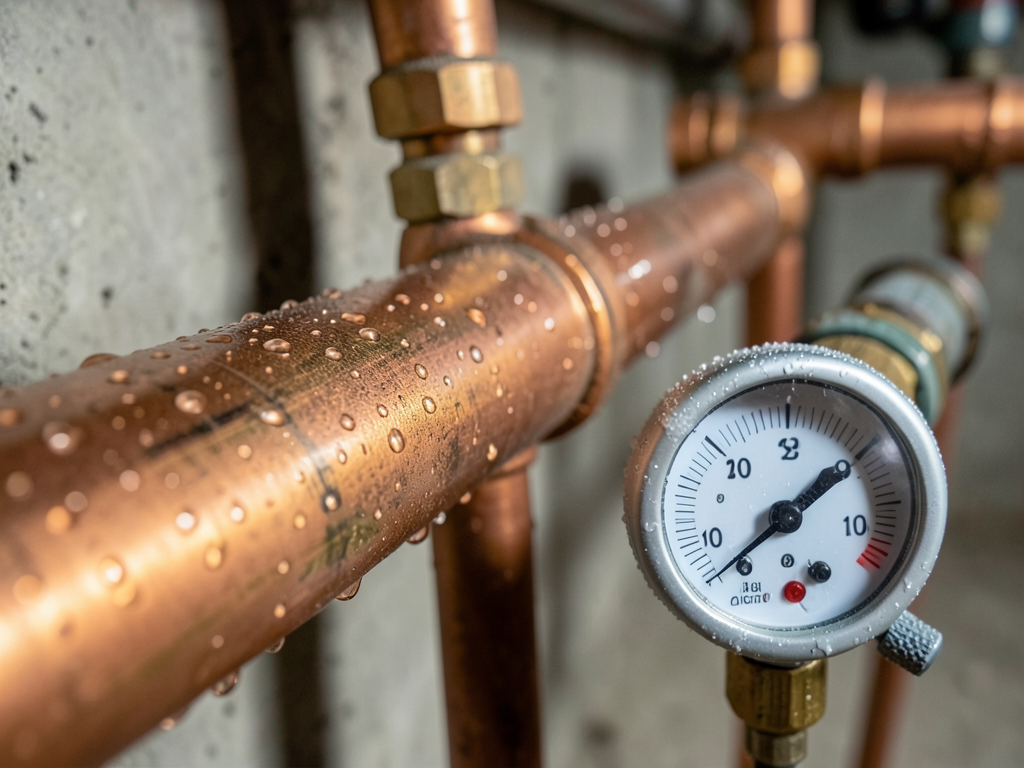
Birmingham sits on limestone bedrock, which means your tap water carries high concentrations of calcium and magnesium. These minerals leave white residue on faucets, but the real damage happens where you cannot see it. Inside your pipes, water heater, and appliances, mineral deposits accumulate and restrict water flow.

You notice the symptoms when your water heater fails after just eight years instead of twelve. Your washing machine stops draining properly. Your dishwasher leaves spots on every glass. Showerheads clog and lose pressure. Soap stops lathering in the sink.

The advantages of water softening systems become clear when you calculate replacement costs. A new water heater runs $1,200 to $2,500. A replacement dishwasher costs $600 to $1,400. These failures happen because hard water creates scale buildup that reduces efficiency and shortens equipment life.

The pros of water softeners extend beyond protecting appliances. Soft water uses 50% less soap and detergent because it lathers naturally. Your clothes last longer because hard minerals do not embed in fabric fibers. Your skin feels smoother because soap rinses completely instead of leaving a film.

Birmingham residents in Mountain Brook and Homewood neighborhoods see the advantages of soft water immediately. Water pressure improves. Hot water heats faster. Coffee tastes better because mineral content drops. The reasons to install a water softener go beyond convenience. You protect the plumbing infrastructure in your home and reduce the frequency of expensive emergency repairs.

Hard water treatment benefits show up on your utility bills. Soft water heats 22% faster than hard water, which means your water heater uses less energy every time you shower or run the dishwasher.

Birmingham's Hard Water Problem Costs You Money Every Day
How Water Softening Systems Work to Eliminate Mineral Damage

How Water Softening Systems Work to Eliminate Mineral Damage

Water softeners use ion exchange technology to remove calcium and magnesium from your water supply. The system contains a resin tank filled with negatively charged polystyrene beads. When hard water flows through the tank, calcium and magnesium ions attach to the beads while sodium ions release into the water.

This process happens automatically. A control valve monitors water usage and triggers regeneration cycles when the resin becomes saturated with minerals. During regeneration, a brine solution flushes the accumulated calcium and magnesium down the drain and recharges the resin beads with fresh sodium ions.

The advantages of water softening systems show up in your plumbing within weeks. Scale stops forming on pipe walls. Existing buildup begins to dissolve. Water flows more freely through fixtures and appliances.

Fortress Plumbing Birmingham installs whole-house systems that treat water at the point of entry. This means every faucet, shower, and appliance receives soft water. We size the system based on your household water consumption and hardness levels specific to your Birmingham neighborhood.

The resin tank capacity determines how much water the system can soften before regeneration. A four-person household typically needs a 32,000-grain capacity system. Larger homes in areas like Vestavia Hills may require 48,000-grain or 64,000-grain systems.

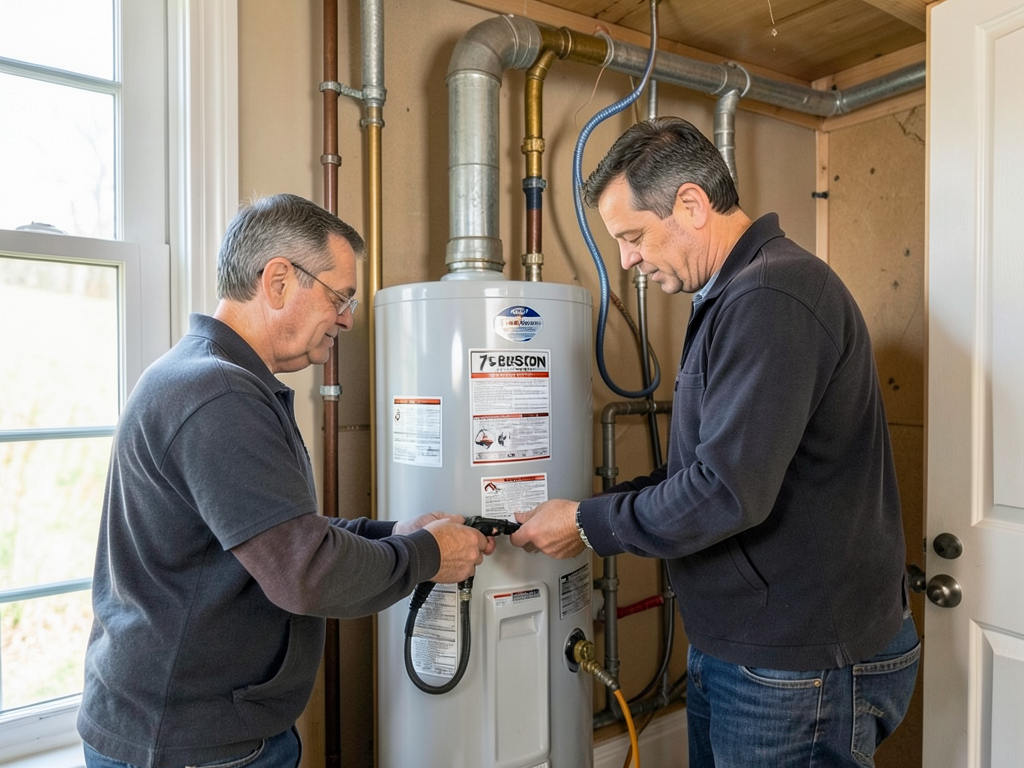
We install bypass valves that allow you to isolate the softener for maintenance without shutting off water to your home. A sediment pre-filter protects the resin bed from debris that could reduce efficiency.

The brine tank holds salt pellets that create the regeneration solution. You add salt every four to six weeks depending on water usage. The system monitors salt levels and alerts you when the tank needs refilling.

What Happens During Your Water Softener Installation

Benefits of Water Softeners in Birmingham – Protect Your Pipes and Save Money on Repairs
01

Water Testing and Analysis

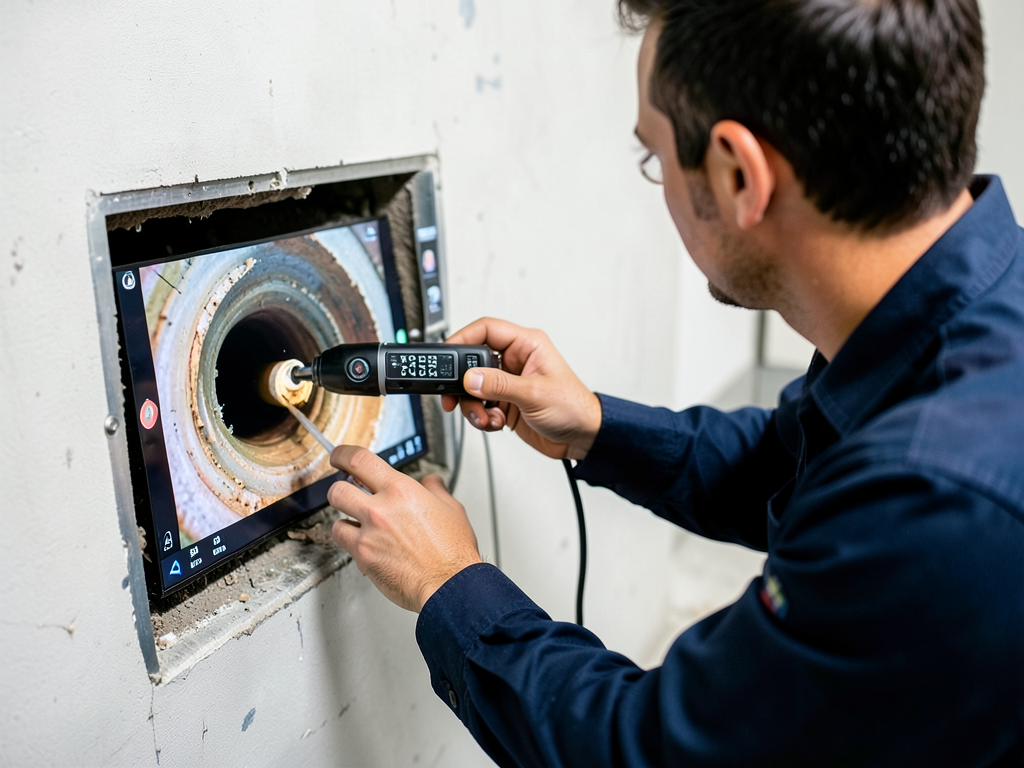
We test your water hardness using a calibrated titration kit that measures grains per gallon. Birmingham water typically ranges from 8 to 15 grains per gallon depending on your location. We also test for iron content, which requires additional filtration. This data determines the correct system size and configuration for your home. We inspect your existing plumbing layout to identify the optimal installation point where the main water line enters your house.
02

System Installation and Integration

We install the resin tank and brine tank near your water heater or in your garage. The installation requires cutting into the main water line and installing diverter valves that route water through the softener. We connect the drain line for regeneration discharge and wire the control valve to a nearby electrical outlet. We set the regeneration schedule based on your household size and water usage patterns. The entire installation takes four to six hours for most Birmingham homes.
03

Testing and Optimization

After installation, we run the system through a complete regeneration cycle to verify proper operation. We test the softened water to confirm hardness levels drop below 1 grain per gallon. We adjust the regeneration frequency and salt dosage to match your specific water conditions. You receive instructions on adding salt, monitoring the system, and recognizing when service is needed. We return after 30 days to retest water quality and fine-tune settings based on your actual usage patterns.

Why Birmingham Homeowners Trust Fortress Plumbing Birmingham for Water Softener Installation

Birmingham's water chemistry varies significantly across neighborhoods. Water from the Birmingham Water Works Board has different mineral content than wells in Hoover or Trussville. We understand these local variations because we test water and install softeners throughout Jefferson and Shelby counties every week.

Our technicians recognize how Birmingham's clay soil affects well water quality. Iron bacteria thrive in the anaerobic conditions created by dense clay layers, which means well water often needs iron filtration in addition to softening. We test for ferrous iron and ferric iron to determine whether you need an oxidizing filter or a separate iron removal system.

We know which water softener brands perform reliably in Birmingham's humid climate. Humidity causes salt bridging in the brine tank, where a hard crust forms above the water line and prevents proper regeneration. We install systems with bridge-preventing features and teach you how to break up salt formations before they cause problems.

Fortress Plumbing Birmingham stocks replacement parts for the systems we install. When a control valve fails or a resin tank develops a crack, we have the components on hand to complete repairs the same day. You do not wait three weeks for a part to ship from a warehouse in another state.

We understand Birmingham's plumbing codes regarding backflow prevention and drainage. The regeneration cycle discharges several gallons of brine solution that must drain properly without creating a cross-connection to your potable water supply. We install air gaps and check valves that meet local code requirements.

Our service area covers the greater Birmingham metro, from Gardendale to Pelham. We respond to service calls in Irondale, Fultondale, and Mountain Brook. When your softener stops regenerating or your water suddenly becomes hard again, we diagnose the problem quickly because we installed the system and know its configuration.

The advantages of working with a local plumber show up during repairs. We document your installation with photos and notes that go into your service file. When you call five years later with a problem, we already know your system specifications and can troubleshoot efficiently.

What to Expect When You Install a Water Softener

Installation Timeline and Scheduling

Most water softener installations take four to six hours from start to finish. We schedule appointments with two-hour arrival windows to minimize disruption to your day. Your water will be shut off for approximately 90 minutes while we cut into the main line and install diverter valves. We bring all necessary materials, including copper pipe, fittings, and electrical connections. You can use water normally as soon as the installation is complete. We recommend scheduling installation on a weekday when water usage is typically lower. Emergency installations for homes with severe scale buildup can be arranged within 24 hours.

Initial Water Testing and System Sizing

We test your water before recommending a system. The test measures total hardness, iron content, pH levels, and total dissolved solids. This takes 15 minutes using field test kits. For well water, we recommend laboratory analysis to check for bacteria, nitrates, and other contaminants that affect water quality. The test results determine whether you need a standard softener or a system with additional filtration stages. We calculate your household water consumption based on the number of occupants and typical usage patterns. This ensures the system can handle peak demand without running out of soft water during high-use periods like morning showers.

Water Quality Improvement Results

You will notice softer water immediately after installation. Soap lathers more easily. Dishes come out of the dishwasher without spots. Your skin feels different after showering because soap rinses completely instead of leaving residue. Scale buildup on existing fixtures begins to dissolve within two to three weeks as soft water circulates through your plumbing. Water pressure improves gradually as mineral deposits break down inside pipes. Your water heater operates more efficiently because scale no longer insulates the heating element from the water. These improvements continue as long as you maintain the system with regular salt additions and occasional resin bed cleaning.

Ongoing Maintenance and Support

Water softeners require minimal maintenance. You add salt to the brine tank every four to six weeks depending on water usage. We show you how to check salt levels and what type of salt works best for your system. The resin bed lasts 10 to 15 years with proper care. We recommend annual service visits to clean the resin tank, check valve operation, and verify regeneration cycles occur on schedule. Fortress Plumbing Birmingham offers maintenance plans that include annual inspections and priority scheduling for repairs. If your system stops working, we provide same-day service calls for customers within our Birmingham service area. Most repairs involve replacing the control valve or cleaning the venturi, which we complete in one visit.

Frequently Asked Questions

You Have Questions,
We Have Answers

What are the downsides of a water softener? +

Water softeners remove minerals through ion exchange, which adds sodium to your water. This increases salt intake, a concern if you follow a low-sodium diet. Softeners require ongoing maintenance, including refilling salt and occasional resin bed cleaning. They waste water during regeneration cycles, which can add to utility costs. The discharge brine may affect septic systems or local wastewater treatment in Birmingham. Initial installation costs range from equipment to professional setup. Soft water can feel slippery on skin, which some people dislike. You may need a bypass for outdoor irrigation since plants prefer unsoftened water.

Does water softener have health benefits? +

Soft water reduces skin irritation by eliminating mineral deposits that clog pores and strip natural oils. People with eczema or sensitive skin often notice improvement. It helps soap rinse cleaner, reducing residue that can trigger allergic reactions. However, soft water adds sodium through the ion exchange process. This amount is typically minimal for most people but may concern those managing hypertension or heart conditions. Soft water does not provide the trace minerals found in hard water, like calcium and magnesium, which contribute to daily nutritional intake. Consult your doctor if sodium intake is a health priority for you.

Is it healthier to drink hard or soft water? +

Neither is definitively healthier. Hard water contains calcium and magnesium, which support bone and cardiovascular health. These minerals contribute to your daily nutritional needs. Soft water eliminates these minerals but reduces sodium chloride buildup on fixtures and pipes. The sodium added during softening is usually negligible for healthy individuals but can be a concern for people with heart disease or high blood pressure. Birmingham residents with hard water can install a reverse osmosis system at the kitchen tap for drinking water while softening water for bathing and appliances. This gives you mineral-free drinking water without excess sodium.

Who should not drink softened water? +

People on sodium-restricted diets should avoid drinking softened water. This includes individuals with hypertension, congestive heart failure, kidney disease, or cirrhosis. Infants should not drink softened water when preparing formula, as their kidneys cannot process excess sodium efficiently. Pregnant women monitoring sodium intake may also want to avoid it. Birmingham homeowners concerned about sodium can install a dedicated cold water line to the kitchen tap that bypasses the softener. Reverse osmosis systems remove the sodium added during softening. Always consult your physician if you have medical conditions requiring strict sodium control before installing a water softener.

Why are states banning water softeners? +

Some states restrict or ban certain types of water softeners due to environmental concerns, not health risks. Salt-based softeners discharge chloride-rich brine during regeneration. This brine can overwhelm wastewater treatment plants and harm aquatic ecosystems when it enters rivers and streams. California, Texas, and parts of Michigan have enacted restrictions in areas with limited water treatment capacity. Alabama and Birmingham currently have no statewide bans on residential water softeners. However, you should check local regulations and consider high-efficiency models that minimize water and salt waste. Salt-free conditioners or template-assisted crystallization systems offer alternatives where environmental impact is a concern.

How long does a 40 lb bag of water softener salt last? +

A 40-pound bag of water softener salt typically lasts one to two months for an average Birmingham household. Your usage depends on water hardness, household size, and daily water consumption. Homes with very hard water or larger families go through salt faster. High-efficiency softeners use less salt per regeneration cycle. Check your brine tank monthly and refill when salt drops to about one-quarter full. Never let the tank run completely empty, as this reduces softening efficiency. Birmingham's moderately hard water means you will use less salt than households in areas with extremely hard water. Track usage for a few months to establish your refill schedule.

Can you brush your teeth with softened water? +

Yes, brushing your teeth with softened water is completely safe. The sodium added during ion exchange is minimal and does not pose health risks for oral hygiene. Soft water helps toothpaste lather better and rinse cleaner, leaving less residue. Some people prefer the feel of soft water in their mouth. If you are on a strict low-sodium diet, you can install a bypass line to your bathroom sink or use bottled water for drinking and brushing. Birmingham homeowners often soften water throughout the home for bathing and laundry while keeping one tap unsoftened for drinking and cooking.

Do water softeners make your water bill go up? +

Water softeners can slightly increase your water bill due to the regeneration process. During regeneration, the system flushes brine through the resin bed and rinses it with fresh water. This uses 25 to 65 gallons per cycle, depending on your system size and settings. A typical softener regenerates every few days. For Birmingham households, this adds a modest amount to monthly usage. However, soft water improves appliance efficiency. Water heaters, dishwashers, and washing machines last longer and use less energy without mineral buildup. The savings on energy, detergent, and appliance repairs often offset the minimal water usage increase.

Is soft water good for the kidneys? +

Soft water is not harmful to kidneys in healthy individuals. The sodium added during softening is typically low, around 12 to 50 milligrams per eight-ounce glass, depending on initial hardness. However, people with chronic kidney disease should limit sodium intake, as their kidneys struggle to filter excess salt. This can lead to fluid retention and elevated blood pressure. If you have kidney concerns, consult your nephrologist before installing a water softener. Birmingham residents with kidney disease can use potassium chloride instead of sodium chloride in their softeners or install a reverse osmosis system for drinking water while keeping soft water for bathing and cleaning.

What are 5 signs of hard water? +

White chalky residue on faucets and showerheads signals mineral buildup. Soap scum in bathtubs and on shower doors forms quickly and resists cleaning. Dishes and glassware show water spots and cloudy film even after washing. Laundry feels stiff and rough, and colors fade faster due to mineral deposits in fabric fibers. Low water pressure occurs when scale clogs pipes and aerators. Birmingham homes often experience these signs due to moderately hard municipal water. If you notice multiple symptoms, test your water hardness. Levels above seven grains per gallon typically benefit from a water softener to protect plumbing and improve cleaning efficiency.

Why Birmingham's Limestone Water Supply Makes Water Softeners Essential

Birmingham sits on the southern edge of the Appalachian Mountains where limestone and dolomite formations dominate the geology. Water from the Birmingham Water Works Board and private wells percolates through these mineral-rich layers, dissolving calcium carbonate and magnesium. The result is water hardness levels that range from moderately hard to very hard depending on your specific location. Homes in Mountain Brook and Vestavia Hills, which draw water from deeper aquifers, often experience hardness levels above 12 grains per gallon. This mineral content accelerates scale formation in water heaters, washing machines, and dishwashers. The advantages of water softening systems become evident when you compare appliance replacement intervals between homes with soft water and those using untreated hard water.

Fortress Plumbing Birmingham has installed water softeners in homes throughout Jefferson and Shelby counties since we opened. We understand how Birmingham's water chemistry affects plumbing systems because we see the damage every day. Our technicians respond to service calls where water heaters fail prematurely due to sediment buildup or where low water pressure results from scale-clogged pipes. We work with local building inspectors who enforce plumbing codes specific to Birmingham. When you choose a local plumber for water softener installation, you get expertise that comes from years of working with the same water supply you drink. We know which neighborhoods have the hardest water and which softener configurations perform best in Birmingham's climate.
Plumbing Services in The Birmingham Area

Our dedicated service area extends throughout the Birmingham region, and we are committed to serving our local community with fast and reliable plumbing solutions. You can locate our main office here on the map, but remember, our certified plumbers are always on the move, ready to come to you! Whether you're in the city center or a surrounding suburb, we are prepared to deliver expert service right to your doorstep.

Address:
Fortress Plumbing Birmingham, 4500 5th Ave S, Birmingham, AL, 35222

Additional Services We Offer

Our news updates

Latest Articles & News from The Blogs

Water Powered Backup Sump Pumps in Birmingham AL: Protection That Never Fails When heavy Alabama storms roll through Hoover and…

Deciding Between a Traditional or Water Powered Backup Sump Pump in Hoover

Water Powered Backup Sump Pumps in Birmingham AL: Protection That Never Fails When heavy Alabama storms roll through Hoover and…

Comparing How PEX and Copper Pipes Handle a Hard Freeze in North Shelby County

Comparing How PEX and Copper Pipes Handle a Hard Freeze in North Shelby County When temperatures drop below freezing in…

The Five Things You Should Never Put Down the Disposal in Your Irondale Kitchen

The Five Things You Should Never Put Down the Disposal in Your Irondale Kitchen Your garbage disposal grinds food scraps…

Contact Us

Stop letting hard water damage your plumbing and appliances. Call Fortress Plumbing Birmingham at (659) 234-8600 to schedule water testing and get a quote for whole-house water softener installation. We serve the greater Birmingham metro area with same-day appointments available.