

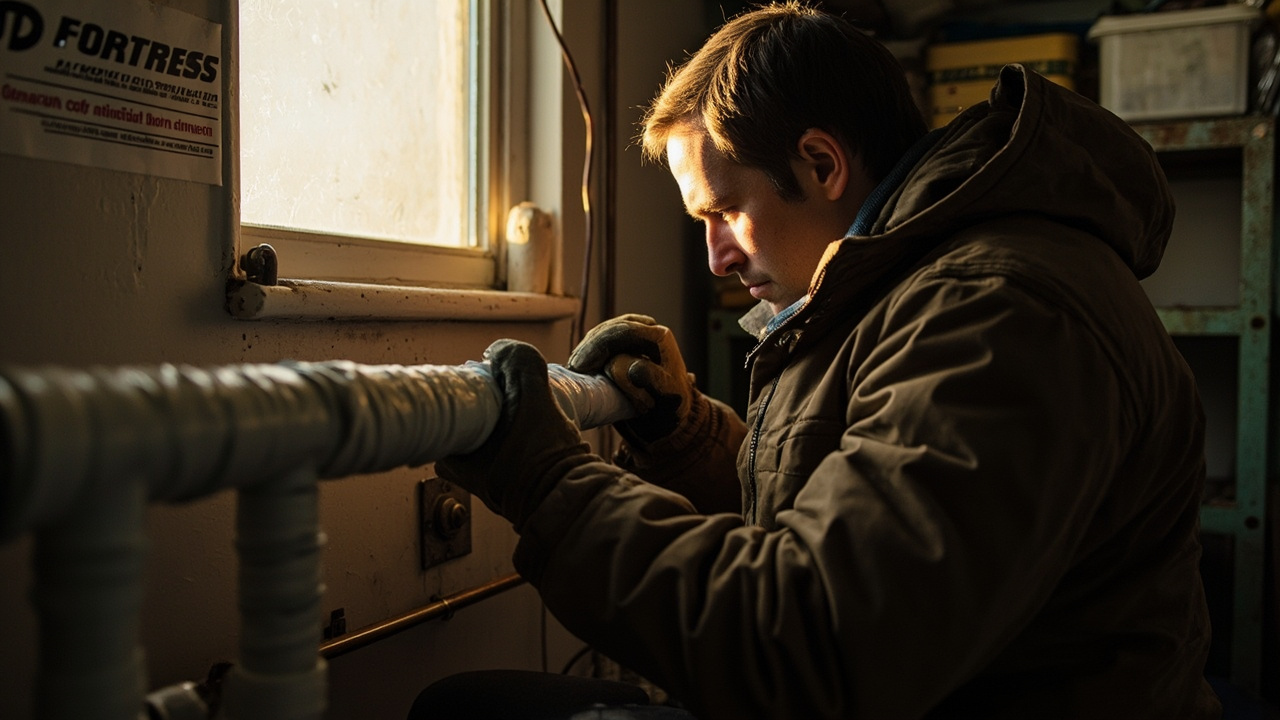
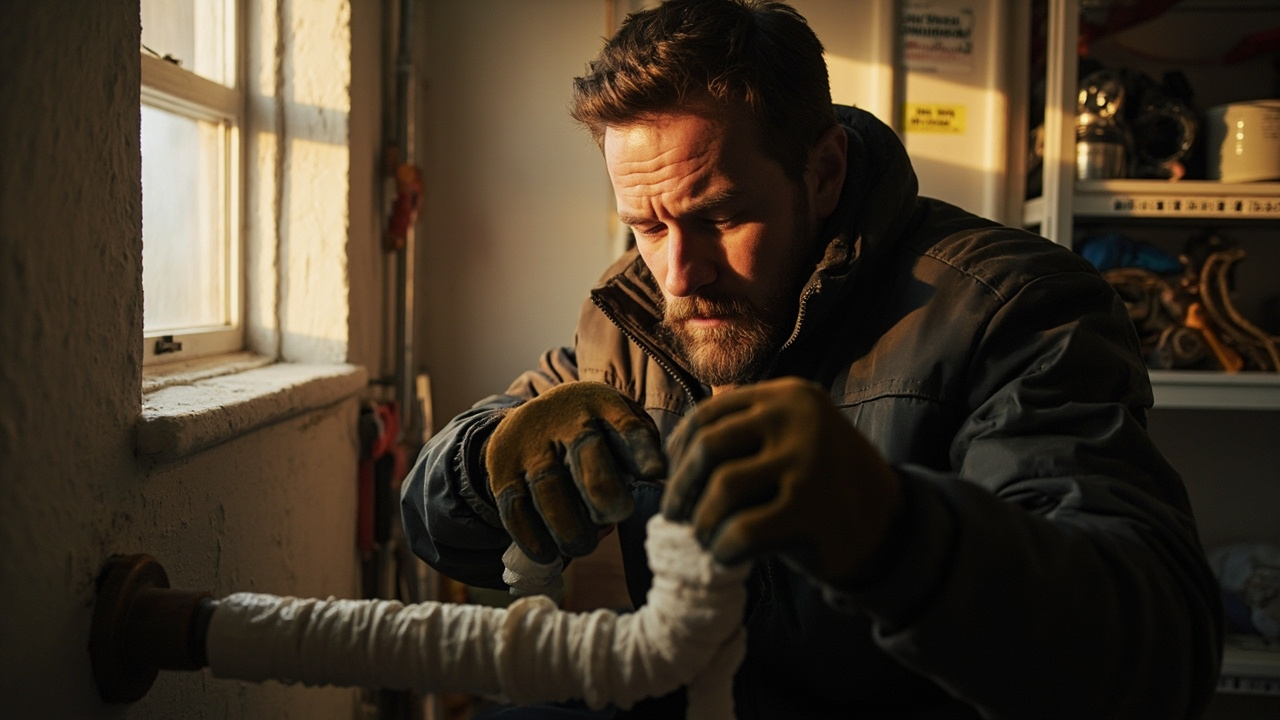

Birmingham sits on expansive clay soil that contracts during cold weather and expands when temperatures warm. This constant ground movement stresses underground water lines and creates microcracks that accelerate freeze damage. When temperatures drop, the soil contracts away from foundation walls, creating air gaps that allow cold air infiltration around pipe penetrations. The city's rapid temperature swings between warm afternoons and freezing nights prevent pipes from gradually acclimating to cold. A pipe might experience 70-degree water in the afternoon, then face 20-degree air temperatures by midnight. That shock creates condensation inside wall cavities and accelerates ice formation in vulnerable sections.
Jefferson County building codes require specific freeze protection measures for new construction, but most Birmingham homes predate these requirements. Older neighborhoods like Forest Park, Roebuck, and East Lake contain thousands of homes with original plumbing installations that lack adequate freeze protection. Local plumbers understand which neighborhoods face the highest burst pipe rates and which architectural features create the greatest vulnerability. This community knowledge helps homeowners make informed decisions about protection priorities. Birmingham's plumbing professionals also maintain relationships with local building inspectors and understand permit requirements for major winterization projects involving heat trace electrical work or significant pipe rerouting.