
menu

Plumbing Inspection Checklist for Birmingham Homes – Prevent Costly Repairs Before They Start

Use this comprehensive residential plumbing checkup list to catch small problems early and avoid expensive emergency repairs in your Birmingham home.

Slider Image 1
Slider Image 2
Slider Image 3
Slider Image 4
Slider Image 5
Slider Image 7
Slider Image 8
Slider Image 9
Slider Image 10
Slider Image 11

Why Birmingham Homes Need Regular Plumbing System Inspections

Birmingham's red clay soil creates unique challenges for your home's plumbing infrastructure. The soil expands when wet and contracts during dry periods, placing constant stress on underground pipes and foundation connections. This cycle accelerates wear on joints, fittings, and slab penetrations.

The city's aging housing stock compounds the problem. Many Birmingham neighborhoods feature homes built between the 1950s and 1980s with galvanized steel or polybutylene piping that deteriorates faster in our humid subtropical climate. You might not see the corrosion happening inside your walls, but a home plumbing inspection list helps you catch issues before they turn into flooded basements or burst pipes.

Hard water minerals in Birmingham's municipal supply create another layer of concern. Calcium and magnesium deposits accumulate inside fixtures, water heaters, and supply lines, reducing flow and efficiency over time. A preventative plumbing maintenance checklist addresses these buildups before they cause failures.

The combination of soil movement, aging infrastructure, and mineral-heavy water makes regular inspections essential for Birmingham homeowners. You need a plumbing maintenance checklist that accounts for local conditions, not generic advice that ignores what makes our area different. Small leaks turn into mold problems quickly in our humid climate. A dripping fixture wastes water and drives up utility bills. Catching these issues early saves you from expensive damage and health risks down the road.

Why Birmingham Homes Need Regular Plumbing System Inspections
The Essential Components of a Complete Plumbing System Inspection Guide

The Essential Components of a Complete Plumbing System Inspection Guide

A thorough residential plumbing checkup list covers five critical zones in your home. Each area requires specific inspection points that most homeowners overlook.

Start with supply lines and shutoff valves. Check for corrosion on exposed piping, especially where copper meets galvanized steel. Look for moisture around valve stems and compression fittings. Test each shutoff valve by turning it fully closed and open again. Valves that sit unused for years seize up when you need them most during an emergency.

Move to drain lines and P-traps. Pour water down rarely used drains to keep traps filled and prevent sewer gas infiltration. Inspect accessible drain connections for leaks or loose fittings. Check cleanout plugs for corrosion that makes them impossible to remove during a clog emergency.

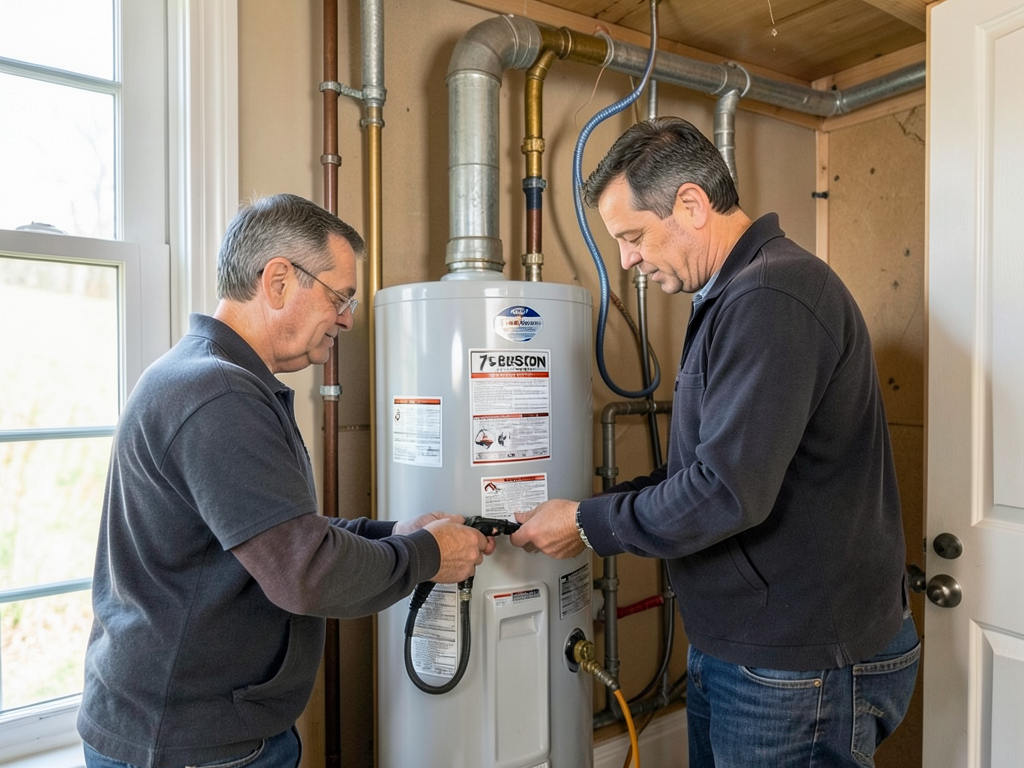
Water heaters demand focused attention. Flush sediment from the tank annually to prevent element failure and extend tank life. Test the temperature and pressure relief valve to ensure it operates properly. Inspect the anode rod every three years because Birmingham's water chemistry accelerates sacrificial anode depletion.

Examine fixtures and faucets for signs of mounting stress or internal wear. A loose toilet flange allows rocking that breaks the wax seal. Worn washers and cartridges reduce water pressure and cause annoying drips. Replace old supply hoses before they burst, not after.

Check your sump pump if you have one. Pour water into the pit to verify the float switch activates and the pump discharges properly. Birmingham's clay soil and occasional heavy rains make a functioning sump pump critical for preventing basement flooding.

How to Use Your Plumbing Inspection Checklist Effectively

Plumbing Inspection Checklist for Birmingham Homes – Prevent Costly Repairs Before They Start
01

Schedule Quarterly Walkthroughs

Set recurring calendar reminders every three months to inspect visible plumbing components. Change seasons bring different stress points to your system. Check outdoor hose bibs before the first freeze and inspect for winter damage each spring. Document what you find with photos and notes to track changes over time. Consistent inspection intervals catch gradual deterioration before it becomes an emergency.
02

Test All System Functions

Run water through every drain in your home during each inspection. Flush toilets and check for proper bowl refill levels. Turn on all faucets to verify consistent pressure and temperature. Listen for unusual sounds like hammering pipes or gurgling drains that signal air in lines or partial blockages. Test garbage disposals, dishwashers, and washing machine connections for leaks at supply and drain hoses.
03

Document and Address Issues

Record every finding from your inspection in a home maintenance log. Small problems become bigger when ignored. Replace worn washers immediately. Schedule professional drain cleaning when slow drainage appears. Call in experts for issues beyond basic maintenance like water heater element replacement or pipe repairs. Your documented inspection history provides valuable information when you need professional diagnosis or repairs.

Why Birmingham Homeowners Trust Local Plumbing Expertise

Fortress Plumbing Birmingham understands the specific challenges that affect local plumbing systems. We know how Jones Valley's elevation changes affect water pressure. We recognize the plumbing configurations common in Forest Park's postwar construction. We understand how Red Mountain's geology influences groundwater and drainage patterns across different neighborhoods.

Local building codes in Birmingham require specific installation methods and materials. We stay current with Jefferson County permit requirements and inspection standards. When you need work that requires permitting, our familiarity with local inspectors and procedures keeps your project moving without delays or failed inspections.

Our technicians see Birmingham's unique plumbing problems every day. We know which fixture brands hold up best in local water conditions. We understand which pipe materials resist our soil chemistry. We recognize the warning signs that precede common failures in homes of different ages and construction types throughout the metro area.

You need more than a generic plumbing maintenance checklist downloaded from a national website. You need a preventative plumbing maintenance checklist adapted to Birmingham's specific conditions. Generic advice about winterization means nothing when you live in a climate where freezing pipes happen only during exceptional cold snaps, not every winter.

We help you prioritize repairs based on local risk factors. A small leak matters more in our humid climate where mold grows quickly. Water heater maintenance becomes critical when mineral-heavy water accelerates sediment buildup. Foundation movement from clay soil makes proper pipe support essential to prevent stress failures.

What Your Plumbing Inspection Should Include

Inspection Timing and Frequency

A complete home plumbing inspection list requires quarterly visual checks you can perform yourself, plus an annual professional evaluation. Seasonal changes in Birmingham bring different challenges. Spring inspections after winter verify no freeze damage occurred. Summer checks before peak usage season ensure your system handles increased demand. Fall inspections prepare for holiday guests and winter stress. Professional technicians access hidden components and use diagnostic equipment beyond homeowner capability. They inspect sewer lines with cameras, test water pressure at multiple points, and evaluate system capacity. Annual professional inspections catch developing problems before they interrupt your daily routine.

Critical Inspection Points

Your residential plumbing checkup list must include water heater condition, drain line function, supply line integrity, fixture operation, and appliance connections. Look for active leaks first, then signs of past moisture like stains or mineral deposits. Check water pressure at multiple fixtures simultaneously to identify supply restrictions. Inspect visible pipe hangers and supports for proper spacing. Examine caulking and grout around tubs and showers because water infiltration damages subfloors and framing. Test all shutoff valves to verify they operate smoothly. Inspect washing machine hoses for bulging or cracks. Check under sinks for cabinet damage from past leaks that might have been repaired without addressing the source.

Preventative Maintenance Actions

Your plumbing system inspection guide should include specific maintenance tasks performed during each check. Flush water heaters to remove sediment. Clean aerators on faucets to maintain flow. Pour enzymatic drain cleaner down slow drains before they stop completely. Replace supply hoses on washing machines every five years regardless of appearance because internal deterioration happens before external signs appear. Test garbage disposal function and sharpen blades. Inspect and clean pop-up drain assemblies in bathroom sinks. Check toilet flappers for wear that causes phantom flushing and water waste. These small maintenance actions extend component life and prevent inconvenient failures.

When to Call Professionals

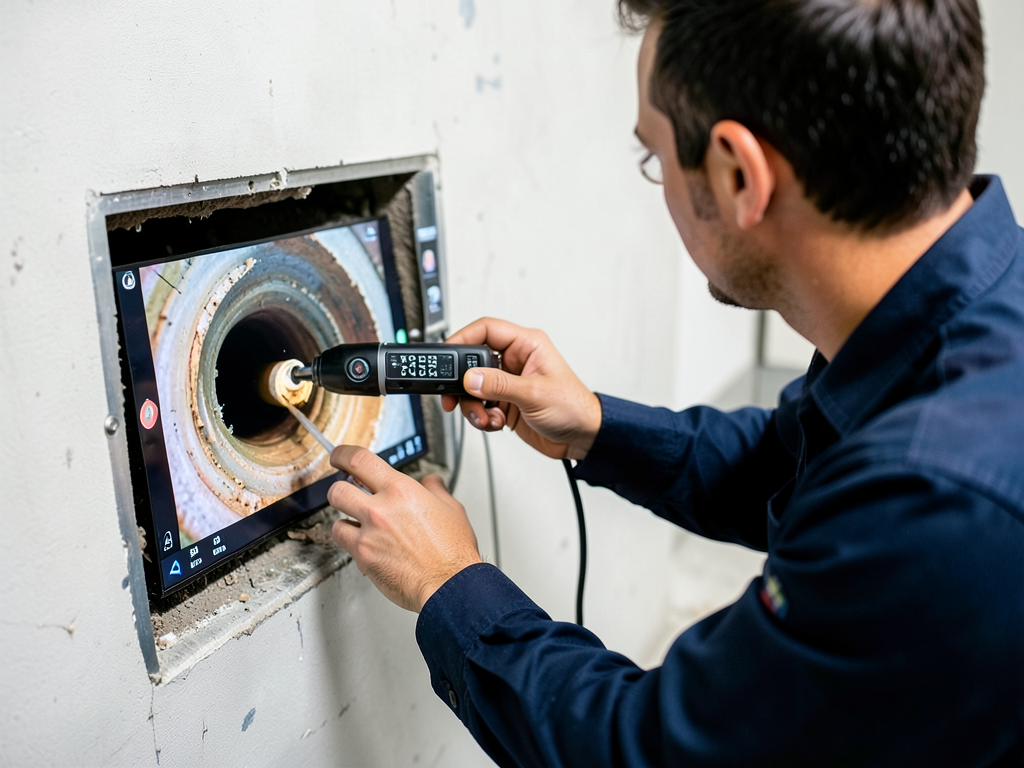
Some inspection findings require professional evaluation and repair. Call a licensed plumber when you discover active leaks at pipe joints, reduced water pressure throughout the house, recurring drain clogs, water heater temperature fluctuations, or visible corrosion on pipes. Professionals use pressure testing, video camera inspection, and thermal imaging to diagnose problems you cannot see. They access concealed piping in walls and slabs. They evaluate whether aging galvanized pipes need replacement before they fail. Professional assessment provides accurate repair estimates and helps you budget for necessary work before emergency situations force rushed decisions at premium prices.

Frequently Asked Questions

You Have Questions,
We Have Answers

What does a plumbing inspection consist of? +

A plumbing inspection examines your entire water supply system, drainage network, and fixtures. The plumber checks water pressure, inspects pipes for leaks or corrosion, tests all faucets and toilets, and evaluates your water heater condition. In Birmingham, inspectors pay special attention to clay soil impacts on underground pipes and cast iron corrosion common in older homes. The inspection includes checking shut-off valves, drain function, visible pipe condition, and sewer line integrity. You receive a detailed report identifying immediate repairs, preventive maintenance needs, and potential future concerns. This assessment protects your investment and prevents expensive emergency repairs.

What are the 5 main items you should inspect for at a drain detail? +

At a drain detail, inspect these five critical items: First, check the drain opening for proper slope and debris accumulation. Second, examine the trap connection for proper sealing and vent access. Third, verify the drain pipe material and condition, watching for corrosion or root intrusion common in Birmingham due to clay soil. Fourth, test drain flow speed to identify partial blockages or improper pitch. Fifth, inspect surrounding areas for water stains or mold indicating chronic leaks. Birmingham homes built before 1980 often have cast iron drains that develop rust-through issues requiring camera inspection.

What are 5 very important things that are inspected in a home inspection? +

Five critical home inspection items include the plumbing system, electrical panel, roof condition, HVAC equipment, and foundation integrity. For Birmingham homes, plumbing receives extra scrutiny due to expansive clay soil causing foundation shifts that crack pipes. Inspectors examine water pressure, drain function, water heater age, and visible pipe condition. The electrical panel gets checked for capacity and safety. Roof inspections focus on shingle wear and attic ventilation crucial in our humid climate. HVAC systems must handle Birmingham heat efficiently. Foundation checks look for settlement cracks and moisture intrusion affecting structural stability.

What should be included in an inspection checklist? +

An inspection checklist should include specific items to examine, clear evaluation criteria, space for condition notes, and prioritized action items. For plumbing inspections in Birmingham, include water supply lines, drain systems, water heater specifications, fixture operation, shut-off valve access, pressure testing results, and sewer line camera inspection notes. The checklist must document pipe materials, identify clay soil impacts on underground lines, note corrosion in older cast iron systems, and record code compliance issues. Include manufacturer information, installation dates, and maintenance history. A quality checklist creates a permanent record and guides future maintenance decisions.

What are the 7 steps of the inspection process? +

The seven inspection steps are: First, review property history and past issues. Second, conduct a visual assessment of accessible plumbing. Third, test all fixtures for proper operation and drainage. Fourth, measure water pressure at multiple locations. Fifth, inspect the water heater for age, capacity, and safety devices. Sixth, perform specialized tests like camera inspections for sewer lines or pressure tests for hidden leaks. Seventh, compile findings into a prioritized report with immediate concerns, recommended repairs, and long-term maintenance suggestions. In Birmingham, inspectors emphasize foundation movement effects and clay soil impacts on underground pipes.

How much should a plumbing inspection cost? +

Plumbing inspection costs vary based on property size, system complexity, and specialized testing required. A basic residential inspection for a Birmingham home typically runs between budget considerations. Homes built before 1980 with cast iron pipes may need camera inspections adding to costs. Larger properties or commercial buildings require more time and equipment. Sewer scope inspections, pressure testing, and detailed reports increase fees. The investment prevents expensive surprise repairs and provides negotiating power in real estate transactions. Request itemized pricing and ask what the inspection includes before committing. Quality inspections pay for themselves by identifying hidden problems.

What is the biggest red flag in a home inspection? +

The biggest red flag in home inspections is active water damage or signs of chronic leaking. Water stains on ceilings, warped flooring, mold growth, and musty odors indicate serious plumbing failures. In Birmingham, foundation cracks from clay soil movement often cause hidden pipe breaks that lead to structural damage. Other major red flags include outdated electrical panels, roof damage with missing shingles, HVAC systems past their lifespan, and foundation settlement. Failed sewer lines, corroded supply pipes, and inadequate water pressure signal expensive repairs ahead. These issues require immediate attention and professional assessment before purchase.

What is a 7 point inspection? +

A seven point inspection is a standardized vehicle safety check, not a plumbing term. In plumbing contexts, comprehensive inspections examine water supply systems, drainage networks, fixtures, water heaters, sewer lines, venting, and backflow prevention. Birmingham plumbing inspections focus on these critical areas while considering local factors like clay soil impacts on underground pipes and high humidity effects on fixtures. The term might reference a specific company checklist covering seven major plumbing categories. Always ask your inspector what their process includes to understand the scope. Comprehensive plumbing inspections protect your property investment and identify potential problems early.

How much does a drain inspection cost? +

A drain inspection using camera technology typically costs between service pricing considerations. Simple visual checks of accessible drains cost less, while camera scopes for underground sewer lines to the street require specialized equipment and add expense. In Birmingham, clay soil and mature tree roots frequently damage underground pipes, making camera inspections valuable for older homes. The inspection identifies blockages, root intrusion, pipe deterioration, and misaligned connections. Properties built before 1980 with cast iron sewer lines benefit most from camera inspections. Request video documentation and a written report. This investment prevents buying homes with failing sewer systems requiring expensive replacement.

What items will fail a home inspection? +

Items that fail home inspections include active leaks, non-functional HVAC systems, electrical hazards, structural damage, and failing water heaters. In Birmingham plumbing systems, cast iron pipe corrosion, inadequate water pressure, cross-connections allowing backflow, missing shut-off valves, and improperly vented drains cause failures. Sewer line collapse from clay soil movement, galvanized pipe deterioration, and reversed hot-cold connections fail inspections. Missing expansion tanks on water heaters, improper drain slopes, and non-code fixtures require correction. Foundation cracks, roof damage allowing water intrusion, and outdated electrical panels also fail. Address these issues immediately to protect your investment.

How Birmingham's Clay Soil Affects Your Home Plumbing System

The expansive red clay soil throughout Jefferson County creates constant movement beneath your home's foundation. This soil swells up to 30 percent when saturated and shrinks during dry periods. The cycle places repetitive stress on sewer lines, water supply lines, and slab penetrations. Underground pipe joints separate gradually over years of movement. Foundation shifts create new stress points on rigid piping. A plumbing maintenance checklist for Birmingham homes must account for soil-related issues that homeowners in other regions never face. Inspect foundation penetrations for gaps or movement. Check for settling around cleanouts that indicates soil displacement. Look for new cracks in concrete slabs that might affect underlying pipes.

Local plumbers who work in Birmingham daily recognize the patterns of soil-related damage. We know which neighborhoods face higher risk based on soil composition and elevation changes. We understand how proper pipe bedding and flexible connections mitigate soil movement stress. When you work with Birmingham plumbing professionals, you benefit from experience with thousands of local homes facing identical conditions. We help you distinguish between normal settling and problems requiring intervention. Our preventative plumbing maintenance checklist emphasizes the specific inspection points that matter most for homes built on Birmingham's challenging soil conditions.
Plumbing Services in The Birmingham Area

Our dedicated service area extends throughout the Birmingham region, and we are committed to serving our local community with fast and reliable plumbing solutions. You can locate our main office here on the map, but remember, our certified plumbers are always on the move, ready to come to you! Whether you're in the city center or a surrounding suburb, we are prepared to deliver expert service right to your doorstep.

Address:
Fortress Plumbing Birmingham, 4500 5th Ave S, Birmingham, AL, 35222

Additional Services We Offer

Our news updates

Latest Articles & News from The Blogs

Is Your Damp Clay Basement Caused by a Plumbing Leak or Just High Humidity Finding water in your basement can…

Is Your Damp Clay Basement Caused by a Plumbing Leak or Just High Humidity

Is Your Damp Clay Basement Caused by a Plumbing Leak or Just High Humidity Finding water in your basement can…

Why Your Liberty Park Home Runs Out of Hot Water Faster Than It Used To

Why Your Liberty Park Home Runs Out of Hot Water Faster Than It Used To Your Liberty Park home deserves…

Managing the Auto Fill and Overflow Drainage for Your Luxury Pool in Shoal Creek

Managing the Auto Fill and Overflow Drainage for Your Luxury Pool in Shoal Creek Living in the exclusive Shoal Creek…

Contact Us

Stop wondering about hidden problems in your plumbing system. Call Fortress Plumbing Birmingham at (659) 234-8600 to schedule a comprehensive inspection. We identify issues before they become expensive emergencies and provide a detailed report of our findings.