

menu

PEX vs. Copper Piping Guide for Birmingham Homes – Make the Right Choice for Your Property

Understanding the difference between PEX and copper pipes helps you avoid costly mistakes during repiping, renovations, and new construction projects in Birmingham's unique housing market.

Slider Image 1
Slider Image 2
Slider Image 3
Slider Image 4
Slider Image 5
Slider Image 7
Slider Image 8
Slider Image 9
Slider Image 10
Slider Image 11

Why Birmingham Homeowners Face a Critical Piping Decision

Birmingham's aging housing stock and shifting clay soil create specific challenges for residential plumbing systems. Homes built before 1980 throughout neighborhoods like Forest Park, Avondale, and Crestwood North typically feature copper plumbing, while newer developments in Trussville and Hoover increasingly use cross-linked polyethylene.

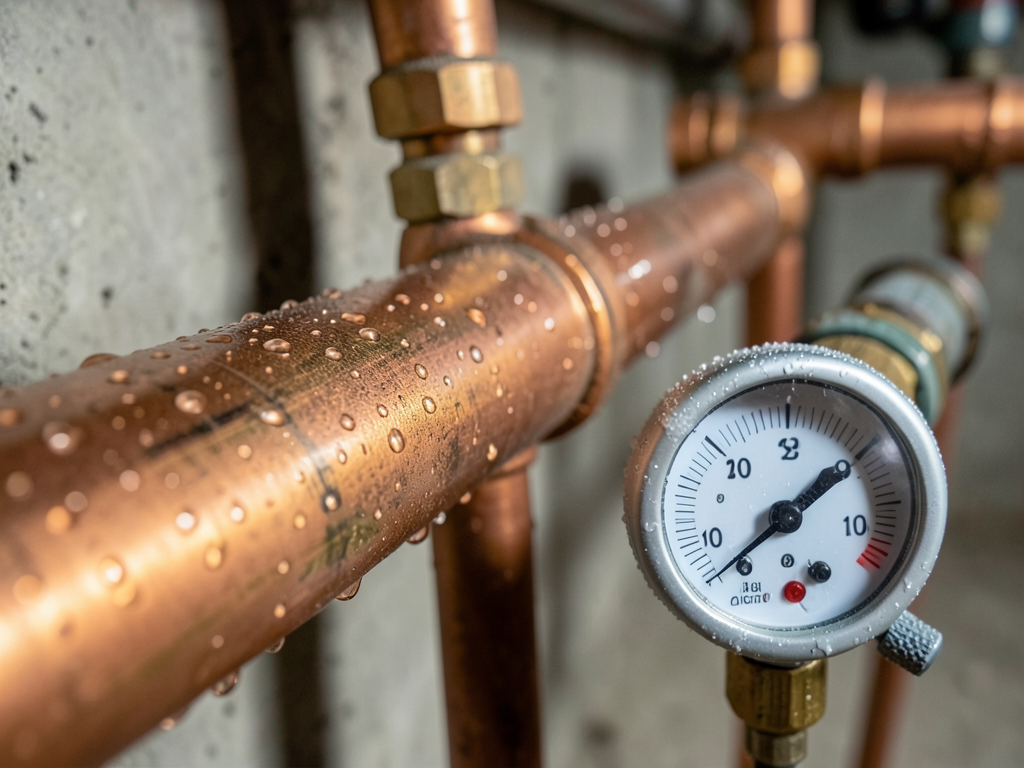
The PEX vs copper comparison matters here because Birmingham's red clay soil expands and contracts with moisture changes, creating stress on underground pipes. Freeze events, though rare, still occur two to three times per winter, putting additional pressure on your piping choice. The wrong material can lead to pinhole leaks, burst pipes, or complete system failure within 10 to 15 years.

Understanding copper vs PEX plumbing pros and cons becomes critical when you face a repiping decision. Copper has served Birmingham homes for decades, but material costs have tripled since 2020. PEX piping vs copper plumbing presents different installation requirements, lifespan expectations, and vulnerability to Birmingham's water chemistry. The city's treated water has moderate hardness and chlorine levels that affect both materials differently over time.

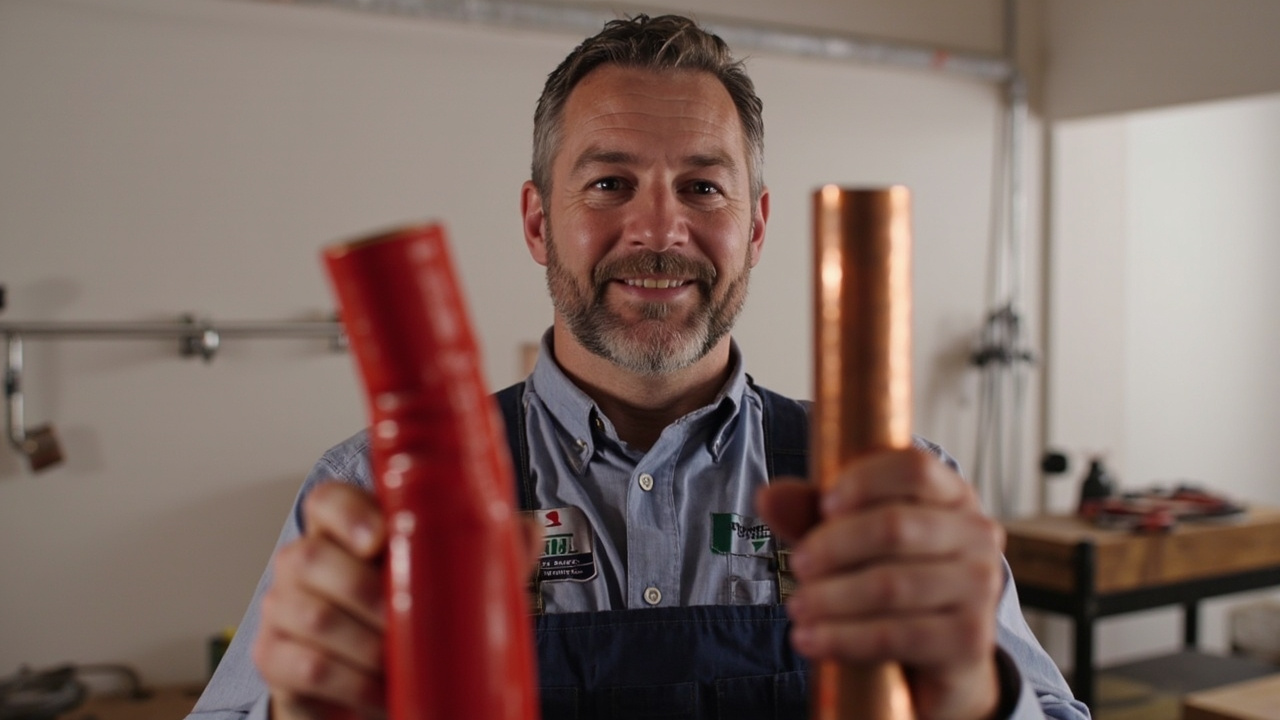
The difference between PEX and copper pipes extends beyond initial installation. Copper tubing resists UV degradation and works well in exposed applications, while PEX offers flexibility that reduces joint failures in areas with foundation movement. Both materials meet Birmingham's building codes, but each performs differently under local conditions. Making an informed choice protects your investment and prevents expensive emergency repairs down the road.

Why Birmingham Homeowners Face a Critical Piping Decision
Breaking Down Cross-Linked Polyethylene vs Copper Tubing Performance

Breaking Down Cross-Linked Polyethylene vs Copper Tubing Performance

Copper plumbing has dominated residential construction for over 70 years. Type L copper tubing provides the standard for Birmingham installations, offering proven durability and resistance to bacterial growth. The material tolerates high temperatures, handles UV exposure, and maintains structural integrity in attic installations where summer temperatures exceed 140 degrees.

However, copper's rigid nature creates vulnerabilities. Each 90-degree turn requires a soldered joint, and Birmingham homes average 40 to 60 joints in a typical repiping project. Every joint represents a potential failure point. The soldering process requires open flame work, creating fire risk in occupied homes. Copper also conducts temperature, leading to heat loss in hot water lines and condensation on cold water lines during humid Birmingham summers.

Cross-linked polyethylene offers a fundamentally different approach. PEX-A, the highest grade, uses the Engel method for superior flexibility and shape memory. The material expands up to three times its diameter when frozen, then returns to original form without bursting. This characteristic proves valuable during Birmingham's occasional hard freezes when pipes in crawl spaces or exterior walls face temperatures below 25 degrees.

PEX installation uses fewer fittings through continuous runs from manifold to fixture. A typical whole-house repipe might need only 12 to 15 connections compared to 50-plus for copper. The crimping or expansion connection method eliminates open flames, and the flexible tubing snakes through existing walls without extensive demolition. Installation time drops by 40 to 50 percent, reducing labor costs significantly. PEX also provides natural insulation properties, maintaining water temperature better than copper while eliminating condensation issues.

Both materials resist Birmingham's water chemistry differently, affecting long-term performance in ways you need to understand before committing to either system.

How to Evaluate Piping Materials for Your Birmingham Property

PEX vs. Copper Piping Guide for Birmingham Homes – Make the Right Choice for Your Property
01

Assess Your Water Quality

Birmingham Water Works provides treated municipal water with pH levels between 7.2 and 8.0, moderate hardness around 80 to 120 ppm, and chlorine disinfection. Request a water quality report to identify specific chemistry factors. High chlorine levels can degrade PEX over decades, while acidic water with pH below 7.0 accelerates copper corrosion. Well water users face different considerations, including sulfur content that attacks copper and iron levels that stain PEX. Understanding your specific water chemistry determines which material offers better longevity.
02

Calculate Total System Cost

Material cost represents only 30 to 40 percent of your total investment. PEX material runs significantly less per linear foot than Type L copper, but you must factor in fittings, manifolds, and connection tools. Copper requires soldering equipment, flux, and skilled labor commanding premium rates. Installation labor for PEX typically costs 35 to 45 percent less due to faster installation and reduced complexity. Include potential wall repair costs, since copper often requires more access points. Calculate the true total project cost, not just material pricing.
03

Consider Long-Term Performance

Copper systems in Birmingham regularly exceed 50 years when properly installed, though pinhole leaks often develop after 25 to 30 years in high-velocity areas. PEX carries a 25-year material warranty with projected lifespan exceeding 50 years under normal conditions. However, PEX cannot tolerate direct sunlight and requires protection in exposed applications. Copper handles hot water recirculation systems better, while PEX offers superior freeze resistance. Match material characteristics to your specific application, building type, and expected service life to determine the best fit.

Why Local Expertise Matters for Birmingham Piping Decisions

Birmingham's building codes, adopted from the International Plumbing Code with local amendments, permit both copper and PEX for residential applications. However, code compliance alone does not guarantee optimal performance. Local conditions create specific challenges that out-of-town contractors miss.

Fortress Plumbing Birmingham works daily with the clay soil foundation movement common in neighborhoods built on Red Mountain's slopes. We understand how seasonal soil expansion affects underground piping, which influences material selection and installation depth. Our technicians know that homes in Southside and Highland Park face different pressure dynamics than properties in Inverness or Greystone due to elevation changes across the metro area.

The area's humid subtropical climate creates condensation issues on cold water copper lines during summer months. We factor in attic temperatures that routinely hit 145 degrees, affecting both material selection and support spacing. PEX requires support every 32 inches in horizontal runs, while copper needs support every 6 feet, but temperature expansion changes these requirements in Birmingham attics.

We also navigate local supply chain realities. Birmingham has three major plumbing supply houses, and material availability fluctuates. We maintain relationships that ensure access to quality materials when you need them, avoiding project delays that plague contractors without local connections.

Building inspectors in Jefferson and Shelby counties have specific interpretation preferences for code sections. We know which installation methods pass inspection smoothly and which create delays. This local knowledge streamlines your project and prevents costly rework.

Our experience with Birmingham Water Works infrastructure helps us anticipate pressure variations across different service areas. Homes near pumping stations experience different pressure profiles than properties at system endpoints, influencing pipe sizing and material choice. This granular local knowledge protects your investment and ensures optimal system performance for decades.

What to Expect When Choosing Between Piping Materials

Decision Timeline and Planning

Material selection should happen before you face an emergency. Schedule a consultation to evaluate your existing system, discuss your renovation timeline, and review your budget parameters. We provide side-by-side analysis of both options specific to your property. The evaluation takes 45 to 60 minutes and covers water quality testing results, building characteristics, and usage patterns. You receive a detailed comparison showing projected costs, installation timeline, and long-term performance expectations. This upfront planning prevents rushed decisions during a pipe failure when you have limited time to evaluate options properly.

Installation Methodology Differences

Copper installation requires cutting, deburring, fluxing, and soldering each joint. The process demands precision and creates temporary water shutoff for 6 to 8 hours during work. PEX installation uses a manifold system with continuous runs to each fixture, reducing connection points by 60 to 70 percent. The crimping or expansion method takes minutes per connection versus the careful flame work copper demands. PEX flexibility allows snaking through existing wall cavities, often eliminating drywall removal. Copper's rigidity requires more access points, increasing finish repair scope. Understanding these installation differences helps you prepare your home and set realistic expectations for project disruption and completion timeline.

System Performance Characteristics

Copper delivers consistent water pressure across all fixtures simultaneously due to its rigid trunk-and-branch layout. The material does not expand with temperature, maintaining exact pipe diameter throughout its service life. However, copper conducts noise, making water hammer more audible. PEX absorbs vibration, creating quieter operation, but the material expands with hot water, slightly reducing flow rate during peak usage. Copper resists all bacteria growth naturally, while PEX requires proper installation to prevent biofilm in stagnant sections. Both materials deliver clean, safe water when installed correctly, but operational characteristics differ in ways that affect daily experience. Choose based on your priorities for noise, pressure consistency, and temperature maintenance.

Maintenance and Longevity Factors

Copper requires minimal maintenance but demands immediate attention when pinhole leaks develop, typically after 20 to 30 years in Birmingham's water conditions. The rigid material makes repairs straightforward but requires cutting and soldering. PEX features compression fittings that allow quick repairs without specialized tools or open flame. However, PEX degrades under UV exposure and requires replacement if installed incorrectly in exposed areas. Neither material needs routine service, but failure modes differ significantly. Copper fails gradually with small leaks, giving warning signs. PEX typically fails at connection points due to improper installation, creating sudden leaks. Understanding these maintenance patterns helps you budget for long-term ownership and recognize warning signs before major damage occurs.

Frequently Asked Questions

You Have Questions,
We Have Answers

Do plumbers prefer PEX or copper? +

Most plumbers in Birmingham prefer PEX for residential repiping because it installs faster and costs less than copper. PEX is flexible, requires fewer fittings, and handles our freeze-thaw cycles without bursting as easily. You can snake it through walls without opening drywall, which saves time and money. Copper still wins for exposed applications and homes with high-end finishes where aesthetics matter. Some older plumbers stick with copper out of familiarity, but the trade has shifted toward PEX for interior supply lines. The choice depends on your project scope and budget.

Why don't insurance companies like PEX plumbing? +

Some insurers raise concerns about older PEX systems because early formulations had higher failure rates with fittings and chemical leaching. They worry about water damage claims from burst lines or failed crimps. However, modern PEX-A and PEX-B with proper brass fittings meet all Birmingham building codes and perform reliably. Most carriers accept PEX without issue if installed by a licensed plumber. If your insurer questions it, provide documentation showing the manufacturer, installation date, and code compliance. PEX installed after 2010 rarely triggers underwriting problems in Jefferson County.

What are the downsides of PEX pipe? +

PEX cannot handle direct sunlight and degrades with UV exposure, so you cannot use it outdoors without protection. Rodents can chew through it more easily than copper. You cannot recycle PEX like metal pipe. Some formulations leach chemicals into water during the first few weeks after installation, though this fades quickly. PEX also requires special tools for crimping or expansion fittings, which means you cannot repair it with basic hardware store parts. In Birmingham's clay soil, shifting foundations can stress PEX connections if not installed with proper slack and supports.

Why do plumbers not use copper anymore? +

Copper prices tripled over the past two decades, making it cost-prohibitive for whole-house repiping. Labor costs also jumped because copper requires soldering, cutting, and more fittings than PEX. Birmingham's hard water causes pinhole leaks in thin-wall copper over time, shortening lifespan. PEX installs in half the time, which matters for competitive bidding. Copper theft became a problem on job sites and vacant properties. Plumbers still use copper for water heater connections, outdoor hose bibs, and commercial applications, but PEX dominates residential supply lines for affordability and speed.

What is the life expectancy of PEX pipes vs copper pipes? +

Copper pipes last 50 to 70 years in Birmingham homes, though acidic water and electrolysis can shorten this. PEX pipes carry a manufacturer rating of 50 years, but the material has only been widely used since the 1990s, so real-world longevity data remains incomplete. Both materials meet or exceed typical mortgage lifespans. Copper degrades from external corrosion and pinhole leaks. PEX degrades from chlorine exposure and UV light. Proper installation matters more than material choice. Both perform reliably when installed to code by a licensed plumber.

What is the lawsuit against PEX pipe? +

Several class-action lawsuits targeted manufacturers over brass fittings that dezincified and caused leaks, not the PEX tubing itself. Brands like Vanguard, Kitec, and Polybutylene faced claims for premature failures. These cases involved older systems installed before 2010. Modern PEX-A and PEX-B with current ASTM-certified fittings do not share these problems. If your Birmingham home has PEX installed between 2000 and 2010, check the manufacturer and fitting type. Most lawsuits resulted in settlements and recalls, and updated products meet stricter standards today.

Why do plumbers not like PEX? +

Some plumbers distrust PEX because they trained on copper and resist change. Others dislike the proprietary tools required for expansion or crimp fittings, which add upfront costs. Concerns about long-term durability persist because PEX lacks the 100-year track record of copper. A few worry about chemical leaching or rodent damage. In Birmingham, older plumbers who specialize in historic home restoration prefer copper for authenticity and resale value. These concerns are valid in specific contexts, but PEX dominates new construction and repiping because it works well when installed correctly.

What is the best pipe for home plumbing? +

PEX-A is the best choice for most Birmingham homes because it resists kinking, handles expansion during freezes, and installs quickly. Copper remains ideal for exposed lines, outdoor applications, and historic homes where appearance matters. CPVC works as a budget option but becomes brittle over time in our climate. For underground supply lines, copper or PEX with proper sleeving prevents damage from shifting clay soil. The best pipe depends on your home's age, water chemistry, budget, and whether you prioritize cost or longevity. A licensed plumber can assess your specific needs.

Where should you not use PEX? +

Never use PEX outdoors without UV protection because sunlight breaks down the plastic. Do not use it for hot water recirculation systems over 180 degrees or direct water heater connections in some jurisdictions. Avoid PEX within 18 inches of gas water heaters or furnaces due to heat exposure. Birmingham code prohibits PEX in fire sprinkler systems. Do not run it through concrete slabs without sleeving because alkali in concrete can degrade the pipe. Skip PEX if you need exposed decorative piping or want to maximize resale value in upscale neighborhoods.

Why is PEX banned in NYC? +

New York City banned PEX until 2021 because the fire code required materials that would not release toxic fumes during fires. PEX combustion produces smoke that concerned city officials in high-rise buildings. The building department also worried about counterfeit products and improper installations in a dense urban environment. Birmingham has no such ban. Alabama follows International Plumbing Code, which approves PEX for residential and commercial use. NYC finally approved PEX for residential applications in 2021 after manufacturers provided fire safety data and installation training improved. The ban was location-specific policy, not a material defect.

How Birmingham's Clay Soil and Water Chemistry Impact Your Piping Choice

Birmingham sits on expansive clay soil that shrinks during dry periods and swells when saturated, creating constant movement in home foundations. This soil movement stresses rigid copper pipes, particularly in crawl space installations common in pre-1990 construction. The PEX vs copper comparison takes on local significance because flexible PEX accommodates foundation shifting without joint failure, while copper's rigidity transfers stress to soldered connections. Properties in Homewood, Mountain Brook, and Vestavia Hills face pronounced soil movement due to elevation changes and natural drainage patterns. Underground copper lines in these areas show higher failure rates after 15 to 20 years compared to PEX installations that flex with soil dynamics. Additionally, Birmingham Water Works maintains chlorine residuals between 0.5 and 2.0 ppm for disinfection, which affects PEX oxidation rates over time, though quality PEX-A material resists degradation for decades even at these levels.

Jefferson County building codes require licensed plumbers for all piping work, and local inspectors scrutinize both copper and PEX installations for proper support, connection integrity, and code compliance. Fortress Plumbing Birmingham maintains active relationships with county inspection departments, ensuring our installations meet both letter and spirit of local requirements. We understand that Birmingham's building stock includes everything from 1920s bungalows in Woodlawn to new construction in Riverchase, each presenting unique challenges for piping material selection. Our technicians train specifically on local soil conditions, water chemistry, and code interpretations that affect installation quality. This localized expertise matters because a piping system designed for Atlanta or Nashville does not account for Birmingham's specific environmental factors and regulatory requirements. Choosing a contractor with deep Birmingham roots ensures your investment performs optimally for decades.
Plumbing Services in The Birmingham Area

Our dedicated service area extends throughout the Birmingham region, and we are committed to serving our local community with fast and reliable plumbing solutions. You can locate our main office here on the map, but remember, our certified plumbers are always on the move, ready to come to you! Whether you're in the city center or a surrounding suburb, we are prepared to deliver expert service right to your doorstep.

Address:
Fortress Plumbing Birmingham, 4500 5th Ave S, Birmingham, AL, 35222

Additional Services We Offer

Our news updates

Latest Articles & News from The Blogs

Is Your Damp Clay Basement Caused by a Plumbing Leak or Just High Humidity Finding water in your basement can…

Is Your Damp Clay Basement Caused by a Plumbing Leak or Just High Humidity

Is Your Damp Clay Basement Caused by a Plumbing Leak or Just High Humidity Finding water in your basement can…

Why Your Liberty Park Home Runs Out of Hot Water Faster Than It Used To

Why Your Liberty Park Home Runs Out of Hot Water Faster Than It Used To Your Liberty Park home deserves…

Managing the Auto Fill and Overflow Drainage for Your Luxury Pool in Shoal Creek

Managing the Auto Fill and Overflow Drainage for Your Luxury Pool in Shoal Creek Living in the exclusive Shoal Creek…

Contact Us

Stop guessing about the right piping material for your home. Call Fortress Plumbing Birmingham at (659) 234-8600 for a detailed consultation that evaluates your specific property conditions, water quality, and budget. We provide clear recommendations based on facts, not sales pressure.