
Is Your Damp Clay Basement Caused by a Plumbing Leak or Just High Humidity
Finding water in your basement can be stressful. The first question is whether you have a plumbing leak or just high humidity. In Clay, Alabama, the answer matters because fixing a leak is very different from running a dehumidifier. This guide shows you how to tell the difference using a simple test and what steps to take next. Finding a Reliable Emergency Plumber in Hoover Without Getting Overcharged.
How to Test If Your Basement Moisture Is from a Leak or Humidity
The 24-hour plastic wrap test is the fastest way to diagnose the problem. Cut a sheet of clear plastic about 2 feet square. Tape it flat against the basement wall or floor where you see dampness. Leave it in place for 24 hours without disturbing it.. Read more about Why Your Roebuck Basement Floor Drain Smells Like Rotten Eggs and How to Fix It.
If the side facing the room is wet, moisture is coming from the air. This means high humidity is condensing on the cool surface. If the side facing the wall or floor is wet, water is seeping through from outside or from a pipe leak.
Clay’s soil is mostly Alabama red clay, which holds water and expands when wet. This creates hydrostatic pressure against basement walls. Even without a plumbing leak, water can force its way through small cracks. That pressure can make it hard to tell if the source is a broken pipe or just groundwater. Hydro Jetting Services.
Common Signs of High Humidity vs. Plumbing Leaks
High humidity in a basement often leaves a musty smell across the entire space. You might see condensation on pipes, windows, or cold water lines. White powdery deposits called efflorescence can appear on concrete walls. These are mineral salts left behind when water evaporates.
A plumbing leak usually creates a localized wet spot. You might hear dripping or running water when all fixtures are off. Water may pool in one area and not spread. If the leak is from a pressurized pipe, the water will continue to flow until the supply is shut off. Plumbing Mountain Brook.
Clay’s humid summers make condensation worse. When warm, moist air hits cold basement walls, it releases water. This can look like a leak but is just trapped humidity. Poor ventilation, missing vapor barriers, or uninsulated pipes make the problem worse.. Read more about Best Ways to Insulate the Plumbing in Your Indian Springs Village Crawl Space.
Understanding Clay’s Soil and Climate Impact
Alabama’s high summer humidity often exceeds 70% relative humidity. When that warm air contacts the cool basement walls common in Clay homes, condensation forms. This is not a leak but a climate-driven issue.
Clay soil’s high water retention means it stays saturated longer after rain. That water presses against basement walls through hydrostatic pressure. Over time, this can crack mortar joints or push water through tiny gaps. The result can look like a slow leak but is really groundwater intrusion.
Older homes in Clay may have cast iron or galvanized pipes. These materials corrode over decades, creating weak spots. Tree roots can also enter sewer lines, causing slow leaks that add to basement moisture. A leak detection test can confirm if pipes are the source. Advanced Leak Detection Services for Historic Homes in Forest Park.
Water Meter Test to Confirm a Plumbing Leak
If the plastic wrap test shows water coming from inside, use the water meter test next. Find your home’s water meter, usually near the street. Write down the reading. Do not use any water for two hours. Check the meter again.
If the number changed, water is still flowing somewhere. This almost always means a pressurized plumbing leak. If the reading is the same, the moisture is likely from humidity or groundwater.. Read more about Essential Plumbing Red Flags to Look for Before Buying an Older Home in Avondale.
Clay’s municipal water pressure from the Birmingham Water Works Board can fluctuate. High pressure can stress older pipes, causing pinhole leaks. These tiny leaks may not show as a strong drip but can create persistent dampness over time.
When to Call a Professional
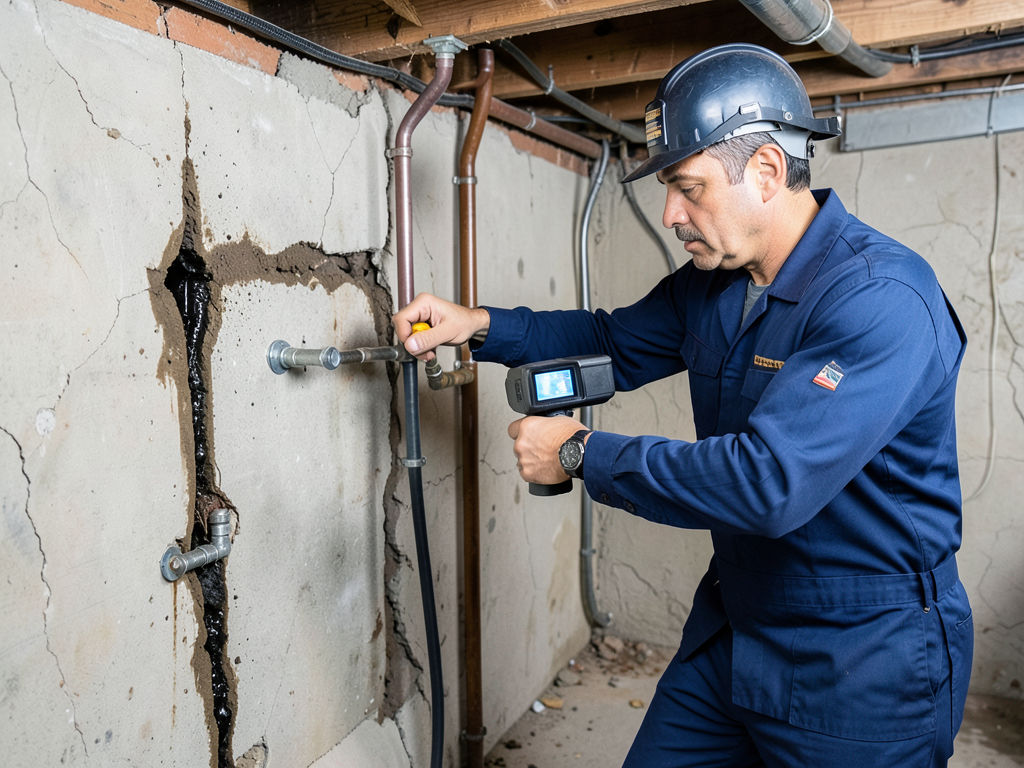
If the plastic wrap test shows moisture coming from inside, or if the water meter test indicates a leak, call a licensed plumber. In Clay, plumbers use thermal imaging cameras to find hidden leaks behind walls or under floors. Acoustic listening devices can detect the sound of water escaping from pipes.
High humidity issues may need a different approach. A hygrometer can measure relative humidity. If levels stay above 60%, a dehumidifier may be needed. Improving basement ventilation, sealing cracks, and adding a vapor barrier can also help.
Sometimes both problems exist. A small leak can raise humidity, and high humidity can make a minor leak seem worse. A professional inspection can identify all contributing factors.
Preventing Future Basement Moisture Problems
Keep gutters clean and downspouts directed at least five feet from the foundation. This reduces water pooling near basement walls. Grade soil away from the house so rain flows outward, not toward the foundation.
Check your sump pump if you have one. A failing pump can let groundwater rise into the basement. Test it by pouring water into the pit. It should turn on and pump water out quickly.
Seal visible cracks in basement walls with hydraulic cement. This stops both groundwater and small leaks. Insulate cold water pipes to prevent condensation from forming on them.
Run a dehumidifier during Alabama’s humid months. Keep indoor humidity between 30 and 50 percent. This reduces condensation and makes the basement less hospitable to mold.
Comparing Humidity vs. Leak Symptoms
| Symptom | High Humidity | Plumbing Leak |
|---|---|---|
| Smell | Musty across entire basement | Musty near leak source |
| Water appearance | Condensation on cool surfaces | Localized pooling or dripping |
| Efflorescence | White powder on walls | May be present if near leak |
| Sound | None | Dripping or running water |
| Spread pattern | Widespread | Localized to one area |
Local Building Considerations in Clay
Clay’s homes often sit on slab foundations with crawl spaces or partial basements. Many were built before modern vapor barriers were required. This makes them more vulnerable to moisture intrusion.
The International Plumbing Code, adopted in Alabama, requires proper drainage and waterproofing for basements. If your home is older, it may not meet current standards. A professional can assess whether upgrades are needed. International Plumbing Code with Alabama amendments.
Clay’s location in Jefferson County means it falls under local amendments to the Alabama Plumbers and Gas Fitters Examining Board regulations. Any repair work must follow these codes to ensure safety and prevent future problems. EPA guide on moisture and mold.
Frequently Asked Questions
Can a small leak raise basement humidity enough to look like condensation?
Yes. Even a slow drip adds moisture to the air. Over time, this can raise humidity and cause condensation on walls and pipes. The plastic wrap test helps tell the difference.
How much does professional leak detection cost in Clay?
Prices vary by job complexity. Simple tests may cost around $150. Thermal imaging or acoustic detection for hidden leaks can range from $300 to $600. Some plumbers offer free inspections if repairs are needed.
Will a dehumidifier fix a plumbing leak?
No. A dehumidifier only removes moisture from the air. It does not repair broken pipes or stop water from entering through cracks. Fixing the source is necessary before humidity control helps.
How often should I test my basement for moisture?
Check after heavy rains and during peak summer humidity. If you notice new dampness, run the plastic wrap test. Early detection prevents bigger problems.
Does homeowners insurance cover basement leaks?
Sudden pipe bursts are often covered. Gradual leaks from corrosion or poor maintenance usually are not. Check your policy and ask your agent for details. What to Do Immediately When a Pipe Bursts in Your Birmingham Home.

[IMAGE_PLACEHOLDER_3>
Take Action Today
Basement moisture is not something to ignore. Whether it is high humidity or a plumbing leak, the problem will get worse over time. Efflorescence, mold, and structural damage can follow if left untreated.
Start with the plastic wrap test. If you are unsure or the problem persists, call a licensed plumber. In Clay, Fortress Plumbing has served the area for years with honest assessments and lasting repairs.
Pick up the phone and call (659) 234-8600 before the next storm hits. A quick inspection now can save you thousands in repairs later. Don’t let a small leak turn into a flooded basement.
You may also find this helpful. How to Tell if That Alabaster Backyard Wet Spot is a Sewer Leak or Just Rain Runoff.
You may also find this helpful. How to Choose a Sump Pump Capacity That Can Handle North Alabama Storms.
{
“@context”: “https://schema.org”,
“@type”: “BlogPosting”,
“headline”: “Is Your Damp Clay Basement Caused by a Plumbing Leak or Just High Humidity”,
“description”: “Diagnose basement moisture in Clay, AL. Learn to tell if humidity or a plumbing leak causes your damp basement using the 24-hour plastic wrap test.”,
“wordCount”: 1376,
“datePublished”: “2026-04-14T09:31:00.000Z”,
“dateModified”: “2026-04-14T09:31:00.000Z”,
“inLanguage”: “en-US”,
“mainEntityOfPage”: {
“@type”: “WebPage”,
“@id”: “https://fortressplumbingbirmingham.com”
},
“publisher”: {
“@type”: “LocalBusiness”,
“name”: “Fortress Plumbing Birmingham”,
“url”: “https://fortressplumbingbirmingham.com”
},
“author”: {
“@type”: “Organization”,
“name”: “Fortress Plumbing Birmingham”,
“url”: “https://fortressplumbingbirmingham.com”
},
“image”: {
“@type”: “ImageObject”,
“url”: “https://fortressplumbingbirmingham.com/wp-content/uploads/2026/03/is-your-damp-clay-basement-caused-by-a-plumbing-le-1.png”
}
}
{
“@context”: “https://schema.org”,
“@type”: “Plumber”,
“name”: “Fortress Plumbing Birmingham”,
“url”: “https://fortressplumbingbirmingham.com”,
“address”: {
“@type”: “PostalAddress”,
“addressLocality”: “Birmingham”
},
“areaServed”: {
“@type”: “City”,
“name”: “Birmingham”
}
}
{
“@context”: “https://schema.org”,
“@type”: “FAQPage”,
“mainEntity”: [
{
“@type”: “Question”,
“name”: “Can a small leak raise basement humidity enough to look like condensation?”,
“acceptedAnswer”: {
“@type”: “Answer”,
“text”: “Yes. Even a slow drip adds moisture to the air. Over time, this can raise humidity and cause condensation on walls and pipes. The plastic wrap test helps tell the difference.”
}
},
{
“@type”: “Question”,
“name”: “How much does professional leak detection cost in Clay?”,
“acceptedAnswer”: {
“@type”: “Answer”,
“text”: “Prices vary by job complexity. Simple tests may cost around $150. Thermal imaging or acoustic detection for hidden leaks can range from $300 to $600. Some plumbers offer free inspections if repairs are needed.”
}
},
{
“@type”: “Question”,
“name”: “Will a dehumidifier fix a plumbing leak?”,
“acceptedAnswer”: {
“@type”: “Answer”,
“text”: “No. A dehumidifier only removes moisture from the air. It does not repair broken pipes or stop water from entering through cracks. Fixing the source is necessary before humidity control helps.”
}
},
{
“@type”: “Question”,
“name”: “How often should I test my basement for moisture?”,
“acceptedAnswer”: {
“@type”: “Answer”,
“text”: “Check after heavy rains and during peak summer humidity. If you notice new dampness, run the plastic wrap test. Early detection prevents bigger problems.”
}
},
{
“@type”: “Question”,
“name”: “Does homeowners insurance cover basement leaks?”,
“acceptedAnswer”: {
“@type”: “Answer”,
“text”: “Sudden pipe bursts are often covered. Gradual leaks from corrosion or poor maintenance usually are not. Check your policy and ask your agent for details. What to Do Immediately When a Pipe Bursts in Your Birmingham Home.”
}
}
]
}
{
“@context”: “https://schema.org”,
“@type”: “BreadcrumbList”,
“itemListElement”: [
{
“@type”: “ListItem”,
“position”: 1,
“name”: “Home”,
“item”: “https://fortressplumbingbirmingham.com”
},
{
“@type”: “ListItem”,
“position”: 2,
“name”: “Blog”,
“item”: “https://fortressplumbingbirmingham.com/blog”
},
{
“@type”: “ListItem”,
“position”: 3,
“name”: “Is Your Damp Clay Basement Caused by a Plumbing Leak or Just High Humidity”
}
]
}
{
“@context”: “https://schema.org”,
“@type”: “Service”,
“serviceType”: “Plumbing”,
“provider”: {
“@type”: “LocalBusiness”,
“name”: “Fortress Plumbing Birmingham”,
“url”: “https://fortressplumbingbirmingham.com”
},
“areaServed”: {
“@type”: “City”,
“name”: “Birmingham”
},
“description”: “Diagnose basement moisture in Clay, AL. Learn to tell if humidity or a plumbing leak causes your damp basement using the 24-hour plastic wrap test.”
}