Comparing Cast Iron vs PVC Sewer Lines for Your Historic Forest Park Property
Choosing between cast iron and PVC sewer lines for your Forest Park home requires understanding how Birmingham’s unique soil conditions and historic architecture affect each material. Many Forest Park properties built before 1970 still rely on original cast iron pipes that are nearing the end of their service life. This guide breaks down the key differences to help you make an informed decision before your next sewer repair or replacement.
Understanding Cast Iron Sewer Pipes in Birmingham
Cast iron sewer pipes dominated residential plumbing installations from the early 1900s through the 1970s. These pipes offer exceptional durability when properly installed and maintained. In Birmingham’s humid climate, cast iron pipes typically last 50 to 100 years depending on soil conditions and water chemistry. Plumbing Mountain Brook.
Cast iron’s primary advantage lies in its sound-dampening properties. Water flowing through cast iron produces minimal noise compared to PVC, making it ideal for multi-story homes where bathrooms sit directly above living spaces. The material also withstands high temperatures and resists damage from certain chemicals that can degrade plastic pipes.
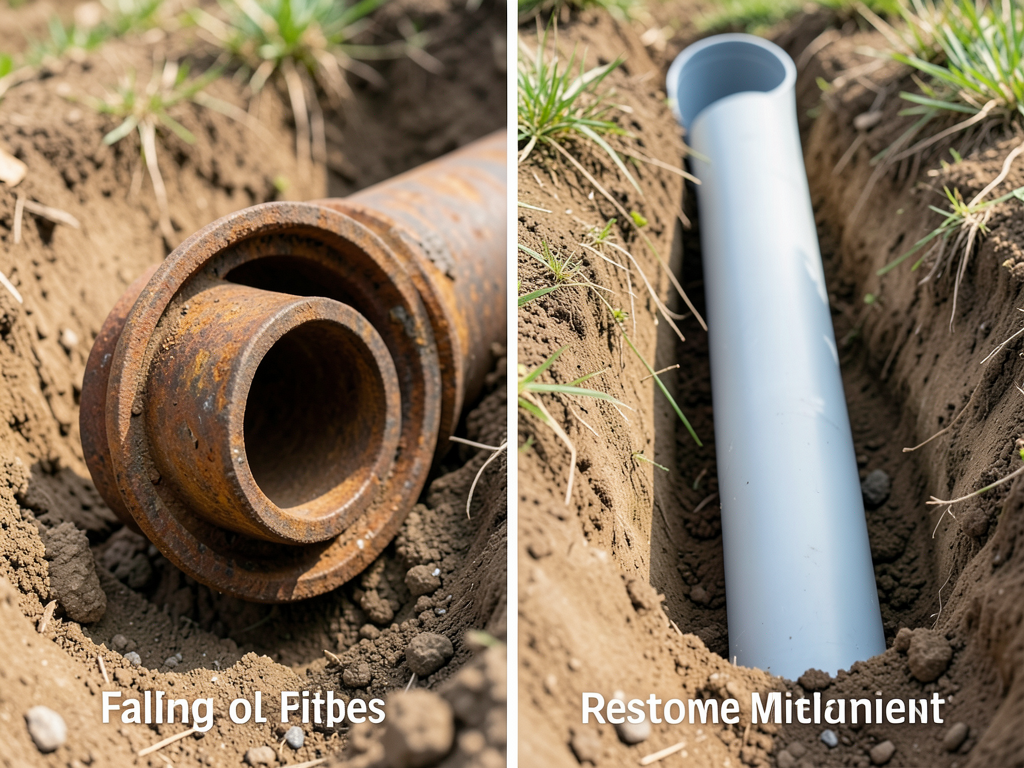
However, Birmingham’s iron-rich red clay soil creates a challenging environment for cast iron. The acidic nature of our soil accelerates corrosion through a process called graphitization, where the iron gradually converts to graphite. This leaves behind a brittle, porous structure that eventually fails.
Technical Note: According to the International Plumbing Code (IPC) Section 702.3, cast iron soil pipe must meet ASTM A74 standards for cast iron pipe and fittings. Birmingham plumbers must verify compliance with these specifications during inspections.
PVC Sewer Pipes: The Modern Standard
Polyvinyl chloride (PVC) sewer pipes have become the industry standard since the 1970s due to their corrosion resistance and lower installation costs. Schedule 40 PVC meets ASTM D2665 specifications for sewer and drain applications, providing reliable performance in Birmingham’s climate. ASTM A74 Cast Iron Pipe Standard.
PVC’s resistance to Birmingham’s acidic soil makes it particularly suitable for our region. The material doesn’t corrode, rust, or degrade when exposed to the high iron content and moisture levels common in Jefferson County soil. This translates to a potential lifespan of 100+ years with minimal maintenance.
Installation costs typically run 30 to 40 percent lower than cast iron due to PVC’s lightweight nature and simple joining methods. Plumbers can complete installations faster, reducing labor costs and minimizing disruption to your property.
The primary drawback of PVC involves noise transmission. Water rushing through PVC pipes creates noticeable sound that can echo through walls and floors. Additionally, PVC’s lower temperature tolerance means it may not be suitable for certain commercial applications or homes with high-temperature waste discharge.
Head-to-Head Comparison: Cost, Durability, and Performance
| Factor | Cast Iron | PVC |
|---|---|---|
| Initial Cost | $150-200 per linear foot | $90-120 per linear foot |
| Lifespan | 50-100 years | 100+ years |
| Noise Level | Very quiet | Moderate to loud |
| Soil Resistance | Poor in acidic soil | Excellent |
| Installation Time | 2-3 days typical | 1-2 days typical |
| Weight | Heavy (23 lbs/ft) | Light (5 lbs/ft) |
Cast iron’s higher upfront cost reflects both material expenses and the additional labor required for handling and installation. A typical Forest Park home replacement might cost $8,000 to $12,000 for cast iron versus $5,000 to $8,000 for PVC covering the same linear footage.
Temperature tolerance represents another key difference. Cast iron handles continuous exposure to 180°F water without damage, while PVC begins to soften around 140°F. This matters less for typical residential use but becomes important for homes with commercial-grade appliances or specific industrial applications.
Why Birmingham’s Climate Matters for Your Pipes
Birmingham’s humid subtropical climate creates unique challenges for sewer pipe longevity. Our area receives 55 inches of annual rainfall, with summer humidity often exceeding 80 percent. These conditions accelerate corrosion in cast iron while creating expansion and contraction cycles in PVC.
Red clay soil, prevalent throughout Forest Park and surrounding Birmingham neighborhoods, contains high iron oxide content. This creates an electrochemical reaction with cast iron pipes, essentially causing them to rust from the inside out. PVC remains completely immune to this chemical attack.
Temperature fluctuations also affect pipe performance. Birmingham experiences 30 to 40 freeze-thaw cycles annually, causing soil movement that can stress pipe joints. Cast iron’s rigidity makes it more susceptible to cracking from soil movement, while PVC’s slight flexibility allows it to absorb some ground shifting.
Water table considerations matter in low-lying areas of Forest Park. During heavy rains, saturated soil increases external pressure on buried pipes. Cast iron’s greater wall thickness provides superior external pressure resistance, while PVC’s thinner walls may require additional support in high-water-table situations.. Read more about How the Heavy Clay Soil in Alabama Causes Your Underground Pipes to Shift and Break.
When to Repair vs. When to Replace
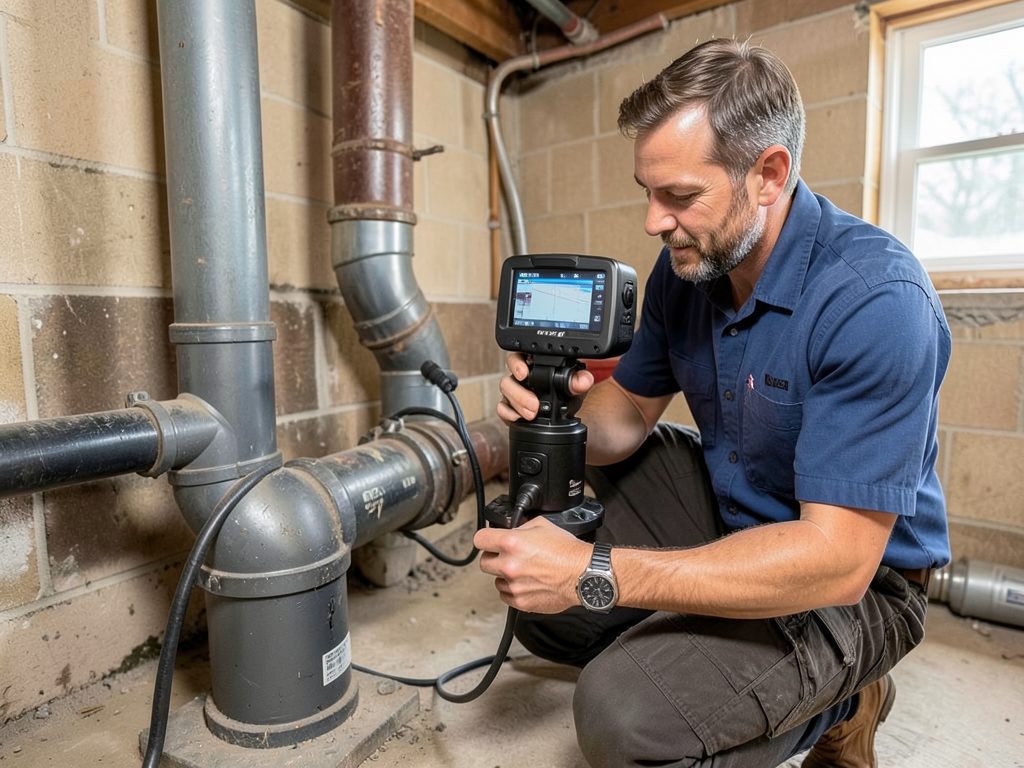
Determining whether to repair existing cast iron or replace with PVC depends on several diagnostic factors. A professional sewer camera inspection reveals the extent of deterioration and helps identify the most cost-effective solution.
Small localized damage often justifies repair. If camera inspection shows intact pipe sections with only one or two compromised joints or small cracks, spot repairs using PVC couplings can extend system life at a fraction of replacement cost. This approach typically costs $500 to $1,500 per repair location.
Widespread corrosion or multiple failure points signal replacement necessity. When camera footage reveals rust-through, significant scale buildup, or multiple offset joints, continued repairs become economically unsound. The cumulative cost of repeated repairs often exceeds single replacement investment within three to five years.
Tree root intrusion presents another consideration. Birmingham’s mature oak and maple trees send roots seeking moisture through pipe joints. Cast iron’s bell-and-spigot joints provide entry points for aggressive roots, while PVC’s solvent-welded joints create a virtually impenetrable barrier when properly installed.
Consider replacement if your home experiences frequent backups, slow drains throughout the house, or sewage odors. These symptoms often indicate systemic pipe failure rather than isolated issues requiring simple repairs.
Tree Root Resilience: PVC vs Cast Iron
Alabama’s aggressive tree species pose particular challenges for sewer lines. Water oaks, pecans, and magnolias common in Forest Park send roots extending two to three times the tree’s height in search of moisture. These roots can penetrate cast iron joints and cause significant damage.
Cast iron sewer pipes use bell-and-spigot joints sealed with rubber gaskets. Over time, these gaskets deteriorate, creating gaps that tree roots exploit. Once inside, roots expand and crack pipes, causing blockages and structural failure. Repair typically requires excavation and pipe replacement at the affected section.
PVC pipes use solvent-welded joints that create a monolithic structure when properly installed. The chemical bond formed during welding creates a joint stronger than the pipe itself, effectively blocking root penetration. This characteristic makes PVC particularly valuable in heavily wooded Birmingham neighborhoods.
Professional hydro-jetting can clear roots from cast iron pipes, but the process may damage already-compromised pipe walls. PVC’s smoother interior surface resists root attachment, and when combined with proper installation techniques, significantly reduces long-term maintenance requirements. Hydro Jetting Services.
Making the Right Choice for Your Property
Your decision between cast iron and PVC should factor in your home’s age, location, and specific circumstances. Forest Park’s historic homes built before 1970 likely contain original cast iron that has exceeded typical service life, making replacement the most prudent long-term investment.
Consider PVC if you prioritize lower initial costs, corrosion resistance in Birmingham’s soil, and minimal long-term maintenance. The material’s 100+ year potential lifespan and resistance to local soil conditions make it economically superior for most residential applications.
Cast iron may be worth considering if noise reduction is critical, you need higher temperature tolerance, or you prefer the material’s traditional appearance in visible applications. Some homeowners choose cast iron for main stacks while using PVC for underground lateral lines.
Budget constraints often drive initial decisions, but lifecycle cost analysis typically favors PVC. While cast iron costs more upfront, PVC’s longevity and minimal maintenance requirements usually result in lower total ownership costs over a 50-year period.
Local building codes in Birmingham and Jefferson County generally permit both materials for residential sewer applications, though specific requirements may apply based on pipe diameter and installation depth. Always verify compliance with local inspectors before beginning work.
Professional installation quality matters more than material choice. Improper installation can compromise either material’s performance. Choose licensed plumbers familiar with Birmingham’s specific soil and climate conditions to ensure optimal results regardless of your material selection.
Frequently Asked Questions
How long does cast iron sewer pipe last in Birmingham soil?
Cast iron sewer pipe typically lasts 50 to 100 years in Birmingham’s acidic red clay soil. Factors affecting lifespan include soil pH, moisture levels, and whether the pipes were properly installed with adequate bedding material. Many Forest Park homes built in the 1950s and 1960s are now experiencing cast iron failures.
Can I mix cast iron and PVC pipes in the same system?
Yes, cast iron and PVC can be connected using transition couplings specifically designed for this purpose. These rubber-sealed couplings accommodate the different outside diameters and provide a watertight connection. This approach allows homeowners to replace failing sections with PVC while maintaining existing cast iron where it remains sound.
What are the signs my sewer line needs replacement?
Signs include frequent drain backups, sewage odors in your yard or home, lush patches of grass over the sewer line, foundation cracks near the line, and multiple slow drains throughout your home. If you notice any of these symptoms, schedule a professional camera inspection immediately. What to Do Immediately When a Pipe Bursts in Your Birmingham Home.
Is PVC safe for drinking water after sewer use?
PVC used for sewer applications is different from PVC used for potable water. Sewer-grade PVC contains no plasticizers or additives that could leach into groundwater. The material is chemically inert and safe for its intended purpose of waste conveyance. Always use the correct PVC schedule for your specific application.
How much does sewer line replacement cost in Birmingham?
Sewer line replacement in Birmingham typically costs $5,000 to $15,000 depending on length, depth, and material choice. Cast iron replacement runs $8,000 to $12,000 for typical residential installations, while PVC replacement costs $5,000 to $8,000. Factors like tree removal, concrete cutting, and street restoration can increase costs significantly.
- Schedule Professional Inspection
Have a licensed plumber perform a camera inspection to assess your current pipe condition and identify specific issues requiring attention.
- Evaluate Local Conditions
Consider your property’s soil type, tree coverage, and proximity to water features that might affect pipe longevity and performance.
- Calculate Lifecycle Costs
Compare initial installation costs against expected maintenance and replacement intervals over a 50-year period to determine true long-term value.
- Check Local Codes
Verify that your material choice complies with Birmingham and Jefferson County plumbing codes, which may have specific requirements for your situation. Plumbing Financing Options.
- Obtain Multiple Quotes
Get detailed estimates from licensed plumbers who understand Birmingham’s specific soil and climate challenges affecting sewer line performance.
Protect Your Home with the Right Sewer Solution
Making the right choice between cast iron and PVC sewer lines protects your Forest Park home from costly water damage and ensures reliable waste removal for decades. While cast iron offers superior noise reduction and temperature tolerance, PVC’s corrosion resistance and lower cost make it the smarter choice for most Birmingham properties. Finding a Reliable Emergency Plumber in Hoover Without Getting Overcharged.
Don’t wait until sewage backs up into your home or yard. The humid Alabama climate and acidic red clay soil create perfect conditions for cast iron pipe failure in historic neighborhoods like Forest Park. A professional inspection today can prevent emergency repairs tomorrow.
Call (659) 234-8600 today to schedule your comprehensive sewer line inspection. Our Birmingham-based team understands the unique challenges our local soil and climate create for sewer systems. We’ll provide honest recommendations based on your specific situation, not sales pressure.
Pick up the phone and call (659) 234-8600 before the next heavy rain hits. Our licensed plumbers are ready to help you make the right choice for your home’s long-term protection. For more information, visit ASTM D2665 PVC Sewer Pipe Standard.
{
“@context”: “https://schema.org”,
“@type”: “BlogPosting”,
“headline”: “Comparing Cast Iron vs PVC Sewer Lines for Your Historic Forest Park Property”,
“description”: “Choosing between cast iron and PVC sewer lines for your Forest Park home? Learn the pros, cons, and Birmingham-specific factors to make the right decision.”,
“wordCount”: 1995,
“datePublished”: “2026-04-30T07:45:00.000Z”,
“dateModified”: “2026-04-30T07:45:00.000Z”,
“inLanguage”: “en-US”,
“mainEntityOfPage”: {
“@type”: “WebPage”,
“@id”: “https://fortressplumbingbirmingham.com”
},
“publisher”: {
“@type”: “LocalBusiness”,
“name”: “Fortress Plumbing Birmingham”,
“url”: “https://fortressplumbingbirmingham.com”
},
“author”: {
“@type”: “Organization”,
“name”: “Fortress Plumbing Birmingham”,
“url”: “https://fortressplumbingbirmingham.com”
},
“image”: {
“@type”: “ImageObject”,
“url”: “https://fortressplumbingbirmingham.com/wp-content/uploads/2026/03/comparing-cast-iron-vs-pvc-sewer-lines-for-your-hi-1.png”
}
}
{
“@context”: “https://schema.org”,
“@type”: “Plumber”,
“name”: “Fortress Plumbing Birmingham”,
“url”: “https://fortressplumbingbirmingham.com”,
“address”: {
“@type”: “PostalAddress”,
“addressLocality”: “Birmingham”
},
“areaServed”: {
“@type”: “City”,
“name”: “Birmingham”
}
}
{
“@context”: “https://schema.org”,
“@type”: “FAQPage”,
“mainEntity”: [
{
“@type”: “Question”,
“name”: “How long does cast iron sewer pipe last in Birmingham soil?”,
“acceptedAnswer”: {
“@type”: “Answer”,
“text”: “Cast iron sewer pipe typically lasts 50 to 100 years in Birmingham’s acidic red clay soil. Factors affecting lifespan include soil pH, moisture levels, and whether the pipes were properly installed with adequate bedding material. Many Forest Park homes built in the 1950s and 1960s are now experiencing cast iron failures.”
}
},
{
“@type”: “Question”,
“name”: “Can I mix cast iron and PVC pipes in the same system?”,
“acceptedAnswer”: {
“@type”: “Answer”,
“text”: “Yes, cast iron and PVC can be connected using transition couplings specifically designed for this purpose. These rubber-sealed couplings accommodate the different outside diameters and provide a watertight connection. This approach allows homeowners to replace failing sections with PVC while maintaining existing cast iron where it remains sound.”
}
},
{
“@type”: “Question”,
“name”: “What are the signs my sewer line needs replacement?”,
“acceptedAnswer”: {
“@type”: “Answer”,
“text”: “Signs include frequent drain backups, sewage odors in your yard or home, lush patches of grass over the sewer line, foundation cracks near the line, and multiple slow drains throughout your home. If you notice any of these symptoms, schedule a professional camera inspection immediately. What to Do Immediately When a Pipe Bursts in Your Birmingham Home.”
}
},
{
“@type”: “Question”,
“name”: “Is PVC safe for drinking water after sewer use?”,
“acceptedAnswer”: {
“@type”: “Answer”,
“text”: “PVC used for sewer applications is different from PVC used for potable water. Sewer-grade PVC contains no plasticizers or additives that could leach into groundwater. The material is chemically inert and safe for its intended purpose of waste conveyance. Always use the correct PVC schedule for your specific application.”
}
},
{
“@type”: “Question”,
“name”: “How much does sewer line replacement cost in Birmingham?”,
“acceptedAnswer”: {
“@type”: “Answer”,
“text”: “Sewer line replacement in Birmingham typically costs $5,000 to $15,000 depending on length, depth, and material choice. Cast iron replacement runs $8,000 to $12,000 for typical residential installations, while PVC replacement costs $5,000 to $8,000. Factors like tree removal, concrete cutting, and street restoration can increase costs significantly.”
}
}
]
}
{
“@context”: “https://schema.org”,
“@type”: “HowTo”,
“name”: “How to Choose Between Cast Iron and PVC”,
“step”: [
{
“@type”: “HowToStep”,
“position”: 1,
“name”: “Schedule Professional Inspection”,
“text”: “Have a licensed plumber perform a camera inspection to assess your current pipe condition and identify specific issues requiring attention.”
},
{
“@type”: “HowToStep”,
“position”: 2,
“name”: “Evaluate Local Conditions”,
“text”: “Consider your property’s soil type, tree coverage, and proximity to water features that might affect pipe longevity and performance.”
},
{
“@type”: “HowToStep”,
“position”: 3,
“name”: “Calculate Lifecycle Costs”,
“text”: “Compare initial installation costs against expected maintenance and replacement intervals over a 50-year period to determine true long-term value.”
},
{
“@type”: “HowToStep”,
“position”: 4,
“name”: “Check Local Codes”,
“text”: “Verify that your material choice complies with Birmingham and Jefferson County plumbing codes, which may have specific requirements for your situation. Plumbing Financing Options.”
},
{
“@type”: “HowToStep”,
“position”: 5,
“name”: “Obtain Multiple Quotes”,
“text”: “Get detailed estimates from licensed plumbers who understand Birmingham’s specific soil and climate challenges affecting sewer line performance.”
}
],
“image”: “https://fortressplumbingbirmingham.com/wp-content/uploads/2026/03/comparing-cast-iron-vs-pvc-sewer-lines-for-your-hi-1.png”
}
{
“@context”: “https://schema.org”,
“@type”: “BreadcrumbList”,
“itemListElement”: [
{
“@type”: “ListItem”,
“position”: 1,
“name”: “Home”,
“item”: “https://fortressplumbingbirmingham.com”
},
{
“@type”: “ListItem”,
“position”: 2,
“name”: “Blog”,
“item”: “https://fortressplumbingbirmingham.com/blog”
},
{
“@type”: “ListItem”,
“position”: 3,
“name”: “Comparing Cast Iron vs PVC Sewer Lines for Your Historic Forest Park Property”
}
]
}
{
“@context”: “https://schema.org”,
“@type”: “Service”,
“serviceType”: “Plumbing”,
“provider”: {
“@type”: “LocalBusiness”,
“name”: “Fortress Plumbing Birmingham”,
“url”: “https://fortressplumbingbirmingham.com”
},
“areaServed”: {
“@type”: “City”,
“name”: “Birmingham”
},
“description”: “Choosing between cast iron and PVC sewer lines for your Forest Park home? Learn the pros, cons, and Birmingham-specific factors to make the right decision.”
}