How to Run Plumbing to a New Backyard Guest House in Mountain Brook
Running plumbing to a new backyard guest house in Mountain Brook requires careful planning to ensure code compliance, efficient water delivery, and long-term reliability. Whether you’re building a pool house, in-law suite, or rental unit, the process involves connecting to your main water supply, installing proper drainage, and meeting Alabama plumbing regulations. This guide walks you through the essential steps, materials, and considerations for a successful installation. Plumbing Mountain Brook.
Planning Your Guest House Plumbing Layout
Before breaking ground, create a detailed plumbing plan that shows fixture locations, pipe routing, and connection points. Mountain Brook homes often sit on sloped lots with mature trees, so you’ll need to account for root intrusion and soil movement when trenching. A typical guest house requires hot and cold water lines, a main drain line, vent stacks, and possibly a separate water meter depending on local regulations. Plumbing Financing Options.
Work with a licensed plumber to determine if your existing water main can handle the additional load. Mountain Brook’s water pressure typically ranges from 40-60 psi, which may require a pressure booster pump for adequate flow to distant structures. Consider the seasonal use of your guest house—if it’s primarily for summer guests, you might install freeze-proof fixtures and insulation to protect against occasional winter freezes.
Permits and Code Requirements
Alabama requires permits for all new plumbing installations. Contact the Jefferson County Health Department and the City of Mountain Brook Building Department to obtain the necessary approvals. The International Plumbing Code (IPC) applies in Mountain Brook with local amendments, and all work must comply with Alabama Plumbers and Gas Fitters Examining Board regulations. Jefferson County Health Department.
Key code requirements include minimum pipe sizes (3/4-inch supply lines for most fixtures), proper venting to prevent trap siphoning, and backflow prevention devices where needed. Mountain Brook’s building codes also require frost protection for pipes buried less than 12 inches deep, which is crucial given the area’s occasional hard freezes. Your plumber should provide detailed drawings showing compliance with these standards.. Read more about Comparing How PEX and Copper Pipes Handle a Hard Freeze in North Shelby County.
Water Supply Installation
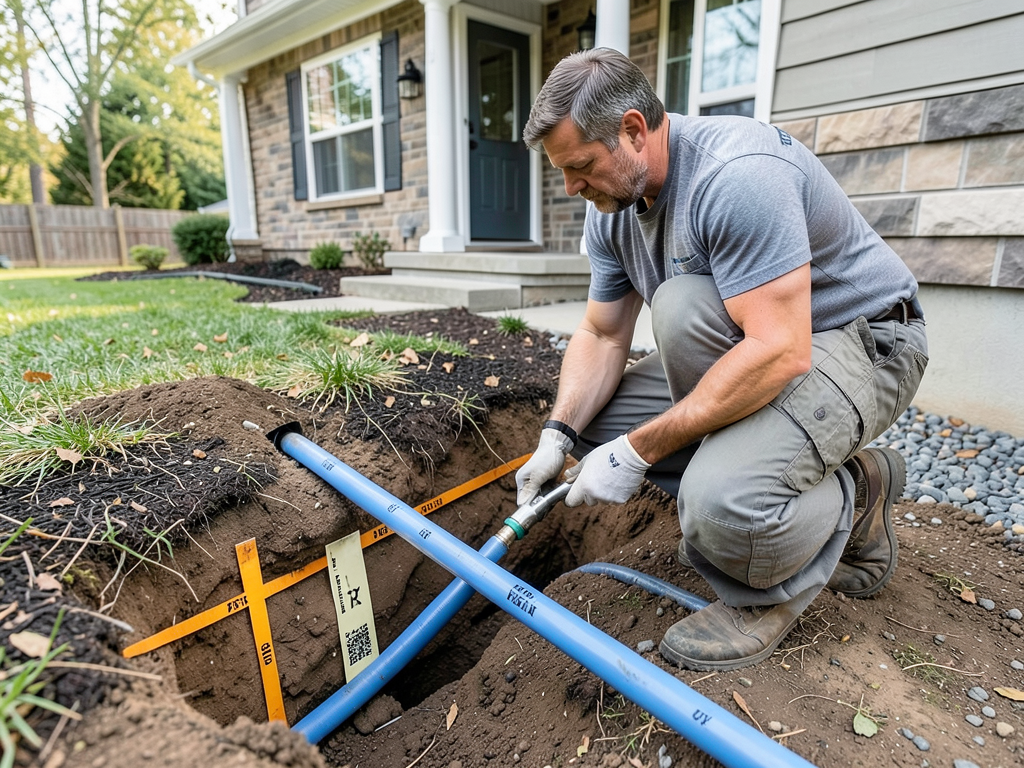
Running new water supply lines from your main house to the guest house typically involves trenching a 24-36 inch deep path to protect pipes from soil movement and temperature fluctuations. Use type L copper or PEX piping for the main runs—copper resists tree root intrusion while PEX handles soil movement better. Install a shut-off valve at both the main house and guest house for emergency isolation.
For Mountain Brook properties with clay soil, consider using PVC conduit sleeves around supply lines to prevent shifting. The high iron content in local water can cause mineral buildup, so install a whole-house filter at the guest house connection point. If your guest house includes a washing machine or dishwasher, install hammer arrestors to prevent water hammer damage to pipes.. Read more about Managing the Connection Between Your Home Plumbing and Irrigation System in Vestavia Hills.
Drainage and Waste Systems
Proper drainage requires sloping pipes at 1/4 inch per foot toward the main sewer connection. Mountain Brook’s sewer system connects to Jefferson County Environmental Services, which has specific requirements for lateral connections. You’ll need to install a cleanout every 100 feet and at direction changes to facilitate future maintenance.
For guest houses with bathrooms, install a 3-4 inch main drain line using PVC Schedule 40 pipe. Include a P-trap for each fixture to prevent sewer gases from entering the structure. If your guest house is lower than the main house sewer line, you may need a sewage ejector pump to lift waste to the proper elevation. These pumps require a separate electrical circuit and alarm system to alert you of failures.
Ventilation Requirements
Every drain needs proper venting to maintain trap seals and prevent gurgling. Run vent pipes through the roof, keeping them at least 6 inches above the roofline and 10 feet from any windows. In Mountain Brook’s wooded areas, use critter screens on vent stacks to prevent animals from nesting inside.
For complex guest house layouts, consider an air admittance valve (AAV) as a secondary vent option. These one-way valves allow air into the system without requiring roof penetration, though they must be accessible for replacement every 5-7 years. Check local codes, as some areas restrict AAV use in certain applications.. Read more about How to Add a Second Laundry Room to Your Second Floor in Homewood.
Hot Water System Options
Decide between extending your main house’s water heater or installing a separate unit for the guest house. For occasional use, a tankless electric water heater provides instant hot water without standby heat loss. For frequent use, a 40-50 gallon gas or electric tank heater offers better flow rates for multiple fixtures. Is Switching to a Tankless Water Heater Worth It for Your Vestavia Hills Home?.
Consider a recirculating pump if the guest house is far from the main house heater to eliminate wait times for hot water. These systems use a dedicated return line and timer to keep hot water circulating. In Mountain Brook’s variable climate, insulate all hot water pipes to prevent heat loss and freezing.
Fixture Installation and Finishing
Choose fixtures rated for the expected usage frequency. For rental guest houses, install commercial-grade fixtures with ceramic disc valves that resist wear. In Mountain Brook’s hard water areas, select fixtures with rubber nozzles that resist mineral buildup. Install pressure-balancing shower valves to prevent scalding when other fixtures are used.
Complete the rough-in plumbing before pouring slabs or installing walls. Pressure-test all supply lines at 80-100 psi for 15 minutes to check for leaks. Once walls are closed, install access panels at key points like tub/shower valves and cleanouts for future maintenance.
Winterization and Freeze Protection
Mountain Brook experiences occasional hard freezes that can burst pipes. Install frost-proof hose bibs on exterior walls and insulate all exposed pipes in crawl spaces or attics. For guest houses used seasonally, install a main shut-off valve that drains the entire system when closed.
Consider heat tape on vulnerable pipes in unheated areas. Modern heat tape includes thermostats that activate only when temperatures drop near freezing, reducing energy costs. For extreme protection, install a temperature sensor that automatically shuts off the main water supply if indoor temperatures fall below 40°F.
Final Inspection and Testing
After installation, schedule a final inspection with Mountain Brook’s building department. The inspector will check for proper permits, code compliance, and functional operation. Test all fixtures, check for leaks under pressure, and verify that drain lines flow properly.
Document your installation with photos and keep all permits and inspection reports. This documentation proves compliance if you sell your property or need warranty service. Consider a professional plumbing inspection annually to catch small issues before they become major problems.
Cost Considerations
Plumbing a new guest house in Mountain Brook typically costs $8,000-$15,000 depending on distance from the main house, number of fixtures, and soil conditions. Factors that increase costs include rocky soil requiring excavation equipment, extensive trenching through tree roots, or the need for sewage pumps.
Factor in additional costs for permits ($200-$500), inspections ($100-$300), and potential landscaping repairs after trenching. While DIY installation might seem cost-effective, improper plumbing can lead to expensive repairs and code violations that far exceed professional installation costs.
Maintenance Tips for Guest House Plumbing
After installation, maintain your guest house plumbing with regular checks. Inspect supply lines quarterly for leaks, clean faucet aerators annually to remove mineral buildup, and flush the water heater every six months to prevent sediment accumulation.
For Mountain Brook’s clay soil conditions, monitor for foundation movement that could stress pipes. Install water leak detectors near major fixtures to catch problems early. If your guest house sits unused for long periods, run water through all fixtures weekly to prevent P-trap evaporation and sewer gas entry.
Common Mistakes to Avoid
Avoid these frequent errors when plumbing your guest house: using undersized pipes that cause pressure drops, forgetting to install cleanouts for future maintenance, neglecting proper venting that leads to slow drains, and failing to insulate pipes in unheated areas.
Don’t skip the permit process—unpermitted work can void your homeowner’s insurance and complicate future sales. Avoid cheap materials that fail prematurely in Mountain Brook’s climate. Finally, don’t underestimate the importance of proper slope in drain lines, which must be precise to function correctly.. Read more about The Process of Converting from a Septic Tank to City Sewer in Trussville.
Emergency Preparation
Install a main shut-off valve at the guest house connection point that can isolate the entire system quickly. Keep the contact information for a licensed Mountain Brook plumber readily available. Consider installing an automatic water shut-off valve that detects unusual flow patterns and can prevent major damage.
For rental properties, provide guests with clear instructions on what to do if they discover a leak. Include emergency contact numbers and the location of the main shut-off valve. Consider a smart water monitoring system that alerts you to unusual usage patterns that might indicate leaks.
Environmental Considerations
Install low-flow fixtures to conserve water and reduce utility costs. Choose WaterSense certified toilets, faucets, and showerheads that use 20% less water without sacrificing performance. Consider a greywater system to reuse sink and shower water for irrigation, which is permitted in Mountain Brook with proper permits.
For Mountain Brook’s occasional drought conditions, install a rainwater collection system to supplement irrigation needs. Use PEX piping, which requires less energy to manufacture than copper and has a lower environmental impact over its lifetime.
Future Expansion Planning
When installing plumbing, consider potential future needs. Run larger supply lines than currently required to accommodate possible additions. Install extra conduit under slabs for future electrical or plumbing runs. Plan for possible outdoor kitchens, hot tubs, or additional bathrooms that might be added later.
Document all pipe locations and depths with a site plan. This information proves invaluable for future landscaping, foundation work, or additions. Consider installing a manifold system that allows you to isolate individual fixtures without shutting down the entire guest house.
Professional vs DIY Considerations
While some aspects of guest house plumbing might seem manageable for DIY, professional installation offers significant advantages. Licensed plumbers understand local codes, can identify potential problems before they occur, and provide warranties on their work. They also have the proper tools and insurance to handle unexpected issues.
DIY plumbing risks include code violations, improper connections that cause leaks, and voided insurance coverage. If you do tackle some aspects yourself, hire a professional for the final inspection and connection to the main house system to ensure everything meets code requirements.
Choosing the Right Plumber
Select a plumber with experience in guest house installations and knowledge of Mountain Brook’s specific requirements. Look for Alabama state licensing, proper insurance, and positive local references. Ask about their experience with similar projects and their familiarity with Jefferson County’s permitting process.
Get detailed written estimates that include all costs—permits, materials, labor, and cleanup. A reputable plumber will explain their process, provide a timeline, and stand behind their work with a warranty. Check online reviews and ask for references from recent guest house projects in the area.
Final Thoughts
Running plumbing to a new backyard guest house in Mountain Brook requires careful planning, proper permits, and quality installation. By following these guidelines and working with experienced professionals, you can create a comfortable, code-compliant space that adds value to your property.
Remember that good plumbing is invisible when it works correctly but becomes immediately apparent when problems arise. Invest in quality materials and professional installation to ensure your guest house remains a comfortable retreat for years to come. What to Do Immediately When a Pipe Bursts in Your Birmingham Home.
Frequently Asked Questions
How long does it take to run plumbing to a new guest house?
Most guest house plumbing installations take 3-7 days for the rough-in work, plus additional time for fixture installation and final inspection. Weather, soil conditions, and permit processing can extend this timeline.
Do I need a separate water meter for my guest house?
This depends on local regulations and your intended use. Rental properties often require separate meters for billing purposes. Check with Mountain Brook utilities about their specific requirements for accessory dwelling units.
What’s the best pipe material for guest house plumbing?
PEX offers flexibility and freeze resistance, making it ideal for guest houses. Type L copper provides durability and resists root intrusion. Your choice depends on local soil conditions, budget, and specific application requirements.
How much slope do drain pipes need?
Drain pipes require a minimum slope of 1/4 inch per foot and a maximum of 3 inches per foot. Proper slope ensures waste flows without clogging while preventing water from moving too quickly and leaving solids behind.
Can I install plumbing myself or do I need a licensed plumber?
Alabama requires licensed plumbers for most plumbing work, especially work that connects to public water or sewer systems. DIY installation risks code violations, leaks, and potential insurance issues. Always check local requirements before starting work. For more information, visit City of Mountain Brook Building Department.
{
“@context”: “https://schema.org”,
“@type”: “BlogPosting”,
“headline”: “How to Run Plumbing to a New Backyard Guest House in Mountain Brook”,
“description”: “Learn how to run plumbing to a new backyard guest house in Mountain Brook with expert guidance on permits, materials, and installation from Fortress Plumbing.”,
“wordCount”: 2133,
“datePublished”: “2026-05-17T07:57:00.000Z”,
“dateModified”: “2026-05-17T07:57:00.000Z”,
“inLanguage”: “en-US”,
“mainEntityOfPage”: {
“@type”: “WebPage”,
“@id”: “https://fortressplumbingbirmingham.com”
},
“publisher”: {
“@type”: “LocalBusiness”,
“name”: “Fortress Plumbing Birmingham”,
“url”: “https://fortressplumbingbirmingham.com”
},
“author”: {
“@type”: “Organization”,
“name”: “Fortress Plumbing Birmingham”,
“url”: “https://fortressplumbingbirmingham.com”
},
“image”: {
“@type”: “ImageObject”,
“url”: “https://fortressplumbingbirmingham.com/wp-content/uploads/2026/03/how-to-run-plumbing-to-a-new-backyard-guest-house-1.png”
}
}
{
“@context”: “https://schema.org”,
“@type”: “Plumber”,
“name”: “Fortress Plumbing Birmingham”,
“url”: “https://fortressplumbingbirmingham.com”,
“address”: {
“@type”: “PostalAddress”,
“addressLocality”: “Birmingham”
},
“areaServed”: {
“@type”: “City”,
“name”: “Birmingham”
}
}
{
“@context”: “https://schema.org”,
“@type”: “FAQPage”,
“mainEntity”: [
{
“@type”: “Question”,
“name”: “How long does it take to run plumbing to a new guest house?”,
“acceptedAnswer”: {
“@type”: “Answer”,
“text”: “Most guest house plumbing installations take 3-7 days for the rough-in work, plus additional time for fixture installation and final inspection. Weather, soil conditions, and permit processing can extend this timeline.”
}
},
{
“@type”: “Question”,
“name”: “Do I need a separate water meter for my guest house?”,
“acceptedAnswer”: {
“@type”: “Answer”,
“text”: “This depends on local regulations and your intended use. Rental properties often require separate meters for billing purposes. Check with Mountain Brook utilities about their specific requirements for accessory dwelling units.”
}
},
{
“@type”: “Question”,
“name”: “What’s the best pipe material for guest house plumbing?”,
“acceptedAnswer”: {
“@type”: “Answer”,
“text”: “PEX offers flexibility and freeze resistance, making it ideal for guest houses. Type L copper provides durability and resists root intrusion. Your choice depends on local soil conditions, budget, and specific application requirements.”
}
},
{
“@type”: “Question”,
“name”: “How much slope do drain pipes need?”,
“acceptedAnswer”: {
“@type”: “Answer”,
“text”: “Drain pipes require a minimum slope of 1/4 inch per foot and a maximum of 3 inches per foot. Proper slope ensures waste flows without clogging while preventing water from moving too quickly and leaving solids behind.”
}
},
{
“@type”: “Question”,
“name”: “Can I install plumbing myself or do I need a licensed plumber?”,
“acceptedAnswer”: {
“@type”: “Answer”,
“text”: “Alabama requires licensed plumbers for most plumbing work, especially work that connects to public water or sewer systems. DIY installation risks code violations, leaks, and potential insurance issues. Always check local requirements before starting work. For more information, visit City of Mountain Brook Building Department.”
}
}
]
}
{
“@context”: “https://schema.org”,
“@type”: “BreadcrumbList”,
“itemListElement”: [
{
“@type”: “ListItem”,
“position”: 1,
“name”: “Home”,
“item”: “https://fortressplumbingbirmingham.com”
},
{
“@type”: “ListItem”,
“position”: 2,
“name”: “Blog”,
“item”: “https://fortressplumbingbirmingham.com/blog”
},
{
“@type”: “ListItem”,
“position”: 3,
“name”: “How to Run Plumbing to a New Backyard Guest House in Mountain Brook”
}
]
}
{
“@context”: “https://schema.org”,
“@type”: “Service”,
“serviceType”: “Plumbing”,
“provider”: {
“@type”: “LocalBusiness”,
“name”: “Fortress Plumbing Birmingham”,
“url”: “https://fortressplumbingbirmingham.com”
},
“areaServed”: {
“@type”: “City”,
“name”: “Birmingham”
},
“description”: “Learn how to run plumbing to a new backyard guest house in Mountain Brook with expert guidance on permits, materials, and installation from Fortress Plumbing.”
}