
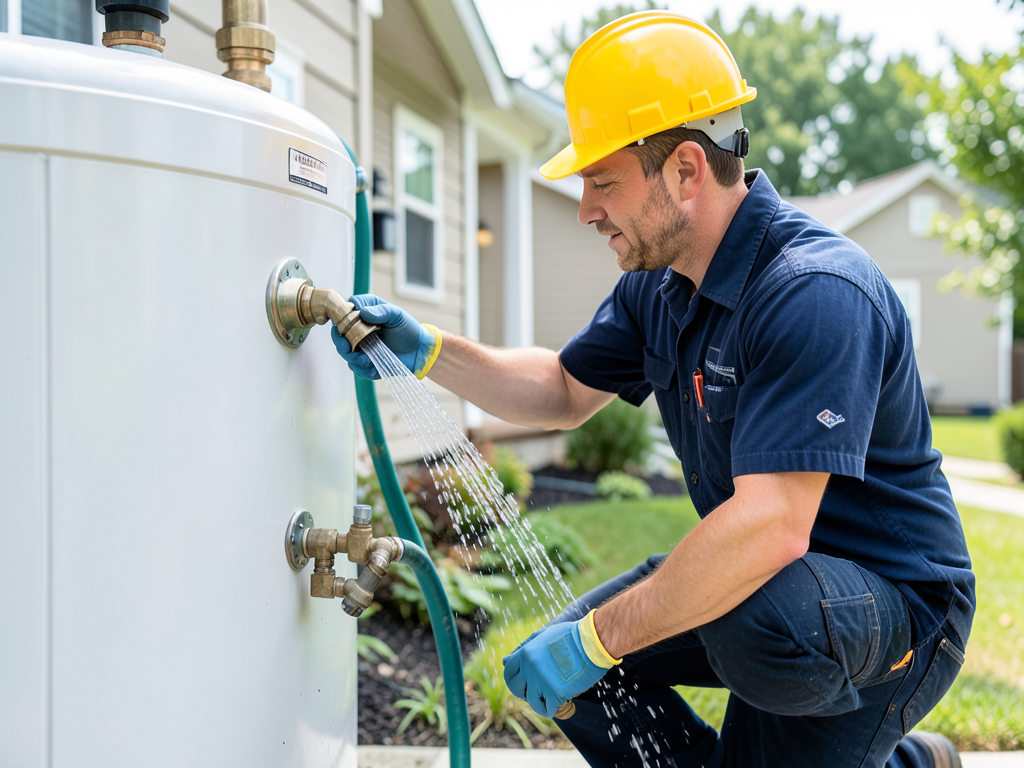
How to Safely Flush Your Traditional Water Heater to Remove Sediment in Trussville
Your water heater works silently day after day but collects sediment from Birmingham’s mineral-rich water supply. Over time this sediment forms a thick layer at the bottom of your tank reducing efficiency and potentially causing damage. Flushing your water heater removes this buildup extending the life of your unit and improving its performance. This guide walks you through the process safely using methods specific to Birmingham’s water conditions.. Read more about Why Your Water Heater Expansion Tank is Dripping and What it Means for Your Plumbing.
Why Flushing Your Water Heater Matters in Trussville
Birmingham’s water supply contains high levels of calcium carbonate and other minerals that settle at the bottom of your tank. The Jefferson County Water Management Authority reports that local water hardness averages 180 parts per million creating significant sediment buildup. You will hear a popping sound when heating elements work harder to push through this layer. This extra strain reduces efficiency by up to 30 percent and shortens your heater’s lifespan. Regular flushing prevents these problems and maintains your warranty requirements.
Trussville’s older neighborhoods like the downtown area near Chalkville Road often have homes with original water heaters from the 1990s. These units accumulate sediment faster due to aging pipes and mineral content. Homes near the Cahaba River watershed experience slightly different mineral profiles than those in the Chalkville Mountain area affecting sediment characteristics. Plumbing Mountain Brook.
Tools and Safety Equipment Needed
Before starting gather these items:
- Garden hose rated for hot water
- 5-gallon bucket
- Adjustable wrench
- Heavy-duty work gloves
- Safety goggles
- Teflon tape
- Flashlight
Turn off the power at your circuit breaker or set your gas valve to pilot position. Allow the tank to cool for at least two hours. Hot water can cause severe burns reaching temperatures above 140 degrees Fahrenheit.
Step-by-Step: How to Flush Your Water Heater Safely
- Turn Off Power or Gas Supply
Locate your circuit breaker panel and switch off the breaker labeled for your water heater. For gas units turn the gas control valve to the pilot position. This prevents accidental heating during the flushing process.
- Shut Off Cold Water Supply
Find the cold water shut-off valve on the pipe entering the top of your water heater. Turn it clockwise until it stops. This valve controls water flow into the tank preventing new water from entering during flushing.
- Connect Garden Hose to Drain Valve
Attach one end of your garden hose to the drain valve located near the bottom of the tank. Route the other end to a floor drain or outside where hot water can safely drain. Open a nearby hot water faucet to prevent vacuum lock.
- Open Drain Valve Slowly
Using your adjustable wrench turn the drain valve counterclockwise. Water will begin flowing through the hose. If water flow is weak sediment may be blocking the valve. Close the valve briefly and use a thin wire to clear any debris from the valve opening.
- Flush Until Water Runs Clear
Allow water to drain completely. Sediment appears as white or grayish particles in the water. Continue flushing for 3-5 minutes after the water runs clear to ensure all loose sediment is removed. For stubborn sediment you may need to briefly turn on the cold water supply to create turbulence inside the tank.
- Close Valve and Refill Tank
Close the drain valve tightly by turning it clockwise. Remove the hose and ensure the drain valve is not leaking. Turn on the cold water supply and allow the tank to fill completely. You will hear water running through the open hot water faucet.
- Restore Power or Relight Pilot
For electric heaters turn the breaker back on. For gas heaters turn the gas valve from pilot to the desired temperature setting. Follow your manufacturer’s instructions to relight the pilot light if necessary. Check for proper operation by listening for the burner to ignite.. Read more about Comparing Electric vs Gas Tankless Water Heaters for Your New Build in Chelsea.
Gas vs. Electric Water Heaters: Key Differences
Electric water heaters use heating elements submerged in the tank bottom where sediment collects most heavily. This direct contact causes elements to fail prematurely when coated with mineral buildup. Gas water heaters heat from below creating a different sediment pattern with most buildup directly under the burner assembly.
Electric units require flipping a dedicated 240-volt breaker during flushing. Gas units need the pilot light extinguished and gas supply turned off at the control valve. After flushing gas heaters require relighting the pilot following specific sequence steps. Always consult your owner’s manual for exact procedures as improper relighting can create dangerous gas buildup.
The thermocouple in gas heaters may need cleaning if your pilot light fails to stay lit after flushing. This safety device detects whether the pilot flame is burning and shuts off gas if it goes out. Sediment dust can interfere with its operation requiring gentle cleaning with a soft brush.
Common Problems and Solutions
A stuck drain valve occurs when sediment hardens around the valve threads. Apply penetrating oil and allow it to sit for 30 minutes. Use steady pressure with your wrench rather than force which can break the valve. If the valve breaks off you will need professional replacement.
Water pressure drops during flushing indicate sediment blockage in the drain valve or hose. Disconnect the hose and check for visible debris. Try flushing with the hose removed to clear the valve. Persistent blockage may require professional hydro-flushing equipment. Hydro Jetting Services.
Leaking after flushing often results from damaged valve seats or improper closure. Replace the drain valve if leaking continues. Use Teflon tape on new valve threads to ensure a watertight seal. A leaking temperature and pressure relief valve indicates excessive tank pressure requiring immediate attention.
Warning Signs You Need Professional Help
Call Fortress Plumbing at (659) 234-8600 if you notice these warning signs: The Warning Signs Your Mountain Brook Water Heater is About to Fail.
- Water appears rusty or has a metallic smell indicating internal tank corrosion
- Unusual noises persist after flushing suggesting sediment has hardened into scale
- Water temperature fluctuates significantly indicating heating element problems
- Your unit is over 10 years old and has never been flushed
- Water leaks from the tank base indicating potential tank failure
Professional plumbers use commercial-grade flushing equipment that generates higher water pressure than standard garden hoses. This equipment can break up hardened sediment layers that DIY methods cannot remove. They also inspect anode rods and other components during service.
Maintaining Your Water Heater After Flushing
Test the temperature and pressure relief valve annually by lifting the test lever. Water should flow freely and stop when you release the lever. If it continues leaking replace the valve immediately as required by the International Plumbing Code Section 504.7. What to Do Immediately When a Pipe Bursts in Your Birmingham Home.
Check the anode rod every three years by turning off power and water supply then removing the rod from the top of the tank. Replace if it appears heavily corroded or has less than half an inch of core wire showing. This rod sacrifices itself to protect your tank from corrosion.
Insulate hot water pipes to reduce heat loss and improve efficiency. Use foam pipe insulation rated for your pipe diameter. This simple step can reduce standby heat loss by 25-40 percent according to the U.S. Department of Energy. EPA National Primary Drinking Water Regulations.
Local Water Quality Considerations
Jefferson County’s water supply comes primarily from the Cahaba and Black Warrior river systems. The water treatment process adds minimal softening agents resulting in naturally hard water throughout Trussville and surrounding areas. Water hardness levels typically range from 150-200 milligrams per liter creating substantial sediment potential.. Read more about Why Your Faucets in Trussville Are Vibrating or Making a Humming Sound.
Older neighborhoods near Chalkville Road and Main Street often have galvanized steel pipes that corrode internally adding iron oxide to the sediment mix. This creates reddish-brown discoloration in flushed water. Homes built after 2000 typically have copper or PEX piping producing clearer flushed water.
The Trussville Water Treatment Plant follows EPA guidelines for disinfection but does not perform significant water softening. This means sediment accumulation rates remain consistent across most residential areas. Commercial buildings and facilities may experience faster buildup due to higher water usage patterns.
Frequently Asked Questions
How often should I flush my water heater?
Flush your water heater annually if you have average water hardness. Homes in areas with extremely hard water may need flushing every six months. Regular flushing maintains efficiency and extends equipment life.
Can I flush a water heater myself or should I hire a professional?
DIY flushing works for basic maintenance if you follow safety procedures carefully. However professional service includes inspection of safety components and uses commercial equipment for thorough cleaning. Choose DIY for routine maintenance and professionals for units over 8 years old or showing problems.
What happens if I don’t flush my water heater?
Neglected water heaters lose efficiency as sediment insulates heating elements from water. This increases energy costs and can cause element burnout. Severe sediment buildup can cause tank overheating leading to premature failure and potential water damage from leaks.
How long does the flushing process take?
Flushing takes 30-60 minutes plus cooling time of 2-3 hours before starting. The actual draining process takes 10-20 minutes depending on tank size and sediment level. Professional service typically completes in 45-90 minutes including all safety checks.
Is sediment harmful to drink?
Water heater sediment consists primarily of calcium carbonate and other harmless minerals. While not harmful to consume it affects water taste and can harbor bacteria in extreme cases. Regular flushing maintains water quality and heater efficiency.
Safety Precautions and Legal Requirements
Alabama state law requires licensed plumbers to install and repair water heaters according to the Alabama Plumbers and Gas Fitters Examining Board regulations. DIY maintenance like flushing remains legal but any valve replacement or gas line work requires professional licensing.
Always check local building codes before modifying your water heater. Trussville follows Jefferson County amendments to the International Plumbing Code. These codes specify required safety devices and installation standards that affect maintenance procedures.
Never bypass or remove the temperature and pressure relief valve. This federally mandated safety device prevents tank explosions by releasing excess pressure. Tampering with this valve violates federal safety regulations and voids manufacturer warranties.
Cost Considerations and Energy Savings
Professional water heater flushing costs $150-250 in the Birmingham area depending on unit accessibility and sediment level. DIY flushing costs only your time and basic supplies. The investment pays for itself through energy savings of 5-15 percent and extended equipment life of 2-4 years.
Energy savings accumulate monthly as your heater operates more efficiently. A 40-gallon electric heater running at full efficiency costs approximately $35-45 monthly to operate. Sediment buildup can increase this by $5-10 monthly representing significant long-term costs.
Consider the age of your unit when deciding between DIY maintenance and replacement. Units over 12 years old often benefit more from replacement with high-efficiency models than continued maintenance. New units offer better insulation and heating technology reducing operating costs by up to 30 percent.
Environmental Impact and Water Conservation
Efficient water heaters reduce energy consumption lowering your carbon footprint. The average American home uses 64 gallons of hot water daily. Improving your heater’s efficiency by 10 percent saves approximately 200-300 kilowatt hours annually reducing greenhouse gas emissions.
Flushing wastewater contains concentrated minerals that can benefit garden plants. Dilute the drained water 10:1 with fresh water before using on salt-sensitive plants. The calcium and magnesium content provides nutrients similar to agricultural lime applications.
Consider installing a tankless water heater for maximum efficiency. These units heat water on demand eliminating standby losses from storage tanks. While more expensive initially they can reduce energy costs by 30-50 percent and last 20+ years with proper maintenance. Is Switching to a Tankless Water Heater Worth It for Your Vestavia Hills Home?.
Call (659) 234-8600 today to schedule your professional water heater inspection and flushing service. Fortress Plumbing serves Trussville and all Birmingham communities with emergency service available 24/7. Don’t wait until sediment causes expensive damage or system failure.
Regular maintenance prevents the inconvenience and cost of emergency replacements. Our licensed plumbers carry all necessary tools and replacement parts to complete most services in a single visit. We provide upfront pricing and warranty all our work for your peace of mind.
Pick up the phone and call (659) 234-8600 before the next cold snap hits. A well-maintained water heater ensures reliable hot water when you need it most while protecting your home from potential water damage. For more information, visit U.S. Department of Energy Water Heater Efficiency Guide.
You may also find this helpful. Why Your New Pelham Home Needs a Whole House Shut Off Valve (And Where to Find It).
{
“@context”: “https://schema.org”,
“@type”: “BlogPosting”,
“headline”: “How to Safely Flush Your Traditional Water Heater to Remove Sediment in Trussville”,
“description”: “Learn how to safely flush your water heater to remove sediment buildup in Trussville homes. Step-by-step guide for Birmingham homeowners with local water quality insights.”,
“wordCount”: 2082,
“datePublished”: “2026-05-04T12:33:00.000Z”,
“dateModified”: “2026-05-04T12:33:00.000Z”,
“inLanguage”: “en-US”,
“mainEntityOfPage”: {
“@type”: “WebPage”,
“@id”: “https://fortressplumbingbirmingham.com”
},
“publisher”: {
“@type”: “LocalBusiness”,
“name”: “Fortress Plumbing Birmingham”,
“url”: “https://fortressplumbingbirmingham.com”
},
“author”: {
“@type”: “Organization”,
“name”: “Fortress Plumbing Birmingham”,
“url”: “https://fortressplumbingbirmingham.com”
},
“image”: {
“@type”: “ImageObject”,
“url”: “https://fortressplumbingbirmingham.com/wp-content/uploads/2026/03/how-to-safely-flush-your-traditional-water-heater-1.png”
}
}
{
“@context”: “https://schema.org”,
“@type”: “Plumber”,
“name”: “Fortress Plumbing Birmingham”,
“url”: “https://fortressplumbingbirmingham.com”,
“address”: {
“@type”: “PostalAddress”,
“addressLocality”: “Birmingham”
},
“areaServed”: {
“@type”: “City”,
“name”: “Birmingham”
}
}
{
“@context”: “https://schema.org”,
“@type”: “FAQPage”,
“mainEntity”: [
{
“@type”: “Question”,
“name”: “How often should I flush my water heater?”,
“acceptedAnswer”: {
“@type”: “Answer”,
“text”: “Flush your water heater annually if you have average water hardness. Homes in areas with extremely hard water may need flushing every six months. Regular flushing maintains efficiency and extends equipment life.”
}
},
{
“@type”: “Question”,
“name”: “Can I flush a water heater myself or should I hire a professional?”,
“acceptedAnswer”: {
“@type”: “Answer”,
“text”: “DIY flushing works for basic maintenance if you follow safety procedures carefully. However professional service includes inspection of safety components and uses commercial equipment for thorough cleaning. Choose DIY for routine maintenance and professionals for units over 8 years old or showing problems.”
}
},
{
“@type”: “Question”,
“name”: “What happens if I don’t flush my water heater?”,
“acceptedAnswer”: {
“@type”: “Answer”,
“text”: “Neglected water heaters lose efficiency as sediment insulates heating elements from water. This increases energy costs and can cause element burnout. Severe sediment buildup can cause tank overheating leading to premature failure and potential water damage from leaks.”
}
},
{
“@type”: “Question”,
“name”: “How long does the flushing process take?”,
“acceptedAnswer”: {
“@type”: “Answer”,
“text”: “Flushing takes 30-60 minutes plus cooling time of 2-3 hours before starting. The actual draining process takes 10-20 minutes depending on tank size and sediment level. Professional service typically completes in 45-90 minutes including all safety checks.”
}
},
{
“@type”: “Question”,
“name”: “Is sediment harmful to drink?”,
“acceptedAnswer”: {
“@type”: “Answer”,
“text”: “Water heater sediment consists primarily of calcium carbonate and other harmless minerals. While not harmful to consume it affects water taste and can harbor bacteria in extreme cases. Regular flushing maintains water quality and heater efficiency.”
}
}
]
}
{
“@context”: “https://schema.org”,
“@type”: “HowTo”,
“name”: “How to Flush a Water Heater”,
“step”: [
{
“@type”: “HowToStep”,
“position”: 1,
“name”: “Turn Off Power or Gas Supply”,
“text”: “Locate your circuit breaker panel and switch off the breaker labeled for your water heater. For gas units turn the gas control valve to the pilot position. This prevents accidental heating during the flushing process.”
},
{
“@type”: “HowToStep”,
“position”: 2,
“name”: “Shut Off Cold Water Supply”,
“text”: “Find the cold water shut-off valve on the pipe entering the top of your water heater. Turn it clockwise until it stops. This valve controls water flow into the tank preventing new water from entering during flushing.”
},
{
“@type”: “HowToStep”,
“position”: 3,
“name”: “Connect Garden Hose to Drain Valve”,
“text”: “Attach one end of your garden hose to the drain valve located near the bottom of the tank. Route the other end to a floor drain or outside where hot water can safely drain. Open a nearby hot water faucet to prevent vacuum lock.”
},
{
“@type”: “HowToStep”,
“position”: 4,
“name”: “Open Drain Valve Slowly”,
“text”: “Using your adjustable wrench turn the drain valve counterclockwise. Water will begin flowing through the hose. If water flow is weak sediment may be blocking the valve. Close the valve briefly and use a thin wire to clear any debris from the valve opening.”
},
{
“@type”: “HowToStep”,
“position”: 5,
“name”: “Flush Until Water Runs Clear”,
“text”: “Allow water to drain completely. Sediment appears as white or grayish particles in the water. Continue flushing for 3-5 minutes after the water runs clear to ensure all loose sediment is removed. For stubborn sediment you may need to briefly turn on the cold water supply to create turbulence inside the tank.”
},
{
“@type”: “HowToStep”,
“position”: 6,
“name”: “Close Valve and Refill Tank”,
“text”: “Close the drain valve tightly by turning it clockwise. Remove the hose and ensure the drain valve is not leaking. Turn on the cold water supply and allow the tank to fill completely. You will hear water running through the open hot water faucet.”
},
{
“@type”: “HowToStep”,
“position”: 7,
“name”: “Restore Power or Relight Pilot”,
“text”: “For electric heaters turn the breaker back on. For gas heaters turn the gas valve from pilot to the desired temperature setting. Follow your manufacturer’s instructions to relight the pilot light if necessary. Check for proper operation by listening for the burner to ignite.”
}
],
“image”: “https://fortressplumbingbirmingham.com/wp-content/uploads/2026/03/how-to-safely-flush-your-traditional-water-heater-1.png”
}
{
“@context”: “https://schema.org”,
“@type”: “BreadcrumbList”,
“itemListElement”: [
{
“@type”: “ListItem”,
“position”: 1,
“name”: “Home”,
“item”: “https://fortressplumbingbirmingham.com”
},
{
“@type”: “ListItem”,
“position”: 2,
“name”: “Blog”,
“item”: “https://fortressplumbingbirmingham.com/blog”
},
{
“@type”: “ListItem”,
“position”: 3,
“name”: “How to Safely Flush Your Traditional Water Heater to Remove Sediment in Trussville”
}
]
}
{
“@context”: “https://schema.org”,
“@type”: “Service”,
“serviceType”: “Plumbing”,
“provider”: {
“@type”: “LocalBusiness”,
“name”: “Fortress Plumbing Birmingham”,
“url”: “https://fortressplumbingbirmingham.com”
},
“areaServed”: {
“@type”: “City”,
“name”: “Birmingham”
},
“description”: “Learn how to safely flush your water heater to remove sediment buildup in Trussville homes. Step-by-step guide for Birmingham homeowners with local water quality insights.”
}