Why Your Toilet Bubbles When Your Washing Machine Drains: Causes and Solutions
When your washing machine drains and you hear your toilet bubbling or gurgling, it signals a serious plumbing issue that needs immediate attention. This phenomenon occurs when air pressure in your drain system becomes unbalanced, forcing air to escape through the path of least resistance—your toilet. In Gardendale homes, this problem often stems from the area’s unique soil conditions and aging infrastructure. Plumbing Mountain Brook.
Red clay soil prevalent in Gardendale expands and contracts with moisture changes, putting pressure on underground pipes. Many homes in the area were built between the 1970s and 1990s, when cast iron sewer lines were common. These pipes corrode from the inside out, creating rough surfaces where debris accumulates and causes blockages.
Understanding the mechanics behind this issue helps you identify whether you need a simple vent cleaning or a major sewer line repair. The water rushing from your washing machine creates a vacuum effect in the pipes. Without proper venting, this vacuum pulls air through the toilet trap, creating the bubbling sound you hear. EPA information on sewer systems.
Several factors contribute to this problem in Gardendale specifically. The area’s high water table means more hydrostatic pressure on sewer lines. Combined with tree roots seeking moisture—a common issue with oak and pine trees prevalent in local yards—your drainage system faces multiple challenges that can lead to the bubbling toilet symptom. Hydro Jetting Services.
Ignoring this warning sign can lead to sewage backups, water damage, and costly repairs. The bubbling indicates your plumbing system is struggling to maintain proper air pressure balance. When the system fails completely, you could face raw sewage backing up into your home through multiple fixtures. The Warning Signs Your Mountain Brook Water Heater is About to Fail.
Professional diagnosis is essential because the bubbling can result from several issues: a clogged vent stack, a partial main line blockage, or even a collapsed sewer pipe. Each requires different repair approaches and costs. A licensed plumber can use video inspection to pinpoint the exact location and nature of the problem.. Read more about Clearing a Clogged AC Condensate Line to Prevent Water Damage in Your Gardendale Home.
The good news is that most causes of toilet bubbling when the washing machine drains are fixable. Whether you need vent cleaning, hydro jetting to clear the main line, or partial pipe replacement, addressing the issue promptly prevents more severe damage and protects your home’s value.
Gardendale’s building codes require proper venting for all plumbing fixtures. The International Plumbing Code (IPC) Section 903 mandates that every drain must have adequate venting to prevent trap siphonage and maintain system pressure. Violations can result in failed inspections and potential health hazards from sewer gas exposure. International Plumbing Code.
Sewer gas contains hydrogen sulfide, methane, and other toxic compounds. The bubbling sound indicates these gases are trying to escape through your toilet rather than through the vent stack where they belong. This creates both health risks and unpleasant odors throughout your home.
Modern high-efficiency washing machines discharge water at higher velocities than older models. This increased flow rate can overwhelm partially blocked pipes or inadequate venting systems, making the bubbling problem more noticeable and frequent in newer homes with upgraded appliances.
The cost of ignoring this issue far exceeds the price of professional diagnosis and repair. A simple vent cleaning might cost a few hundred dollars, while a main line replacement could run several thousand. However, the expense of water damage restoration from a sewage backup can easily reach tens of thousands of dollars.. Read more about Why Your Hoover Home Smells Like Sewage When the Wind Blows.
Understanding your home’s plumbing layout helps in troubleshooting. Most Gardendale homes have a main sewer line that connects to the municipal system. This line typically runs from your home’s lowest point, often through the basement or crawl space, to the street connection point.
2>
The bubbling toilet when your washing machine drains indicates your plumbing system cannot handle the sudden water volume. This pressure imbalance forces air through the toilet trap instead of the vent stack, creating the characteristic gurgling sound you hear.
Several specific issues cause this problem in Gardendale homes. The area’s clay soil expands when wet, putting pressure on underground pipes and causing misalignment or cracks. These imperfections catch debris, leading to partial blockages that worsen over time.
Tree roots are particularly aggressive in Gardendale due to the area’s water table and soil composition. Roots seek out the moisture and nutrients in sewer lines, growing through tiny cracks and creating larger blockages. Oak trees, common in local landscaping, have particularly invasive root systems.
Cast iron pipes installed in homes built before 1990 corrode from the inside, creating rough surfaces where grease, hair, and other debris accumulate. This buildup restricts water flow and creates the perfect conditions for the vacuum effect that causes toilet bubbling.
Vent stack blockages occur when debris, bird nests, or even small animals fall into the roof vent. Without proper venting, the sudden rush of water from your washing machine creates a vacuum that pulls air through the toilet instead of allowing it to escape through the roof.
Main line clogs develop gradually as various materials accumulate in the sewer pipe. Grease, soap scum, hair, and foreign objects combine to create partial blockages that restrict flow but don’t completely stop drainage. These partial clogs are particularly problematic because they allow some water through while creating pressure imbalances.
Improper pipe installation or settling can cause pipes to slope incorrectly or develop low spots where water and debris collect. Over time, these collection points become more problematic, especially when high-volume appliances like washing machines discharge large amounts of water suddenly.
Sewer line damage from external factors like construction, heavy vehicle traffic, or soil erosion can create cracks or separations in the pipe. These openings allow soil to enter the pipe and create blockages while also compromising the system’s ability to maintain proper pressure.
Identifying the specific cause requires professional diagnosis because symptoms can overlap. A vent blockage might cause similar symptoms to a partial main line clog, but the repair approaches differ significantly in cost and complexity.
The location of your washing machine relative to other plumbing fixtures affects which symptoms you notice first. If your washer is on an upper floor, you might notice bubbling in first-floor toilets. Ground-floor installations might affect basement fixtures first.
Water pressure changes throughout your home can indicate the severity of the blockage. As the main line becomes more restricted, you might notice slow drains in multiple fixtures, gurgling sounds in sinks, or even complete backups during heavy water usage periods.
Temperature changes can affect how quickly blockages form and worsen. In Gardendale’s climate, summer heat can accelerate grease solidification in pipes, while winter freezes can cause pipes to contract slightly, making existing cracks more problematic.
The age of your washing machine also matters. Modern high-efficiency models use less water but discharge it more rapidly, creating stronger pressure waves in your plumbing system. This can make existing venting or drainage problems more noticeable.
Understanding these causes helps you recognize when the problem requires immediate professional attention versus when simple maintenance might resolve the issue. However, any persistent bubbling warrants investigation to prevent more serious damage.
Step-by-Step Diagnostic Process for Toilet Bubbling Issues
Professional plumbers follow a systematic approach to diagnose toilet bubbling when the washing machine drains. This process helps identify the exact cause and determine the most cost-effective repair solution.. Read more about The Process of Converting from a Septic Tank to City Sewer in Trussville.
The first step involves gathering information about when the problem occurs. Does the bubbling happen every time you run the washing machine, or only during certain cycles? Are there other symptoms like slow drains or gurgling sounds in other fixtures?
Visual inspection starts with checking all visible plumbing connections for signs of leaks, corrosion, or damage. This includes examining exposed pipes in basements, crawl spaces, and utility areas for any obvious issues that might contribute to the problem.
The plumber will test individual fixtures to determine if the bubbling is isolated to the toilet or if other drains are affected. Running water in sinks, tubs, and other toilets helps identify whether the issue is localized or affects the entire drainage system.
Vent stack inspection involves checking the roof vent for visible obstructions like leaves, nests, or debris. Sometimes simply clearing a vent blockage resolves the bubbling issue without requiring more invasive repairs.
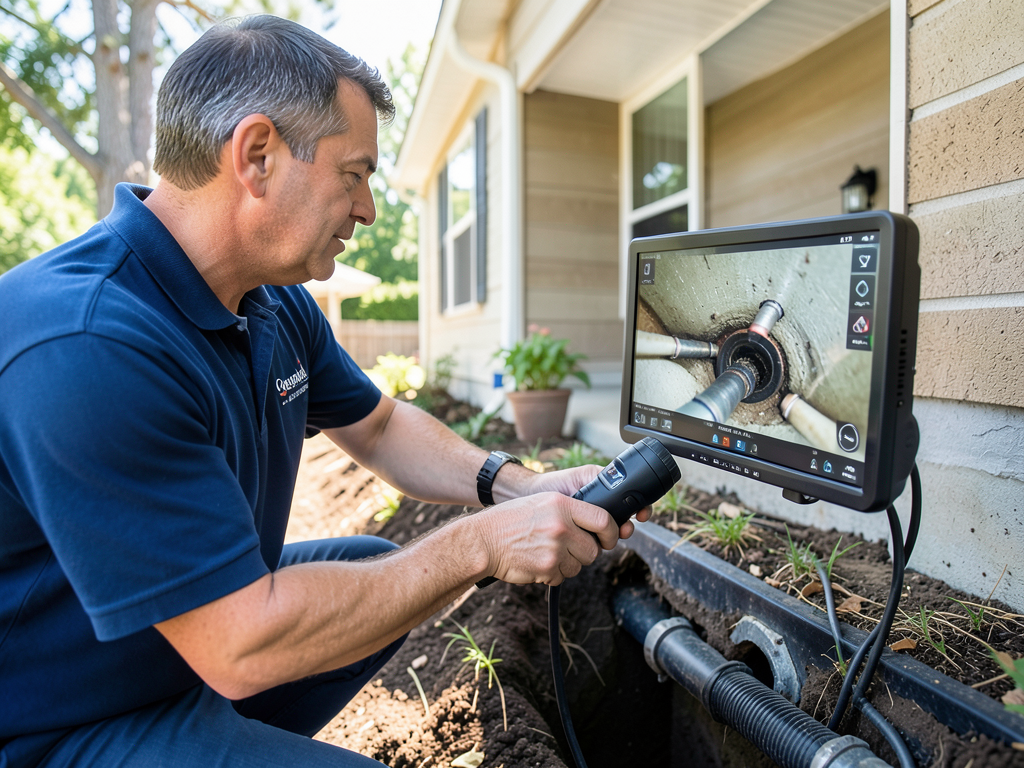
Camera inspection represents the most definitive diagnostic tool. A waterproof camera attached to a flexible cable is inserted into the drain system, allowing real-time viewing of pipe conditions, blockages, and structural damage. This technology can identify the exact location and nature of problems.
Pressure testing may be performed to check for leaks in the system. This involves sealing the drain system and monitoring pressure changes to identify areas where air or water might be escaping.
Flow testing evaluates how quickly water drains from various fixtures. Slow drainage in multiple fixtures often indicates a main line blockage, while isolated slow drains might suggest localized clogs.
The plumber will also consider external factors like recent construction, landscaping changes, or tree root growth near sewer lines. These factors can contribute to or cause the bubbling issue.
Based on these diagnostic steps, the plumber can recommend specific repairs ranging from simple vent cleaning to complete sewer line replacement. The goal is to address the root cause rather than just treating symptoms.
Professional diagnosis typically takes one to two hours and provides valuable information about your entire plumbing system’s condition. This knowledge helps prevent future issues and can identify other potential problems before they become emergencies.
The diagnostic process also includes checking for code violations or outdated plumbing practices that might contribute to the problem. Many older Gardendale homes have plumbing that doesn’t meet current code requirements.
Understanding the diagnostic process helps you make informed decisions about repairs and recognize when a plumber is thorough versus when they might be recommending unnecessary work.
Common Repair Solutions for Toilet Bubbling Problems
Once the cause of toilet bubbling is identified, several repair solutions can resolve the issue. The appropriate solution depends on the specific problem and your home’s plumbing configuration.
Vent stack cleaning represents the simplest and least expensive repair. This involves removing debris from the roof vent using specialized tools or high-pressure water. Most vent cleanings cost between $150 and $300 and can be completed in under an hour.
Main line snaking uses a flexible auger to break up clogs in the sewer line. This mechanical method can clear tree roots, grease buildup, and other blockages. Snaking typically costs $200 to $500 and provides temporary relief for many bubbling issues.
Hydro jetting employs high-pressure water (up to 4,000 PSI) to thoroughly clean sewer lines. This method removes all debris, grease, and root intrusions, restoring pipes to near-original capacity. Hydro jetting costs $300 to $600 but provides longer-lasting results than snaking.
Partial pipe replacement becomes necessary when specific pipe sections are damaged or collapsed. This targeted approach replaces only the affected sections, typically costing $1,500 to $3,000 depending on accessibility and pipe length.
Full sewer line replacement is the most extensive repair, required when multiple pipe sections are damaged or when pipes are made of outdated materials like Orangeburg or severely corroded cast iron. This can cost $3,000 to $10,000 depending on line length and depth.
Trenchless pipe lining offers a less invasive alternative to full replacement. This process inserts a resin-coated liner into the existing pipe, which hardens to create a new pipe within the old one. This method costs $2,000 to $8,000 but preserves landscaping and structures above the pipe.
Root removal and treatment prevent future root intrusions. This involves physically removing existing roots and applying chemical treatments that discourage regrowth. This service typically costs $200 to $400 and extends the life of your sewer line.
Backflow preventer installation may be recommended in some cases to protect your home from sewage backups. These devices allow water to flow out but prevent it from flowing back into your home during system overloads.
System upgrades might include installing larger diameter pipes or additional vents to handle modern appliance water discharge rates. These improvements can prevent future bubbling issues as you upgrade other home systems.
The repair timeline varies significantly based on the solution. Simple vent cleaning might take an hour, while full sewer replacement could require several days. Your plumber should provide a clear timeline and explain what to expect during the repair process.
Most repairs include a warranty period, typically ranging from 30 days for simple snaking to 10-25 years for trenchless lining or full replacement. Understanding warranty terms helps you evaluate the long-term value of different repair options.
Choosing the right repair solution requires balancing immediate cost against long-term reliability. While snaking might be cheapest upfront, it often needs repetition. More comprehensive solutions provide better long-term value despite higher initial costs.
Your plumber should explain all available options, including the pros and cons of each approach, to help you make an informed decision that fits your budget and long-term plans for your home.
Preventing Future Toilet Bubbling Issues
After resolving the initial bubbling problem, several preventive measures can help avoid future occurrences. These strategies address both the symptoms and underlying causes of toilet bubbling.
Regular drain cleaning prevents buildup that leads to blockages. Professional drain cleaning every 1-2 years costs $100 to $200 and can identify developing problems before they cause bubbling or backups.
Proper waste disposal habits significantly reduce blockage risks. Avoid pouring grease down drains, use hair catchers in showers and tubs, and never flush anything except human waste and toilet paper. Even “flushable” wipes can cause problems in older plumbing systems.
Installing a whole-house water softener can reduce mineral buildup in pipes, particularly important in areas with hard water. This prevents scale formation that narrows pipe diameters and creates rough surfaces where debris accumulates.
Tree root management involves selecting appropriate plants for landscaping near sewer lines and maintaining existing trees to prevent aggressive root growth. Some tree species are particularly problematic for sewer lines and should be planted at least 10 feet away.
Appliance maintenance includes regularly cleaning washing machine filters and checking for leaks. Well-maintained appliances put less stress on your plumbing system and help you notice problems early.
Monitoring your plumbing system helps catch issues early. Pay attention to slow drains, gurgling sounds, or changes in toilet water levels. Early intervention often prevents minor problems from becoming major repairs.
Professional inspections every few years can identify developing issues before they cause bubbling or backups. These inspections typically include camera examination of main lines and checking for signs of pipe deterioration or damage.
Upgrading old plumbing components before they fail can prevent emergency repairs. This might include replacing old cast iron pipes with modern PVC or replacing inadequate venting systems to handle modern appliance loads.. Read more about Upgrading Your Laundry Room with Automatic Water Shut Off Valves in Homewood.
Educating household members about proper plumbing use helps prevent accidental damage. This includes understanding what can and cannot be flushed, how to use garbage disposals properly, and what signs indicate potential plumbing problems.
Installing water pressure regulators can prevent excessive pressure that stresses pipes and joints. High water pressure accelerates pipe deterioration and can cause joints to fail prematurely.
Maintaining proper slope in drainage pipes ensures water flows correctly and prevents standing water that can lead to blockages. This might involve regrading pipes during repairs or renovations.
Using enzyme-based drain cleaners monthly can help break down organic buildup in pipes without the harsh chemicals that can damage older plumbing systems. These products work gradually but safely on most pipe materials.
Documenting your plumbing system, including pipe locations, ages, and previous repairs, helps track maintenance needs and provides valuable information for future repairs or renovations.
Investing in preventive maintenance costs significantly less than emergency repairs and helps maintain your home’s value by preventing water damage and system failures.
Local Considerations for Gardendale Homeowners
Gardendale’s specific conditions create unique challenges for plumbing systems. Understanding these local factors helps you better maintain your home and recognize when professional help is needed.
The area’s clay soil composition causes significant pipe movement as soil expands and contracts with moisture changes. This movement can crack pipes, separate joints, and create the conditions that lead to toilet bubbling and other drainage issues.
Gardendale’s water table depth affects how water moves through soil and can influence sewer line performance. High water tables increase hydrostatic pressure on underground pipes and can cause groundwater infiltration that overwhelms drainage systems.
Many Gardendale homes were built during periods when building codes were less stringent than today. These older systems might lack proper venting, use outdated pipe materials, or have design flaws that modern codes would not permit.
The area’s tree species, particularly oak and pine, have aggressive root systems that commonly invade sewer lines. Local landscaping practices sometimes place trees too close to sewer lines, creating predictable problems as trees mature.
Gardendale’s climate includes both hot summers and occasional winter freezes. These temperature extremes can cause pipes to expand and contract, potentially worsening existing cracks or creating new ones over time.
Local soil pH levels can accelerate corrosion in certain pipe materials. Understanding your specific soil conditions helps predict which pipe materials might perform best for repairs or replacements.
Gardendale’s growth has led to increased municipal sewer system loads, sometimes causing pressure fluctuations that affect individual home systems. Older neighborhoods might experience more frequent issues due to aging infrastructure.
Local building practices have evolved over time, meaning homes of different ages might have vastly different plumbing systems. A home built in the 1970s likely has different materials and design than one built in the 2000s.
Gardendale’s proximity to natural water features can influence local water table levels and soil moisture content. Homes near creeks or low-lying areas might experience more frequent drainage issues.
Local utility companies maintain records of sewer line installations and repairs that can provide valuable information about your home’s system. These records can help identify potential problem areas or previous repairs.
Gardendale’s building permit records can reveal when major plumbing work was done on your property, helping you understand the age and likely condition of your current system.
Local plumbers familiar with Gardendale’s specific conditions can provide more accurate diagnoses and recommendations than those unfamiliar with the area’s unique challenges.
Understanding these local factors helps you make informed decisions about maintenance, repairs, and upgrades that account for Gardendale’s specific environmental and infrastructure conditions.
When to Call a Professional Plumber
While some plumbing issues can wait for regular business hours, certain situations require immediate professional attention. Knowing when to call a plumber can prevent minor problems from becoming major emergencies.
Persistent toilet bubbling when the washing machine runs indicates a developing problem that won’t resolve on its own. If the bubbling occurs consistently, professional diagnosis can identify and address the root cause before more serious damage occurs.
Gurgling sounds from multiple fixtures suggest a main line blockage rather than a localized issue. When you hear gurgling from sinks, tubs, and toilets throughout your home, the problem affects your entire drainage system and requires professional attention.
Slow drains in multiple fixtures indicate a developing blockage in your main sewer line. While one slow drain might be a localized clog, multiple slow drains suggest a more serious problem that won’t resolve with simple DIY methods.
Water backing up into tubs or showers when you flush toilets or run appliances signals a severe blockage that requires immediate professional intervention. This condition can quickly lead to sewage backups in your home.
Foul odors from drains or toilets indicate sewer gas escaping through your plumbing system. This poses health risks and suggests problems with traps, vents, or the main sewer line that require professional repair.
Visible sewage or water around floor drains or cleanouts suggests a main line blockage or break. This condition poses immediate health risks and can cause extensive property damage if not addressed promptly.
Changes in toilet water levels or flushing performance often indicate developing plumbing problems. If your toilet water level fluctuates significantly or flushing becomes inconsistent, professional diagnosis can identify the cause.
Foundation cracks or sinkholes in your yard might indicate sewer line breaks that are washing away soil beneath your home’s foundation. These conditions require immediate professional attention to prevent structural damage.
Multiple plumbing fixtures failing simultaneously suggests a systemic problem rather than isolated issues. When several fixtures stop working at once, the problem likely affects your main plumbing system.
Any situation involving raw sewage or potential contamination requires professional handling to ensure proper cleanup and prevent health hazards. DIY attempts at sewage cleanup often create more problems than they solve.
Professional plumbers have the tools, expertise, and safety equipment to handle these situations properly. They can diagnose problems accurately, provide appropriate solutions, and ensure repairs meet current building codes.
Emergency plumbing services are available 24/7 for situations that cannot wait until regular business hours. Having a reliable plumber’s contact information readily available can save valuable time during emergencies. Finding a Reliable Emergency Plumber in Hoover Without Getting Overcharged.
Professional diagnosis might seem expensive initially, but it often saves money by identifying the exact problem and preventing unnecessary repairs or repeated service calls.
Cost Factors for Toilet Bubbling Repairs
Understanding the cost factors for toilet bubbling repairs helps you budget appropriately and evaluate different repair options. Several variables influence the total cost of resolving this plumbing issue.
Diagnosis costs typically range from $100 to $300 and include the initial inspection and basic testing. More comprehensive diagnostics using camera inspection might cost $300 to $500 but provide more accurate information about the problem.
Simple repairs like vent cleaning or minor snaking usually cost $150 to $500. These solutions address common causes of toilet bubbling and often provide temporary or permanent relief depending on the underlying issue.
Hydro jetting services range from $300 to $600 and provide more thorough cleaning than mechanical snaking. This method is particularly effective for grease buildup and minor root intrusions.
Partial pipe replacement costs vary widely based on pipe location, length, and material. Expect to pay $1,500 to $3,000 for replacing a section of sewer line, with costs increasing for pipes under structures or in difficult-to-access locations.
Full sewer line replacement represents the most expensive option, typically costing $3,000 to $10,000. Factors affecting this cost include line length, depth, material, and whether trenchless methods can be used.
Trenchless pipe lining costs $2,000 to $8,000 and offers a less invasive alternative to full replacement. This method preserves landscaping and structures but may not be suitable for severely damaged pipes.
Emergency service calls often include premium pricing, typically 25-50% higher than regular rates. Services performed outside normal business hours, weekends, or holidays usually incur these additional charges.
Permit requirements can add $50 to $500 to repair costs, depending on local regulations and the scope of work. Some repairs require permits to ensure compliance with building codes.
Accessibility factors significantly impact repair costs. Pipes under concrete slabs, inside walls, or beneath landscaping require more labor and specialized equipment, increasing overall costs.
Material costs vary based on pipe type and quality. Modern PVC pipes are less expensive than copper or specialty materials, but the best choice depends on your specific situation and local conditions.
Warranty coverage might affect your decision between repair options. More expensive repairs often include longer warranties, potentially providing better long-term value despite higher initial costs.
Multiple quote comparisons help ensure you receive fair pricing for repairs. However, be wary of quotes significantly lower than others, as they might indicate inexperienced contractors or plans to cut corners.
Payment options and financing availability can make necessary repairs more affordable. Many plumbing companies offer payment plans or can recommend financing options for larger repairs.
Understanding these cost factors helps you evaluate repair proposals and make informed decisions about which solutions provide the best value for your specific situation.
Frequently Asked Questions
Why does my toilet bubble only when the washing machine drains?
Your toilet bubbles when the washing machine drains because the sudden rush of water creates a vacuum effect in your plumbing system. Without proper venting, this vacuum pulls air through the toilet trap instead of allowing it to escape through the vent stack. This is often caused by a blocked vent, partial main line clog, or inadequate pipe sizing for modern high-efficiency washers.
Is toilet bubbling dangerous for my health?
Yes, toilet bubbling can be dangerous because it indicates sewer gas is escaping into your home. Sewer gas contains toxic compounds like hydrogen sulfide and methane that can cause respiratory issues, headaches, and other health problems. The bubbling sound means these gases are finding escape routes through your toilet rather than through proper venting systems.
Can I fix toilet bubbling myself?
Simple vent blockages might be cleared by homeowners, but most causes of toilet bubbling require professional diagnosis and repair. The bubbling usually indicates problems deep in your plumbing system that need specialized tools like drain cameras or hydro jetting equipment. DIY attempts often provide temporary relief while the underlying problem worsens.
How much does it cost to fix a bubbling toilet?
Repair costs vary widely based on the cause. Simple vent cleaning might cost $150-300, while main line snaking ranges from $200-500. More extensive repairs like hydro jetting cost $300-600, and partial pipe replacement can run $1,500-3,000. Full sewer line replacement typically costs $3,000-10,000 depending on various factors.
How long can I wait to fix toilet bubbling?
You shouldn’t wait to fix toilet bubbling because the underlying problem typically worsens over time. What starts as a minor vent blockage can progress to a complete main line clog, potentially causing sewage backups into your home. Early intervention is always less expensive and prevents more serious damage.
Will a bubbling toilet fix itself?
No, a bubbling toilet will not fix itself. The bubbling indicates an active problem in your plumbing system that requires intervention. While the bubbling might seem to improve temporarily, the underlying issue continues to worsen until it causes more serious problems like complete blockages or sewage backups.
Should I call a plumber if my toilet only bubbles occasionally?
Yes, you should call a plumber even if the bubbling occurs only occasionally. Occasional bubbling indicates a developing problem that will likely become more frequent and severe over time. Professional diagnosis can identify the issue while it’s still relatively minor and less expensive to repair.
Call Fortress Plumbing Birmingham Today
Don’t let toilet bubbling turn into a plumbing emergency. The gurgling sound when your washing machine drains signals a problem that needs professional attention before it causes sewage backups or water damage to your Gardendale home.
Fortress Plumbing Birmingham has served the area for years, understanding the unique challenges that local soil conditions, tree roots, and aging infrastructure create for home plumbing systems. Our licensed plumbers use advanced diagnostic tools to identify the exact cause of your toilet bubbling and recommend the most cost-effective solution. Advanced Leak Detection Services for Historic Homes in Forest Park.
We offer 24/7 emergency service because we know plumbing problems don’t wait for convenient times. Whether you need simple vent cleaning or complete sewer line replacement, we provide upfront pricing and stand behind our work with solid warranties.
Our team understands Gardendale’s specific building codes and soil conditions, ensuring repairs meet all local requirements while addressing the unique challenges of our area. We don’t just fix symptoms—we solve problems to prevent future issues.
Call (659) 234-8600 today to schedule your inspection. Don’t wait until that bubbling toilet becomes a backed-up sewer line. Our friendly staff will answer your questions, explain your options, and get your plumbing working properly again.
Pick up the phone and call (659) 234-8600 now. Your home’s plumbing system is too important to leave to chance, and that bubbling toilet won’t fix itself. Let Fortress Plumbing Birmingham protect your home and restore your peace of mind.
Remember, early intervention saves money and prevents emergencies. That gurgling sound is your plumbing system asking for help—don’t ignore it. Call (659) 234-8600 and let our experienced team solve your toilet bubbling problem today.
{
“@context”: “https://schema.org”,
“@type”: “BlogPosting”,
“headline”: “Troubleshooting a Bubbling Toilet When You Run the Washing Machine in Gardendale”,
“description”: “If your toilet bubbles when the washing machine drains, you have a venting or main line issue. Learn the causes and fixes specific to Gardendale homes.”,
“wordCount”: 4656,
“datePublished”: “2026-05-07T09:12:00.000Z”,
“dateModified”: “2026-05-07T09:12:00.000Z”,
“inLanguage”: “en-US”,
“mainEntityOfPage”: {
“@type”: “WebPage”,
“@id”: “https://fortressplumbingbirmingham.com”
},
“publisher”: {
“@type”: “LocalBusiness”,
“name”: “Fortress Plumbing Birmingham”,
“url”: “https://fortressplumbingbirmingham.com”
},
“author”: {
“@type”: “Organization”,
“name”: “Fortress Plumbing Birmingham”,
“url”: “https://fortressplumbingbirmingham.com”
},
“image”: {
“@type”: “ImageObject”,
“url”: “https://fortressplumbingbirmingham.com/wp-content/uploads/2026/03/troubleshooting-a-bubbling-toilet-when-you-run-the-1.png”
}
}
{
“@context”: “https://schema.org”,
“@type”: “Plumber”,
“name”: “Fortress Plumbing Birmingham”,
“url”: “https://fortressplumbingbirmingham.com”,
“address”: {
“@type”: “PostalAddress”,
“addressLocality”: “Birmingham”
},
“areaServed”: {
“@type”: “City”,
“name”: “Birmingham”
}
}
{
“@context”: “https://schema.org”,
“@type”: “FAQPage”,
“mainEntity”: [
{
“@type”: “Question”,
“name”: “Why does my toilet bubble only when the washing machine drains?”,
“acceptedAnswer”: {
“@type”: “Answer”,
“text”: “Your toilet bubbles when the washing machine drains because the sudden rush of water creates a vacuum effect in your plumbing system. Without proper venting, this vacuum pulls air through the toilet trap instead of allowing it to escape through the vent stack. This is often caused by a blocked vent, partial main line clog, or inadequate pipe sizing for modern high-efficiency washers.”
}
},
{
“@type”: “Question”,
“name”: “Is toilet bubbling dangerous for my health?”,
“acceptedAnswer”: {
“@type”: “Answer”,
“text”: “Yes, toilet bubbling can be dangerous because it indicates sewer gas is escaping into your home. Sewer gas contains toxic compounds like hydrogen sulfide and methane that can cause respiratory issues, headaches, and other health problems. The bubbling sound means these gases are finding escape routes through your toilet rather than through proper venting systems.”
}
},
{
“@type”: “Question”,
“name”: “Can I fix toilet bubbling myself?”,
“acceptedAnswer”: {
“@type”: “Answer”,
“text”: “Simple vent blockages might be cleared by homeowners, but most causes of toilet bubbling require professional diagnosis and repair. The bubbling usually indicates problems deep in your plumbing system that need specialized tools like drain cameras or hydro jetting equipment. DIY attempts often provide temporary relief while the underlying problem worsens.”
}
},
{
“@type”: “Question”,
“name”: “How much does it cost to fix a bubbling toilet?”,
“acceptedAnswer”: {
“@type”: “Answer”,
“text”: “Repair costs vary widely based on the cause. Simple vent cleaning might cost $150-300, while main line snaking ranges from $200-500. More extensive repairs like hydro jetting cost $300-600, and partial pipe replacement can run $1,500-3,000. Full sewer line replacement typically costs $3,000-10,000 depending on various factors.”
}
},
{
“@type”: “Question”,
“name”: “How long can I wait to fix toilet bubbling?”,
“acceptedAnswer”: {
“@type”: “Answer”,
“text”: “You shouldn’t wait to fix toilet bubbling because the underlying problem typically worsens over time. What starts as a minor vent blockage can progress to a complete main line clog, potentially causing sewage backups into your home. Early intervention is always less expensive and prevents more serious damage.”
}
},
{
“@type”: “Question”,
“name”: “Will a bubbling toilet fix itself?”,
“acceptedAnswer”: {
“@type”: “Answer”,
“text”: “No, a bubbling toilet will not fix itself. The bubbling indicates an active problem in your plumbing system that requires intervention. While the bubbling might seem to improve temporarily, the underlying issue continues to worsen until it causes more serious problems like complete blockages or sewage backups.”
}
},
{
“@type”: “Question”,
“name”: “Should I call a plumber if my toilet only bubbles occasionally?”,
“acceptedAnswer”: {
“@type”: “Answer”,
“text”: “Yes, you should call a plumber even if the bubbling occurs only occasionally. Occasional bubbling indicates a developing problem that will likely become more frequent and severe over time. Professional diagnosis can identify the issue while it’s still relatively minor and less expensive to repair.”
}
}
]
}
{
“@context”: “https://schema.org”,
“@type”: “BreadcrumbList”,
“itemListElement”: [
{
“@type”: “ListItem”,
“position”: 1,
“name”: “Home”,
“item”: “https://fortressplumbingbirmingham.com”
},
{
“@type”: “ListItem”,
“position”: 2,
“name”: “Blog”,
“item”: “https://fortressplumbingbirmingham.com/blog”
},
{
“@type”: “ListItem”,
“position”: 3,
“name”: “Troubleshooting a Bubbling Toilet When You Run the Washing Machine in Gardendale”
}
]
}
{
“@context”: “https://schema.org”,
“@type”: “Service”,
“serviceType”: “Plumbing”,
“provider”: {
“@type”: “LocalBusiness”,
“name”: “Fortress Plumbing Birmingham”,
“url”: “https://fortressplumbingbirmingham.com”
},
“areaServed”: {
“@type”: “City”,
“name”: “Birmingham”
},
“description”: “If your toilet bubbles when the washing machine drains, you have a venting or main line issue. Learn the causes and fixes specific to Gardendale homes.”
}